Pulmonary Embolism: Sudden Breathlessness, Diagnosis, and Blood Thinner Treatment

Pulmonary embolism usually occurs when a clot from a deep vein in the leg or pelvis travels to the lungs. Common symptoms include sudden breathlessness, chest pain that may worsen with breathing, rapid heartbeat, coughing, or faintness.
Key Takeaways
- Pulmonary embolism usually occurs when a clot from a deep vein in the leg or pelvis travels to the lungs.
- Common symptoms include sudden breathlessness, chest pain that may worsen with breathing, rapid heartbeat, coughing, or faintness.
- Diagnosis may involve clinical risk assessment, blood tests such as D-dimer, CT pulmonary angiography, ultrasound of the legs, or other imaging.
- Blood thinners, also called anticoagulants, are the main treatment for most patients and help prevent clots from growing or recurring.
- Urgent care is needed for sudden unexplained breathlessness, chest pain, coughing blood, or collapse.
Pulmonary embolism is a potentially serious condition in which a blood clot blocks blood flow in the lungs, often causing sudden shortness of breath or chest discomfort. Prompt medical assessment, imaging, and blood thinner treatment can reduce complications and support recovery.
Overview
Pulmonary embolism is a blockage in one or more arteries of the lungs. In most cases, the blockage is caused by a blood clot that forms in a deep vein of the leg or pelvis, then travels through the bloodstream to the lungs. This process is closely related to deep vein thrombosis, and together they are often described as venous thromboembolism.
When a clot blocks blood flow in the lungs, the body may have difficulty moving oxygen into the blood and sending blood efficiently through the heart and lungs. The symptoms can be mild, moderate, or severe depending on the size and number of clots, the person’s overall health, and whether heart or lung disease is already present.
Pulmonary embolism is a medical condition that needs prompt assessment. Many people recover well with timely diagnosis and treatment, especially when the clot is recognized early and blood thinner treatment is started when appropriate. The goal of care is to stabilize breathing and circulation, prevent the clot from getting larger, and reduce the chance of future clots.
Symptoms of Pulmonary Embolism
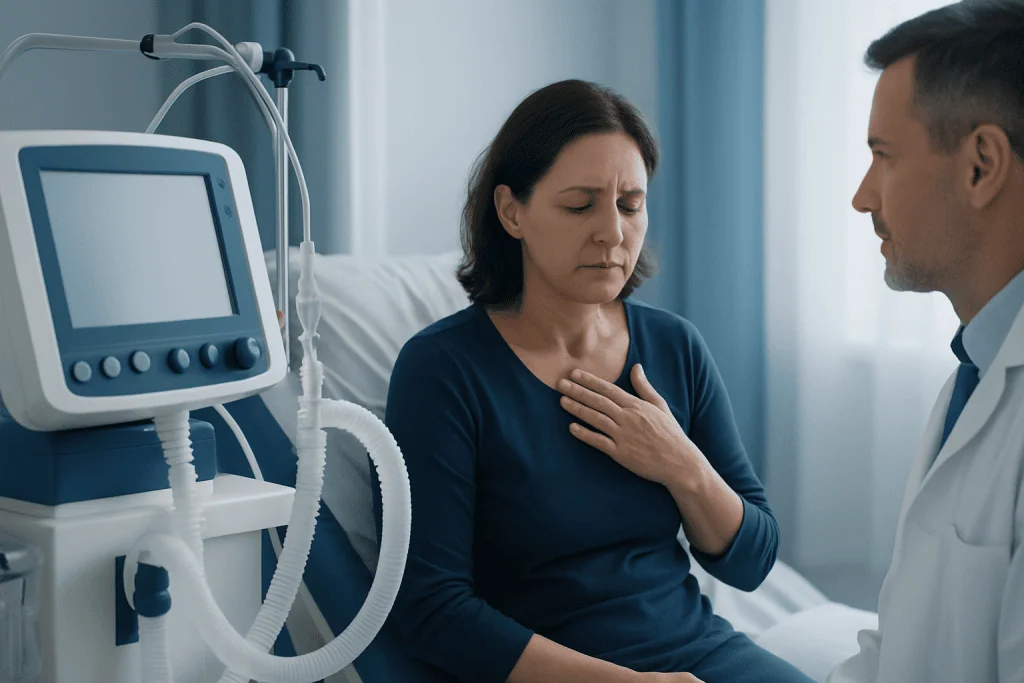
The most recognized symptom of pulmonary embolism is sudden shortness of breath, which may occur at rest or with activity. Some people describe a feeling that they cannot take a full breath. Others notice that normal tasks, such as walking across a room or climbing stairs, become unexpectedly difficult.
Chest pain is also common. It may feel sharp and may worsen with deep breathing, coughing, or movement. Because chest pain can also be caused by heart attack, pneumonia, muscle strain, or other conditions, it should not be self-diagnosed. A healthcare professional can evaluate the pattern of symptoms and choose the right tests.
Other possible symptoms include a fast heartbeat, rapid breathing, lightheadedness, fainting, sweating, anxiety, coughing, or coughing up blood. If the clot began as a deep vein thrombosis, there may also be swelling, pain, warmth, or redness in one calf or thigh. Symptoms vary, and some patients have subtle signs, especially if the clot is small.
Causes and Risk Factors
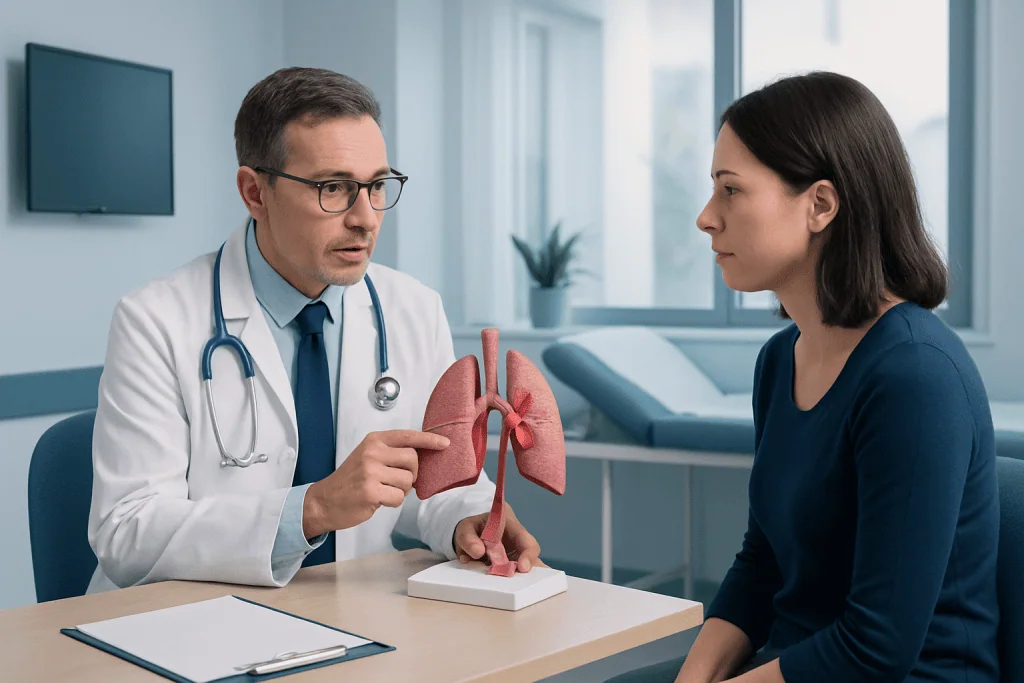
Pulmonary embolism most often begins with a clot in a deep vein. Blood clots are more likely to form when blood flow slows, when the blood becomes more prone to clotting, or when a blood vessel wall is injured. Long periods of immobility, such as after surgery, during hospitalization, or on long-distance travel, can contribute to slowed blood flow in the legs.
Risk factors include recent major surgery, trauma, cancer, pregnancy and the weeks after delivery, certain hormone therapies, previous deep vein thrombosis or pulmonary embolism, inherited clotting disorders, severe illness, and prolonged bed rest. Age, smoking, obesity, and some chronic heart or lung conditions may also increase risk. Having one risk factor does not mean a person will develop a clot, but risk increases when several factors are present together.
Some pulmonary emboli occur without an obvious trigger. Doctors may call this an unprovoked pulmonary embolism. In these cases, the medical team may look more closely for underlying clotting tendencies, medication-related risks, or other health conditions that could influence treatment length and follow-up planning.
How Pulmonary Embolism Is Diagnosed
Diagnosis starts with a careful medical history, physical examination, and assessment of risk. The doctor asks about symptoms, recent surgery or travel, pregnancy, cancer, previous clots, medications, and leg symptoms. Vital signs, oxygen levels, heart and lung examination, and leg examination help guide the next steps.
Blood tests and imaging are commonly used. A D-dimer blood test may help rule out pulmonary embolism in selected low-risk patients, but it is not specific and can be elevated for many reasons. CT pulmonary angiography is a frequently used imaging test that shows the blood vessels in the lungs. In some patients, a ventilation-perfusion scan may be chosen instead, particularly when CT contrast is not suitable.
Additional tests may include ultrasound of the legs to look for deep vein thrombosis, electrocardiogram, chest X-ray, echocardiography, or blood tests that assess the strain on the heart. These tests do more than confirm the clot; they also help the medical team understand severity and choose safe treatment. The exact diagnostic plan depends on symptoms, kidney function, pregnancy status, contrast allergy, and clinical stability.
Blood Thinner Treatment and Other Options
For most patients, the main treatment for pulmonary embolism is anticoagulation, often called blood thinner treatment. These medicines do not dissolve a clot immediately; rather, they reduce the blood’s ability to form new clots and help prevent the existing clot from growing. Over time, the body gradually breaks down the clot.
Different anticoagulants may be used depending on the patient’s situation. Options can include injectable medicines, warfarin, or direct oral anticoagulants. The choice depends on kidney function, other medications, pregnancy, cancer, bleeding risk, patient preference, and the need for procedures. Doctors also decide how long treatment should continue, which may range from a limited course to longer-term therapy for people with higher recurrence risk.
In more severe pulmonary embolism, especially when blood pressure is low or the heart is under significant strain, additional treatments may be considered. These can include clot-dissolving medicines, catheter-based procedures, or rarely surgery to remove a clot. Such treatments are reserved for selected patients because benefits must be balanced against bleeding risk.
While taking anticoagulants, patients should follow medical instructions carefully and report unusual bleeding, black stools, severe headache, or significant injury. They should also tell doctors and dentists about anticoagulant use before procedures and ask before starting new prescription medicines, over-the-counter pain relievers, or supplements.
Recovery, Follow-Up, and Daily Life
Recovery after pulmonary embolism varies. Some people feel better within days or weeks after starting treatment, while others have tiredness, reduced exercise tolerance, or chest discomfort for longer. Follow-up appointments are important to check symptoms, review anticoagulant safety, and decide how long treatment should continue.
Patients are often encouraged to return gradually to normal activity as advised by their doctor. Complete bed rest is not usually needed once treatment has started and the patient is stable, but activity recommendations depend on severity and individual health. Hydration, walking as tolerated, and avoiding prolonged immobility can support circulation.
Some patients need additional evaluation after several months, especially if breathlessness persists. Rarely, pulmonary embolism can lead to long-term high pressure in the lung circulation, known as chronic thromboembolic pulmonary hypertension. Ongoing symptoms should be discussed with a healthcare professional rather than assumed to be part of normal recovery.
Prevention and Self-Care
Prevention focuses on reducing the chance of deep vein thrombosis and future pulmonary embolism. In hospitals, this may involve early mobilization after surgery or illness, compression devices, and preventive anticoagulant medication for patients at increased risk. The best approach depends on bleeding risk and the reason for hospitalization.
For everyday prevention, people can reduce risk by staying active, avoiding long periods of sitting, maintaining a healthy weight, and following medical advice for chronic conditions. During long travel, it may help to stand, walk when possible, move the ankles and calves, and drink fluids. People with a previous clot should ask their doctor whether special travel precautions are needed.
Self-care after a pulmonary embolism includes taking anticoagulants exactly as prescribed, keeping follow-up visits, and understanding warning signs. Helpful steps include:
- Using medication reminders to avoid missed doses.
- Checking with a clinician before stopping blood thinners.
- Avoiding smoking and seeking support to quit if needed.
- Discussing contraception, pregnancy plans, or hormone therapy with a doctor.
- Wearing compression stockings only if specifically recommended.
When to See a Doctor
Sudden unexplained shortness of breath, chest pain, fainting, or coughing blood should be treated as urgent symptoms. Emergency medical evaluation is also needed if a person has symptoms of a blood clot in the leg together with breathing symptoms. Prompt care allows doctors to confirm or rule out pulmonary embolism and begin treatment if needed.
A doctor should also be contacted for new swelling or pain in one leg, especially after surgery, hospitalization, long travel, pregnancy, or injury. People already taking anticoagulants should seek medical advice for significant bleeding, repeated nosebleeds, blood in urine, black stools, severe headache, or a major fall.
International patients may need coordinated evaluation, imaging, and follow-up when pulmonary embolism is suspected or after treatment has begun. Acibadem International’s multidisciplinary specialists and JCI-accredited hospitals diagnose and treat pulmonary embolism and related vascular conditions for international patients, with care plans tailored to the individual’s medical needs.
Frequently asked questions
What does a pulmonary embolism feel like?
Pulmonary embolism often causes sudden shortness of breath, chest pain that may worsen with deep breathing, rapid heartbeat, or lightheadedness. Some people also cough or cough up blood. Symptoms can be mild or severe, so medical evaluation is important when symptoms are unexplained.
Is pulmonary embolism the same as a blood clot in the lung?
Yes, pulmonary embolism usually means a blood clot has traveled to and blocked a blood vessel in the lung. The clot often begins in a deep vein of the leg or pelvis. This is why doctors often check the legs for deep vein thrombosis when pulmonary embolism is suspected.
How is pulmonary embolism confirmed?
Doctors use a combination of symptom assessment, risk factors, blood tests, and imaging. CT pulmonary angiography is commonly used, while a ventilation-perfusion scan or leg ultrasound may be appropriate in certain situations. The chosen tests depend on the patient’s stability and medical history.
Do blood thinners dissolve pulmonary embolism?
Blood thinners do not directly dissolve the clot in the way a clot-dissolving drug does. They prevent new clots from forming and help stop the existing clot from getting bigger. The body’s natural processes usually break down the clot over time.
How long does blood thinner treatment last after pulmonary embolism?
Treatment length varies depending on what caused the clot, bleeding risk, and whether the person has had clots before. Some people need treatment for a limited period, while others may need longer-term anticoagulation. The decision should be made with a qualified doctor.
Can pulmonary embolism happen again?
Yes, recurrence is possible, especially if risk factors continue or if anticoagulant treatment is stopped too early. Follow-up care helps assess recurrence risk and prevention options. Patients should not stop blood thinners unless their doctor advises them to do so.
When should emergency care be sought?
Emergency care is needed for sudden shortness of breath, chest pain, fainting, coughing blood, or severe dizziness. These symptoms can have several causes, including pulmonary embolism and heart conditions. Prompt assessment is the safest approach.
References
- World Health Organization
- European Society of Cardiology
- American College of Chest Physicians
- National Heart, Lung, and Blood Institute
- Mayo Clinic
This article is for general information only and is not a substitute for professional medical advice. Please consult a qualified doctor about your individual situation.
Pulmonary Embolism in Turkey — costs, top hospitals & a free quote
JCI-accredited · board-certified surgeons · reply within 24h
Add us as a Preferred Source to see more of our trusted health content across Google Search, AI Overviews and Discover.

More from the Health Library



Related Specialists

Assoc. Prof. Dr. Emel Ur Özçelik
Neurology
Dr. Mehmet Behram Çam
Otorhinolaryngology
Prof. Dr. Safa Gürsoy
Orthopedic Surgery & Traumatology
Dr. Sema Demirsoy
Gynecology & Obstetrics