Bronchoscopy: Why It Is Done, Preparation, and Recovery

Bronchoscopy is commonly used to investigate symptoms such as persistent cough, coughing blood, abnormal chest imaging, infection, or suspected airway blockage. Most bronchoscopies are performed with a flexible bronchoscope and sedation, although some situations require a rigid bronchoscope under general anesthesia.
Key Takeaways
- Bronchoscopy is commonly used to investigate symptoms such as persistent cough, coughing blood, abnormal chest imaging, infection, or suspected airway blockage.
- Most bronchoscopies are performed with a flexible bronchoscope and sedation, although some situations require a rigid bronchoscope under general anesthesia.
- Preparation usually includes fasting, reviewing medications, arranging transportation, and discussing allergies or bleeding risks with the care team.
- A mild sore throat, hoarseness, cough, or drowsiness may occur after bronchoscopy and usually improves within a short time.
- Patients should seek medical advice promptly for fever, worsening shortness of breath, chest pain, or significant bleeding after the procedure.
Bronchoscopy is a procedure that allows a doctor to look inside the airways and lungs using a thin, flexible tube with a camera. It can help diagnose lung problems, take tissue or fluid samples, and sometimes treat airway blockages or bleeding.
Overview
Bronchoscopy is a medical procedure used to examine the breathing tubes, called the bronchi, and parts of the lungs. A doctor passes a bronchoscope, which is a slim tube with a light and camera, through the nose or mouth and down into the airways. The images help the doctor see inflammation, narrowing, bleeding, tumors, foreign objects, mucus plugs, or other airway changes.
The procedure may be diagnostic, therapeutic, or both. During the same examination, the doctor can collect mucus, fluid, or small tissue samples for laboratory testing. In certain cases, bronchoscopy can also help remove an obstruction, control mild bleeding, wash out thick secretions, or place airway devices.
For many patients, bronchoscopy is an outpatient procedure, meaning they can go home the same day after observation. The experience is usually made more comfortable with numbing medicine for the throat and medication to help the patient relax. The care team monitors breathing, oxygen level, heart rate, and blood pressure throughout the procedure.
Why Bronchoscopy Is Done
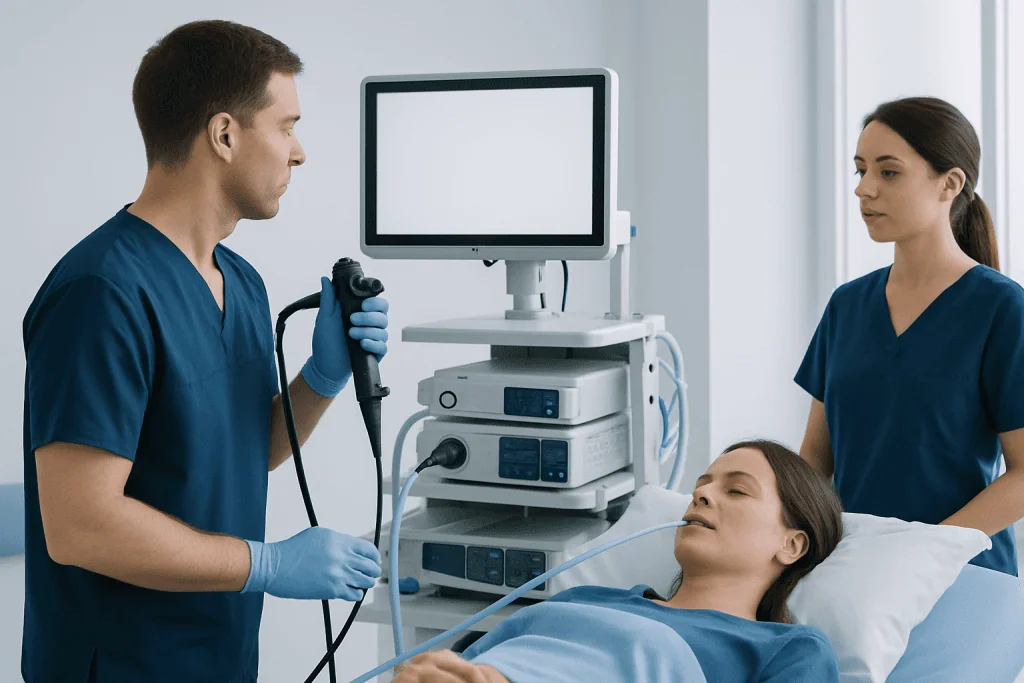
Doctors recommend bronchoscopy when they need direct information about the airways or need samples from deep inside the lungs. It is often used after a chest X-ray or CT scan shows an abnormality that requires further evaluation. Bronchoscopy can also help when symptoms continue despite routine tests or treatment.
Common reasons for bronchoscopy include a persistent cough, coughing up blood, unexplained wheezing, recurrent pneumonia, suspected infection, abnormal chest imaging, or a possible tumor. It may also be used to evaluate lung transplant patients, check airway injuries, or investigate narrowing of the airways. In intensive care settings, bronchoscopy may help clear secretions or guide treatment in patients who are ventilated.
Samples taken during bronchoscopy may be tested for bacteria, viruses, fungi, tuberculosis, inflammatory conditions, or cancer cells. These results can help the doctor choose the most appropriate treatment, such as antibiotics, antifungal medicines, cancer care, or further diagnostic procedures. The decision to perform bronchoscopy is based on the patient’s symptoms, imaging results, medical history, and overall health.
Types of Bronchoscopy and What Happens During the Procedure
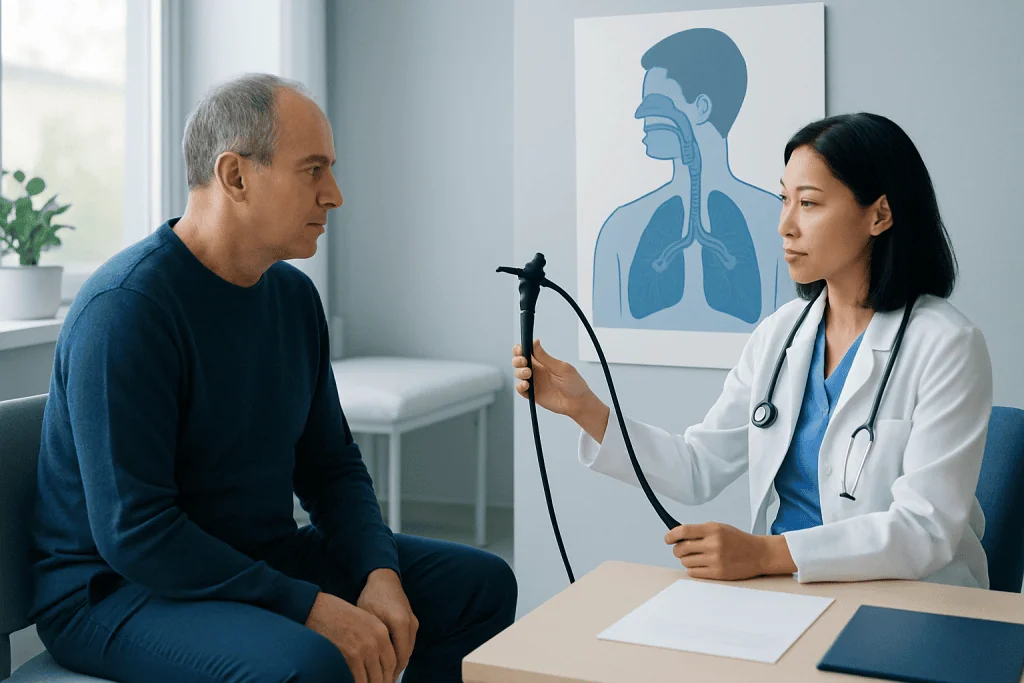
There are two main types of bronchoscopy: flexible and rigid. Flexible bronchoscopy is the most common type and uses a thin, bendable tube that can pass through smaller airways. Rigid bronchoscopy uses a wider, straight tube and is generally performed in an operating room under general anesthesia, often when larger instruments are needed or when a major airway blockage must be managed.
Before the procedure, the patient may receive a local anesthetic spray or gel to numb the throat, nose, or airway. Sedation is often given through a vein to reduce anxiety and discomfort, while oxygen and vital signs are monitored. The doctor then gently guides the bronchoscope into the airways and examines the lung passages on a video screen.
Depending on the reason for the procedure, the doctor may perform one or more sampling techniques. These can include bronchial washing, where sterile fluid is placed into a small area and collected; bronchoalveolar lavage, which samples deeper lung spaces; brushing of airway cells; or biopsy, where tiny tissue pieces are removed. Some centers also use ultrasound-guided bronchoscopy to sample lymph nodes or lesions near the airways.
The length of bronchoscopy varies depending on what needs to be done. A simple examination may be relatively short, while procedures that include biopsies, ultrasound guidance, or therapeutic steps may take longer. After the bronchoscope is removed, the patient is observed until breathing is stable and the sedative effects begin to wear off.
How to Prepare for Bronchoscopy
Preparation helps make bronchoscopy safer and more comfortable. Patients are usually asked not to eat or drink for several hours before the procedure, because an empty stomach reduces the chance of vomiting or aspiration while sedated. The healthcare team will give specific instructions based on the planned time of the procedure and the patient’s health needs.
It is important to tell the doctor about all medicines, supplements, allergies, and medical conditions. This is especially important for blood thinners, aspirin-like medicines, diabetes medicines, heart medicines, and any history of bleeding problems. Patients should not stop prescribed medicines unless their doctor specifically advises them to do so.
Before bronchoscopy, patients may need blood tests, lung function tests, a chest X-ray, CT scan review, or an electrocardiogram, depending on age, symptoms, and medical history. Anyone who is pregnant or may be pregnant should inform the care team. Patients should also mention previous reactions to anesthesia, sedation, latex, or antiseptic products.
Because sedation can affect coordination, memory, and judgment for the rest of the day, patients should arrange for a responsible adult to take them home. They should not drive, operate machinery, sign important documents, or drink alcohol after receiving sedation. Wearing comfortable clothing and leaving jewelry or valuables at home can make the day easier.
Benefits, Risks, and Safety Considerations
The main benefit of bronchoscopy is that it allows doctors to see the airways directly and obtain samples that cannot always be collected with routine tests. This can lead to a more accurate diagnosis and a more targeted treatment plan. In some cases, bronchoscopy can treat a problem immediately, such as removing a mucus plug or foreign body.
Bronchoscopy is generally considered safe when performed by trained specialists with appropriate monitoring. However, like any medical procedure, it has possible risks. These may include temporary sore throat, cough, hoarseness, nosebleed, fever, low oxygen levels, bronchospasm, bleeding after biopsy, infection, or reaction to sedation.
A small air leak around the lung, called pneumothorax, can occur after certain biopsies, especially if tissue is taken from the outer parts of the lung. If this is suspected, a chest X-ray may be performed after the procedure. Most complications are mild and manageable, but the care team will explain the risks that apply to the patient’s specific situation.
Risk can be influenced by existing lung disease, low oxygen levels, heart disease, bleeding disorders, infection, or the type of biopsy planned. This is why pre-procedure assessment is important. Patients should feel encouraged to ask what the bronchoscopy is expected to show, what alternatives exist, and how the results may affect their care.
Recovery After Bronchoscopy
After bronchoscopy, the patient rests in a recovery area while the healthcare team monitors breathing, oxygen level, pulse, and blood pressure. The throat may remain numb for a short time, so eating or drinking is usually delayed until the gag reflex returns. This helps prevent choking or food and liquid entering the airway.
Common short-term effects include a scratchy throat, hoarseness, mild cough, drowsiness, or a small amount of blood-streaked sputum, especially if a biopsy was taken. These symptoms often improve with rest, fluids once allowed, and following the doctor’s instructions. Patients should avoid smoking and heavy physical activity until their care team says it is safe.
If samples were taken, results may not be available immediately. Some tests, such as cultures for infection, may take longer because organisms need time to grow in the laboratory. The doctor will explain when to expect results and whether a follow-up visit, imaging test, or additional treatment is needed.
For the rest of the day, patients should plan a quiet recovery. They may feel less alert because of sedation, even if they think they are fully awake. A family member or caregiver can help monitor for symptoms, assist with meals, and make sure any written instructions are followed correctly.
When to See a Doctor and Follow-Up Care
Patients should contact their doctor promptly if they develop concerning symptoms after bronchoscopy. These include fever that does not resolve, worsening shortness of breath, chest pain, fainting, increasing wheezing, or coughing up more than a small amount of blood. Emergency care is appropriate if breathing becomes difficult or bleeding is heavy.
Follow-up is an important part of bronchoscopy because the value of the procedure often depends on interpreting results in context. The doctor may combine bronchoscopy findings with CT scans, blood tests, lung function testing, pathology reports, and microbiology results. Treatment may then include medicines, further testing, referral to another specialist, or a planned repeat procedure.
Patients who travel internationally for care should ask how biopsy results, culture reports, and follow-up recommendations will be shared after they return home. Acibadem International’s multidisciplinary specialists and JCI-accredited hospitals diagnose and treat respiratory conditions for international patients, including those who may need bronchoscopy as part of their evaluation.
Frequently asked questions
Is bronchoscopy painful?
Bronchoscopy is usually not painful because the throat and airway are numbed and sedation is commonly used. Patients may feel pressure, coughing, or mild discomfort during or after the procedure. A sore throat or hoarse voice can occur afterward and usually improves with time.
How long does a bronchoscopy take?
The procedure time depends on the reason for bronchoscopy and whether biopsies or ultrasound-guided sampling are needed. The actual examination may be relatively short, but preparation and recovery add extra time. Patients should expect to spend several hours at the medical facility.
Can a patient eat after bronchoscopy?
Patients should not eat or drink until the throat numbness wears off and the care team confirms it is safe. This helps prevent choking or aspiration. Once allowed, starting with small sips of water and light foods is often recommended.
What can bronchoscopy diagnose?
Bronchoscopy can help diagnose infections, inflammation, airway narrowing, bleeding sources, foreign bodies, and some cancers or precancerous changes. It can also help evaluate unexplained cough, abnormal imaging, or recurrent pneumonia. Laboratory testing of samples often provides the most specific information.
Is coughing blood normal after bronchoscopy?
A small amount of blood-streaked mucus can occur, especially if a biopsy or brushing was performed. However, larger amounts of blood, repeated bleeding, or bleeding with shortness of breath should be reported immediately. The care team should provide clear instructions on what amount is expected and when to seek help.
Will the patient be asleep during bronchoscopy?
Many flexible bronchoscopies are done with local numbing medicine and sedation, so the patient is relaxed and may remember little. Some procedures, especially rigid bronchoscopy or more complex interventions, are done under general anesthesia. The anesthesia plan depends on the patient’s condition and the purpose of the procedure.
When are bronchoscopy results available?
Some visual findings can be discussed soon after the procedure, but biopsy, cytology, and culture results may take several days or longer. Infection cultures may require additional time. The doctor will explain how results will be communicated and what follow-up is needed.
References
- American Thoracic Society
- British Thoracic Society
- National Heart, Lung, and Blood Institute
- European Respiratory Society
- Mayo Clinic
This article is for general information only and is not a substitute for professional medical advice. Please consult a qualified doctor about your individual situation.
Explore treatments in Turkey — costs, top hospitals & a free quote
JCI-accredited · board-certified surgeons · reply within 24h
Add us as a Preferred Source to see more of our trusted health content across Google Search, AI Overviews and Discover.
Check your numbers in seconds
BMI, calories, due date, blood pressure and 30+ more clinical calculators — free, instant, doctor-reviewed ranges.

More from the Health Library



Related Specialists

Prof. Dr. Derya Eroğlu
Gynecology & Obstetrics
Dr. Suna Ertok
Nuclear Medicine
Dr. Feyzi Kılıç
Orthopedic Surgery & Traumatology
Dyt. Hande Selin Ok
Nutrition & Diet