Acute Pancreatitis: Severe Upper Abdominal Pain and Hospital Care

Acute pancreatitis often causes severe pain in the upper abdomen that may spread to the back and worsen after eating. Gallstones and alcohol use are common causes, but high triglycerides, some medicines, procedures, infections, and other conditions may also be involved.
Key Takeaways
- Acute pancreatitis often causes severe pain in the upper abdomen that may spread to the back and worsen after eating.
- Gallstones and alcohol use are common causes, but high triglycerides, some medicines, procedures, infections, and other conditions may also be involved.
- Diagnosis usually includes blood tests for pancreatic enzymes and imaging tests such as ultrasound, CT, or MRI when needed.
- Treatment is usually provided in hospital and focuses on fluids, pain relief, nutrition support, monitoring, and managing complications or the cause.
- Urgent medical assessment is important for severe abdominal pain, persistent vomiting, fever, jaundice, faintness, or worsening symptoms.
Acute pancreatitis is a sudden inflammation of the pancreas that commonly causes intense upper abdominal pain, nausea, and vomiting. Most people recover with timely hospital care, careful monitoring, pain control, fluids, and treatment of the underlying cause.
Overview
Acute pancreatitis is sudden inflammation of the pancreas, an organ located behind the stomach. The pancreas helps digest food by producing enzymes and helps regulate blood sugar by producing hormones such as insulin. In acute pancreatitis, digestive enzymes become active too early and irritate the pancreas itself, leading to swelling, pain, and inflammation.
The condition can range from mild inflammation that settles within a few days to more serious illness that needs close monitoring. Because symptoms can be severe and complications may develop, acute pancreatitis is usually assessed and treated in a hospital setting. Hospital care allows doctors to control pain, give fluids safely, monitor organ function, and identify the cause.
Many people recover well, especially when the cause is found and treated. The recovery plan may include gallbladder treatment for gallstones, stopping alcohol, managing triglyceride levels, reviewing medicines, and follow-up care to reduce the chance of another episode.
Symptoms of Acute Pancreatitis
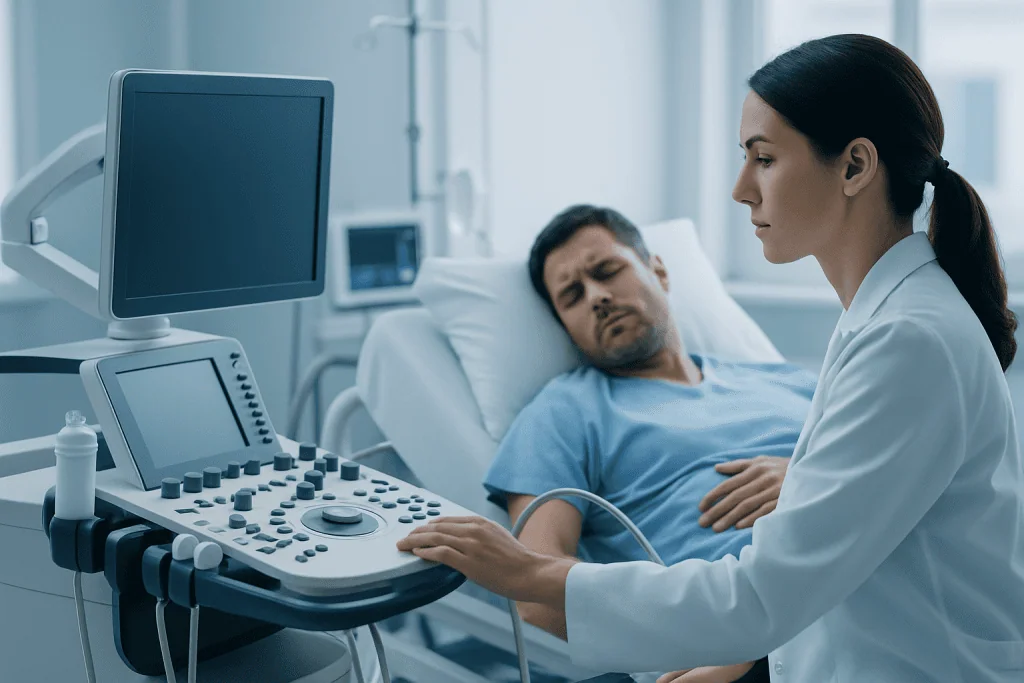
The most typical symptom is sudden, severe pain in the upper abdomen. The pain may be felt in the center or left upper abdomen and may spread through to the back. It can be constant, deep, and difficult to relieve, and some people notice that it becomes worse after eating, especially after fatty meals.
Other symptoms often occur with the pain. Nausea and vomiting are common, and some people feel bloated, weak, sweaty, or generally unwell. A fever, fast heartbeat, tenderness when the abdomen is touched, or a yellow color in the skin or eyes can suggest a more significant illness or a blocked bile duct.
Symptoms that may be seen include:
- Severe upper abdominal pain, sometimes radiating to the back
- Nausea, vomiting, and inability to keep fluids down
- Abdominal swelling or tenderness
- Fever, chills, or feeling faint
- Yellowing of the skin or eyes when bile flow is blocked
Not every person has the same pattern of symptoms. Older adults, people with diabetes, and people with other medical conditions may have less typical symptoms, which is one reason medical assessment is important when abdominal pain is intense or persistent.
Causes and Risk Factors

Gallstones are one of the most common causes of acute pancreatitis. A gallstone can move from the gallbladder and block the area where the bile duct and pancreatic duct empty into the small intestine. This blockage can cause pancreatic enzymes to back up and trigger inflammation.
Alcohol use is another important cause. Pancreatitis related to alcohol can occur after heavy drinking or repeated alcohol exposure over time, although individual risk varies. High triglyceride levels in the blood, high calcium levels, certain medicines, abdominal injury, infections, tumors, autoimmune disease, and complications after procedures such as ERCP can also contribute.
Risk factors include a history of gallstones, previous pancreatitis, smoking, heavy alcohol use, obesity, very high triglycerides, and some inherited conditions affecting the pancreas. In some cases, no clear cause is found after the first evaluation; this is sometimes called idiopathic pancreatitis. When the cause is unclear, doctors may recommend additional imaging or specialist review to look for less obvious explanations.
Diagnosis and Hospital Assessment
Diagnosis begins with a medical history and physical examination. The doctor will ask about the location and timing of pain, vomiting, alcohol use, gallbladder disease, medicines, recent procedures, and previous episodes. The abdomen is examined for tenderness, swelling, and signs that suggest another cause of pain.
Blood tests are central to diagnosis. Lipase, a pancreatic enzyme, is often significantly increased in acute pancreatitis and is commonly used to support the diagnosis. Other blood tests may check liver enzymes, bilirubin, kidney function, blood count, electrolytes, blood sugar, calcium, triglycerides, and markers of inflammation.
Imaging helps identify the cause and assess severity. An abdominal ultrasound is often used to look for gallstones or bile duct widening. CT scanning may be used when the diagnosis is uncertain, symptoms are severe, or complications are suspected, although it is not always needed immediately. MRI or MRCP can provide detailed views of the bile and pancreatic ducts in selected patients.
Doctors also assess how severe the episode is. This includes monitoring blood pressure, pulse, oxygen levels, urine output, pain, hydration, and laboratory trends. Severity assessment helps decide whether the patient can be managed on a regular hospital ward or needs higher-level monitoring.
Treatment Options in Hospital
Treatment for acute pancreatitis is mainly supportive at first, meaning the body is helped while the inflammation settles. Patients commonly receive intravenous fluids to correct dehydration, medicines for pain and nausea, and careful monitoring. Oxygen, blood sugar management, and electrolyte correction may be needed depending on the patient’s condition.
Nutrition is an important part of care. In the past, many patients were kept without food for long periods, but current care often supports early eating when pain and nausea improve. If a person cannot eat safely, nutrition may be provided through a feeding tube into the stomach or small intestine. Intravenous nutrition is reserved for selected cases when the digestive tract cannot be used.
Treatment also addresses the cause. If gallstones are responsible and a bile duct remains blocked, a procedure called ERCP may be needed to remove the obstruction. After gallstone pancreatitis, gallbladder removal is often recommended at an appropriate time to reduce recurrence risk. If high triglycerides are the cause, treatment focuses on lowering levels and controlling related conditions such as diabetes.
Antibiotics are not routinely used for uncomplicated acute pancreatitis because the inflammation is often not caused by infection. They may be used if there is evidence of infection, infected pancreatic tissue, cholangitis, or another bacterial problem. More severe cases may need intensive care, drainage of fluid collections, or specialist procedures, but these decisions are individualized.
Recovery, Prevention, and Self-Care
Recovery time depends on the severity of pancreatitis and the underlying cause. Mild cases may improve within several days, while severe inflammation or complications can require a longer hospital stay and gradual recovery after discharge. Follow-up appointments help confirm that symptoms are improving, nutrition is adequate, and the cause has been treated.
After recovery, prevention focuses on lowering the chance of another episode. People with gallstone pancreatitis may be advised to have the gallbladder removed when medically appropriate. People with alcohol-related pancreatitis are usually advised to avoid alcohol completely and seek support if stopping is difficult. Stopping smoking is also recommended because smoking can worsen pancreatic health.
Self-care steps should be personalized with a doctor, but may include:
- Following a balanced eating plan, often lower in fat during early recovery
- Drinking enough fluids unless a doctor advises fluid restriction
- Managing triglycerides, diabetes, and weight in a safe, supervised way
- Taking medicines only as prescribed and reviewing possible medicine-related causes
- Attending follow-up visits and reporting recurrent pain promptly
Patients should avoid restarting alcohol or making major diet changes without guidance, especially if they have diabetes, kidney disease, liver disease, or significant weight loss. A dietitian may help with meal planning when appetite is reduced or digestion feels sensitive after an attack.
When to See a Doctor
Severe upper abdominal pain should be assessed urgently, especially when it is constant, spreads to the back, or is accompanied by vomiting. A person should seek emergency care if they cannot keep fluids down, feel faint, have fever, develop confusion, notice yellowing of the skin or eyes, or have worsening pain after a previous pancreatitis episode.
Prompt care is also important for people with known gallstones, heavy alcohol use, very high triglycerides, pregnancy, recent ERCP, or significant medical conditions. These factors can influence both the cause and the safest treatment plan. Early evaluation helps doctors distinguish pancreatitis from other urgent conditions such as gallbladder infection, stomach ulcer complications, bowel obstruction, or heart-related pain.
Acibadem International’s multidisciplinary specialists and JCI-accredited hospitals diagnose and treat acute pancreatitis for international patients, including cases that require gastroenterology, surgery, intensive care, radiology, and nutrition support. As with any serious abdominal condition, decisions should be made with a qualified doctor who can assess the patient directly.
Frequently asked questions
Is acute pancreatitis a medical emergency?
Acute pancreatitis can become serious, so severe upper abdominal pain with vomiting, fever, faintness, or jaundice should be assessed urgently. Many people recover well, but hospital evaluation is important to confirm the diagnosis, manage pain and fluids, and monitor for complications.
What does pancreatitis pain feel like?
Pancreatitis pain is often a strong, steady pain in the upper abdomen that may spread to the back. It may worsen after eating and is commonly accompanied by nausea or vomiting. Because other conditions can cause similar pain, a doctor should evaluate severe or persistent symptoms.
Can acute pancreatitis be treated at home?
Initial treatment is usually done in hospital because patients may need intravenous fluids, pain control, blood tests, and monitoring. Mild cases may improve quickly, but the decision to discharge a patient safely depends on pain control, hydration, nutrition, and the cause of the episode.
Will pancreatitis come back?
It can recur, especially if the underlying cause is not treated. Gallbladder removal after gallstone pancreatitis, avoiding alcohol when alcohol is a factor, managing triglycerides, and stopping smoking can reduce recurrence risk. Follow-up care is important after the first episode.
Are antibiotics always needed for acute pancreatitis?
No. Acute pancreatitis is usually inflammation rather than a bacterial infection, so antibiotics are not routinely used for uncomplicated cases. They may be prescribed if doctors find evidence of infection, infected pancreatic tissue, bile duct infection, or another bacterial condition.
What foods should someone eat after acute pancreatitis?
Eating advice depends on the cause and severity, but many people start with small, low-fat, easy-to-digest meals as symptoms improve. A balanced diet with adequate protein and fluids supports recovery. People with diabetes, high triglycerides, or weight loss should ask their doctor or dietitian for individualized guidance.
References
- World Health Organization
- American College of Gastroenterology
- American Gastroenterological Association
- European Society of Gastrointestinal Endoscopy
- National Institute of Diabetes and Digestive and Kidney Diseases
This article is for general information only and is not a substitute for professional medical advice. Please consult a qualified doctor about your individual situation.
Pancreatitis in Turkey — costs, top hospitals & a free quote
JCI-accredited · board-certified surgeons · reply within 24h
Add us as a Preferred Source to see more of our trusted health content across Google Search, AI Overviews and Discover.

Gastroenterology
Diagnosis and treatment of the digestive system and liver, with advanced endoscopy.
46 specialists in this unit