

Gallstones After Gastric Sleeve Surgery

Rapid weight loss after gastric sleeve surgery can increase the chance of gallstones, especially during the first months after the operation. Many gallstones cause no symptoms and may not require treatment, but pain in the upper right abdomen, nausea, fever, or yellowing of the skin should be assessed promptly.
Key Takeaways
- Rapid weight loss after gastric sleeve surgery can increase the chance of gallstones, especially during the first months after the operation.
- Many gallstones cause no symptoms and may not require treatment, but pain in the upper right abdomen, nausea, fever, or yellowing of the skin should be assessed promptly.
- Ultrasound is commonly used to diagnose gallstones, while blood tests may help check for inflammation, infection, or bile duct blockage.
- Treatment may include observation, medication in selected cases, or laparoscopic gallbladder removal when symptoms or complications occur.
- Steady follow-up after bariatric surgery, hydration, balanced nutrition, and reporting new abdominal pain can support safer recovery.
Gallstones can develop after gastric sleeve surgery because rapid weight loss changes how bile is stored and released. Most people do not develop serious problems, but recognizing symptoms early helps doctors treat gallbladder issues safely and effectively.
Overview
Gallstones after gastric sleeve surgery are a known possible effect of rapid weight loss. The gallbladder is a small organ under the liver that stores bile, a fluid that helps digest fats. When weight changes quickly, bile can become more concentrated and the gallbladder may empty less regularly, allowing hard particles called gallstones to form.
Gastric sleeve surgery, also called sleeve gastrectomy, reduces the size of the stomach to support weight loss and improve obesity-related health conditions. It is one type of bariatric surgery and is often performed using minimally invasive techniques. While the operation focuses on the stomach, the rapid metabolic changes after surgery can affect the gallbladder as well.
Not every person who has gallstones will feel ill. Some stones are found incidentally on an ultrasound and never cause symptoms. Others may lead to pain after meals, nausea, inflammation of the gallbladder, or blockage of a bile duct. The goal is to identify which patients need monitoring and which need active treatment.
Why Gallstones Can Form After Gastric Sleeve Surgery

After gastric sleeve surgery, weight loss is often most rapid in the first several months. During this time, the liver releases extra cholesterol into bile as fat stores are broken down. If bile contains more cholesterol than it can dissolve, crystals may form and gradually become gallstones.
The gallbladder also needs regular stimulation to contract and empty. After surgery, patients eat smaller meals and may have a lower fat intake, especially early in recovery. This can reduce gallbladder emptying. When bile remains in the gallbladder for longer periods, stones are more likely to develop.
Hormonal changes related to weight loss may also play a role. Bariatric procedures can affect gut hormones, appetite, digestion, and bile flow. These changes are usually part of the body’s adaptation to surgery, but in some people they contribute to gallstone formation.
Symptoms of Gallstones After Weight Loss Surgery
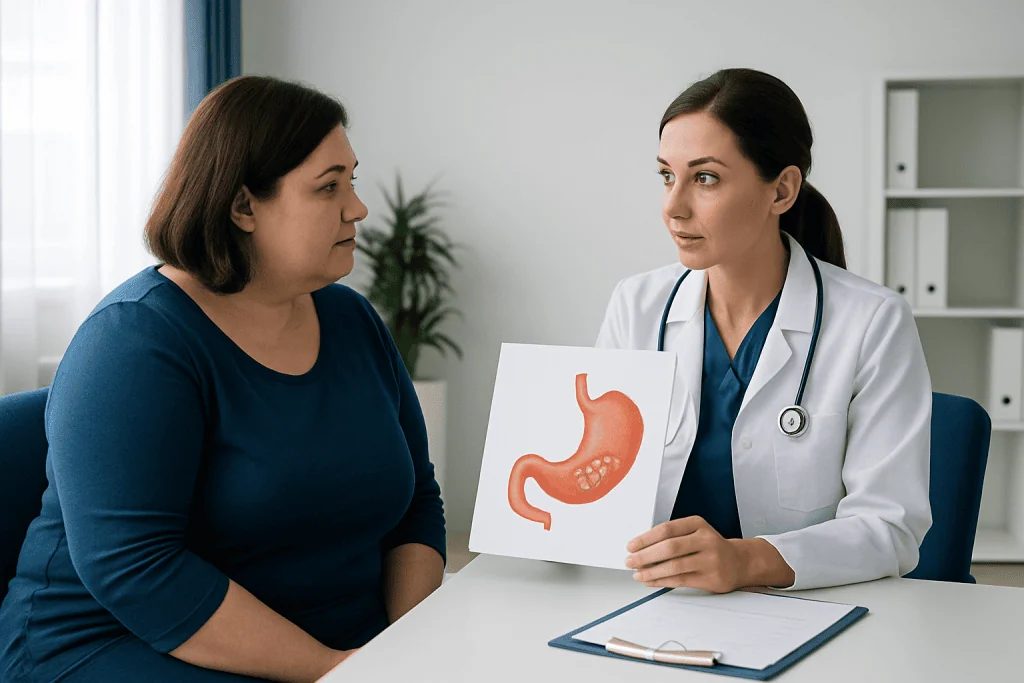
Gallstones may be silent, meaning they cause no symptoms. Silent stones are often discovered during imaging for another reason and usually do not require treatment unless problems develop. Symptomatic gallstones typically cause pain when a stone temporarily blocks the flow of bile from the gallbladder.
The classic symptom is biliary colic: a steady pain in the upper right abdomen or upper middle abdomen that may spread to the back or right shoulder. It can occur after eating, especially after a fatty meal, and may last from minutes to several hours. Nausea, vomiting, bloating, and indigestion can also occur, although these symptoms can overlap with other digestive changes after bariatric surgery.
Patients should seek medical advice promptly if symptoms suggest inflammation or blockage. Warning symptoms include:
- Severe or persistent upper abdominal pain
- Fever or chills
- Yellowing of the skin or eyes
- Dark urine or pale stools
- Repeated vomiting or inability to keep fluids down
Risk Factors
The main risk factor after sleeve gastrectomy is rapid weight loss. However, gallstones can occur even in people who lose weight gradually, and not all rapid weight loss leads to stones. A patient’s overall risk depends on several personal and medical factors.
People who had gallstones before surgery, a family history of gallbladder disease, or previous episodes of right upper abdominal pain may be more likely to develop symptoms. Other risk factors can include female sex, pregnancy history, older age, certain metabolic conditions, and higher body weight before surgery. The same factors that increase the chance of gallstones in the general population may remain relevant after surgery.
Dietary patterns after surgery may also influence symptoms. Very high-fat meals can trigger gallbladder contractions and pain if stones are present, while very low intake for long periods may reduce gallbladder emptying. This is why follow-up nutrition guidance after sleeve gastrectomy is important: the aim is not to avoid all fat, but to follow a balanced plan appropriate for the stage of recovery.
Diagnosis
Diagnosis begins with a careful medical history and physical examination. The doctor will ask about the timing, location, and pattern of pain, food triggers, fever, vomiting, and any signs of jaundice. It is also important to review the patient’s bariatric surgery timeline, weight loss rate, current diet, medications, and hydration status.
Abdominal ultrasound is the most commonly used test for gallstones. It can show stones in the gallbladder, gallbladder wall thickening, and sometimes signs of inflammation. Ultrasound is noninvasive and does not use radiation. In some cases, further imaging such as magnetic resonance cholangiopancreatography, computed tomography, or endoscopic ultrasound may be used if doctors suspect a stone in the bile duct or another cause of symptoms.
Blood tests may check liver enzymes, bilirubin, white blood cell count, and pancreatic enzymes. These results can help identify complications such as gallbladder inflammation, bile duct blockage, or pancreatitis. Because abdominal pain after bariatric surgery can have several causes, evaluation by a qualified clinician is important rather than assuming the gallbladder is always responsible.
Treatment Options
Treatment depends on whether gallstones are causing symptoms and whether complications are present. Silent gallstones often do not require immediate treatment. A doctor may recommend observation, education about symptoms, and routine follow-up, especially if the stones were found incidentally and the patient feels well.
For selected patients at higher risk of gallstones during rapid weight loss, doctors may consider a bile acid medicine such as ursodeoxycholic acid for prevention or early stone management. This decision depends on the patient’s medical history, local practice, and the bariatric team’s protocol. Patients should not start or stop medication without medical advice, as suitability varies.
When gallstones cause repeated pain, gallbladder inflammation, or complications, removal of the gallbladder may be recommended. This operation is called cholecystectomy and is commonly performed laparoscopically, using small incisions. The body can digest food without the gallbladder because bile continues to flow from the liver into the intestine, although some patients notice temporary changes in digestion after surgery.
If a stone is suspected in the common bile duct, doctors may need to remove it before or during gallbladder treatment using specialized endoscopic or surgical techniques. The safest sequence depends on the patient’s anatomy, test results, and previous operations. For international patients, Acibadem International’s multidisciplinary teams in JCI-accredited hospitals can evaluate gallbladder symptoms after bariatric procedures and coordinate digestive, surgical, and nutritional care when needed.
Prevention and Self-Care After Bariatric Surgery
Gallstones cannot always be prevented, but certain habits may support gallbladder and digestive health during weight loss. Patients should follow the nutrition plan provided by their bariatric team, progressing from liquids to soft foods and then balanced meals as advised. Skipping follow-up visits or making extreme diet changes can increase the chance of nutritional problems and may affect digestion.
Hydration is especially important after bariatric surgery. Dehydration can worsen nausea, constipation, and general recovery. Patients should sip fluids regularly as recommended by their team and report persistent vomiting or difficulty drinking. Protein intake, vitamin and mineral supplementation, and gradual activity are also part of a safe long-term plan.
Self-care steps that may help include:
- Keeping scheduled bariatric and nutrition follow-up appointments
- Reporting new upper abdominal pain rather than waiting for it to become frequent
- Avoiding very greasy meals, especially if they trigger symptoms
- Eating slowly and following portion guidance
- Maintaining regular physical activity as approved by the doctor
Patients considering alternatives or revisions to weight loss procedures should discuss individual risks and benefits with a specialist. Some options, such as gastric laparoscopic surgery, may be relevant depending on the condition being treated, but gallbladder decisions should be based on symptoms, imaging, and overall health.
When to See a Doctor
Patients should contact their bariatric surgeon, gastroenterologist, or primary doctor if they develop repeated pain in the upper right or upper middle abdomen, especially after meals. Even if the pain improves, recurrent episodes can suggest gallstones and should be evaluated. Early assessment can help avoid unnecessary discomfort and guide appropriate treatment.
Urgent medical care is needed for severe or persistent abdominal pain, fever, chills, yellowing of the skin or eyes, confusion, fainting, chest pain, or repeated vomiting. These symptoms do not always mean a serious complication is present, but they require timely evaluation. People who recently had bariatric surgery should also report any concerning symptoms because recovery-related issues and gallbladder problems can sometimes overlap.
Patients should bring their surgery records, medication list, supplement list, and recent weight-loss history to the appointment if possible. This information helps the medical team understand the full picture and choose suitable tests. With proper diagnosis and treatment, most gallbladder problems after sleeve surgery can be managed effectively.
Frequently asked questions
How common are gallstones after gastric sleeve surgery?
Gallstones are a recognized possible issue after gastric sleeve surgery, mainly because weight loss can be rapid in the first months. The exact risk varies by individual factors such as previous gallstones, sex, age, weight-loss speed, and medical history. A bariatric team can explain a patient’s personal risk and whether preventive steps are appropriate.
Do all gallstones after sleeve surgery need to be removed?
No. Gallstones that do not cause symptoms are often monitored rather than treated immediately. Treatment is more likely when stones cause repeated pain, gallbladder inflammation, bile duct blockage, or pancreatitis. The decision should be made with a doctor after examination and imaging.
What does gallbladder pain feel like after gastric sleeve?
Gallbladder pain often feels like a steady ache or pressure in the upper right abdomen or upper middle abdomen. It may spread to the back or right shoulder and may occur after meals. Because post-surgery digestive symptoms can have several causes, new or recurring pain should be checked by a clinician.
Can diet prevent gallstones after bariatric surgery?
Diet can support recovery, but it cannot fully prevent gallstones in every patient. Following the bariatric nutrition plan, staying hydrated, avoiding extreme dieting, and attending follow-up visits may help reduce digestive problems. Patients should not make major diet changes without guidance from their bariatric team.
Is gallbladder removal safe after gastric sleeve surgery?
Gallbladder removal, or cholecystectomy, is commonly performed laparoscopically and is a standard treatment for symptomatic gallstones. As with any surgery, the risks depend on the patient’s health, anatomy, previous operations, and the severity of gallbladder disease. A surgeon can explain the expected benefits, risks, and recovery plan.
Can gallstones cause nausea after gastric sleeve surgery?
Yes, gallstones can cause nausea, especially when they block bile flow temporarily or trigger gallbladder irritation. However, nausea after gastric sleeve surgery can also be related to eating too quickly, dehydration, reflux, food intolerance, or other causes. Persistent or worsening nausea should be discussed with a healthcare professional.
References
- American Society for Metabolic and Bariatric Surgery
- National Institute of Diabetes and Digestive and Kidney Diseases
- Society of American Gastrointestinal and Endoscopic Surgeons
- European Association for the Study of the Liver
- Mayo Clinic
This article is for general information only and is not a substitute for professional medical advice. Please consult a qualified doctor about your individual situation.
Gastric Sleeve Surgery in Turkey — costs, top hospitals & a free quote
JCI-accredited · board-certified surgeons · reply within 24h
Check your numbers in seconds
BMI, calories, due date, blood pressure and 30+ more clinical calculators — free, instant, doctor-reviewed ranges.

Related Treatments
Related Conditions
More from the Health Library



Related Specialists

Prof. Dr. Tayfun Karahasanoğlu
General Surgery
Prof. Dr. Güralp Onur Ceyhan
General Surgery
Prof. Dr. Volkan Özben
General Surgery
Assoc. Prof. Dr. Halil Kara
General Surgery