

What If Your Diagnosis Changes After Arriving in Turkey

Diagnosis changes after arriving in Turkey can happen after new tests; learn how updates affect your plan, costs, timing and support.
If your diagnosis changes after you arrive in Turkey, it can feel unsettling, but it is not unusual when specialists review new tests, imaging, or pathology in person. This guide explains what may happen next, how decisions are confirmed, and how Acibadem International can help you manage timing, communication, travel plans, and costs.
At a glance
- Main concern: Your treatment plan may need to be adjusted after in-person evaluation
- Common reasons: New imaging, lab results, pathology review, physical examination, or multidisciplinary opinion
- What to ask: What changed, why it matters, and which options are now recommended
- Practical impact: Timing, hospital stay, costs, travel dates, and companion plans may change
- Support available: Interpreters, international patient coordination, scheduling, and travel guidance
Why a diagnosis can change after you arrive
When you travel for care, your initial plan is usually based on records, scans, laboratory results, and reports shared before arrival. These are very helpful, but they may not tell the full story. Once you are seen in person, your specialist may request updated tests, repeat imaging, or a pathology review to confirm details that affect your care plan.
A changed diagnosis does not always mean the first assessment was wrong. Sometimes it means the condition has developed over time, the earlier records were incomplete, or a more detailed test gives a clearer picture. In other situations, the diagnosis remains similar but the stage, location, treatment priority, or safest approach changes.
At Acibadem International, international patients are often reviewed by specialist teams who may compare previous reports with current findings. This careful confirmation step is designed to help you start the right plan for your actual condition, rather than simply continuing with assumptions made before travel.
What usually happens first
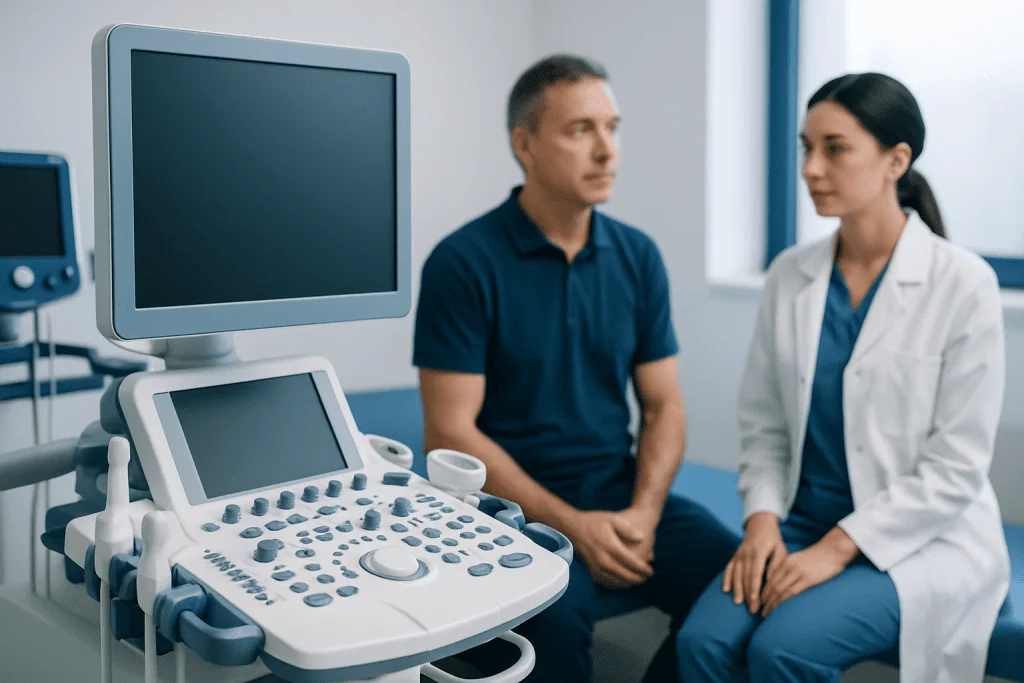
If your doctor sees something that may change your diagnosis, the team will usually pause before moving ahead with the original plan. You may be asked to complete additional tests, bring original images or pathology slides, or meet another specialist. This can feel like a delay, but it is often an important safety step before treatment begins.
You should expect clear communication about what is being checked and why. Ask your coordinator or interpreter to help you understand whether the change is minor, such as a different medication plan, or more significant, such as a different surgical approach or a recommendation for oncology, cardiology, neurology, or another specialty review.
In many cases, your international patient coordinator can help reorganize appointments on the same day or over the following days, depending on test availability and medical urgency. If your companion is helping you make decisions, ask for them to be included in discussions whenever possible.
How your treatment plan may be affected

A revised diagnosis can affect your plan in several practical ways. Your doctor may recommend a different procedure, a different sequence of care, a longer pre-treatment evaluation, or a less invasive option. In some cases, treatment may be postponed until results are confirmed; in others, the plan may move forward with adjustments.
Try to separate medical changes from logistics, even though both matter. First, understand the medical reason for the change. Then ask how it affects your schedule, hospital admission, expected recovery time, medication, follow-up appointments, and your return flight.
- Will the planned procedure still happen?
- Is another specialist opinion needed before a decision?
- Do you need new imaging, blood tests, biopsy review, or cardiac clearance?
- Does the change affect anesthesia, hospital stay, or aftercare?
- Should your return date or accommodation be adjusted?
Your team should give you time to ask questions before you consent to a new plan. If you need a written summary to share with family or a doctor at home, ask your coordinator whether this can be arranged.
Questions to ask before agreeing to a new plan
When plans change abroad, it is natural to feel pressure to decide quickly. Unless your situation is urgent, it is reasonable to ask for a calm explanation in your language and time to review the options. A good conversation should help you understand the benefits, risks, uncertainties, and practical impact of each choice.
Useful questions include: What exactly changed in my diagnosis? Which test or finding led to the change? Is this a confirmed diagnosis or still being investigated? What are the treatment options now, and what happens if I wait or return home for care?
You can also ask whether your case has been discussed with other specialists. In complex conditions, multidisciplinary review can be valuable because it brings together different perspectives. Acibadem’s JCI-accredited hospital environment supports coordinated care pathways, but your individual recommendation should always be explained in terms you understand.
Costs, quotes, and insurance when the diagnosis changes
A change in diagnosis may change the estimated cost of care. Your original quote may have been based on a specific procedure, number of hospital days, tests, medications, implants, or expected level of care. If the medical plan changes, the financial estimate may also need to be revised.
Before you approve additional testing or a new treatment plan, ask for an updated cost estimate whenever possible. It may not always be final, especially if the plan depends on test results or your hospital course, but it should help you understand the likely direction. If you are using international insurance, ask whether new pre-authorization is needed.
Your international patient team can help you communicate with relevant hospital departments and clarify payment steps. Keep copies of updated medical notes, invoices, test reports, and discharge documents, as these may be needed for reimbursement, second opinions, or follow-up care after you return home.
Travel, accommodation, and companion planning
Diagnosis changes can affect the practical side of your stay as much as the medical side. You may need extra nights in Istanbul or another Turkish city, a later return flight, a different hotel arrangement, or additional support from your companion. If your condition requires closer monitoring, your team may advise against traveling until you are medically cleared.
Before changing flights, ask your doctor whether there is a recommended safe-to-fly date and whether you need special documentation. Some airlines may require a medical fitness form after surgery, hospitalization, or certain acute conditions. Your coordinator can guide you on what documents to request, although airline rules vary.
If your companion has limited time in Turkey, discuss this early. You may need help with translation, mobility, medication organization, decision-making, or emotional support. Acibadem International’s patient services can assist with interpreters and practical coordination, but it is still helpful to decide who should receive updates and who can help you after discharge.
Emotional reassurance and decision-making
Hearing that your diagnosis has changed can be frightening, especially when you are far from home. You may feel confused, disappointed, or worried about costs and travel plans. These reactions are normal, and you do not need to process everything in one conversation.
Ask for the explanation to be repeated if needed. Use your interpreter, take notes, and request a short written summary of the new findings. If you want to speak with family before deciding, say so clearly; your team can usually help you understand which decisions are time-sensitive and which can wait.
The most important goal is to make an informed decision based on your current medical reality. A changed plan can be frustrating, but it can also prevent unnecessary treatment, reveal a safer option, or help your doctors focus on the care you truly need.
Step by step
- Pause and ask what changed. Before focusing on logistics, ask your doctor to explain the specific change in plain language. Clarify whether the diagnosis itself changed, or whether the severity, stage, location, or treatment priority has been updated.
- Request interpreter support. If English or Turkish is not your strongest language, ask for an interpreter before important conversations. Medical decisions are easier when you can understand the reasoning, risks, alternatives, and next steps clearly.
- Confirm which tests support the new diagnosis. Ask which imaging, laboratory result, pathology review, examination finding, or specialist opinion led to the update. If further tests are still pending, ask when results are expected and whether you should wait before deciding.
- Discuss your revised options. Ask what treatment paths are now available and how each one affects your expected stay, recovery, and follow-up. If the case is complex, ask whether another specialist or multidisciplinary review is recommended.
- Update costs and approvals. Request an updated estimate if the plan has changed from the original quote. If you use insurance or a sponsor, ask whether new approval is required before treatment or admission.
- Review travel and accommodation dates. Do not change flights until you understand the likely medical timeline and safe-to-travel advice. Ask whether you may need extra hotel nights, a medical fitness document, or companion support after discharge.
- Keep records for home follow-up. Collect updated reports, test results, imaging copies, prescriptions, invoices, and discharge notes. These documents can help your doctor at home continue care and can support insurance or reimbursement processes.
Your checklist
- Original medical reports, imaging files, and pathology materials if available
- Passport, visa documents, insurance details, and payment information
- A written list of current medications, allergies, and previous surgeries
- Contact details for your doctor or clinic at home
- Questions you want answered before accepting a revised plan
- Copies of updated test results and medical summaries from Turkey
- Flexible flight and accommodation arrangements when possible
- Companion contact information and permission preferences for sharing updates
- A small notebook or phone note for decisions, dates, and instructions
Key takeaways
- Diagnosis changes after arriving in Turkey can happen when new tests or specialist reviews provide clearer information.
- A revised plan may affect treatment choice, timing, hospital stay, costs, insurance approval, and return travel.
- You should ask for a plain-language explanation, interpreter support, and written documentation of the updated findings.
- Updated quotes and travel plans should be reviewed before you approve major changes whenever possible.
- Acibadem International can help coordinate appointments, interpreters, documentation, and practical arrangements during a changed plan.
Frequently asked questions
Is it common for a diagnosis to change after arriving in Turkey?
It can happen, especially when your specialist reviews updated imaging, blood tests, pathology slides, or examines you in person. Sometimes the change is small, such as adjusting the treatment sequence. Sometimes it is more significant and requires a new plan.
Does a changed diagnosis mean my previous doctor was wrong?
Not necessarily. Medical information can change over time, and earlier records may not include the most recent or detailed findings. A second review may also interpret the same information differently, especially in complex cases.
Can I still have the treatment I originally planned?
Possibly, but it depends on why the diagnosis changed and whether the original treatment is still appropriate. Your doctor should explain whether the planned treatment remains safe and useful, needs modification, or should be replaced by another approach.
What should I do if I do not understand the new diagnosis?
Ask for interpreter support and request that the explanation be repeated in simple terms. You can also ask for a written summary of the new findings, the recommended plan, and the reasons for the change. It is appropriate to take notes and involve a family member if you wish.
Will my cost estimate change if my diagnosis changes?
It may change if you need different tests, a different procedure, additional specialists, extra hospital days, or different medications. Ask for an updated estimate before moving forward whenever possible. If insurance is involved, confirm whether new authorization is required.
Should I change my return flight right away?
Wait until you understand the revised medical timeline and receive travel guidance from your care team. You may need extra time for tests, treatment, recovery, or follow-up before flying. Some situations may also require airline medical clearance documents.
Can I ask for another opinion within the hospital?
Yes, you can ask whether another specialist or a multidisciplinary team review is appropriate for your case. This is especially helpful when the diagnosis is complex or when several treatment options are possible. Your international patient coordinator can help you understand how such reviews are arranged.
How can Acibadem International help if my plan changes?
Acibadem International can support appointment coordination, interpreter services, updated documentation requests, and practical guidance for accommodation or travel changes. The medical decision remains with your treating specialists, but the international patient team helps you navigate the process more comfortably.
Add us as a Preferred Source to see more of our trusted health content across Google Search, AI Overviews and Discover.
More Patient Guides
When Is an In-Person Evaluation Needed Before Treatment in Turkey?
In-person evaluation before treatment in Turkey is needed when exams, imaging, or specialist review must confirm the safest plan.
9 min read
How to Organize Your Medical Records for a Faster Review in Turkey
Medical records for treatment in Turkey should be clear, complete, and translated where needed to speed review in Istanbul or across Turkey.
9 min read
When You May Need Pre-Travel Tests Before Treatment in Turkey
Pre-travel tests before treatment in Turkey may include blood work, imaging, heart checks, and infection screening, depending on your treatment plan.
9 min read