

Planning Safe Sightseeing Around Medical Treatment in Turkey

Safe sightseeing around medical treatment in Turkey means choosing low-effort plans around appointments, recovery advice, and travel support.
You can enjoy Turkey with more confidence when sightseeing is planned around your appointments, energy level, and medical instructions. This guide helps you choose gentle, practical activities before, between, and after treatment without making your trip feel rushed.
At a glance
- Best timing: Plan sightseeing before treatment or during medically cleared rest days
- Key rule: Your doctor’s instructions come before any tour plan
- Best pace: Short, flexible outings with seated breaks and private transport when possible
- Bring with you: Passport copy, hospital contact details, medication list, water, and sun protection
- Helpful support: International patient services, interpreters, and travel coordination can simplify logistics
Start with your treatment plan, then build the sightseeing around it
Turkey is rich in history, food, sea views, bazaars, and cultural landmarks, but your safest travel plan begins with your medical schedule. Before choosing museums, boat trips, shopping areas, or day tours, ask your care team which days are likely to be appropriate for light activity and which days should remain completely free for rest, tests, preparation, or observation.
Many international patients are tempted to fill every open hour because they have travelled far from home. A more comfortable approach is to treat sightseeing as an optional extra, not a fixed obligation. If your appointment finishes later than expected, if you feel tired, or if your doctor adjusts your medication or instructions, your plan should be easy to pause without stress.
At Acibadem International, international patient teams can help you understand the practical shape of your visit, including hospital appointment times, interpreter needs, transfers, and hotel coordination. They do not replace your doctor’s medical advice, but they can help you translate that advice into a more realistic daily plan.
Choose the right moment: before, between, or after appointments
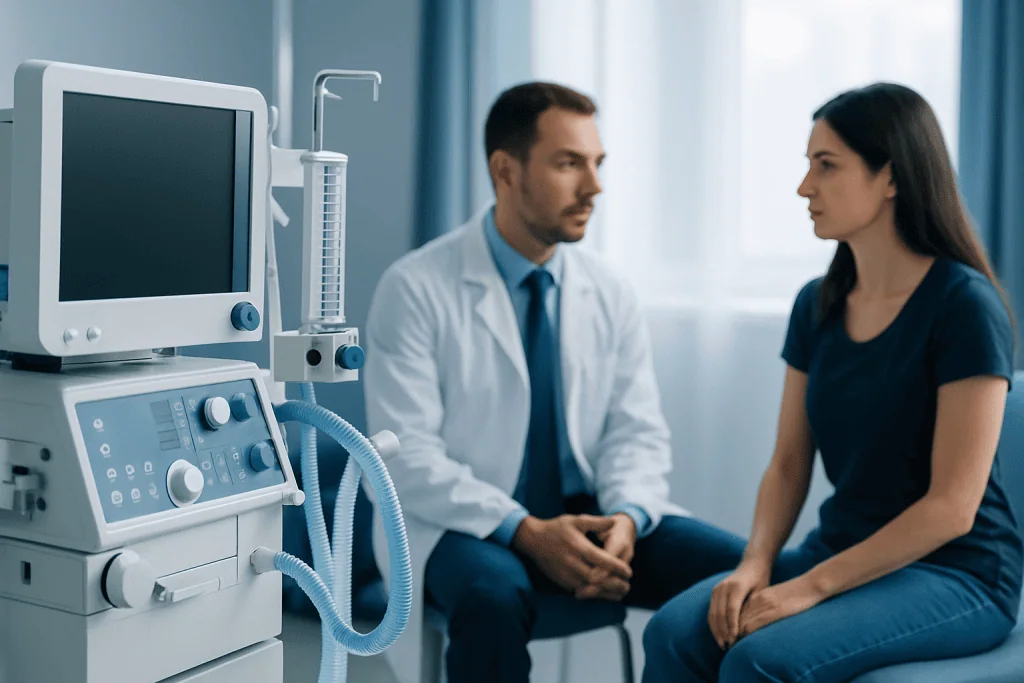
For many patients, the most comfortable sightseeing happens before treatment begins, especially if you arrive with enough time to rest after your flight. Gentle activities before appointments may help you feel oriented in the city, learn your hotel surroundings, and settle into local time. Keep these outings light, because fatigue from travel can still affect your comfort.
Between tests or consultations, plan only short, nearby activities. A café with a view, a quiet museum, a scenic drive, or a short walk in a flat area may be easier than a long walking tour. If you are waiting for results or preparing for a procedure, avoid anything that could delay your return to the hospital or interfere with fasting, medication, or rest instructions.
After treatment, the timing depends entirely on your recovery plan. Some patients may be advised to walk gently; others may need to avoid crowds, stairs, heat, lifting, bending, swimming, long journeys, or prolonged standing. Always ask what is allowed for your specific situation rather than relying on general travel advice.
Pick recovery-friendly places and activities
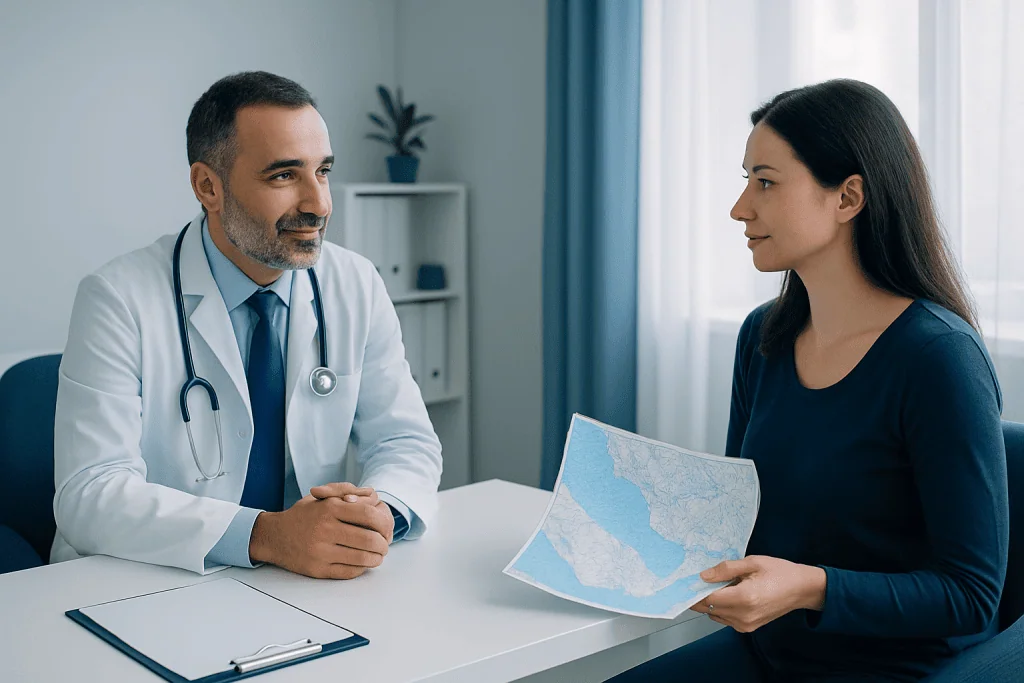
Safe sightseeing is less about seeing everything and more about choosing the right type of experience. Recovery-friendly activities are usually short, flexible, low-effort, and close to your hotel or hospital. They also offer places to sit, easy access to toilets, predictable transport, and the option to leave early.
In Istanbul and other Turkish cities, consider calm options such as a scenic car route, a short Bosphorus viewpoint visit, a relaxed meal near your hotel, a small museum during quieter hours, or a brief visit to a historic district with a driver waiting nearby. If you are in a coastal area, a shaded seaside promenade may be more suitable than a long beach day, depending on your medical instructions.
Be cautious with activities that sound simple but can become demanding. Large bazaars, old streets with steep slopes, crowded ferry terminals, long queues, hammams, boat trips in strong sun, and day tours with multiple stops may be tiring. If you want to include them, ask your care team first and build in a shorter version.
- Prefer seated, shaded, and flexible activities.
- Choose locations close to your hotel or hospital.
- Avoid tight schedules, long queues, and heavy walking.
- Check whether the venue has elevators, toilets, and easy vehicle access.
Plan transport as part of your safety strategy
Transport can make the difference between a pleasant outing and an exhausting one. After flights, consultations, tests, or treatment, you may not want to manage unfamiliar streets, language barriers, stairs, crowded public transport, or last-minute taxi searches. Private or pre-arranged transport can be especially helpful when you need to return at a specific time or avoid unnecessary walking.
Ask how long the journey is in real traffic, not just on a map. Istanbul traffic can change quickly depending on the time of day, weather, local events, and bridge or tunnel routes. A nearby attraction may still require a slow journey, while a well-planned scenic drive may be more comfortable than a crowded central destination.
If you are travelling with a companion, agree in advance on where you will be dropped off, where the driver will wait, and what you will do if you feel unwell. Keep your hospital contact number, hotel address, and appointment details accessible on your phone and on paper. International patient services at Acibadem can often advise on transfer coordination and practical timing around hospital visits.
Protect your energy, hydration, medication, and comfort
Your body may be using more energy than usual, even if you feel well. Medical travel often includes flights, time zone changes, emotional stress, new foods, hospital appointments, and disrupted sleep. Keep sightseeing gentle enough that you can still attend appointments, follow instructions, eat properly, and rest.
Carry only a light bag. Bring water if allowed, small snacks if they fit your medical plan, sun protection, a hat, tissues, hand sanitizer, and any medication you may need while out. If you have been given specific instructions about fasting, fluid restriction, wound care, compression garments, mobility limits, or avoiding certain foods, follow those instructions exactly.
Turkey can be hot in summer and busy during holidays, weekends, and evening hours. Heat and crowds may increase fatigue, dizziness, swelling, or discomfort for some patients. Plan outings earlier in the day or at quieter times, and return to your hotel before you are tired rather than after you are exhausted.
- Set a time limit before you leave.
- Take seated breaks before you feel tired.
- Keep medications in original packaging when possible.
- Do not skip meals, hydration, or prescribed rest to fit in a tour.
Know when to cancel, slow down, or call for help
A safe plan includes permission to cancel. If you have new pain, fever, dizziness, shortness of breath, bleeding, faintness, unusual swelling, nausea, worsening fatigue, or any symptom your doctor warned you about, do not continue sightseeing. Contact your care team or seek urgent medical help according to the instructions you were given.
You should also slow down if you feel emotionally overwhelmed. Medical travel can be intense, and not every day will feel like a holiday. A quiet hotel day, a short walk nearby, or room service with a view may be the wisest and most restorative option.
If you are being treated at a JCI-accredited Acibadem hospital, keep your patient coordinator’s contact details and hospital information close at hand. Ask before you leave which symptoms require immediate contact, which can wait until the next appointment, and whether there are any activity limits that apply specifically to you.
Step by step
- Share your travel hopes during planning. Before you arrive, tell your international patient coordinator if you hope to do light sightseeing. This helps the team understand your priorities and guide you toward realistic timing around consultations, tests, treatment, and follow-up.
- Ask your doctor what is safe for your situation. Do not rely on general advice from hotels, tour guides, friends, or online forums. Ask your doctor whether walking, stairs, heat, crowds, swimming, long drives, heavy meals, or alcohol should be avoided in your case.
- Leave buffer days in your itinerary. Avoid booking a packed schedule immediately before or after treatment. Buffer time protects you if appointments change, you need extra tests, your discharge timing shifts, or you simply need more rest than expected.
- Choose one simple outing at a time. Plan one short activity rather than several stops across the city. If you feel well afterward, you can add another gentle outing later; if you feel tired, you can return to rest without losing a full day of bookings.
- Arrange comfortable transport in advance. Use pre-arranged transfers or a trusted driver when possible, especially after treatment or when you have a fixed appointment time. Confirm pick-up points, waiting time, traffic expectations, and the fastest route back to your hotel or hospital.
- Carry essential information every time you go out. Keep your passport copy, hotel address, hospital contact number, medication list, allergies, and emergency contact details with you. It is also useful to save these details offline in case your phone battery or internet connection fails.
- Review your plan each morning. Your energy level can change from day to day during medical travel. Before going out, check your symptoms, medication timing, weather, traffic, appointment schedule, and whether you still feel comfortable with the plan.
Your checklist
- Doctor’s approval for the type and timing of sightseeing you are considering
- Clear appointment schedule with enough time for traffic and rest
- Hospital and patient coordinator contact details saved and printed
- Medication list, allergy information, and any medical instructions with you
- Comfortable shoes, loose clothing, sun protection, and a light bag
- Water or approved fluids, plus snacks only if permitted by your care plan
- Pre-arranged transport or a reliable way to return quickly
- A companion or driver who understands your limits and the plan
- Flexible bookings that can be changed or cancelled if you need rest
Key takeaways
- Plan sightseeing around medical instructions, not the other way around.
- The best outings are short, flexible, nearby, shaded, and easy to leave.
- Private or pre-arranged transport can reduce stress, walking, and timing problems.
- After treatment, always confirm activity limits with your doctor before going out.
- Keep hospital contacts, medication details, and emergency information with you.
- Rest days are part of a successful medical travel plan, not wasted time.
Frequently asked questions
Can I go sightseeing before my medical treatment in Turkey?
Often, light sightseeing before treatment may be easier than after treatment, especially if you arrive early and have recovered from your flight. Keep the first day gentle, avoid heavy walking, and make sure you know your appointment times. If you have fasting, medication, or pre-procedure instructions, follow them exactly.
Is sightseeing after treatment safe?
It depends on your procedure, diagnosis, general health, and recovery instructions. Some patients may be encouraged to take short walks, while others may need to avoid crowds, stairs, heat, bending, lifting, swimming, or long drives. Ask your doctor what is safe for you before making plans.
What are good low-effort sightseeing options in Istanbul?
Good options may include a short scenic drive, a quiet café with a view, a brief museum visit during less crowded hours, or a gentle walk near your hotel. Choose places with seating, toilets, shade, and easy car access. Avoid long queues and crowded areas if you are tired or have been advised to limit exposure.
Should I book tours before I travel?
It is better to avoid non-refundable or very demanding tours until your medical schedule is clear. If you book anything in advance, choose flexible options that can be changed or cancelled. Your appointment times, test results, treatment plan, or recovery needs may change.
Can Acibadem International help with sightseeing plans?
Acibadem International teams can help with practical travel coordination, hospital logistics, interpreters, accommodation support, and transfers related to your medical visit. They can also help you understand timing around appointments. For activity safety, your doctor’s medical instructions are the final guide.
What should I carry when I leave the hotel?
Carry your hospital contact details, hotel address, passport copy, medication list, allergy information, phone charger, water if permitted, and any prescribed medications you may need. Keep information both on your phone and on paper. If you are with a companion, make sure they know where everything is.
What should I do if I feel unwell while sightseeing?
Stop the activity, sit down safely, and contact your care team or seek urgent help according to your discharge or appointment instructions. Do not try to finish the tour if you have concerning symptoms such as chest pain, breathing difficulty, fainting, fever, bleeding, severe pain, or sudden swelling. Return to the hospital or hotel only if it is safe to do so.
Add us as a Preferred Source to see more of our trusted health content across Google Search, AI Overviews and Discover.
More Patient Guides
When Is an In-Person Evaluation Needed Before Treatment in Turkey?
In-person evaluation before treatment in Turkey is needed when exams, imaging, or specialist review must confirm the safest plan.
9 min read
How to Organize Your Medical Records for a Faster Review in Turkey
Medical records for treatment in Turkey should be clear, complete, and translated where needed to speed review in Istanbul or across Turkey.
9 min read
When You May Need Pre-Travel Tests Before Treatment in Turkey
Pre-travel tests before treatment in Turkey may include blood work, imaging, heart checks, and infection screening, depending on your treatment plan.
9 min read