

What to Wear to Hospital Appointments in Turkey

What to Wear to Hospital Appointments in Turkey: choose modest, comfortable layers, easy shoes and test-friendly clothing for clinics in Turkey or Istanbul.
Knowing what to wear to hospital appointments in Turkey helps you feel comfortable, move easily through check-in and tests, and respect local expectations without overthinking your outfit. This guide gives you practical clothing, footwear and packing tips for outpatient visits, imaging, consultations and follow-up appointments.
At a glance
- Best overall outfit: Comfortable layers, loose clothing and easy-to-remove shoes
- For imaging or tests: Avoid metal details, heavy jewelry and complicated fastenings
- Cultural comfort: Modest, neat clothing is widely appropriate in Turkey
- What to bring: ID, appointment papers, medications, water, charger and a light layer
- Support available: International patient teams can guide you on logistics and appointment flow
The simple rule: wear comfort, layers and access
For most hospital appointments in Turkey, the best clothing is comfortable, modest and easy to adjust. You may move between reception, consultation rooms, blood tests, imaging areas or billing desks, so choose an outfit that helps you sit, walk and wait without discomfort.
Think in layers rather than one heavy item. Hospitals are climate-controlled, but you may feel warmer after walking in from outside or cooler while waiting. A light cardigan, zip hoodie, scarf or loose jacket is useful because you can take it off quickly when a nurse needs to check your arm, blood pressure or temperature.
Access matters. If your appointment may involve an examination, blood test, injection or ultrasound, wear clothing that can be rolled up, opened or adjusted without needing to fully undress. Loose sleeves, elastic waistbands, front-opening tops and simple trousers often work better than tight jeans, jumpsuits or complicated dresses.
Modesty and local expectations in Turkey
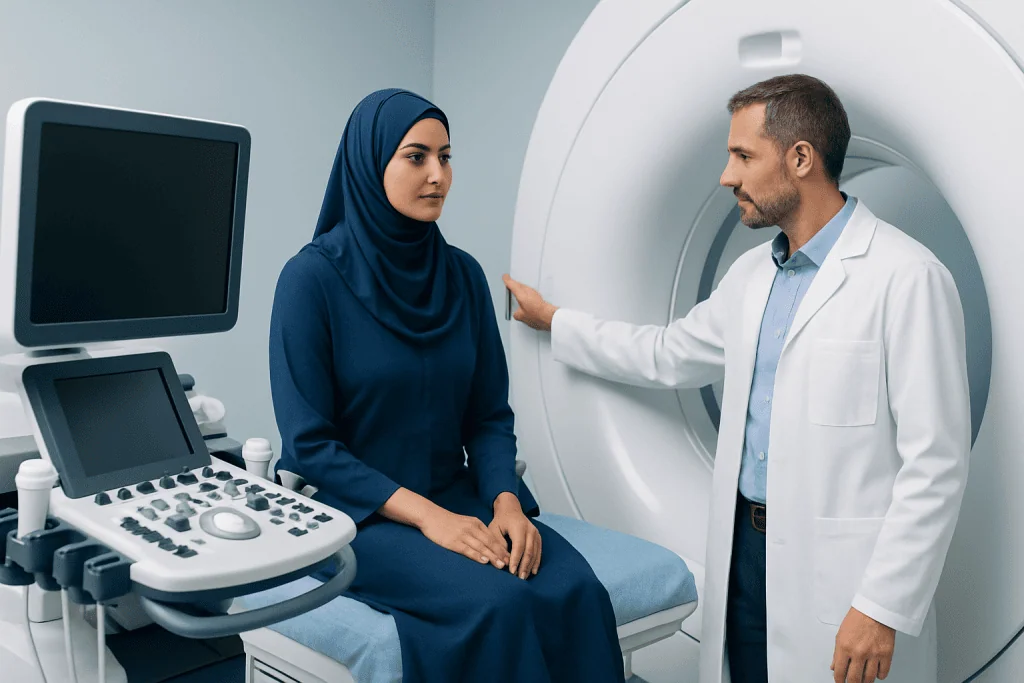
Turkey is used to welcoming international patients, especially in Istanbul and other major cities. In private hospitals and international clinics, you will see a wide range of clothing styles. Still, neat and modest clothing is a safe, respectful choice and can help you feel at ease in shared waiting areas.
You do not need formal clothing unless you prefer it. Clean casual clothes are appropriate: trousers, long skirts, jeans with stretch, simple tops, shirts, tunics, cardigans and comfortable dresses. Very revealing clothing, beachwear or overly tight outfits may feel less comfortable in a medical environment, particularly if you are moving between departments.
If you wear a headscarf, religious garment or culturally specific clothing, hospital teams are generally experienced in supporting your comfort and privacy. If an examination or imaging test requires a temporary adjustment, you can ask for a private area, a same-gender staff member where available, or interpreter support to explain your preferences clearly.
What to wear for consultations, tests and imaging

For a standard doctor consultation, wear something you can sit in comfortably for longer than expected. International appointments can include document checks, translation, medical history review and sometimes same-day tests, so it helps to dress for more than a quick conversation.
If you may have imaging such as X-ray, MRI, CT or ultrasound, avoid clothing with metal zippers, underwires, metal buttons, large buckles or decorative studs when possible. You may be asked to change into a gown depending on the test and body area being examined, but metal-free clothing can sometimes make the process smoother.
For blood tests, IV access, vaccinations or blood pressure checks, choose sleeves that roll above the elbow without becoming tight. For cardiology checks, comfortable two-piece clothing can be easier than a one-piece outfit. For orthopedics or physiotherapy assessments, wear clothing that lets the relevant joint or limb be examined and moved safely.
- Upper body appointment: loose top, front-opening layer, easy sleeves.
- Abdominal ultrasound: elastic waistband and a top that lifts easily.
- Knee, hip or foot appointment: relaxed trousers or shorts under a longer layer if you prefer modesty.
- Cardiology visit: two-piece outfit and minimal jewelry.
- Dental or eye appointment: avoid heavy makeup around the treatment area if advised.
Shoes, bags and small items that make a big difference
Hospitals can involve more walking than you expect. You may go from the main entrance to registration, then to a specialist clinic, laboratory, imaging department, pharmacy or cashier desk. Choose supportive shoes that are easy to walk in and easy to remove if needed.
Slip-on trainers, comfortable flats or low-heeled shoes are usually better than high heels, stiff new shoes or complicated laces. If you have swelling, foot pain or mobility concerns, wear shoes with enough room and bring any walking aid you normally use. Do not rely on the idea that it will be only a short visit.
Bring a practical bag that closes securely and keeps documents flat. A crossbody bag, small backpack or tote with compartments works well. Keep your passport or ID, appointment confirmation, insurance papers, payment method, medication list and phone charger easy to reach, rather than buried under clothes or toiletries.
Dressing for the season and hospital climate
Turkey has seasonal variation, and Istanbul weather can change during the day. Summer can be warm and humid, while winter can be cold, wet and windy. Your hospital outfit should work for both outdoor travel and indoor waiting areas.
In warmer months, choose breathable fabrics such as cotton, linen blends or soft athletic fabrics that do not cling. Add a light layer for air-conditioned areas. In cooler months, avoid bulky outfits that are difficult to remove; instead, use layers such as a thin thermal top, sweater and coat that can be taken off step by step.
If you are fasting for a test, recovering from travel or feeling anxious, you may be more sensitive to temperature. A scarf, shawl or light jacket can be comforting while you wait. Acibadem International patient teams and hospital staff can also help you understand where to go next so you are not walking around unnecessarily.
Clothing choices for privacy, mobility and companions
Your comfort includes privacy. If you are unsure whether you will need to change, bring or wear underwear that feels secure and appropriate under a gown. A long cardigan, loose shirt or shawl can help you feel covered while moving between areas if changing is required.
If you use a wheelchair, walker, brace, compression garment, stoma bag, catheter or medical device, dress around access and safety first. Avoid tight waistbands, narrow sleeves or clothing that pulls on tubing. If you are visiting a JCI-accredited Acibadem hospital, you can tell the international patient services team about mobility or accessibility needs before arrival so the appointment flow can be planned more comfortably.
Companions should also dress practically. They may spend time waiting, walking between departments or helping with documents. Comfortable shoes, modest casual clothing and a light layer are just as useful for a family member or friend accompanying you.
Step by step
- Check what type of appointment you have. Before choosing your outfit, confirm whether the visit is a consultation, imaging test, blood test, pre-operative assessment or follow-up. If you are unsure, ask your coordinator or the hospital contact whether you may need to change clothes or expose a specific body area for examination.
- Choose a loose two-piece outfit. A top and trousers, skirt or loose leggings usually give more flexibility than a jumpsuit or fitted dress. Two-piece clothing makes it easier to access your arm, abdomen, chest, back or leg while keeping the rest of you covered.
- Add a removable layer. Bring a cardigan, zip jacket, shawl or light sweater even in warm weather. You can adjust to air conditioning, waiting times and examination needs without feeling too hot or too cold.
- Keep metal and jewelry minimal. If imaging is possible, metal details can slow things down or require removal. Wear minimal jewelry, avoid underwired bras if appropriate for your appointment, and choose clothing without large buckles or metal decorations.
- Wear safe, comfortable shoes. Pick shoes you can walk in confidently across hospital corridors and entrances. If you may need to remove them, choose a pair that comes off easily but still supports your feet.
- Pack documents and essentials in an organized bag. Keep your passport or ID, appointment details, previous reports, medication list and payment or insurance information together. Add a phone charger, glasses, hearing aids, water if allowed, and any regular medications you may need during the day.
- Tell the team about special clothing or access needs. If you need privacy for religious clothing, help changing, wheelchair access or support with a medical device, share this in advance when possible. International patient teams, interpreters and nursing staff can help you communicate preferences clearly and respectfully.
Your checklist
- Loose top with sleeves that roll up easily
- Comfortable trousers, skirt or leggings with a flexible waistband
- Light removable layer such as a cardigan, shawl or zip jacket
- Supportive shoes suitable for walking and waiting
- Minimal jewelry and no unnecessary metal accessories
- Passport or ID, appointment confirmation and medical reports
- Medication list and any medicines you may need that day
- Phone, charger, glasses, hearing aids and other personal aids
- Small secure bag for documents and valuables
- Interpreter or coordinator contact details if you are an international patient
Key takeaways
- The best hospital outfit in Turkey is modest, comfortable, layered and easy to adjust.
- Two-piece clothing is usually more practical than jumpsuits, tight dresses or complicated fastenings.
- For tests or imaging, avoid unnecessary metal details and wear items that are easy to remove.
- Supportive shoes and an organized document bag make hospital visits much smoother.
- Acibadem International teams can help with interpreters, appointment flow, mobility needs and practical questions before you arrive.
Frequently asked questions
Do I need to dress formally for a hospital appointment in Turkey?
No. Clean, neat casual clothing is appropriate for most hospital appointments. Focus on comfort, modesty and easy access for examination or tests rather than formal style.
Is it acceptable to wear shorts or sleeveless tops?
In many private hospital settings, you may see different clothing styles, especially in summer. However, modest clothing usually feels more comfortable in shared areas, so longer shorts, a light overshirt or a cardigan can be a practical compromise.
What should I wear if I am having an MRI or other imaging test?
Wear clothing with minimal metal, such as no large zippers, buckles, studs or underwires. The imaging team will tell you if you need to change into a gown or remove jewelry, watches, belts or other items.
Can I wear jewelry to my appointment?
It is best to keep jewelry minimal. You may be asked to remove it for imaging, surgery-related assessments or some examinations, and it is easier to avoid bringing valuable items unless necessary.
What should my companion wear?
Your companion should dress comfortably and modestly, with shoes suitable for walking and waiting. They may help with documents, move between departments or spend time in waiting areas, so layers are useful for them too.
What if I wear religious clothing or need privacy to change?
Tell the care team or international patient coordinator about your preferences. Hospitals that regularly support international patients, including Acibadem International hospitals, are familiar with privacy needs and can help arrange respectful communication and practical support where possible.
Should I bring extra clothes to the hospital?
For a routine consultation, extra clothes are usually not necessary. If your appointment may include a procedure, long testing day or possible admission, bring a small change of comfortable clothing and ask your coordinator what is recommended.
Add us as a Preferred Source to see more of our trusted health content across Google Search, AI Overviews and Discover.
More Patient Guides

How to Sleep Better in Turkey Before and After Treatment
Sleep better in Turkey before and after treatment with simple tips on timing, room comfort, routines and recovery planning in Istanbul.
9 min read
How to Plan Meals Around Surgery and Recovery in Turkey
Plan meals around surgery and recovery in Turkey with simple timing, hydration, shopping, and hotel tips for a smoother treatment trip.
9 min read
Medical Power Adapters and Device Charging in Turkey: Patient Guide
Medical power adapters and device charging in Turkey usually require Type C or F plugs and 220–240V power. Bring the right adapter…
8 min read