Chest Pain After Heart Bypass Surgery: Healing Pain or Warning Sign?

Mild to moderate chest soreness after bypass surgery is often related to healing of the breastbone, muscles, nerves, and incision. Pain that is crushing, worsening, associated with shortness of breath, sweating, fainting, fever, or wound drainage needs urgent medical advice.
Key Takeaways
- Mild to moderate chest soreness after bypass surgery is often related to healing of the breastbone, muscles, nerves, and incision.
- Pain that is crushing, worsening, associated with shortness of breath, sweating, fainting, fever, or wound drainage needs urgent medical advice.
- Recovery pain usually improves gradually, while warning-sign pain often feels new, intense, different, or progressive.
- Doctors may use an examination, ECG, blood tests, chest imaging, echocardiography, or other tests to identify the cause.
- Cardiac rehabilitation, safe activity, wound care, breathing exercises, and medication adherence support recovery.
Chest pain after heart bypass surgery is common during recovery, especially around the incision, breastbone, ribs, and muscles. However, certain patterns of pain can signal a heart, lung, wound, or blood clot problem and should be assessed promptly.
Overview
Chest pain after heart bypass surgery can be unsettling, but it is not always a sign that something is wrong with the heart. During heart bypass surgery, the chest wall, breastbone, muscles, nerves, and skin may all need time to heal. This can cause soreness, tightness, burning, pulling, or tenderness for several weeks, and sometimes longer.
The key question is whether the pain fits a normal healing pattern or whether it suggests a complication that needs medical attention. Healing pain usually becomes a little better week by week, is often linked to movement, coughing, deep breathing, or the incision area, and improves with the recovery plan recommended by the surgical team.
Warning-sign pain is different. It may be severe, new, worsening, pressure-like, or associated with symptoms such as shortness of breath, dizziness, sweating, fever, palpitations, leg swelling, or wound changes. Because every patient has a different medical history, any concerning or unfamiliar chest pain after bypass surgery should be discussed with a qualified doctor.
What Healing Pain Can Feel Like
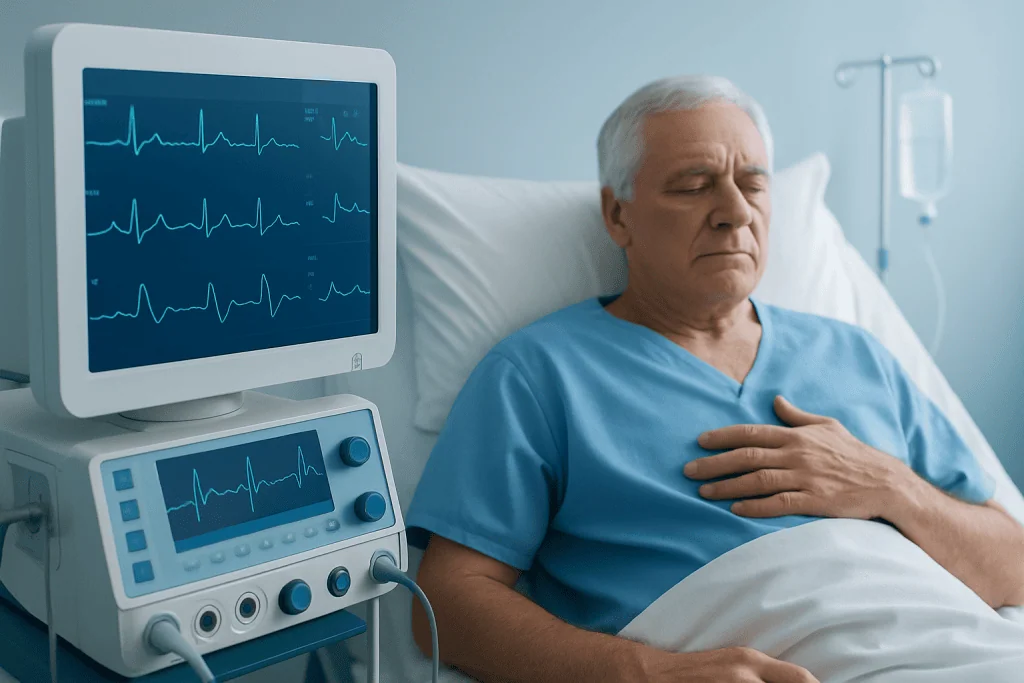
Many patients describe normal post-surgical chest discomfort as soreness across the breastbone, aching in the shoulders or upper back, tenderness around the incision, or a pulling sensation when changing position. If the breastbone was opened during surgery, the area may feel sensitive when coughing, laughing, reaching, or getting out of bed. This does not necessarily mean the heart is being harmed.
Some people notice numbness, tingling, burning, or sharp brief pains near the incision. These sensations can occur when small nerves in the skin and chest wall are irritated or healing. The discomfort may come and go, and it often becomes less intense as swelling settles and the tissues recover.
Healing pain is generally more predictable. It may be triggered by movement, pressure on the chest, deep breathing, or a long day of activity. It should gradually improve over time and should not be accompanied by major symptoms such as fainting, severe breathlessness, cold sweating, or a feeling of impending collapse.
Warning Signs That Need Urgent Attention
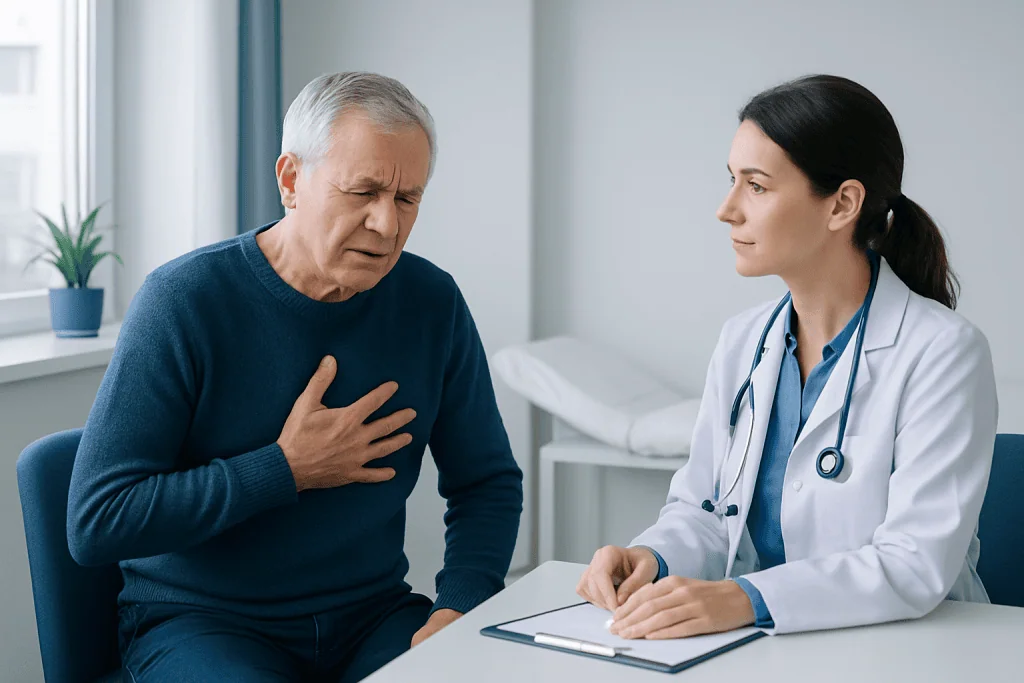
Some types of chest pain after bypass surgery should be treated as urgent until a doctor confirms the cause. Patients should seek emergency care if chest pain is severe, crushing, heavy, or similar to the angina they had before surgery, especially if it spreads to the arm, jaw, back, neck, or shoulder. Pain with shortness of breath, fainting, confusion, cold sweating, or marked weakness also requires immediate assessment.
Other warning signs may point to infection, lung problems, rhythm problems, or blood clots. Fever, chills, increasing redness or drainage from the incision, a clicking or unstable feeling in the breastbone, sudden sharp pain with breathing, coughing blood, or new swelling in one leg should not be ignored. Rapid or irregular heartbeat, persistent dizziness, and sudden worsening fatigue also need medical review.
- Call emergency services for severe, persistent, or pressure-like chest pain.
- Contact the surgical team promptly for wound changes, fever, or increasing pain around the incision.
- Seek urgent care for sudden breathlessness, fainting, or symptoms of a possible clot.
- Do not drive oneself to the hospital during severe or unexplained chest pain.
Possible Causes and Risk Factors
The most common causes of chest pain after bypass surgery are related to healing. These include sternotomy pain from the breastbone, muscle strain, rib and cartilage irritation, incision tenderness, and nerve-related discomfort. Coughing, poor posture, sleeping in one position, or doing too much activity too soon can make these pains more noticeable.
There are also medical causes that require attention. Fluid around the lungs, pneumonia, inflammation around the heart, irregular heart rhythms, wound infection, blood clots, or reduced blood flow to the heart can all cause chest symptoms. Although bypass grafts are intended to improve blood supply, patients can still develop heart-related symptoms, especially if they have ongoing coronary artery disease or other risk factors.
Risk factors for concerning pain include diabetes, smoking, kidney disease, uncontrolled blood pressure, obesity, chronic lung disease, a history of blood clots, and complex or repeat heart surgery. People who had coronary artery bypass surgery may also have other conditions, such as high cholesterol or hypertension, that need long-term management to protect the heart and blood vessels.
How Doctors Diagnose the Cause
When a patient reports chest pain after bypass surgery, the doctor first looks at timing, location, severity, triggers, and associated symptoms. The examination may include checking blood pressure, pulse, oxygen level, temperature, the lungs, heart sounds, leg swelling, and the surgical wound. Details such as whether the pain changes with movement or breathing can help separate chest wall pain from heart or lung causes.
Common tests may include an electrocardiogram, blood tests for heart strain or inflammation, chest X-ray, echocardiography, or blood tests for infection. If a lung clot, fluid collection, graft problem, or other complication is suspected, more advanced imaging may be needed. The exact choice of tests depends on the patient’s symptoms, surgery type, and overall risk.
Patients should bring an updated medication list and information about the operation, discharge instructions, and recent symptoms. Clear information helps the care team decide whether pain is part of normal recovery, related to medications or activity, or due to a complication that needs treatment.
Treatment Options
Treatment depends on the cause of the pain. For expected healing discomfort, doctors may recommend prescribed or approved pain relievers, careful wound support when coughing, gradual movement, breathing exercises, and avoiding heavy lifting until cleared. Patients should not change heart medications, blood thinners, or pain medicines without medical advice.
If pain is caused by infection, fluid around the lungs, pericardial inflammation, arrhythmia, or reduced blood flow, treatment will be more specific. This may involve antibiotics, anti-inflammatory treatment, rhythm monitoring, drainage of fluid, medication adjustment, or further cardiac evaluation. Suspected emergencies such as a heart attack, pulmonary embolism, or serious rhythm disturbance require urgent hospital care.
Structured cardiac rehabilitation can be an important part of recovery. It typically combines supervised exercise, education, risk factor control, nutrition guidance, emotional support, and safe return-to-activity planning. It can also help patients understand which sensations are expected during recovery and which should be reported.
Prevention and Self-care During Recovery
Good self-care helps reduce preventable discomfort and supports healing. Patients are usually advised to follow their discharge instructions closely, take medications as prescribed, keep follow-up appointments, and protect the breastbone while it heals. Activity should increase gradually rather than suddenly, because doing too much too soon can increase chest wall pain and fatigue.
Breathing exercises, gentle walking, and posture awareness can help prevent stiffness and lung complications. If a patient has been given a pillow or technique to support the chest while coughing or sneezing, using it as instructed may reduce pain. Incision care is also important: the wound should be kept clean and monitored for redness, warmth, swelling, drainage, or opening.
- Avoid lifting, pushing, or pulling more than the surgical team allows.
- Report increasing pain rather than simply resting for many days without advice.
- Manage risk factors such as blood pressure, cholesterol, diabetes, and smoking with professional support.
- Ask when it is safe to drive, climb stairs, return to work, travel, and resume sexual activity.
When to See a Doctor
Patients should contact their doctor if chest pain is not improving, is interfering with sleep or walking, or feels different from their usual healing pain. Medical advice is also needed for fever, wound drainage, increasing swelling, persistent cough, new palpitations, unexplained weight gain, or worsening shortness of breath. It is better to ask early than to wait until symptoms become more difficult to treat.
Emergency care is needed for chest pressure or tightness that is severe, persistent, or accompanied by sweating, nausea, breathlessness, fainting, or pain spreading to the arm, jaw, back, or neck. Sudden sharp chest pain with breathing, coughing blood, or one-sided leg swelling also needs urgent evaluation.
For international patients, Acibadem International’s multidisciplinary specialists and JCI-accredited hospitals diagnose and treat post-bypass symptoms, including wound, rhythm, lung, and cardiac concerns. Patients should still follow the immediate emergency instructions provided by their own surgical team and local healthcare system.
Frequently asked questions
Is chest pain normal after heart bypass surgery?
Some chest pain or soreness is common after heart bypass surgery, especially around the incision, breastbone, ribs, shoulders, or upper back. It is usually related to healing and should gradually improve. Pain that is severe, worsening, pressure-like, or linked with breathlessness, sweating, fainting, or fever should be checked urgently.
How long can chest soreness last after bypass surgery?
Many patients feel noticeable soreness for several weeks, and the breastbone may take longer to heal fully. Some nerve-related sensations, such as numbness or tingling, can last for months but often become less bothersome over time. The surgical team can explain what is expected for the person’s specific operation and recovery.
How can a patient tell the difference between healing pain and heart pain?
Healing pain often changes with movement, coughing, deep breathing, or pressure near the incision and tends to improve gradually. Heart-related pain may feel like pressure, squeezing, heaviness, or burning and may spread to the arm, jaw, back, neck, or shoulder. Because symptoms can overlap, any new, intense, or uncertain chest pain should be assessed by a doctor.
What should a patient do if chest pain returns after leaving the hospital?
If the pain is mild and similar to expected incision or muscle soreness, the patient should follow the discharge instructions and contact the care team if it does not improve. If the pain is severe, persistent, pressure-like, or comes with shortness of breath, sweating, fainting, nausea, or radiating pain, emergency medical care is needed. The patient should not drive themselves during a possible emergency.
Can coughing or deep breathing cause chest pain after bypass surgery?
Yes, coughing, sneezing, and deep breathing can temporarily increase chest wall or breastbone discomfort after surgery. However, breathing exercises and coughing are often important for keeping the lungs clear. Patients should use the support techniques recommended by their care team and report sharp, worsening, or breathless pain.
Can anxiety cause chest pain after bypass surgery?
Anxiety can contribute to chest tightness, rapid heartbeat, muscle tension, and heightened awareness of normal healing sensations. However, chest pain after heart surgery should not automatically be assumed to be anxiety. A doctor should evaluate new, severe, or concerning symptoms, especially if they are associated with shortness of breath, dizziness, sweating, or palpitations.
When can normal activity resume after bypass surgery?
Return to activity is gradual and depends on the surgery, healing of the breastbone, overall fitness, and any complications. Walking is often encouraged early, while lifting, driving, and strenuous exercise usually require clearance from the surgical team. Cardiac rehabilitation can provide a safer, structured path back to daily activities.
References
- American Heart Association
- Society of Thoracic Surgeons
- European Society of Cardiology
- National Heart, Lung, and Blood Institute
- Mayo Clinic
This article is for general information only and is not a substitute for professional medical advice. Please consult a qualified doctor about your individual situation.
Heart Bypass Surgery in Turkey — costs, top hospitals & a free quote
JCI-accredited · board-certified surgeons · reply within 24h
Check your numbers in seconds
BMI, calories, due date, blood pressure and 30+ more clinical calculators — free, instant, doctor-reviewed ranges.