OHSS in IVF: Symptoms, Risk Factors, and Prevention

OHSS occurs when the ovaries over-respond to fertility medications, causing enlarged ovaries and fluid shifts in the body. Mild bloating and pelvic discomfort can happen during IVF, but rapid weight gain, increasing abdominal swelling, vomiting, shortness of breath, or reduced urination need prompt medical advice.
Key Takeaways
- OHSS occurs when the ovaries over-respond to fertility medications, causing enlarged ovaries and fluid shifts in the body.
- Mild bloating and pelvic discomfort can happen during IVF, but rapid weight gain, increasing abdominal swelling, vomiting, shortness of breath, or reduced urination need prompt medical advice.
- Higher risk is associated with polycystic ovary syndrome, high ovarian reserve, younger age, previous OHSS, and a strong response to stimulation.
- Prevention strategies include individualized medication doses, ultrasound and hormone monitoring, adjusted trigger medications, and sometimes freezing all embryos for later transfer.
- Patients should follow their fertility clinic’s instructions closely and contact their care team before using over-the-counter medicines or changing fluid intake.
Ovarian hyperstimulation syndrome, or OHSS, is a possible complication of ovarian stimulation during IVF and some other fertility treatments. With individualized medication planning, careful monitoring, and early reporting of symptoms, most cases can be prevented or managed safely.
Overview
Ovarian hyperstimulation syndrome, commonly called OHSS, is a condition that can occur when the ovaries respond strongly to medications used to stimulate egg development. It is most often discussed in relation to IVF treatment, although it can also occur with other fertility treatments that use injectable hormones. In OHSS, the ovaries become enlarged and release substances that make blood vessels more “leaky,” allowing fluid to move from the bloodstream into the abdomen and, rarely, other spaces in the body.
Most people who undergo ovarian stimulation do not develop severe OHSS. Mild symptoms such as bloating, a sense of fullness, or pelvic heaviness can overlap with normal IVF side effects. The important point is that OHSS is monitored for carefully during modern fertility care, and clinicians can often reduce the risk by tailoring medications, adjusting the trigger injection, and planning embryo transfer timing appropriately.
OHSS may appear shortly after the ovulation trigger injection, after egg retrieval, or later if pregnancy occurs because pregnancy hormones can continue to stimulate the ovaries. Patients are encouraged to report changes early rather than wait for symptoms to become intense. Early communication helps the fertility team decide whether reassurance, closer monitoring, medication changes, or in-person assessment is needed.
OHSS Symptoms and Severity
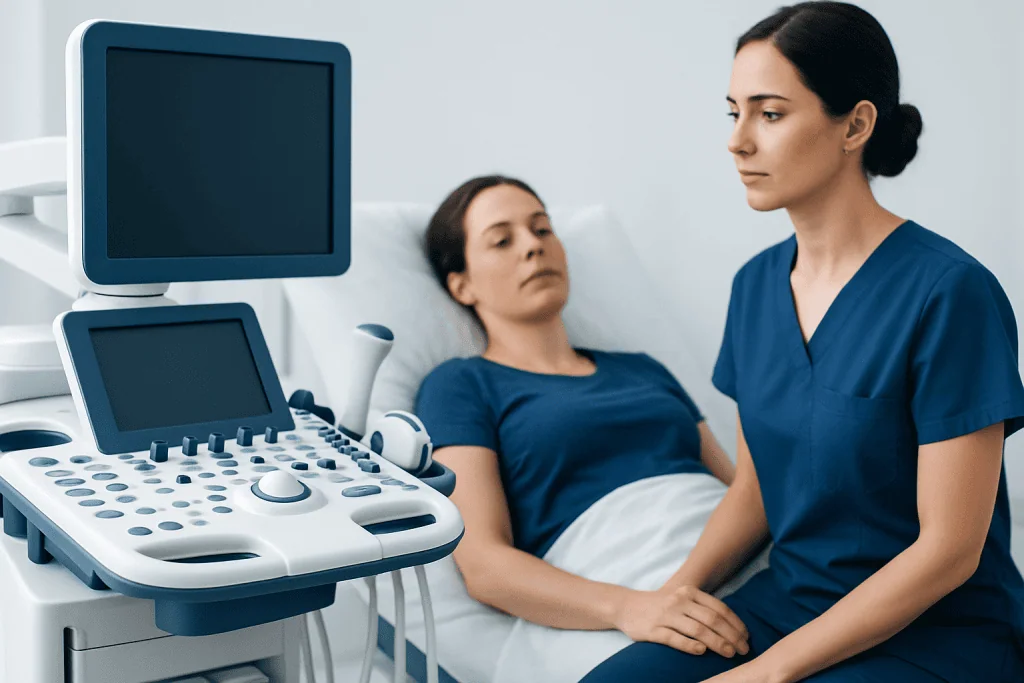
Symptoms vary from mild and temporary to more significant. Mild OHSS may cause abdominal bloating, mild nausea, breast tenderness, and pelvic discomfort due to enlarged ovaries. These symptoms can be uncomfortable but often improve with rest, careful hydration, and follow-up instructions from the clinic.
Moderate OHSS can include more noticeable abdominal swelling, increasing discomfort, nausea or vomiting, diarrhea, and weight gain over a short period. The abdomen may feel tight because fluid has collected around the organs. A patient may also feel more tired than expected after egg retrieval or find that normal activity becomes uncomfortable.
More serious OHSS is less common but needs urgent medical assessment. Warning symptoms include severe or worsening abdominal pain, repeated vomiting, dizziness or fainting, shortness of breath, chest discomfort, very reduced urination, calf pain or swelling, or rapid weight gain. These symptoms may reflect dehydration, fluid imbalance, kidney strain, or an increased risk of blood clots, all of which require timely care.
- Mild symptoms: bloating, mild pelvic pressure, mild nausea.
- Moderate symptoms: increasing abdominal swelling, vomiting, diarrhea, noticeable weight gain.
- Urgent symptoms: shortness of breath, severe pain, fainting, reduced urination, chest symptoms, or leg swelling.
Causes and Risk Factors

OHSS is linked to the way the ovaries respond to fertility medications, especially injectable follicle-stimulating hormones and the medication used to trigger final egg maturation. Human chorionic gonadotropin, or hCG, can increase the risk because it strongly stimulates the ovaries. When many follicles develop, the ovaries may produce higher levels of chemical signals, including vascular endothelial growth factor, which contributes to fluid moving out of blood vessels.
Some patients have a naturally higher ovarian reserve and may produce many follicles during stimulation. Risk factors include younger age, low body weight, a high antral follicle count, high anti-Müllerian hormone levels, previous OHSS, and a strong rise in estradiol during treatment. People with polycystic ovary syndrome are also more likely to have a high follicle response, so stimulation plans are usually chosen with extra caution.
OHSS can be classified as early or late. Early OHSS usually appears within several days of the trigger injection or egg retrieval. Late OHSS is associated with pregnancy, because rising natural hCG from an early pregnancy can prolong ovarian stimulation and symptoms. This is one reason a fertility specialist may sometimes recommend freezing embryos and postponing transfer when the ovaries appear over-responsive.
Diagnosis and Monitoring During IVF
Diagnosis begins with symptoms, timing, physical examination, and the patient’s stimulation history. During IVF, monitoring is already part of care: transvaginal ultrasound is used to count and measure follicles, and blood tests may be used to assess hormone levels. If OHSS is suspected, ultrasound can also evaluate ovarian size and look for fluid in the abdomen.
Blood tests may help assess how the body is handling fluid shifts. Clinicians may check blood concentration, electrolytes, kidney function, liver enzymes, and protein levels. In some cases, urine output, weight trends, abdominal circumference, and vital signs are followed closely. These measurements help determine whether a patient can be managed at home or needs more frequent review or hospital-based care.
Patients should be honest with their fertility team about symptoms, even if they feel mild or embarrassing to mention. Reporting persistent vomiting, inability to drink, worsening pain, or reduced urination helps clinicians act before dehydration or imbalance becomes more difficult to manage. Monitoring is not meant to create anxiety; it is a safety tool that allows treatment plans to be adjusted promptly.
Treatment Options
Treatment depends on severity. Mild OHSS is often managed with rest, symptom monitoring, and clear instructions from the fertility clinic. Patients may be advised to drink fluids steadily rather than excessively, eat small balanced meals, avoid strenuous exercise and sexual intercourse while ovaries are enlarged, and track weight or abdominal swelling. Pain relief should be discussed with the care team, especially around embryo transfer or early pregnancy.
Moderate OHSS may require more frequent visits, blood tests, ultrasound checks, and guidance on fluid and salt balance. If nausea or vomiting prevents adequate intake, medication or intravenous fluids may be needed. The clinic may delay embryo transfer and freeze embryos to reduce ongoing hormonal stimulation, especially when pregnancy could worsen symptoms.
Severe OHSS is managed in a medical setting. Treatment may include intravenous fluids, careful monitoring of kidney function and electrolytes, drainage of abdominal fluid if it causes significant discomfort or breathing difficulty, and measures to reduce blood clot risk when appropriate. The goal is supportive care while the ovaries gradually settle and fluid balance returns to normal.
Because OHSS occurs within the broader context of fertility care, management is individualized. Patients receiving evaluation for female infertility or assisted reproduction should ask their specialist how the clinic identifies high responders and what steps are used if early signs of OHSS appear.
Prevention and Self-Care
Prevention begins before stimulation starts. A fertility specialist reviews age, ovarian reserve tests, ultrasound findings, previous responses to medication, and conditions such as PCOS. Lower starting doses of stimulation medication may be used for people at higher risk, and the plan can be adjusted based on follicle growth and hormone results. The aim is to collect an appropriate number of eggs while keeping the process as safe as possible.
Modern IVF protocols offer several OHSS-reduction strategies. These may include using a GnRH antagonist protocol, using a GnRH agonist trigger instead of hCG in selected patients, lowering or pausing stimulation medication, using medications that reduce vascular effects, and choosing a freeze-all approach with embryo transfer in a later cycle. Some patients may also be advised to consider specific fertilization approaches such as ICSI when clinically appropriate, although the prevention of OHSS mainly depends on stimulation and trigger decisions rather than the fertilization method itself.
Patients can support safer care by attending all monitoring appointments and following medication instructions exactly. They should not change doses, add supplements, or use non-prescribed fertility products without medical advice. At home, gentle movement such as short walks may be helpful, but high-impact exercise, heavy lifting, and twisting activities should be avoided when the ovaries are enlarged because of discomfort and the small risk of ovarian torsion.
Self-care also includes knowing whom to call after hours. A clinic should provide clear instructions on expected symptoms, warning signs, and emergency contact pathways. Keeping a simple daily record of weight, abdominal symptoms, fluid intake, urination, and nausea can make conversations with the care team more precise.
When to See a Doctor
Patients undergoing IVF should contact their fertility clinic if bloating, nausea, or pelvic discomfort becomes progressively worse, if they gain weight rapidly, or if they have difficulty keeping fluids down. It is also important to call if urination decreases, the abdomen becomes very tight, or pain becomes one-sided or severe. Early review can often prevent symptoms from escalating.
Urgent medical care is needed for shortness of breath, chest pain, fainting, confusion, severe abdominal pain, very little urine, or swelling and pain in one leg. These symptoms do not mean that a serious complication is certain, but they are important enough to be assessed promptly. Patients should tell emergency clinicians that they are undergoing fertility treatment or recently had egg retrieval.
International patients may benefit from coordinated fertility and medical support, particularly if travel overlaps with stimulation, egg retrieval, or early pregnancy. Acibadem International’s multidisciplinary specialists and JCI-accredited hospitals diagnose and treat fertility-related conditions, including OHSS, for international patients. Care decisions should always be individualized after assessment by a qualified doctor.
Frequently asked questions
What is OHSS in IVF?
OHSS in IVF is ovarian hyperstimulation syndrome, a reaction to fertility medications used to grow multiple eggs. The ovaries become enlarged, and fluid may shift from the bloodstream into the abdomen. Most cases are mild, but symptoms should still be reported to the fertility team.
How soon after egg retrieval can OHSS symptoms appear?
Symptoms may begin a few days after the trigger injection or egg retrieval. This is called early OHSS. Symptoms can also appear later or last longer if pregnancy occurs, because pregnancy hormones may continue to stimulate the ovaries.
Does bloating after IVF always mean OHSS?
No. Mild bloating and pelvic fullness are common during ovarian stimulation and after egg retrieval because the ovaries are temporarily enlarged. However, bloating that rapidly worsens, is associated with vomiting, shortness of breath, reduced urination, or fast weight gain should be assessed promptly.
Who is most at risk of OHSS?
Risk is higher in people with polycystic ovary syndrome, high ovarian reserve, high anti-Müllerian hormone levels, many developing follicles, previous OHSS, or a strong hormone response during stimulation. Younger patients and those with lower body weight may also be more sensitive to stimulation. A fertility specialist uses these factors to personalize the protocol.
Can OHSS be prevented?
OHSS cannot always be predicted completely, but the risk can often be reduced. Prevention may include lower medication doses, close ultrasound and blood monitoring, alternative trigger medications, and freezing embryos for transfer in a later cycle. Patients also help prevention by attending all monitoring visits and following medication instructions exactly.
Is pregnancy possible if a patient develops OHSS?
Yes, pregnancy can still occur, but pregnancy hormones can sometimes worsen or prolong OHSS. If the risk is high before embryo transfer, the specialist may recommend freezing embryos and delaying transfer until the ovaries recover. This decision is made individually based on safety and treatment goals.
What should a patient do at home if mild OHSS is suspected?
The patient should contact the fertility clinic and follow the specific plan provided. General measures may include rest, avoiding strenuous activity, drinking fluids steadily, eating small meals, and monitoring weight and urination. Over-the-counter medicines or supplements should not be started without the clinic’s advice.
References
- European Society of Human Reproduction and Embryology
- American Society for Reproductive Medicine
- Royal College of Obstetricians and Gynaecologists
- National Institute for Health and Care Excellence
- World Health Organization
This article is for general information only and is not a substitute for professional medical advice. Please consult a qualified doctor about your individual situation.
IVF & fertility treatment in Turkey — success rates and costs
JCI-accredited · board-certified surgeons · reply within 24h
Check your numbers in seconds
BMI, calories, due date, blood pressure and 30+ more clinical calculators — free, instant, doctor-reviewed ranges.

Related Treatments
Related Conditions
More from the Health Library


Related Specialists

Prof. Dr. Bülent Tıraş
Gynecology & Obstetrics
Prof. Dr. Mete Güngör
Gynecology & Obstetrics
Prof. Dr. Faruk Suat Dede
Gynecology & Obstetrics
Prof. Dr. Tansu Küçük
Gynecology & Obstetrics