Meningitis in Adults: Warning Symptoms, Lumbar Puncture, and Treatment

Meningitis in adults can be caused by bacteria, viruses, fungi, tuberculosis, or non-infectious conditions, and the cause determines treatment. Fever, severe headache, neck stiffness, confusion, light sensitivity, vomiting, seizures, or a purple rash should be assessed urgently.
Key Takeaways
- Meningitis in adults can be caused by bacteria, viruses, fungi, tuberculosis, or non-infectious conditions, and the cause determines treatment.
- Fever, severe headache, neck stiffness, confusion, light sensitivity, vomiting, seizures, or a purple rash should be assessed urgently.
- Lumbar puncture is a key test because cerebrospinal fluid results can identify inflammation and often point to the germ causing meningitis.
- Bacterial meningitis requires urgent hospital care with intravenous antibiotics and supportive treatment; some viral cases improve with rest and monitoring.
- Vaccination, good hygiene, early treatment of infections, and preventive antibiotics for certain close contacts can reduce risk.
Meningitis in adults is inflammation of the protective membranes around the brain and spinal cord, most often caused by infection. Recognizing warning symptoms and receiving prompt testing, often including lumbar puncture, helps doctors choose the right treatment quickly.
Overview
Meningitis in adults means inflammation of the meninges, the thin protective membranes that cover the brain and spinal cord. The inflammation is most often triggered by an infection, but it can also occur after certain medicines, cancers, autoimmune diseases, or other inflammatory conditions. Because the brain and spinal cord are sensitive organs, meningitis is assessed promptly even when the first symptoms resemble a flu-like illness.
Doctors commonly group meningitis by cause. Bacterial meningitis is less common than many viral infections but can progress quickly and needs urgent treatment in hospital. Viral meningitis is often milder, although some viruses can still cause serious illness. Fungal, tuberculous, and parasitic meningitis are less frequent and may develop more slowly, especially in people with weakened immune systems or specific travel or exposure histories.
The reassuring point is that modern diagnosis and treatment are well established. Early recognition, blood tests, brain imaging when needed, and lumbar puncture help clinicians confirm the diagnosis and begin the most appropriate therapy. Adults who receive timely care have the best chance of recovery and of avoiding complications.
Warning Symptoms in Adults
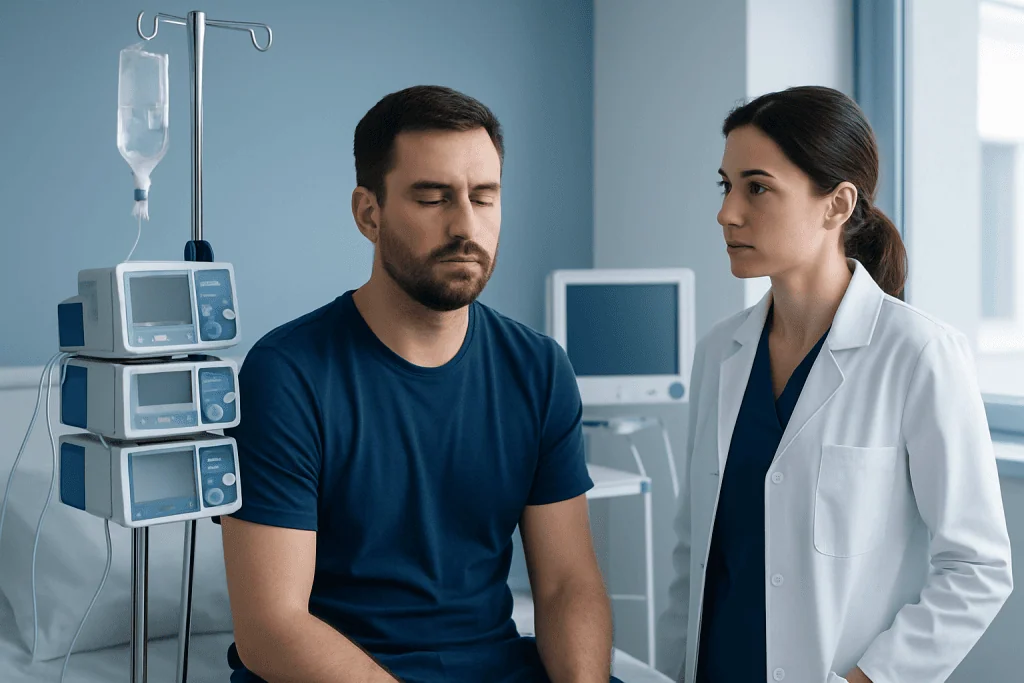
Meningitis symptoms in adults can develop within hours or over several days, depending on the cause. The classic combination is fever, severe headache, and neck stiffness, but not every person has all three. Some adults initially describe general weakness, muscle aches, nausea, or feeling unusually unwell before more specific neurological symptoms appear.
Symptoms that need urgent medical assessment include confusion, drowsiness that is hard to overcome, new seizures, sensitivity to light, repeated vomiting, severe or worsening headache, a stiff or painful neck, and difficulty speaking or walking. A rash that does not fade when pressed, especially if it looks purple or bruise-like, can occur with meningococcal infection and should be treated as urgent. Older adults may present less typically, sometimes with confusion, low body temperature, or reduced alertness rather than a clear fever.
- Fever or chills with a severe headache
- Neck stiffness or pain when bending the neck forward
- Confusion, unusual sleepiness, or personality changes
- Nausea, vomiting, or poor tolerance of light
- Seizures, fainting, weakness, or problems with balance
- New rash, especially if it is purple, widespread, or does not blanch
These symptoms do not always mean meningitis, but they are important because early evaluation can be life-saving. People should not wait to see whether severe neurological symptoms improve on their own.
Causes and Risk Factors

Bacterial meningitis in adults may be caused by organisms such as Streptococcus pneumoniae, Neisseria meningitidis, Listeria monocytogenes, and others. The likely bacteria vary by age, immune status, vaccination history, and medical circumstances. Bacteria may reach the meninges through the bloodstream, from an ear or sinus infection, after head injury or neurosurgery, or from a medical device involving the central nervous system.
Viral meningitis can be caused by enteroviruses, herpes viruses, varicella-zoster virus, HIV, and other viruses. Many viral cases are self-limited, but herpes-related infections may require antiviral treatment. Fungal and tuberculous meningitis are more often seen in people with weakened immunity, certain chronic illnesses, or exposures in regions where these infections are more common.
Risk factors include being unvaccinated or under-vaccinated, close living conditions such as dormitories or military settings, recent travel to areas with meningococcal outbreaks, immune suppression, pregnancy, diabetes, chronic kidney or liver disease, alcohol use disorder, cochlear implants, cerebrospinal fluid leaks, and removal or poor function of the spleen. Adults over 60 may also have a higher risk of certain bacterial causes, including Listeria.
Meningitis is not always contagious in the same way. Some viruses spread through respiratory droplets or contact with contaminated surfaces, while meningococcal bacteria can spread through close contact with respiratory secretions. However, casual brief contact is usually much lower risk than household exposure, intimate contact, or direct exposure to saliva.
Diagnosis and the Role of Lumbar Puncture
Diagnosis begins with a medical history and physical examination, including assessment of temperature, blood pressure, level of alertness, neck movement, skin findings, and neurological function. Because meningitis can overlap with other conditions, doctors often order blood tests, blood cultures, and sometimes imaging such as CT or MRI. Imaging may be performed before lumbar puncture if there are signs of raised pressure in the skull, a new seizure, focal neurological weakness, significant immune suppression, or other safety concerns.
Lumbar puncture, also called a spinal tap, is one of the most important tests for meningitis. During the procedure, a doctor inserts a thin needle into the lower back, below the level where the spinal cord ends, to collect a small sample of cerebrospinal fluid. The sample is tested for white blood cells, glucose, protein, opening pressure, Gram stain, culture, and often molecular tests such as PCR that can detect certain bacteria or viruses more quickly.
The results help distinguish bacterial, viral, fungal, tuberculous, and non-infectious patterns of inflammation. For example, bacterial meningitis often shows a high white cell count, high protein, and low glucose in the cerebrospinal fluid, though individual results vary. Viral meningitis often has a different cell pattern and usually normal or mildly changed glucose.
Lumbar puncture is generally a safe and routine hospital procedure when performed with appropriate precautions. Some people develop a temporary headache afterward, and clinicians explain what to expect and when to report symptoms. If bacterial meningitis is strongly suspected, doctors do not delay treatment while waiting for all test results; antibiotics may be started before or soon after the lumbar puncture, depending on clinical urgency.
Treatment Options
Treatment depends on the suspected cause, the severity of illness, and the person’s age and health background. Suspected bacterial meningitis is treated urgently in hospital with intravenous antibiotics that cover the most likely bacteria. Once laboratory results identify the organism and its antibiotic sensitivities, treatment can be narrowed to the most appropriate medication. Some patients may also receive corticosteroids early in treatment to reduce inflammation, depending on the suspected organism and clinical situation.
Viral meningitis treatment varies. Many enteroviral cases improve with rest, fluids, pain and fever control, and careful observation. If herpes simplex virus or varicella-zoster virus is suspected, doctors may use intravenous antiviral medicine because these infections can be more serious. Tuberculous or fungal meningitis requires longer courses of specific antimicrobial treatment and close follow-up, often guided by infectious disease specialists.
Supportive hospital care is also important. This may include intravenous fluids, oxygen if needed, medicines to control seizures, monitoring of blood pressure and electrolytes, and care in an intensive care unit for severe cases. Doctors also watch for complications such as hearing changes, brain swelling, blood clots, or problems with concentration and memory during recovery.
Close contacts of a person with meningococcal meningitis may need preventive antibiotics, even if they feel well. Public health teams or treating physicians advise who qualifies, usually household members, intimate contacts, or people directly exposed to respiratory secretions. Preventive treatment is time-sensitive but should be guided by a healthcare professional.
Recovery, Follow-up, and Possible Complications
Recovery after meningitis is different for each adult. Some people recover fully within days to weeks, especially after milder viral meningitis. Others, particularly after bacterial, tuberculous, or fungal meningitis, may need a longer recovery period with gradual improvement in energy, sleep, concentration, balance, or mood. Fatigue and headaches can persist for a time, and follow-up appointments help ensure that symptoms are improving as expected.
Doctors may recommend hearing tests after bacterial meningitis because hearing loss can occur even when the infection is treated. Additional follow-up may involve neurology, infectious diseases, rehabilitation medicine, physiotherapy, speech therapy, or neuropsychology, depending on symptoms. People recovering from severe meningitis should return to work, driving, exercise, and travel only after medical advice, especially if they had seizures, confusion, or ongoing weakness.
Possible complications include hearing impairment, seizures, memory or concentration problems, balance difficulties, hydrocephalus, and, rarely, stroke-like effects or kidney and circulation problems related to severe infection. These are reasons for careful monitoring, not a prediction that they will occur. Early treatment, appropriate follow-up, and rehabilitation support can make a meaningful difference in recovery.
Prevention and Self-care
Vaccination is one of the most effective ways to reduce the risk of several types of bacterial meningitis. Adults should discuss pneumococcal, meningococcal, Haemophilus influenzae type b, influenza, COVID-19, and varicella vaccination needs with a doctor, especially if they have chronic disease, immune suppression, no spleen, a cerebrospinal fluid leak, cochlear implants, or travel plans. Vaccine recommendations vary by age, medical condition, previous doses, and destination.
Everyday infection prevention also helps. Adults can reduce transmission by washing hands regularly, avoiding sharing cups or utensils during illness, covering coughs, staying home when acutely unwell, and seeking care for significant ear, sinus, or respiratory infections that worsen or do not improve. People with weakened immune systems should ask their clinician about food safety, travel precautions, and avoiding exposures that may increase the risk of Listeria, tuberculosis, or fungal infections.
Self-care is not a substitute for medical assessment when meningitis is possible. However, after a doctor has ruled out dangerous causes or during recovery, rest, hydration, balanced nutrition, gentle activity as tolerated, and avoiding alcohol or recreational drugs may support healing. Any worsening headache, fever, confusion, seizures, new weakness, or persistent vomiting during recovery should be reported promptly.
When to See a Doctor
Adults should seek urgent medical care if they develop severe headache with fever, neck stiffness, confusion, fainting, seizures, repeated vomiting, new neurological symptoms, or a non-blanching purple rash. It is also important to seek urgent assessment after close contact with a confirmed meningococcal case, especially for household members or intimate contacts, because preventive treatment may be recommended.
People at higher risk, including older adults, pregnant people, those with immune suppression, no spleen, cochlear implants, cerebrospinal fluid leaks, recent brain or spinal procedures, or serious chronic illness, should be assessed promptly for fever with severe headache or unusual confusion. Meningitis can be harder to recognize in these groups, so clinicians may choose a lower threshold for tests and treatment.
For international patients who need evaluation or follow-up, Acibadem International provides access to multidisciplinary specialists and JCI-accredited hospitals experienced in diagnosing and treating neurological infections. Care decisions should always be individualized by qualified clinicians based on symptoms, examination findings, and test results.
Frequently asked questions
Is meningitis in adults always a medical emergency?
Possible meningitis should be assessed urgently because some causes, especially bacterial meningitis, can worsen quickly. Not every headache and fever is meningitis, but severe headache with neck stiffness, confusion, seizure, or rash should not be watched at home. Early medical care allows testing and treatment to begin promptly.
Why is a lumbar puncture needed for meningitis?
A lumbar puncture collects cerebrospinal fluid, which surrounds the brain and spinal cord. Testing this fluid helps doctors confirm inflammation, identify whether the pattern looks bacterial, viral, fungal, or tuberculous, and sometimes detect the exact organism. This information guides the safest and most effective treatment.
Does a lumbar puncture hurt or damage the spinal cord?
A lumbar puncture is performed in the lower back, below the usual end of the spinal cord, which helps protect the cord from injury. Local anesthetic is used to numb the area, and patients may feel pressure rather than sharp pain. A temporary headache can occur afterward, and the medical team explains how to reduce and report side effects.
Can viral meningitis be treated with antibiotics?
Antibiotics do not treat viruses, but they may be started at first if bacterial meningitis cannot be ruled out immediately. Once test results suggest a viral cause, antibiotics may be stopped if the doctor considers it safe. Some viral causes, such as herpes viruses, may need antiviral medicine.
Is meningitis contagious?
Some causes of meningitis can spread from person to person, while others do not. Meningococcal bacteria can spread through close contact with respiratory or throat secretions, and certain viruses can spread through droplets or contaminated hands and surfaces. Close contacts should follow advice from the treating doctor or public health team.
Can adults prevent meningitis with vaccines?
Vaccines can reduce the risk of several important causes of bacterial meningitis, including pneumococcal and meningococcal disease. The right vaccines depend on age, medical history, immune status, prior vaccination, and travel plans. Adults should review their vaccination needs with a healthcare professional.
References
- World Health Organization
- Centers for Disease Control and Prevention
- European Centre for Disease Prevention and Control
- National Institute for Health and Care Excellence
- Infectious Diseases Society of America
This article is for general information only and is not a substitute for professional medical advice. Please consult a qualified doctor about your individual situation.
Meningitis in Turkey — costs, top hospitals & a free quote
JCI-accredited · board-certified surgeons · reply within 24h
Add us as a Preferred Source to see more of our trusted health content across Google Search, AI Overviews and Discover.
Check your numbers in seconds
BMI, calories, due date, blood pressure and 30+ more clinical calculators — free, instant, doctor-reviewed ranges.