

Idiopathic Intracranial Hypertension: Headache, Vision Risk, and Treatment

Idiopathic intracranial hypertension, or IIH, is increased pressure in the cerebrospinal fluid around the brain and spinal cord without an identifiable mass or blockage. Common symptoms include headache, temporary vision dimming, pulsatile tinnitus, double vision, and swelling of the optic nerves called papilledema.
Key Takeaways
- Idiopathic intracranial hypertension, or IIH, is increased pressure in the cerebrospinal fluid around the brain and spinal cord without an identifiable mass or blockage.
- Common symptoms include headache, temporary vision dimming, pulsatile tinnitus, double vision, and swelling of the optic nerves called papilledema.
- Diagnosis usually includes an eye examination, brain imaging, and a lumbar puncture to measure cerebrospinal fluid pressure and rule out other causes.
- Treatment may include weight management when appropriate, medicines that reduce cerebrospinal fluid production, careful vision monitoring, and surgery in selected cases.
- Urgent medical assessment is needed for rapidly worsening vision, new double vision, severe unusual headache, or neurological symptoms.
Idiopathic intracranial hypertension is a condition in which pressure around the brain rises without a tumor, infection, or other clear structural cause. It often causes headaches and swelling of the optic nerves, so timely diagnosis and treatment are important to protect vision.
Overview
Idiopathic intracranial hypertension (IIH) is a neurological condition in which the pressure of cerebrospinal fluid (CSF) becomes higher than normal. CSF is the clear fluid that surrounds and cushions the brain and spinal cord. In IIH, pressure rises even though brain imaging does not show a tumor, infection, bleeding, or another clear structural cause. The word “idiopathic” means that the exact cause is not fully known.
IIH is sometimes called pseudotumor cerebri because the symptoms can resemble those caused by a brain tumor, especially headache and swelling of the optic nerves. However, IIH is not a tumor and is not cancer. The main medical concern is the effect of raised pressure on the optic nerves, which can lead to vision problems if not recognized and managed.
With prompt diagnosis, regular monitoring, and appropriate treatment, many people with IIH can control symptoms and reduce the risk of permanent vision damage. Care often involves neurologists, ophthalmologists or neuro-ophthalmologists, radiologists, and, in some cases, neurosurgeons working together.
Symptoms and Vision Warning Signs
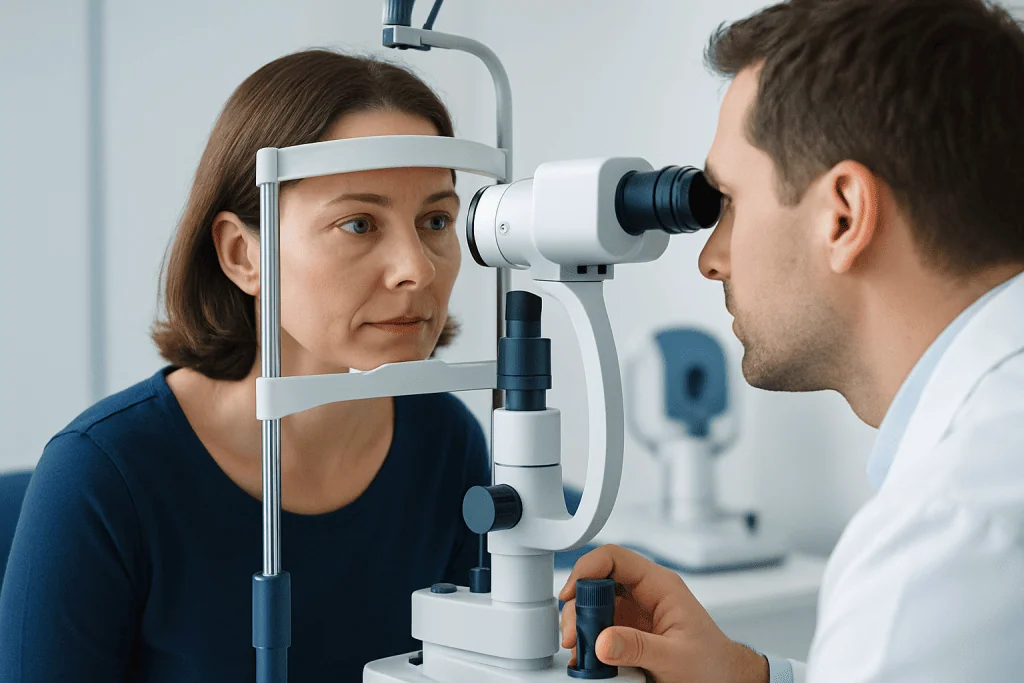
The most common symptom of IIH is headache. The headache may be daily or frequent, may feel pressure-like, and can be worse in the morning, when lying down, coughing, or straining. Some people describe migraine-like features such as nausea, sensitivity to light, or throbbing pain, so IIH can sometimes be mistaken for a primary headache disorder unless the eyes and CSF pressure are checked.
Vision symptoms are especially important. Raised intracranial pressure can cause papilledema, which means swelling of the optic disc at the back of the eye. A person may notice brief episodes of blurred, dim, or “greyed out” vision, often lasting seconds and triggered by standing up or bending. Other possible symptoms include blind spots, reduced peripheral vision, or, less commonly, a gradual decline in clarity.
Some people develop double vision due to pressure affecting the sixth cranial nerve, which helps control eye movement. Another common symptom is pulsatile tinnitus, a rhythmic whooshing or heartbeat-like sound in one or both ears. Neck pain, shoulder pain, dizziness, and fatigue may also occur, but symptoms vary from person to person.
- Temporary visual dimming or blackouts
- Blurred vision or loss of side vision
- Double vision
- Pulsatile tinnitus
- Headache with nausea or pressure sensation
- Swelling of the optic nerves found during an eye examination
Causes and Risk Factors

The exact mechanism of IIH is not fully understood. It may involve increased production of CSF, reduced absorption of CSF, changes in venous drainage from the brain, hormonal and metabolic influences, or a combination of factors. In most cases, no single cause is identified, which is why the condition is described as idiopathic.
IIH can occur in people of any sex, age, or body size, but it is most often recognized in women of childbearing age and is associated with overweight or recent weight gain. This association does not mean that a person caused the condition. Rather, body weight and metabolic factors appear to influence pressure regulation in some individuals, and weight management may help reduce pressure when it is medically appropriate.
Certain medicines and medical conditions can mimic or contribute to raised intracranial pressure and must be considered during evaluation. Examples include some vitamin A derivatives, tetracycline-class antibiotics, growth hormone therapy, venous sinus thrombosis, kidney disease, anemia, sleep apnea, and endocrine disorders. A careful medical history helps doctors distinguish true IIH from secondary intracranial hypertension, where a specific cause can be found.
Diagnosis
Diagnosing IIH requires confirming raised intracranial pressure and excluding other causes. The process usually begins with a detailed symptom history, neurological examination, and eye assessment. An eye specialist may check visual acuity, eye movements, pupil responses, and the optic discs. Visual field testing is often used because side vision can be affected before a person notices major changes.
Brain imaging is an essential step. Magnetic resonance imaging (MRI) is commonly used to look for tumors, inflammation, bleeding, hydrocephalus, or other structural problems. Magnetic resonance venography (MRV) or computed tomography venography (CTV) may be recommended to assess the large veins that drain blood from the brain and to rule out venous sinus thrombosis, an important condition that can also raise intracranial pressure.
A lumbar puncture, also called a spinal tap, is typically performed after imaging has made it safe to proceed. During this procedure, a doctor measures the opening pressure of the CSF and may send fluid samples to the laboratory. In IIH, the opening pressure is elevated and the CSF composition is usually normal. The diagnosis is based on the whole clinical picture, not on a single test alone.
Treatment Options
Treatment focuses on protecting vision, reducing intracranial pressure, and improving quality of life. The plan depends on symptom severity, eye examination findings, visual field results, general health, and whether vision is stable or worsening. People with mild disease may need close monitoring and medical treatment, while those with rapidly threatened vision may need urgent specialist intervention.
When appropriate, gradual weight reduction is one of the best-supported non-surgical approaches for IIH associated with overweight or recent weight gain. A healthcare team may recommend nutrition guidance, physical activity adapted to the person’s abilities, and support for sustainable lifestyle changes. Weight management should be individualized and medically supervised, especially for people with other health conditions or a history of eating disorders.
Medicines may be prescribed to reduce CSF production or help control symptoms. Acetazolamide is commonly used for lowering CSF pressure, while other medicines may be considered depending on tolerance, headache type, pregnancy status, and individual risks. Headache treatment may include strategies used for migraine or tension-type headache, but pain relief alone is not enough if optic nerve swelling is present.
Surgery is considered when vision is worsening despite medical treatment, when symptoms are severe, or when urgent pressure reduction is needed. Options may include optic nerve sheath fenestration, which relieves pressure around the optic nerve, or CSF shunting procedures that drain fluid to another body cavity. In selected patients with venous sinus narrowing and appropriate findings, venous sinus stenting may be discussed. Each option has benefits and risks, so decisions are made by an experienced multidisciplinary team.
Monitoring and Long-Term Outlook
IIH can improve, remain stable, or recur over time. Regular follow-up is important because vision changes may develop gradually and may not be obvious in everyday life at first. Follow-up usually includes optic nerve assessment and visual field testing, with the interval adjusted according to disease activity. People with active papilledema or changing symptoms are monitored more closely.
Headache may continue even after pressure improves, and this does not always mean IIH is worsening. Some patients have overlapping migraine or medication-overuse headache, which requires a separate management plan. Keeping a headache diary, noting visual symptoms, and documenting medication use can help clinicians tailor treatment and avoid unnecessary escalation.
Most people do well when the condition is recognized early and vision is monitored carefully. However, untreated or rapidly progressive IIH can damage the optic nerves. The goal of long-term care is to prevent vision loss, reduce relapses where possible, and support daily functioning through a realistic plan that fits the person’s health needs and lifestyle.
Prevention and Self-Care
There is no guaranteed way to prevent IIH, because its exact cause is not fully known. However, people at risk or those previously diagnosed can take steps that may support pressure control and early detection. Attending scheduled eye appointments is one of the most important self-care measures, even when symptoms seem better.
Healthy lifestyle habits can be helpful, particularly when weight change is part of the treatment plan. A balanced eating pattern, regular movement, adequate sleep, and treatment of conditions such as sleep apnea may support overall neurological health. Any weight-loss plan should be gradual, safe, and guided by a qualified professional rather than based on extreme dieting.
Patients should tell their doctor about all medicines and supplements they use, including acne treatments, antibiotics, hormones, and vitamin products. They should not stop prescribed medicine without medical advice, but a clinician may review whether any medication could contribute to raised intracranial pressure. People with IIH should also ask for individualized guidance before pregnancy or if they become pregnant, as monitoring and treatment choices may need adjustment.
When to See a Doctor
A person should seek medical assessment if they have persistent or worsening headaches together with visual symptoms, pulsatile tinnitus, or double vision. An eye examination is particularly important if transient visual dimming, blurred side vision, or optic nerve swelling has been reported. Early evaluation helps distinguish IIH from other causes of headache and vision changes.
Urgent care is needed if vision is rapidly worsening, double vision appears suddenly, a severe unusual headache develops, or there are neurological symptoms such as weakness, confusion, fainting, or seizures. These symptoms do not always mean IIH is present, but they require prompt evaluation to rule out serious conditions and protect sight and brain health.
For international patients, Acibadem International’s multidisciplinary specialists and JCI-accredited hospitals can evaluate and treat conditions such as IIH with coordinated neurology, ophthalmology, imaging, and neurosurgical care when needed. Patients should consult a qualified doctor for diagnosis and an individualized treatment plan.
Frequently asked questions
Is idiopathic intracranial hypertension a brain tumor?
No. Idiopathic intracranial hypertension can cause symptoms that resemble those of a brain tumor, such as headache and optic nerve swelling, but it is not a tumor and is not cancer. Imaging is still needed to rule out tumors and other causes before the diagnosis is confirmed.
Can IIH cause permanent vision loss?
Yes, IIH can cause permanent vision loss if raised pressure damages the optic nerves. The risk is reduced with early diagnosis, regular visual field testing, and treatment when needed. Any new or worsening vision symptoms should be assessed promptly.
Why is a lumbar puncture needed in IIH?
A lumbar puncture measures the pressure of the cerebrospinal fluid and allows doctors to check that the fluid itself is normal. This helps confirm raised intracranial pressure and rule out infections, inflammation, or other conditions. It is usually performed after brain imaging has been reviewed.
Does weight loss cure idiopathic intracranial hypertension?
For some people with IIH associated with overweight or recent weight gain, gradual weight reduction can significantly improve pressure and symptoms. It is not an instant cure and may not be the only treatment needed, especially if vision is threatened. A safe, individualized plan should be made with healthcare professionals.
What medicines are used for IIH?
Doctors commonly consider medicines that reduce cerebrospinal fluid production, such as acetazolamide, depending on the patient’s situation. Other medications may be used for headache management or when acetazolamide is not suitable. The choice depends on vision status, side effects, pregnancy considerations, and other medical conditions.
Can IIH come back after it improves?
Yes, IIH can recur, especially if risk factors return or if there has been significant weight gain. Some people need long-term monitoring even after symptoms settle. Regular eye checks help detect recurrence before major vision problems develop.
Is exercise safe for people with IIH?
Many people with IIH can exercise safely, and physical activity may support overall health and weight management when appropriate. The best type and intensity of exercise should be discussed with a doctor, particularly if headaches worsen with exertion or vision symptoms are active. Sudden severe symptoms during activity should be assessed medically.
References
- National Institute of Neurological Disorders and Stroke
- American Academy of Ophthalmology
- European Headache Federation
- International Headache Society
- Mayo Clinic
This article is for general information only and is not a substitute for professional medical advice. Please consult a qualified doctor about your individual situation.
Hypertension in Turkey — costs, top hospitals & a free quote
JCI-accredited · board-certified surgeons · reply within 24h
Add us as a Preferred Source to see more of our trusted health content across Google Search, AI Overviews and Discover.

More from the Health Library



Related Specialists

Dr. Hüseyin Semih Yalçın
Emergency Service
Assoc. Prof. Dr. Tonguç Utku Yilmaz
General Surgery
Dr. Tuna Durakoğlugil
Anesthesiology
Assoc. Prof. Dr. Selim Aydin
Cardiovascular Surgery