Peripheral Nerve Stimulation: Neuromodulation for Localized Chronic Pain

Peripheral nerve stimulation places a small electrode near a specific nerve to change pain signaling. It may be used for localized neuropathic pain after injury, surgery, nerve entrapment, or certain headache and limb pain conditions.
Key Takeaways
- Peripheral nerve stimulation places a small electrode near a specific nerve to change pain signaling.
- It may be used for localized neuropathic pain after injury, surgery, nerve entrapment, or certain headache and limb pain conditions.
- A careful evaluation helps confirm whether the painful area matches a treatable peripheral nerve pattern.
- Many systems allow a temporary trial period before a longer-term implant is considered.
- Benefits, risks, device care, and realistic goals should be discussed with a qualified pain or neuromodulation specialist.
Peripheral nerve stimulation is a neuromodulation treatment that may help selected people with localized chronic pain by gently stimulating a targeted nerve. It is usually considered when pain remains difficult to control despite medicines, physical therapy, injections, or other conservative care.
Overview
Peripheral nerve stimulation, often shortened to PNS, is a form of neuromodulation used to manage certain types of chronic pain. Neuromodulation means using controlled electrical signals to influence how nerves communicate with the brain and spinal cord. In PNS, a thin electrode is placed near a peripheral nerve, which is a nerve outside the brain and spinal cord. The device sends mild electrical pulses that can reduce the intensity of pain signals or make pain feel less intrusive.
PNS is not the same as a general painkiller. It does not numb the whole body, treat inflammation directly, or cure the underlying condition in every case. Instead, it aims to improve day-to-day comfort and function by targeting a specific nerve pathway involved in pain. For some patients, it may reduce the need for certain pain medicines, although medication changes should always be guided by a doctor.
This treatment is usually considered for localized chronic pain, especially when pain has continued for months and has not responded well enough to standard care. It is most often offered by pain medicine specialists, neurosurgeons, anesthesiologists, or other clinicians trained in interventional pain management and neuromodulation. A personalized evaluation is essential because the success of PNS depends on matching the device to the right nerve, pain pattern, and patient goals.
When Peripheral Nerve Stimulation May Be Considered
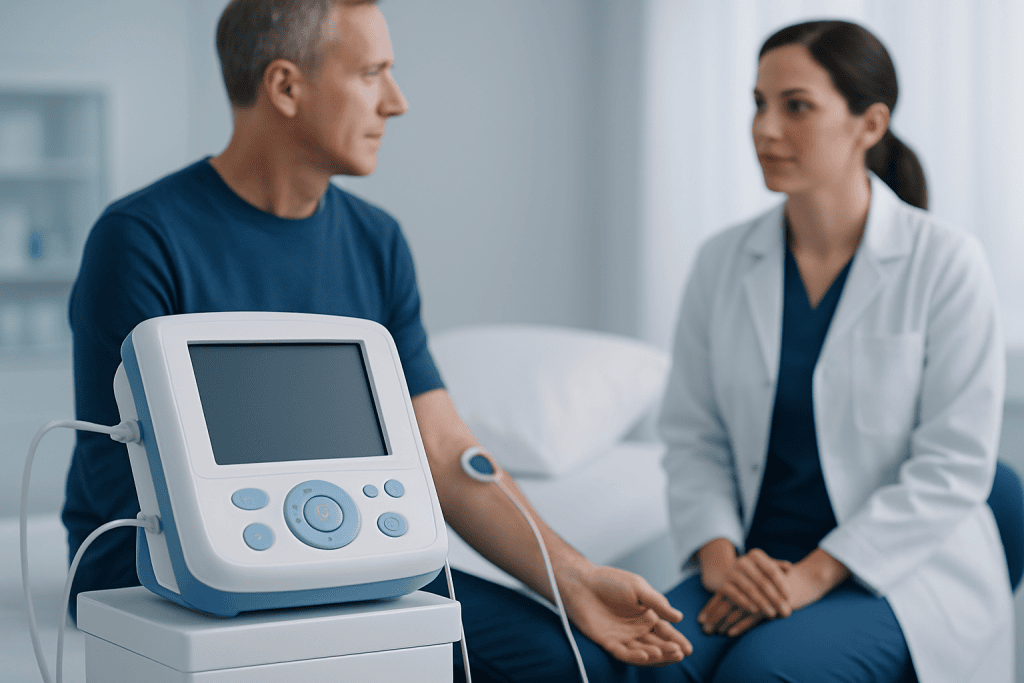
PNS may be considered when pain is concentrated in a defined area and appears to follow the distribution of one or more peripheral nerves. This can happen after an injury, surgery, nerve irritation, nerve entrapment, or in some chronic pain syndromes. It may be discussed when conservative treatments have not provided enough relief, or when side effects limit the use of medicines.
Examples of conditions where PNS may be evaluated include certain forms of post-surgical nerve pain, occipital neuralgia, chronic shoulder or knee pain related to nerve pathways, groin pain, foot or ankle nerve pain, and selected cases of complex regional pain syndrome. It may also be used in carefully selected patients with pain after amputation, such as residual limb pain or phantom limb pain. The exact suitability depends on the diagnosis, anatomy, previous treatments, and the patient’s overall health.
PNS is generally not the first treatment tried for chronic pain. Most care plans begin with education, physical therapy or rehabilitation, appropriate medicines, lifestyle measures, and sometimes image-guided injections or nerve blocks. A person may be a better candidate for PNS if temporary nerve blocks or examination findings suggest that a specific nerve is strongly contributing to the pain.
How Peripheral Nerve Stimulation Works
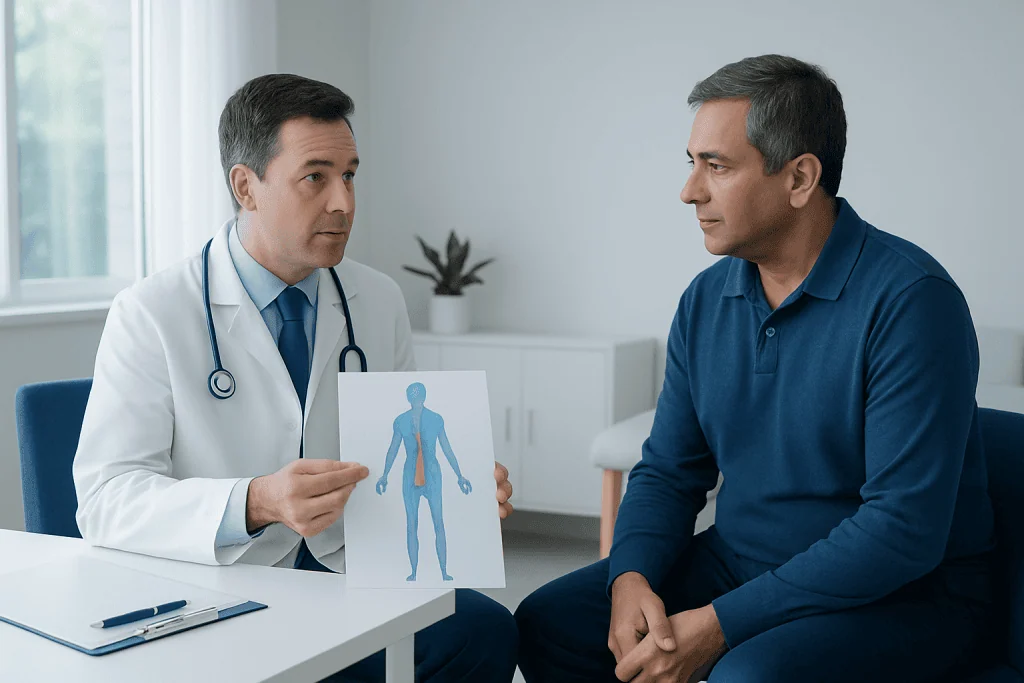
Peripheral nerves carry signals from the body to the spinal cord and brain. When a nerve is injured or sensitized, it may send pain signals even after tissues have healed, or it may amplify normal sensations into pain. PNS delivers small electrical pulses close to the nerve, which can change how pain signals are transmitted and processed. Some patients feel a gentle tingling sensation, while newer programming approaches may work without a noticeable sensation.
A PNS system usually includes a lead, which is a thin insulated wire with electrode contacts, and a power source or pulse generator. Depending on the system, the generator may be worn externally for a temporary treatment period, or implanted under the skin for longer-term therapy. The settings can often be adjusted by the clinical team to find a comfortable pattern of stimulation.
There are different types of PNS systems and techniques. Some are designed for temporary use over several weeks, while others are intended for longer-term implantation after a successful trial. The choice depends on the pain condition, the expected duration of treatment, local expertise, and the patient’s preferences. Device features such as battery type, MRI compatibility, charging needs, and activity restrictions should be reviewed before treatment.
Evaluation and Diagnosis Before Treatment
A thorough assessment is the first step before PNS. The clinician reviews the history of pain, previous injuries or surgeries, current medicines, allergies, medical conditions, and prior treatments. The physical examination looks for sensory changes, tenderness over nerve pathways, muscle weakness, joint or spine problems, and signs that the pain may be coming from another source.
Diagnostic tests may be used when needed. Imaging such as ultrasound, X-ray, CT, or MRI can help evaluate anatomy, previous surgical changes, or other causes of pain. Nerve conduction studies and electromyography may be recommended if there is concern about nerve damage, although these tests do not show every type of pain-related nerve irritation. In some cases, a diagnostic nerve block can help confirm whether numbing a specific nerve temporarily improves the pain.
The care team also considers factors that can affect outcomes and safety. These include active infection, bleeding risk, anticoagulant or antiplatelet medicines, diabetes control, immune system problems, implanted cardiac devices, pregnancy, and the ability to understand and manage the device. Psychological wellbeing is also relevant because chronic pain often affects sleep, mood, activity, and coping. Addressing these factors is part of good pain care and does not mean that pain is not real.
The Procedure: Trial, Implantation, and Programming
The exact procedure varies by device and treatment plan, but PNS is commonly performed using local anesthesia, sometimes with light sedation. The doctor places the lead near the target nerve using ultrasound, fluoroscopy, or another imaging method to guide positioning. The lead is tested to confirm that stimulation covers the painful area comfortably or reaches the intended nerve location.
Many patients have a temporary trial or temporary treatment period before a longer-term implant is considered. During this time, the person records changes in pain, activity, sleep, medication use, and function. A successful trial does not have to mean complete pain relief. The goal is meaningful improvement that helps the patient move, rest, or participate in daily life more comfortably.
If a longer-term system is chosen, the lead and generator may be implanted under the skin, or the lead may connect to an external generator depending on the device type. After placement, the system is programmed and adjusted over follow-up visits. Patients are taught how to turn stimulation on and off, adjust approved settings, care for the skin or incision sites, and recognize when to contact the clinic.
Benefits, Limitations, and Possible Risks
The main potential benefit of PNS is targeted pain control without affecting the whole body. For selected patients, it may improve comfort, walking or movement, sleep quality, rehabilitation participation, and ability to perform daily tasks. Some people may be able to reduce certain pain medicines with medical supervision, which can be helpful if medicines cause drowsiness, stomach upset, constipation, or other side effects.
It is important to have realistic expectations. PNS may reduce pain but may not eliminate it. Results can vary depending on the cause of pain, nerve anatomy, duration of symptoms, scar tissue, other medical conditions, and how the device is used. Some patients do not receive enough benefit during the trial period, and in that case the lead can usually be removed without proceeding to a longer-term implant.
As with any procedure, there are possible risks. These may include temporary soreness, bruising, bleeding, infection, skin irritation, lead movement, device malfunction, uncomfortable stimulation, or inadequate pain relief. Rarely, nerve irritation or other complications can occur. Patients should tell their clinician about blood thinners, allergies, implanted devices, fever, skin problems near the treatment area, or any new neurological symptoms before the procedure.
Recovery, Self-Care, and Living With a Stimulator
Recovery instructions depend on whether the system is temporary or implanted. Patients are usually advised to keep the procedure site clean and dry for the recommended period and to avoid pulling, twisting, or strenuous movements that could shift the lead while tissues heal. The care team will explain when it is safe to shower, return to work, drive, exercise, or resume physical therapy.
Good outcomes often depend on combining PNS with a broader pain management plan. Gentle movement, rehabilitation, sleep support, pacing of activities, stress management, and treatment of related conditions can all help the nervous system become less reactive. Patients should avoid changing pain medicines suddenly and should discuss any medication adjustments with their doctor.
People living with a PNS device should carry device identification and inform healthcare providers before imaging tests, surgery, dental procedures, or security screening when relevant. MRI safety is device-specific, so patients should not assume that all scanners or body areas are allowed. At Acibadem International, multidisciplinary specialists in JCI-accredited hospitals evaluate and treat chronic pain conditions, including neuromodulation options, for international patients when clinically appropriate.
When to See a Doctor
A person with pain lasting longer than expected after an injury, operation, or illness should seek medical evaluation, especially if the pain affects sleep, walking, work, mood, or daily activities. Early assessment can help identify treatable causes and prevent the pain cycle from becoming more difficult to manage. PNS may be one option, but a diagnosis should come first.
Medical care is also important if pain is associated with new weakness, numbness that is spreading, loss of bladder or bowel control, fever, unexplained weight loss, a wound that is not healing, or severe pain after trauma. These symptoms may require urgent evaluation and may not be appropriate for routine pain device treatment until the cause is understood.
Patients who already have a PNS device should contact their care team if they notice increasing redness, swelling, drainage, fever, new neurological symptoms, loss of stimulation effect, unexpected device alarms, or pain at the implant site. Prompt communication often allows small issues to be addressed before they interfere with treatment.
Frequently asked questions
Is peripheral nerve stimulation the same as spinal cord stimulation?
No. Peripheral nerve stimulation targets a specific nerve outside the brain and spinal cord, usually close to the painful area. Spinal cord stimulation places electrodes near the spinal cord to influence broader pain pathways. A specialist can explain which approach better matches the patient’s pain pattern.
Does peripheral nerve stimulation cure chronic pain?
PNS is best understood as a pain management treatment rather than a guaranteed cure. It may reduce pain intensity and improve function in selected patients. The most realistic goal is meaningful relief that supports daily activity, sleep, and rehabilitation.
Is the PNS procedure painful?
The procedure is usually performed with local anesthesia, and some patients may also receive light sedation. People may feel pressure, brief discomfort, or a tingling sensation during testing. Soreness at the placement site is common for a short time and is usually managed with routine post-procedure care.
How long does a peripheral nerve stimulator stay in place?
This depends on the device and treatment plan. Some systems are used temporarily for several weeks, while others may be implanted for longer-term therapy after a successful trial. The doctor will explain the expected timeline before treatment begins.
Who is not a good candidate for peripheral nerve stimulation?
PNS may not be suitable for people with active infection, uncontrolled bleeding risk, certain device interactions, or pain that does not match a targetable peripheral nerve. It may also be delayed if another condition needs urgent diagnosis or treatment. Suitability is determined through a full medical evaluation.
Can a person have an MRI with a peripheral nerve stimulator?
MRI safety depends on the exact device, lead location, and scanner conditions. Some systems are MRI-conditional, while others may restrict MRI use. Patients should always tell imaging staff and their treating doctor about the device before any scan.
What happens if the trial does not help?
If a trial does not provide meaningful benefit, the temporary lead is usually removed and other pain management options are reviewed. This can still be useful information because it helps guide future treatment decisions. The care plan may then focus on rehabilitation, medicines, injections, other neuromodulation approaches, or further diagnostic evaluation.
References
- International Neuromodulation Society
- American Society of Regional Anesthesia and Pain Medicine
- National Institute for Health and Care Excellence
- U.S. Food and Drug Administration
- Faculty of Pain Medicine, Royal College of Anaesthetists
This article is for general information only and is not a substitute for professional medical advice. Please consult a qualified doctor about your individual situation.
Peripheral Nerve in Turkey — costs, top hospitals & a free quote
JCI-accredited · board-certified surgeons · reply within 24h
Add us as a Preferred Source to see more of our trusted health content across Google Search, AI Overviews and Discover.

Physical Medicine & Rehabilitation
Restoring movement and function after injury, surgery or neurological conditions.
150 specialists in this unit