Idiopathic Intracranial Hypertension: Headache, Vision Changes, and Specialist Care

Idiopathic Intracranial Hypertension, also called IIH, involves raised pressure around the brain and optic nerves without an identifiable structural cause. Common symptoms include daily or frequent headache, blurred vision, brief vision blackouts, double vision, and pulse-like ringing in the ears.
Key Takeaways
- Idiopathic Intracranial Hypertension, also called IIH, involves raised pressure around the brain and optic nerves without an identifiable structural cause.
- Common symptoms include daily or frequent headache, blurred vision, brief vision blackouts, double vision, and pulse-like ringing in the ears.
- Eye examination is essential because swelling of the optic nerve, called papilledema, can threaten vision if untreated.
- Treatment may include weight management when appropriate, medication to reduce cerebrospinal fluid pressure, and procedures for selected cases.
- Urgent medical assessment is needed for sudden vision loss, rapidly worsening vision, or severe new neurological symptoms.
Idiopathic Intracranial Hypertension is a condition in which pressure rises inside the skull without a tumor, infection, or other obvious cause. With timely diagnosis and specialist care, headaches can often be managed and vision can be protected.
Overview
Idiopathic Intracranial Hypertension, often shortened to IIH, is a neurological condition in which the pressure of the fluid surrounding the brain and spinal cord becomes too high. This fluid is called cerebrospinal fluid, or CSF. In IIH, pressure rises even though tests do not show a brain tumor, bleeding, infection, or hydrocephalus as the cause.
The word “idiopathic” means that no single clear cause is found. The condition is also sometimes called pseudotumor cerebri because it can produce symptoms similar to a brain mass, such as headache and swelling of the optic nerves, but no tumor is present. Although the name can sound concerning, IIH is a recognized and treatable condition.
The main health priority in IIH is protecting vision. Raised pressure can be transmitted to the optic nerves at the back of the eyes, causing swelling known as papilledema. Some people also experience persistent headaches that affect daily life. Care is usually shared between neurology, ophthalmology or neuro-ophthalmology, radiology, and, in selected cases, neurosurgery.
Symptoms
Symptoms of Idiopathic Intracranial Hypertension can vary. Some people have frequent headaches for weeks or months before the diagnosis is made, while others first notice visual changes during an eye examination. Symptoms may fluctuate and can be influenced by posture, coughing, straining, or physical activity.
The headache of IIH is often described as pressure-like, throbbing, or migraine-like. It may be felt on both sides of the head, behind the eyes, or at the back of the head. Some people wake with headache or notice worsening when lying down, bending forward, coughing, or straining. Nausea, light sensitivity, and neck or shoulder discomfort can also occur.
Vision-related symptoms are particularly important. People may notice brief episodes of dimming or blacking out of vision, called transient visual obscurations, especially when standing up or changing position. Other symptoms can include blurred vision, reduced side vision, double vision, or difficulty seeing clearly despite updated glasses. A pulse-synchronous whooshing or ringing sound in the ears, called pulsatile tinnitus, is also common in IIH.
- Frequent or daily headache
- Blurred or dim vision
- Short episodes of temporary vision loss
- Double vision, often due to sixth nerve palsy
- Pulsatile tinnitus, a rhythmic whooshing sound
- Nausea, dizziness, or pressure behind the eyes
Causes and Risk Factors

In IIH, the exact reason for raised intracranial pressure is not fully understood. The condition may involve altered production or absorption of cerebrospinal fluid, changes in venous drainage from the brain, hormonal and metabolic factors, or a combination of these. Some people with IIH have narrowing of the venous sinuses, which are the large veins that drain blood from the brain, although the relationship can be complex.
IIH is most often diagnosed in women of childbearing age and is associated with higher body weight or recent weight gain. However, it can occur in men, children, and people of any body size. Because the condition does not look the same in every patient, doctors assess each person individually rather than relying on a single risk profile.
Certain medicines and medical conditions can produce raised intracranial pressure that resembles IIH. These may include some vitamin A derivatives, tetracycline-class antibiotics, growth hormone treatment, and withdrawal from long-term corticosteroids. Blood clotting disorders, sleep apnea, kidney disease, and endocrine conditions may also be considered during evaluation. When a specific cause is found, the condition may no longer be classified as idiopathic, and treatment is directed at the underlying trigger when possible.
Diagnosis
Diagnosis of Idiopathic Intracranial Hypertension begins with a detailed medical history and physical examination. Doctors ask about the pattern of headaches, visual symptoms, medications, recent weight changes, pregnancy status when relevant, and other health conditions. A neurological examination checks eye movements, coordination, strength, sensation, and signs of increased pressure.
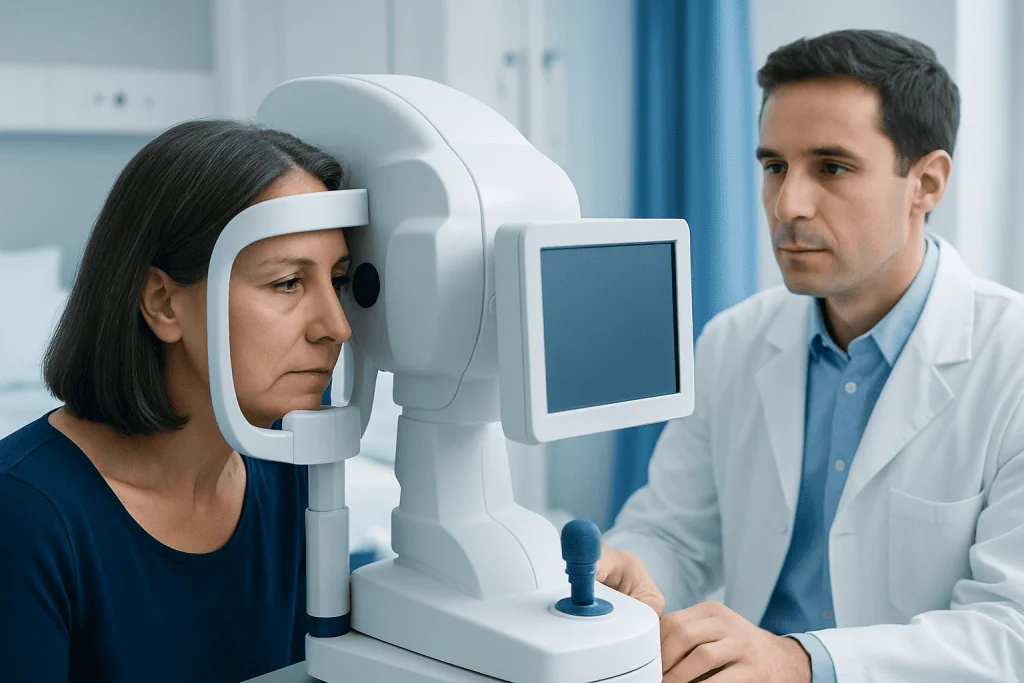
A careful eye examination is central to the diagnosis. The ophthalmologist or neuro-ophthalmologist looks for papilledema, assesses visual acuity, and checks eye movements. Visual field testing is often performed because early vision loss may affect side vision before a person notices it. Optical coherence tomography, or OCT, may be used to measure the thickness of the nerve fiber layer and monitor optic nerve swelling over time.
Brain imaging is needed to rule out other causes of raised intracranial pressure. MRI of the brain, often with MR venography, can help exclude tumors, hydrocephalus, inflammation, and venous sinus thrombosis. Imaging may also show features that support IIH, such as flattening at the back of the eye, a partially empty sella, or narrowing of venous sinuses, but these findings are interpreted together with the full clinical picture.
A lumbar puncture, also called a spinal tap, is usually performed after imaging confirms it is safe. This test measures the opening pressure of the cerebrospinal fluid and allows the fluid to be checked for infection, inflammation, or abnormal cells. In IIH, the opening pressure is elevated and the CSF contents are otherwise typically normal. Diagnosis is made by combining symptoms, eye findings, imaging, and lumbar puncture results.
Treatment Options
Treatment aims to protect vision, reduce intracranial pressure, and improve symptoms such as headache and pulsatile tinnitus. The treatment plan depends on the severity of papilledema, visual field results, headache burden, risk factors, and overall health. Regular follow-up is important because IIH can improve, recur, or progress at different rates.
For many patients, weight management is part of treatment when higher weight or recent weight gain is a contributing factor. Even modest, medically supervised weight reduction may help lower intracranial pressure in some patients. Doctors may recommend nutrition support, physical activity adapted to the patient’s abilities, treatment of sleep apnea if present, and, in selected cases, referral to structured weight management or bariatric services.
Medication may be prescribed to reduce CSF production or help with headache patterns. Acetazolamide is commonly used for pressure reduction, and topiramate may be considered in some patients, particularly when migraine-like headache features are present. These medicines are not suitable for everyone and can have side effects, so they should be taken only under medical supervision. Overuse of pain relievers can worsen chronic headaches, so doctors may also help patients develop a safe headache plan.
If vision is worsening despite medical therapy, or if vision loss is severe at presentation, procedures may be considered. Options include optic nerve sheath fenestration to relieve pressure around the optic nerve, CSF shunting to divert fluid, and venous sinus stenting in carefully selected patients with significant venous sinus narrowing and a pressure gradient. The best option depends on the patient’s anatomy, symptoms, eye findings, and the expertise of the treating team.
Prevention and Self-care
Because the exact cause of IIH is not always known, it cannot always be prevented. However, people diagnosed with IIH can take practical steps to reduce risk of progression and support treatment. The most important self-care measure is attending scheduled eye and neurology follow-up, even when symptoms feel stable, because visual field changes may be subtle.
Patients should keep a clear list of all medicines, supplements, and vitamins and share it with their healthcare team. This is especially important for vitamin A-containing products, acne medications, certain antibiotics, hormonal treatments, and any recently started or stopped medication. No medication should be stopped suddenly without medical advice, but possible links can be reviewed safely with a doctor.
Healthy lifestyle habits may help overall brain, eye, and metabolic health. A balanced eating pattern, gradual physical activity, adequate hydration, and good sleep routines can support weight management and headache control. If snoring, daytime sleepiness, or witnessed pauses in breathing occur, evaluation for sleep apnea may be helpful because sleep disorders can affect headaches and general health.
- Attend regular visual field and optic nerve monitoring appointments.
- Report new or worsening visual symptoms promptly.
- Avoid taking high-dose vitamins or supplements unless advised by a clinician.
- Discuss safe weight management strategies if recommended.
- Keep a headache diary to identify patterns, triggers, and treatment response.
When to See a Doctor
A person should seek medical assessment if they have frequent headaches with blurred vision, temporary vision blackouts, double vision, or a rhythmic whooshing sound in the ears. These symptoms do not always mean IIH, but they should be evaluated because several neurological and eye conditions can cause similar complaints. An eye examination may reveal optic nerve swelling before major vision changes are noticed.
Urgent care is needed for sudden vision loss, rapidly worsening vision, new double vision, severe sudden headache, fainting, weakness, difficulty speaking, confusion, fever with neck stiffness, or seizure. These symptoms may suggest conditions other than IIH that need immediate medical attention. People already diagnosed with IIH should also contact their care team promptly if symptoms change or return after a period of improvement.
Follow-up care is often long term and individualized. Some patients improve with medication and lifestyle measures, while others need closer monitoring or procedures to protect vision. For international patients, Acibadem International provides evaluation and treatment through multidisciplinary specialists in JCI-accredited hospitals, including neurology, ophthalmology, radiology, and neurosurgery teams when needed.
Frequently asked questions
Is Idiopathic Intracranial Hypertension a brain tumor?
No. Idiopathic Intracranial Hypertension can cause symptoms that resemble those of a brain mass, but imaging does not show a tumor. The pressure is raised because of changes involving cerebrospinal fluid pressure or drainage, not because a growth is taking up space.
Can IIH cause permanent vision loss?
IIH can threaten vision if optic nerve swelling is severe or untreated. With timely diagnosis, regular visual monitoring, and appropriate treatment, many people maintain useful vision. Any new or worsening visual symptom should be reported promptly.
What does an IIH headache feel like?
An IIH headache may feel like pressure, throbbing, or a migraine-like headache. It can be daily or frequent and may worsen when lying down, bending, coughing, or straining. Because headache patterns overlap with many conditions, diagnosis depends on eye findings, imaging, and lumbar puncture results.
Is weight loss always required for IIH treatment?
Weight management may be recommended when higher body weight or recent weight gain is thought to contribute to IIH. It is not the only treatment, and not every patient fits the same profile. A doctor can help create a safe, realistic plan based on the person’s health, vision status, and preferences.
Why is a lumbar puncture needed?
A lumbar puncture measures the opening pressure of the cerebrospinal fluid and checks that the fluid itself is normal. This helps confirm raised pressure and exclude infection, inflammation, or other causes. It is usually performed after brain imaging has shown that the procedure is safe.
Can IIH come back after treatment?
Yes, IIH can recur, especially if risk factors return or if treatment is stopped before the condition is stable. Regular follow-up helps detect recurrence early. Patients should seek review if headaches, pulsatile tinnitus, or vision symptoms return.
References
- National Institute of Neurological Disorders and Stroke
- American Academy of Neurology
- North American Neuro-Ophthalmology Society
- Mayo Clinic
- BMJ Best Practice
This article is for general information only and is not a substitute for professional medical advice. Please consult a qualified doctor about your individual situation.
Hypertension in Turkey — costs, top hospitals & a free quote
JCI-accredited · board-certified surgeons · reply within 24h
Add us as a Preferred Source to see more of our trusted health content across Google Search, AI Overviews and Discover.