Living With a Blood Disorder: Self-Care, Monitoring, and Daily Precautions

Regular monitoring helps detect changes early and guide treatment adjustments. Daily precautions can reduce bleeding, infection, fatigue, or clot-related risks depending on the condition.
Key Takeaways
- Regular monitoring helps detect changes early and guide treatment adjustments.
- Daily precautions can reduce bleeding, infection, fatigue, or clot-related risks depending on the condition.
- A balanced routine with sleep, nutrition, hydration, and medication adherence supports overall stability.
- Knowing personal warning signs and keeping emergency contacts accessible is an important part of self-care.
- People with blood disorders should discuss vaccines, travel, exercise, and procedures with their healthcare team.
Living with a blood disorder often means combining medical follow-up with practical daily habits that support safety, energy, and quality of life. With the right monitoring, self-care, and awareness of warning signs, many people manage their condition confidently and well.
Overview
Blood disorders include a wide range of conditions that affect red blood cells, white blood cells, platelets, clotting factors, or the bone marrow that produces them. Some are inherited, while others are acquired later in life. Because these conditions can influence oxygen delivery, bleeding, immunity, or clotting, daily life often benefits from thoughtful planning and regular medical follow-up.
Living well with a blood disorder does not usually mean avoiding normal life. Instead, it means understanding the condition, recognizing personal triggers and risks, and building habits that support safety. Many people do best when they keep routine appointments, follow their treatment plan, and know what changes should prompt medical review.
Self-care is especially important because symptoms can fluctuate. Fatigue, easy bruising, infections, dizziness, or swelling may come and go depending on the specific disorder and how it is being managed. A stable routine can make these changes easier to notice and address early.
Common Symptoms and Daily Challenges

Symptoms vary widely depending on the type of blood disorder. Some people experience tiredness, shortness of breath, pale skin, headaches, or reduced exercise tolerance if red blood cells are affected. Others may notice frequent infections, fever, or slow healing when white blood cells are involved.
Bleeding-related disorders may cause easy bruising, nosebleeds, prolonged bleeding from cuts, heavy menstrual bleeding, or bleeding after dental work or minor procedures. Disorders that increase clotting may cause leg swelling, pain, chest discomfort, or symptoms related to reduced blood flow, which always need prompt medical assessment.
Daily challenges may include keeping up with medications, scheduling laboratory tests, managing fatigue, or planning around special precautions before travel, surgery, or sports. A clear routine can help reduce stress and make it easier to respond appropriately to symptoms.
Causes and Risk Factors
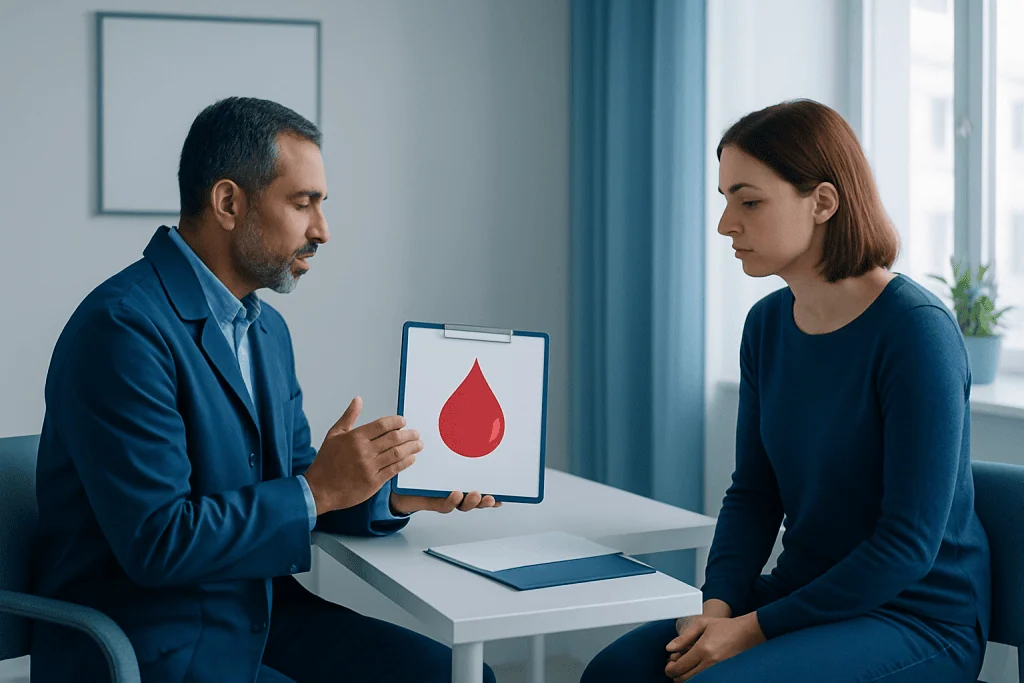
Blood disorders may be inherited, such as certain hemoglobin disorders or clotting conditions, or acquired through illness, immune changes, medications, nutritional deficiencies, kidney or liver disease, and some cancers. In some cases, the exact cause may be complex or not immediately clear.
Risk factors depend on the condition. A family history may matter for inherited disorders, while chronic illness, autoimmune disease, pregnancy, smoking, prolonged immobility, or certain medicines may increase risk for some acquired conditions. People with a prior history of clots, heavy bleeding, or repeated low blood counts often need closer monitoring.
Because the causes differ, it is important not to compare one blood disorder with another. A care plan that is appropriate for anemia may not be appropriate for a clotting disorder or a low-platelet condition. Personal guidance from a hematology team is the safest approach.
Diagnosis and Ongoing Monitoring
Diagnosis usually begins with a medical history, physical examination, and blood tests such as a complete blood count and tests related to clotting, iron status, vitamin levels, or blood cell function. Depending on the suspected disorder, the clinician may also recommend bone marrow studies, genetic testing, imaging, or specialized laboratory tests.
Ongoing monitoring is a central part of self-care. Some people need regular blood counts to track anemia, platelet levels, or treatment response. Others may need clotting studies, iron checks, medication monitoring, or follow-up visits to review symptoms and adjust treatment.
Keeping a personal health record can be helpful. Many patients benefit from recording test results, medications, transfusions, bleeding episodes, infections, or any new symptoms. This information makes it easier to spot patterns and discuss them clearly with the healthcare team.
Treatment Options and How They Fit Into Daily Life
Treatment depends on the specific disorder and may include medicines, iron or vitamin replacement, blood transfusions, clotting-factor support, immune therapies, anticoagulation, or procedures aimed at correcting the underlying problem. In some cases, careful observation and supportive care are the main approach.
Daily life is easier when treatment is built into a routine. Medication reminders, refill planning, and appointment scheduling can reduce missed doses and support steadier results. It is also important to tell every clinician about the blood disorder before new medications are started, since some drugs may increase bleeding or clotting risk, or affect blood counts.
For patients who need specialized care, options such as bone marrow transplant or systemic cancer treatment may be relevant in selected blood cancers or marrow disorders, depending on the diagnosis and overall health. These decisions are individualized and should be discussed thoroughly with a specialist.
Prevention and Self-Care at Home
Good self-care starts with protecting the body in practical ways. People with bleeding tendencies may benefit from using a soft toothbrush, taking care with sharp objects, wearing protective gear during activities, and avoiding unnecessary use of medicines that can increase bleeding unless prescribed. Those prone to low blood counts or infections may need extra attention to hand hygiene, food safety, and avoiding close contact with sick people when advised.
Healthy habits can also support resilience. Balanced meals, adequate hydration, restful sleep, and gentle physical activity when approved by the doctor can help preserve energy and general wellbeing. If iron, folate, vitamin B12, or other supplements are recommended, they should be taken consistently and only as directed.
Patients should ask their healthcare team about vaccines, dental care, pregnancy planning, air travel, and exercise limits. Planning ahead matters for procedures as well, because some blood disorders require special instructions before surgery, injections, or blood draws.
- Keep a current list of diagnoses, medicines, allergies, and emergency contacts.
- Carry information about any bleeding disorder, clotting disorder, or transfusion needs.
- Use reminders for labs, clinic visits, and medication schedules.
- Report unusual bruising, prolonged bleeding, fever, or swelling promptly.
When to See a Doctor
Routine follow-up should not be skipped even when symptoms feel stable, because many blood disorders change gradually. Regular review helps ensure that treatment remains appropriate and that new problems are detected early.
Medical advice should be sought promptly if there is chest pain, shortness of breath, one-sided leg swelling, severe headache, fainting, black or bloody stools, vomiting blood, uncontrollable bleeding, high fever, or any sudden change that feels unusual for the person’s condition. These symptoms can signal a complication that needs immediate evaluation.
It is also wise to speak with a doctor before starting new medications, supplements, intense exercise, pregnancy, or planned procedures. For international patients, Acibadem International’s multidisciplinary specialists and JCI-accredited hospitals can help diagnose and treat blood disorders in a coordinated way.
Living Well With Long-Term Follow-Up
Long-term management works best when patients understand their condition and take an active role in daily decisions. This may include learning which symptoms are expected, which ones are new, and which ones require urgent attention. Over time, that knowledge often reduces anxiety and improves confidence.
Support from family, caregivers, and the healthcare team can make a meaningful difference. Many patients find it useful to bring a written list of questions to visits, ask for clear instructions, and request explanations in simple language when something is not understood. Shared decision-making helps treatment fit real life.
With consistent monitoring and sensible precautions, many people with blood disorders maintain an active routine. The goal is not perfection, but steady care, early recognition of changes, and a plan that supports both safety and quality of life.
Frequently asked questions
What is the most important part of self-care with a blood disorder?
Regular follow-up is usually the most important part, because it helps the healthcare team track blood counts, symptoms, and treatment response. At home, the next most important steps are taking medicines correctly, noticing changes early, and following any safety precautions specific to the disorder.
Can people with blood disorders exercise?
Many people can exercise, but the safest activity level depends on the specific condition and current blood counts or clotting status. Gentle, low-impact movement is often helpful, while contact sports or strenuous activity may need to be limited in some disorders.
Are over-the-counter medicines always safe?
No. Some common over-the-counter medicines and supplements can increase bleeding risk, affect clotting, or interact with treatment. It is best to check with a doctor or pharmacist before starting anything new.
How can someone tell if symptoms need urgent care?
Urgent evaluation is needed for chest pain, trouble breathing, one-sided swelling, severe or unusual headache, fainting, high fever, or bleeding that does not stop. Any sudden change that feels serious or out of pattern for the person’s condition should be checked promptly.
Should a person with a blood disorder keep a medical alert card?
Yes, that is often very helpful. A medical alert card or phone note can list the diagnosis, medicines, allergies, transfusion history, and emergency contacts, which is useful during emergencies or when seeing new healthcare providers.
What should be discussed before surgery or dental work?
The patient should tell the doctor or dentist about the blood disorder well in advance, because special planning may be needed. The care team may adjust medicines, arrange lab tests, or recommend preventive steps before the procedure.
References
- World Health Organization
- National Heart, Lung, and Blood Institute
- Centers for Disease Control and Prevention
- Mayo Clinic
- American Society of Hematology
This article is for general information only and is not a substitute for professional medical advice. Please consult a qualified doctor about your individual situation.
Explore treatments in Turkey — costs, top hospitals & a free quote
JCI-accredited · board-certified surgeons · reply within 24h
Add us as a Preferred Source to see more of our trusted health content across Google Search, AI Overviews and Discover.

More from the Health Library



Related Specialists

Dr. Hande Aygün
Infectious Diseases & Clinical Microbiology
Dt. Ferah Kuybulu
Oral & Dental Health
Assoc. Prof. Dr. Burçin Beken
Pediatric Allergy
Prof. Dr. Muazzez Çevik
Pediatric Surgery