Cartilage at Joints: What It Does and Why It Matters

Cartilage at joints acts as a cushion and glide surface between bones. It has limited blood supply, so it heals slowly compared with many other tissues.
Key Takeaways
- Cartilage at joints acts as a cushion and glide surface between bones.
- It has limited blood supply, so it heals slowly compared with many other tissues.
- Wear and tear, injury, excess body weight, and some medical conditions can damage cartilage.
- Early symptoms often include pain with movement, stiffness, swelling, and creaking or catching.
- Treatment focuses on reducing stress on the joint, relieving symptoms, and preserving function.
- Healthy habits and timely medical advice can help protect joint health over time.
Cartilage at joints is a smooth, flexible tissue that helps bones move against each other with less friction and shock. When it is damaged or worn down, joint pain, stiffness, and reduced movement can follow.
Overview
Cartilage at joints is a strong, smooth, flexible tissue that covers the ends of bones where they meet. Its main job is to let joints move with as little friction as possible while also absorbing shock during walking, bending, lifting, and other daily activities.
In a healthy joint, cartilage works together with synovial fluid, ligaments, and surrounding muscles to support comfortable motion. Because cartilage has very little direct blood supply, it repairs itself slowly when damaged. That is one reason joint injuries and long-term wear can become important over time.
Different joints depend on cartilage in slightly different ways, but the overall purpose is the same: protect bone surfaces and allow smooth movement. When this tissue thins, softens, or breaks down, the joint may become painful, stiff, or less stable.
Symptoms of Cartilage Problems
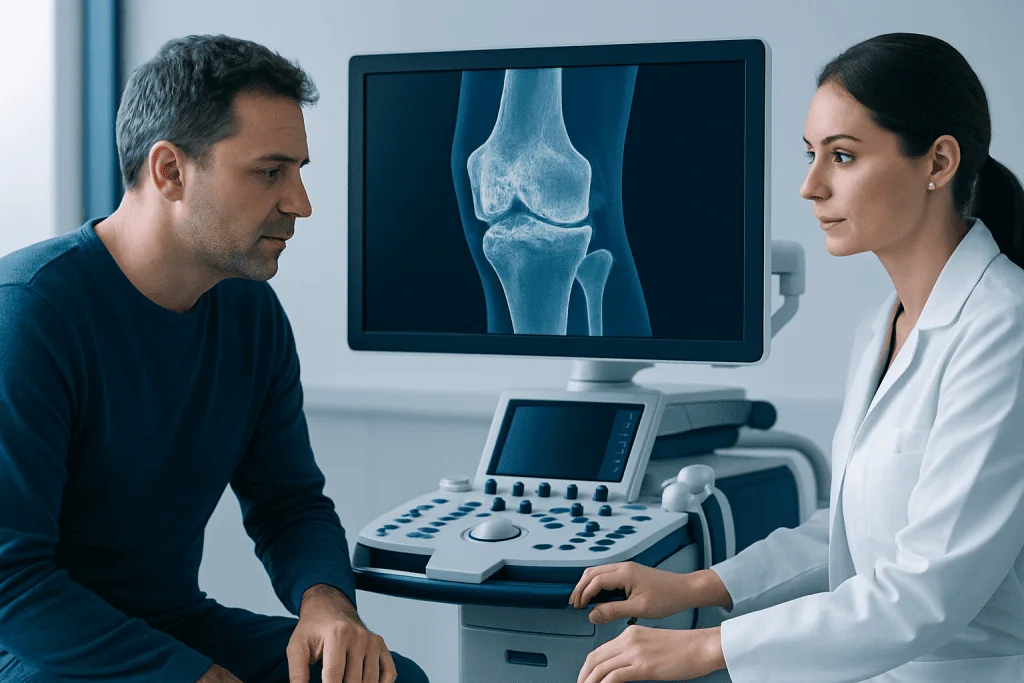
Cartilage itself does not always cause symptoms when it first changes, but joint problems often become noticeable as the tissue wears down. Pain may appear during activity, after activity, or when pressure is placed on the joint. Some people first notice stiffness, especially after resting or in the morning.
Other common signs can include swelling, reduced range of motion, clicking, popping, catching, or a feeling that the joint is not moving smoothly. The exact symptoms depend on which joint is affected and how much damage has occurred.
- Pain with movement or weight-bearing
- Stiffness after inactivity
- Swelling or a feeling of fullness in the joint
- Grinding, clicking, or creaking sounds
- Reduced flexibility or difficulty using the joint normally
These symptoms do not always mean cartilage is the only problem. Tendons, ligaments, muscles, the joint lining, and nearby bones can also contribute, which is why a proper evaluation is important.
Causes & Risk Factors
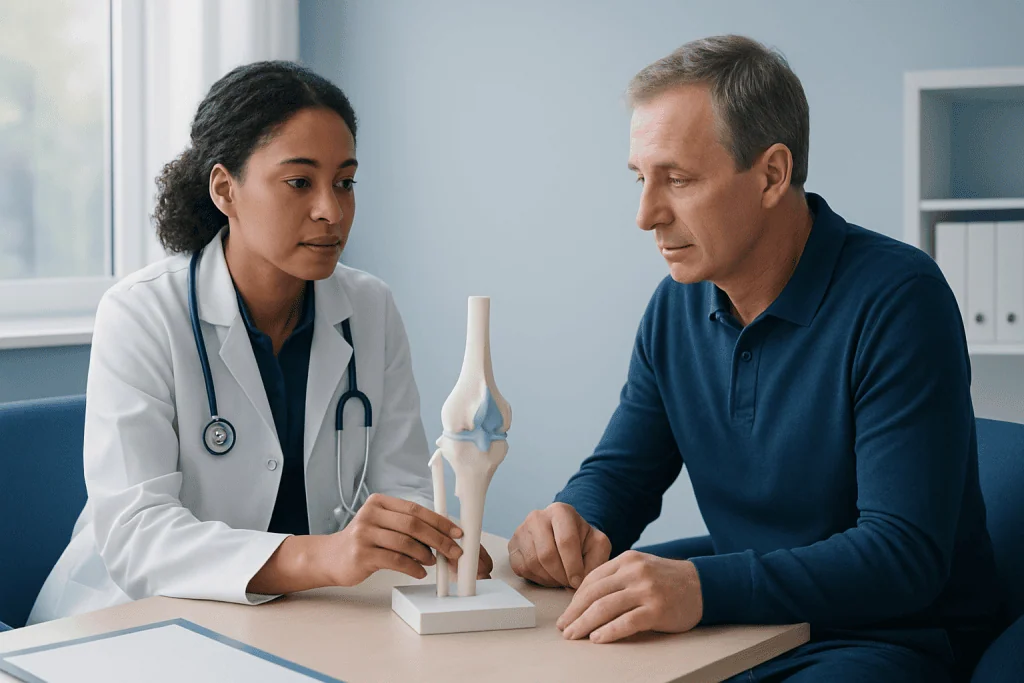
Cartilage damage can happen gradually or after a specific injury. Repetitive stress from sports, heavy work, or certain movements may slowly wear cartilage down. A twist, fall, or direct impact can also injure cartilage more suddenly.
Age is a major risk factor because cartilage becomes less resilient over time. Excess body weight can increase stress on weight-bearing joints such as the knees, hips, and ankles. Family history, prior joint injuries, and some structural differences in the joints may also raise the chance of cartilage problems.
Inflammatory joint diseases, such as certain forms of arthritis, can damage cartilage as part of a broader joint process. Weak muscles around a joint may add stress as well, because they provide less support during movement.
In many people, cartilage problems develop through a combination of factors rather than one single cause. Understanding these contributors can help guide practical prevention and treatment choices.
Diagnosis
Doctors usually begin with a medical history and physical examination. They ask about pain patterns, stiffness, injuries, activity level, and whether the symptoms are affecting daily life. The exam helps assess range of motion, joint stability, swelling, and tenderness.
Imaging tests may be used to look for cartilage loss or the effects it has on surrounding structures. X-rays can show narrowing of joint space or bone changes, while MRI provides a more detailed view of cartilage, ligaments, and soft tissues. In some cases, ultrasound or other tests may be helpful depending on the joint involved.
Because cartilage cannot always be seen clearly on routine exams, diagnosis often focuses on the overall picture rather than one single test. The goal is to identify what is causing symptoms and how much the joint is being affected.
Treatment Options
Treatment depends on the joint, the extent of damage, and the person’s symptoms and activity goals. Many cases begin with conservative care aimed at reducing pain, protecting the joint, and improving function. Rest from aggravating activities, activity modification, and physical therapy are commonly recommended.
Rehabilitation often focuses on strengthening the muscles around the joint, improving balance, and restoring movement in a controlled way. Weight management may also help reduce load on weight-bearing joints. Symptom-relief approaches can include heat or cold, braces, or other supportive devices, depending on the situation.
When symptoms persist or cartilage injury is more advanced, doctors may discuss other options such as injections or procedures to address the underlying joint problem. In selected cases, cartilage repair or joint-preserving surgery may be considered. For more advanced joint damage, a specialist may discuss surgical treatment options such as joint replacement or, when appropriate, arthroscopy to assess and treat damaged joint structures.
The best plan is individualized. A qualified orthopedist or musculoskeletal specialist can explain which approach is most suitable based on the joint, age, activity level, and overall health.
Prevention & Self-care
While cartilage cannot be made indestructible, many habits can help protect joints over time. Regular low-impact exercise, such as walking, swimming, or cycling, may support joint movement and strengthen the muscles that stabilize the joint. Good warm-up habits before sports or strenuous activity can also reduce unnecessary stress.
Maintaining a healthy body weight can lower pressure on weight-bearing joints. Using proper technique during exercise, lifting, and work tasks may help prevent repetitive strain. Supportive footwear and appropriate protective gear can matter as well, especially for people who are active in sports.
Self-care also includes noticing early changes. Mild pain, stiffness, or swelling that keeps returning should not be ignored. Early evaluation gives people a better chance to protect remaining cartilage and maintain function.
For some patients, ongoing care may include guided exercise, posture and movement advice, and follow-up visits to monitor the joint. Acibadem International’s multidisciplinary specialists and JCI-accredited hospitals diagnose and treat joint conditions for international patients in a coordinated, patient-centered way.
When to See a Doctor
Medical advice is important if joint pain lasts more than a short time, keeps returning, or interferes with work, sleep, exercise, or daily tasks. Swelling, locking, catching, instability, or a clear loss of motion should also be assessed.
Anyone with a joint injury followed by pain, difficulty bearing weight, or worsening symptoms should see a doctor for evaluation. It is especially important to seek care if the joint becomes hot, very swollen, or difficult to use, because these signs may point to causes that need prompt attention.
Early assessment does not always mean surgery or advanced treatment. Often, it simply helps identify the problem sooner and supports a more effective, less disruptive care plan.
Frequently asked questions
What does cartilage do in a joint?
Cartilage provides a smooth, cushioned surface at the ends of bones. It helps joints move with less friction and absorbs some of the force from everyday activity.
Can cartilage grow back once it is damaged?
Cartilage has a limited ability to repair itself because it has little blood supply. Minor problems may improve with reduced stress and rehabilitation, but more significant damage may not fully regenerate on its own.
What causes cartilage to wear down?
Common causes include aging, repeated stress, injury, excess body weight, and inflammatory joint conditions. In many people, more than one factor contributes over time.
How do doctors check for cartilage damage?
Doctors usually start with a physical exam and symptom review. Imaging such as X-rays or MRI may be used to look for joint-space narrowing, swelling, or associated soft tissue injury.
Can exercise help protect joint cartilage?
Yes. Regular low-impact exercise can strengthen the muscles that support a joint and help it move more efficiently. The key is choosing activities that do not repeatedly aggravate pain or swelling.
Is joint cartilage pain always a sign of arthritis?
Not always. Cartilage-related symptoms can happen after injury or overuse, and other joint structures can cause similar pain. A doctor can help determine the exact cause and the best next step.
References
- American Academy of Orthopaedic Surgeons
- Mayo Clinic
- National Institute of Arthritis and Musculoskeletal and Skin Diseases
- Arthritis Foundation
- World Health Organization
This article is for general information only and is not a substitute for professional medical advice. Please consult a qualified doctor about your individual situation.
Joint and spine care in Turkey — expert assessment & treatment
JCI-accredited · board-certified surgeons · reply within 24h
Add us as a Preferred Source to see more of our trusted health content across Google Search, AI Overviews and Discover.