Vitamin D, Calcium, and Other Nutrients for Bone and Joint Health

Calcium helps build and maintain bone tissue, while vitamin D supports calcium absorption. Protein, magnesium, vitamin K, and other nutrients also contribute to healthy bones and muscles.
Key Takeaways
- Calcium helps build and maintain bone tissue, while vitamin D supports calcium absorption.
- Protein, magnesium, vitamin K, and other nutrients also contribute to healthy bones and muscles.
- Diet, age, hormones, activity level, and certain medical conditions can affect bone health.
- Supplements may help some people, but they should be chosen based on individual needs and medical advice.
- Bone-friendly habits such as weight-bearing exercise, not smoking, and limiting excess alcohol support long-term musculoskeletal health.
Vitamin D, calcium, and several other nutrients work together to support bone strength, muscle function, and joint movement. A balanced diet, sensible sun exposure, and the right medical advice can help people protect bone and joint health at every age.
Overview
Bone health depends on more than a single nutrient. The body needs a steady supply of calcium, vitamin D, protein, and other vitamins and minerals to build bone during growth, maintain bone strength in adulthood, and slow age-related loss later in life.
Joints also benefit indirectly from good nutrition because strong bones, healthy muscles, and normal body weight reduce stress on the musculoskeletal system. While nutrients cannot replace treatment for arthritis, osteoporosis, or other bone and joint conditions, they are an important part of prevention and overall care.
For people who already have a diagnosed bone condition, a doctor may recommend diet changes, blood tests, imaging, or medications alongside nutrition support. In some cases, bone-focused treatments such as osteoporosis treatment may be discussed to reduce fracture risk and preserve function.
Symptoms of Poor Bone Health
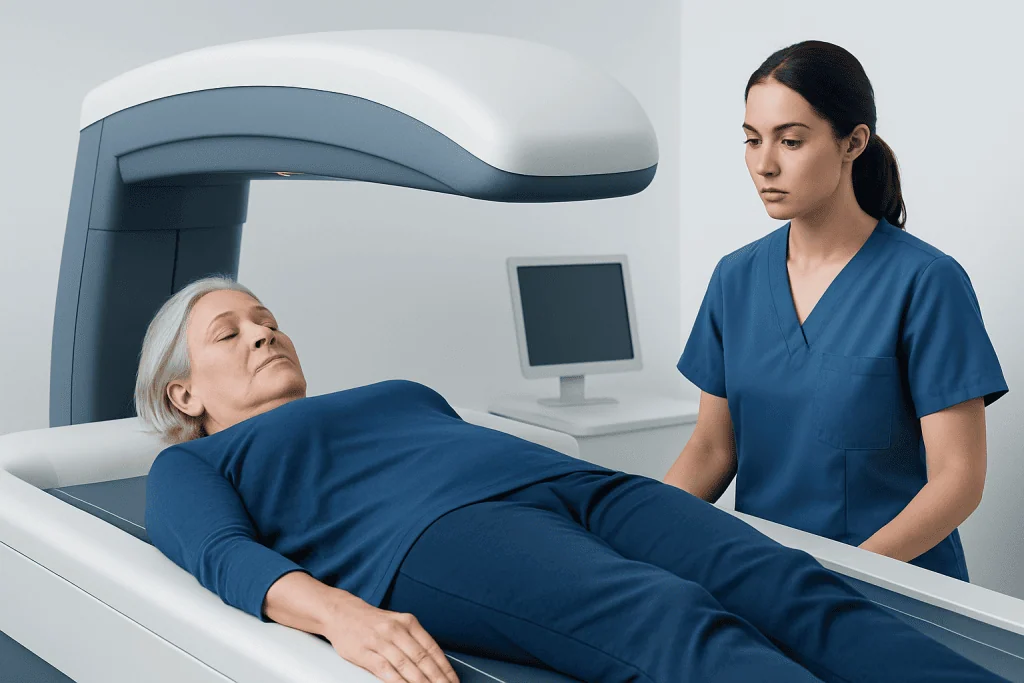
Early bone loss usually does not cause symptoms, which is why many people do not realize there is a problem until a fracture occurs. Over time, signs may include back pain, loss of height, a stooped posture, or bones that break more easily than expected.
Nutrient deficiencies can also affect the muscles that support joints and bones. Low vitamin D, for example, may be associated with muscle weakness, aching, or a general sense of fatigue in some people, although these symptoms are not specific and can have many causes.
Joint discomfort is not always caused by a vitamin deficiency. Persistent swelling, warmth, stiffness, or reduced range of motion should be evaluated, because these features may suggest arthritis, injury, or another condition that needs a different treatment plan.
Key Nutrients for Bone and Joint Health

Calcium is the main mineral in bones and teeth. It gives the skeleton structure and is needed throughout life because bone is constantly being broken down and rebuilt. When the diet does not provide enough calcium, the body may draw on bone stores.
Vitamin D helps the body absorb calcium from food and supplements. It also supports muscle function, which matters because strong muscles help stabilize joints and reduce fall risk. People get vitamin D from sunlight, foods such as oily fish, eggs, and fortified products, and sometimes supplements.
Protein supports bone matrix and muscle maintenance. Magnesium and phosphorus are also involved in bone structure, while vitamin K helps regulate proteins linked to bone formation. In addition, vitamin C contributes to collagen production, which supports connective tissues.
Other nutrients may matter as part of a balanced pattern, including zinc, potassium, and omega-3 fatty acids. No single nutrient acts alone; bone health is best supported by a varied diet that meets overall nutritional needs.
Causes & Risk Factors
Low calcium intake, limited sun exposure, reduced physical activity, and older age can all increase the chance of poor bone health. Menopause, low body weight, smoking, heavy alcohol intake, and family history of fractures are additional risk factors for bone loss.
Certain medical conditions can interfere with nutrient absorption or bone metabolism. Examples include celiac disease, inflammatory bowel disease, chronic kidney disease, thyroid disorders, and some hormonal conditions. Long-term use of specific medicines, including some steroids, may also weaken bone over time.
Dietary patterns matter as well. Very restrictive eating, eating disorders, and low overall calorie intake can reduce the nutrients needed to maintain bone and muscle. For older adults, reduced appetite, dental problems, and limited mobility may make it harder to eat enough nutrient-rich foods.
Diagnosis
Doctors assess bone and joint health by combining medical history, physical examination, and, when needed, tests. They may ask about diet, exercise, fractures, menstrual history, medications, and family history to estimate fracture risk and identify reversible causes of deficiency.
Blood tests may be used to check vitamin D status, calcium, kidney function, and other markers. If osteoporosis or significant bone loss is suspected, a bone density test can help measure fracture risk and guide treatment decisions.
When joint symptoms are present, the doctor may consider other causes such as osteoarthritis, inflammatory arthritis, gout, or infection. Imaging and additional labs may be needed if the pattern of pain, swelling, or stiffness suggests a problem beyond nutrient deficiency.
Treatment Options
Treatment depends on the underlying issue. If a person is not getting enough calcium or vitamin D, the first step is usually improving the diet and addressing factors that limit absorption, sun exposure, or intake. A doctor may also recommend supplements if food sources are not enough.
For people at higher risk of fracture or with osteoporosis, nutrition is only one part of care. Depending on the situation, medication, physical therapy, fall prevention, and lifestyle changes may be added. In some cases, doctors may also discuss targeted nutritional support or procedures related to underlying joint disease, such as joint replacement surgery when structural damage is advanced.
It is important not to start high-dose supplements without guidance. Excess calcium or vitamin D can cause problems in some people, especially those with kidney disease, certain hormonal disorders, or a history of kidney stones. A clinician can help choose the safest plan based on age, lab results, and overall health.
Prevention & Self-care
A bone-friendly diet should include calcium-rich foods such as dairy products, calcium-fortified plant drinks, tofu made with calcium, leafy greens, almonds, and canned fish with edible bones. Protein sources, fruits, vegetables, and whole grains also support overall musculoskeletal health.
Regular weight-bearing and muscle-strengthening exercise helps bones stay strong and improves balance. Walking, stair climbing, dancing, resistance training, and similar activities can be helpful when matched to a person’s fitness level and medical condition.
Good self-care also includes avoiding smoking, limiting alcohol, maintaining a healthy body weight, and getting enough sleep. Some people need extra vitamin D depending on where they live, how much time they spend outdoors, skin tone, age, and medical history, so the best approach is individualized rather than one-size-fits-all.
If supplements are considered, they should be selected carefully and used as directed by a qualified clinician. A doctor may also recommend periodic review of nutrition, medications, and fracture risk, especially after menopause, after age 50, or after a bone injury.
When to See a Doctor
A doctor should be consulted if there is unexplained bone pain, repeated fractures, a noticeable loss of height, or back pain with posture changes. New joint swelling, warmth, redness, or stiffness that lasts for several weeks also deserves medical evaluation.
People who have risk factors such as menopause, long-term steroid use, digestive disease, kidney disease, or a history of low vitamin D may benefit from a preventive discussion even if they feel well. Early assessment can help identify problems before a fracture or major loss of function occurs.
If someone is already taking supplements but still feels unwell, the dose, absorption, or diagnosis may need to be reviewed. Acibadem International’s multidisciplinary specialists and JCI-accredited hospitals evaluate and treat bone and joint conditions for international patients in a coordinated, patient-centered way.
Frequently asked questions
How much vitamin D and calcium does a person need?
Needs vary by age, sex, life stage, and medical history, so there is no single answer for everyone. A doctor or dietitian can help determine the right intake from food and, if needed, supplements based on individual risk factors and test results.
Can supplements replace a healthy diet for bone health?
Supplements can help fill nutritional gaps, but they do not replace a balanced diet. Bone health improves best when nutrients come from a combination of food, activity, and medical care when needed.
Is sunlight enough to get enough vitamin D?
For some people it may be, but many do not make enough vitamin D from sunlight alone because of season, latitude, skin tone, age, or time spent indoors. Foods and supplements may still be needed, especially when a deficiency is documented.
Does calcium help joint pain?
Calcium supports bone strength, but it is not a treatment for most causes of joint pain. Joint pain is often related to osteoarthritis, injury, inflammation, or another condition that should be assessed separately.
What foods are best for bone health?
Dairy foods, fortified plant milks, tofu made with calcium, leafy greens, fish with edible bones, beans, nuts, and protein-rich foods are all useful choices. A varied diet is usually more effective than focusing on one “superfood.”
Who is most likely to need bone health testing?
People with menopause, older age, low body weight, fractures, long-term steroid use, digestive disorders, kidney disease, or a family history of osteoporosis may benefit from testing. A clinician can decide whether blood tests or a bone density scan is appropriate.
References
- World Health Organization
- National Institutes of Health Office of Dietary Supplements
- International Osteoporosis Foundation
- Bone Health & Osteoporosis Foundation
This article is for general information only and is not a substitute for professional medical advice. Please consult a qualified doctor about your individual situation.
Joint and spine care in Turkey — expert assessment & treatment
JCI-accredited · board-certified surgeons · reply within 24h
Add us as a Preferred Source to see more of our trusted health content across Google Search, AI Overviews and Discover.
Check your numbers in seconds
BMI, calories, due date, blood pressure and 30+ more clinical calculators — free, instant, doctor-reviewed ranges.

More from the Health Library



Related Specialists

Assoc. Prof. Dr. Mirza Zafer Dağtaş
Orthopedic Surgery & Traumatology
Dr. Atilay Büker
Radiology
Dilem Kadıoğlu
Physical Medicine & Rehabilitation
Dr. Hikmet Toy
Ear Nose & Throat