How to Strengthen Bones and Joints Naturally: Diet, Exercise, and Habits

Bones need enough calcium, vitamin D, protein, and other nutrients to stay strong. Weight-bearing and strength exercises help maintain bone density and support the muscles around joints.
Key Takeaways
- Bones need enough calcium, vitamin D, protein, and other nutrients to stay strong.
- Weight-bearing and strength exercises help maintain bone density and support the muscles around joints.
- Healthy body weight, good posture, and proper movement mechanics can reduce joint stress.
- Sleep, hydration, and smoking cessation are important parts of long-term bone and joint care.
- Persistent pain, swelling, deformity, or loss of function should be assessed by a doctor.
Healthy bones and joints are supported by daily habits that work together: nourishing food, regular movement, good posture, adequate sleep, and avoiding smoking. Small, consistent changes can help protect mobility, reduce stiffness, and support strength over time.
Overview
Bones and joints work best when they are supported by a healthy lifestyle over many years. Bones need regular mechanical stress to stay strong, while joints benefit from flexible muscles, healthy cartilage support, and stable surrounding tissues. Natural care is therefore not about a single food or exercise, but about a steady routine that helps the whole musculoskeletal system.
Many people begin thinking about bone and joint health only after pain or stiffness appears. In reality, prevention starts earlier. A balanced diet, regular activity, enough sleep, and sensible body mechanics can help reduce wear and tear, maintain mobility, and support a more active life at any age.
This article explains practical, evidence-based ways to support bones and joints naturally. It also outlines common warning signs that suggest medical assessment is needed, because ongoing pain or weakness should not be ignored even when home care is in place.
Symptoms That May Suggest Weak Bones or Stressed Joints
Weak bones do not always cause obvious symptoms until a fracture or bone loss becomes more advanced. Still, certain clues may suggest bone health deserves attention, such as frequent fractures after minor injuries, height loss over time, stooped posture, or back pain that may be related to compression fractures.
Joint problems often present more directly. Common signs include stiffness, swelling, tenderness, reduced range of motion, popping or grinding sensations, and pain that worsens with activity or after sitting for a long time. Morning stiffness that improves with movement can sometimes point to inflammatory conditions, while pain after repeated use may be more typical of mechanical strain.
Muscle weakness around a joint can also make symptoms worse. For example, weak thigh muscles can increase stress on the knees, and weak core and hip muscles can affect the spine. Because symptoms can overlap, a doctor may help identify whether the main issue is bone, joint, muscle, tendon, or nerve related.
Causes & Risk Factors
Bone and joint health is influenced by age, genetics, hormones, nutrition, activity level, and medical conditions. Bone density naturally decreases with age, and the risk of osteoporosis rises after menopause and in some men as they grow older. People with a family history of fractures or bone loss may also be at higher risk.
Diet plays a major role. Low intake of calcium, vitamin D, protein, and other key nutrients can weaken bone structure over time. Being underweight, having eating disorders, or following a restrictive diet without proper planning may also reduce bone strength. On the joint side, excess body weight, repeated strain, poor posture, and previous injuries can increase stress on cartilage, ligaments, and tendons.
Some medical conditions and medicines can affect bones and joints as well. Endocrine disorders, autoimmune diseases, chronic kidney disease, long-term steroid use, and reduced mobility can all contribute to weakening. If a person has one or more risk factors, preventive care becomes especially important.
Diagnosis
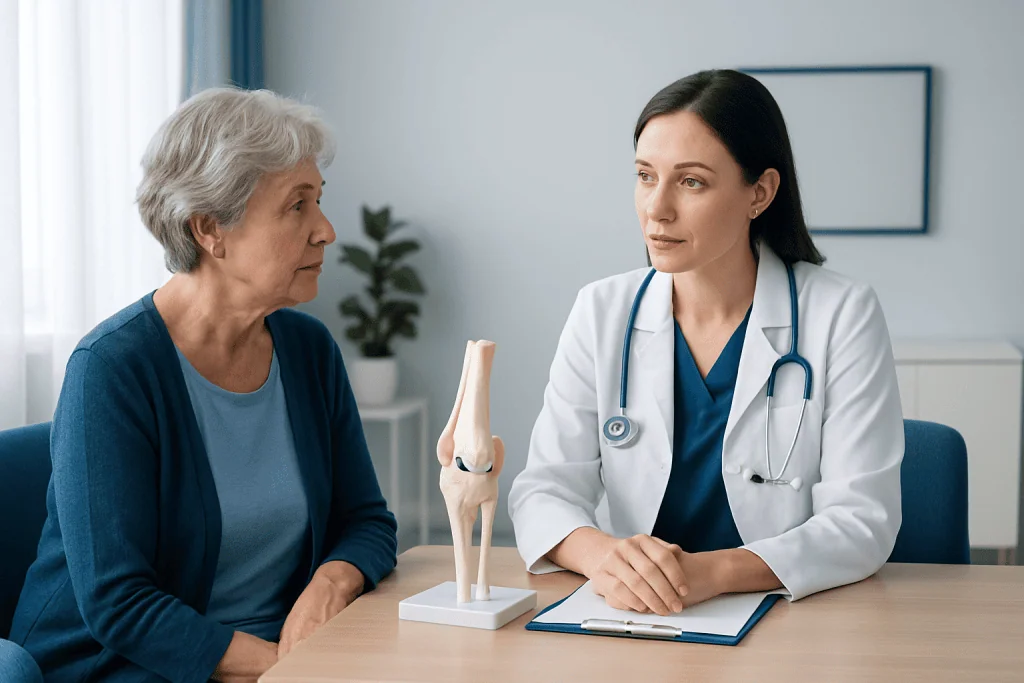
When bone or joint symptoms are persistent, a doctor may begin with a medical history and physical examination. They may ask about pain pattern, stiffness, injuries, family history, medications, exercise habits, and dietary intake. The exam helps assess alignment, swelling, tenderness, stability, range of motion, and muscle strength.
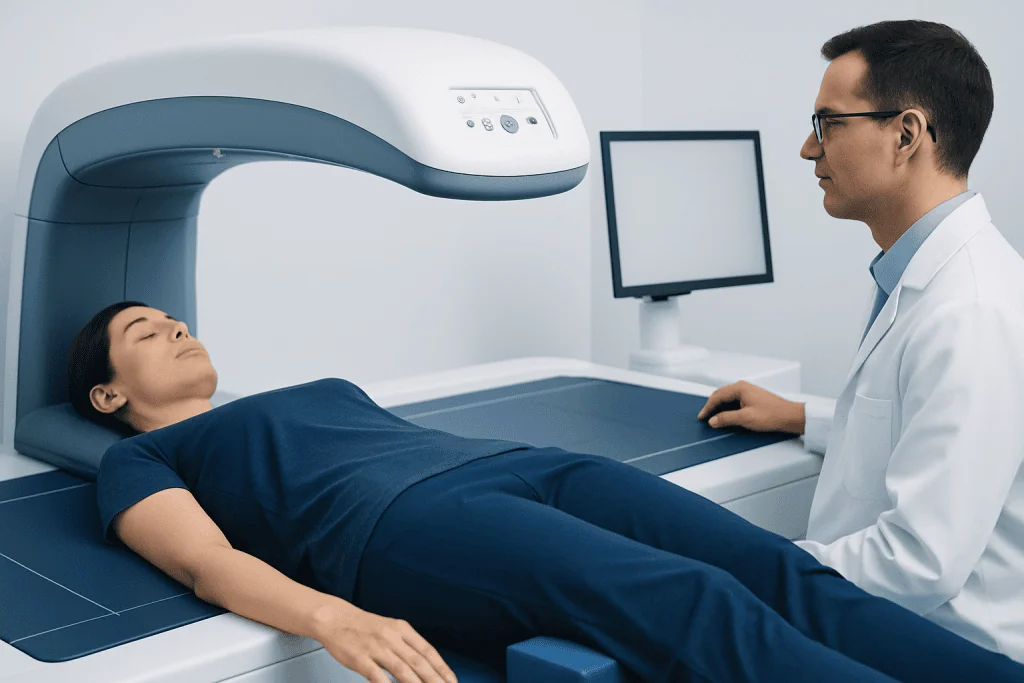
Depending on the concern, tests may include blood work to look for inflammation, vitamin D deficiency, calcium balance, or other underlying issues. Imaging studies can also be useful. X-rays may show arthritis changes or fractures, while more specialized imaging can evaluate soft tissues or bone density. In people at risk for osteoporosis, bone density testing may help estimate fracture risk and guide prevention.
Diagnosis is important because not all pain comes from the same source. A clear assessment helps determine whether the best approach is exercise modification, nutrition improvement, physical therapy, medication, or a combination of strategies. Bone density testing is often considered when doctors want to measure bone strength more precisely.
Treatment Options
Natural strategies are often the foundation of bone and joint care, but treatment should be individualized. A person with early bone loss may benefit most from nutrition, exercise, and lifestyle changes, while someone with advanced arthritis or a fracture may need more structured medical treatment. The goal is to protect function, relieve symptoms, and prevent further damage.
Exercise is one of the most effective tools. Weight-bearing activities such as walking, stair climbing, dancing, and low-impact jogging can stimulate bone maintenance. Strength training helps the muscles support the skeleton and joints more efficiently. Balance and flexibility work may reduce falls and improve movement quality. A physical therapist or orthopedist can suggest a safe plan, and in some cases physical therapy can help restore function and reduce strain.
For joint symptoms, supportive measures may include activity modification, targeted strengthening, posture correction, and assistive devices when needed. In certain conditions, doctors may recommend anti-inflammatory medicines, injections, or procedures. For structural problems, specialist evaluation may be helpful, including orthopedic surgery when conservative care is not enough. For back-related issues, spine surgery is reserved for selected cases after careful assessment.
Nutrition also matters throughout treatment. Adequate calcium, vitamin D, protein, and overall calories support tissue repair and maintenance. If a deficiency or medical condition is present, treatment may include correction of the underlying cause in addition to lifestyle measures.
Diet for Strong Bones and Healthy Joints
A bone-friendly diet centers on regular intake of calcium, vitamin D, protein, and a wide variety of nutrients from whole foods. Calcium is important for bone structure, while vitamin D helps the body absorb calcium effectively. Protein supports bone matrix and the muscles that stabilize joints.
Good food choices include dairy products or fortified alternatives, leafy greens, legumes, tofu made with calcium, fish with edible bones, eggs, nuts, seeds, whole grains, fruits, and vegetables. Omega-3-rich foods such as fatty fish, walnuts, and flaxseed may support a healthy inflammatory balance. Colorful produce provides antioxidants that contribute to overall tissue health.
It is also wise to limit habits that can work against bone and joint health. Excess alcohol may interfere with bone remodeling and increase fall risk. Highly processed diets, very high sodium intake, and chronically low protein intake can be unhelpful. For people with special dietary needs, a registered dietitian can help create a balanced plan that meets nutrient requirements without unnecessary restriction.
Exercise, Posture, and Movement Habits
Movement is essential because bones respond to regular loading. The best routine usually combines weight-bearing exercise, muscle strengthening, flexibility, and balance training. Walking, hiking, dancing, and stair climbing are accessible ways to support bone health, while resistance bands, free weights, or bodyweight exercises can strengthen the muscles that protect joints.
Good technique matters. Sudden increases in exercise intensity can lead to strain, so it is best to progress gradually and include warm-up and cool-down time. People with pain, osteoporosis, arthritis, or a history of injury should choose exercises that fit their condition. A clinician or physical therapist can help identify movements that are helpful rather than harmful.
Posture and movement habits also influence joint load. Keeping screens at eye level, lifting with the legs rather than the back, using supportive footwear, and taking breaks from prolonged sitting can all reduce stress. Gentle mobility work during the day may help stiffness, especially for the neck, shoulders, hips, and lower back.
For some people, regular supervised rehabilitation is the safest way to build strength. This is especially true after injury, surgery, or prolonged inactivity. The aim is not perfection; it is consistent, safe movement that supports long-term function.
Prevention & Self-care
Prevention works best when several habits are combined. A practical routine includes a nutrient-rich diet, regular exercise, sufficient sleep, hydration, and healthy body weight management. Sleep is important because tissue repair and hormonal regulation occur during rest, and fatigue can increase the risk of poor movement mechanics and falls.
Smoking cessation is one of the most valuable steps for bone and joint health. Smoking can negatively affect circulation, healing, and bone metabolism. People who smoke and are trying to improve bone health may benefit from structured support from a doctor or cessation program.
Falls prevention also matters, especially in older adults. Good lighting, clutter-free walkways, secure footwear, vision checks, and balance training can reduce risk. People who take medications that affect balance or have a history of falls should discuss home safety and exercise choices with a clinician.
Most importantly, self-care should be realistic and sustainable. A brief daily walk, a protein-rich meal, and a few strength exercises done consistently can be more effective than ambitious plans that are difficult to maintain.
When to See a Doctor
Medical evaluation is recommended if bone or joint pain lasts more than a few weeks, keeps returning, or limits daily activities. A doctor should also assess swelling, redness, warmth, deformity, locking, instability, numbness, or weakness. These symptoms may indicate a problem that needs diagnosis rather than just rest or home care.
People should seek care after any significant injury, especially if they cannot bear weight, use a limb normally, or suspect a fracture. Sudden back pain with height loss, changes in posture, or pain after a minor fall may also deserve evaluation, particularly in older adults or those at risk for osteoporosis.
For ongoing concerns, an early assessment can prevent complications and help preserve mobility. Acibadem International’s multidisciplinary specialists and JCI-accredited hospitals can diagnose and treat bone, joint, and spine conditions for international patients in a coordinated setting.
Frequently asked questions
Can bones and joints really be strengthened naturally?
Yes. Bones respond to regular weight-bearing and strength activity, while joints benefit from stable muscles, healthy movement, and good nutrition. Natural measures work best when used consistently over time and matched to the person’s age, health, and activity level.
What foods are best for bone strength?
Foods rich in calcium and protein are especially helpful, along with vitamin D sources and a wide range of fruits and vegetables. Dairy products, fortified plant milks, leafy greens, beans, fish, nuts, and seeds can all be part of a bone-supportive diet.
Is exercise safe if the joints already hurt?
Often yes, but the type and intensity of exercise should be adjusted. Low-impact movement, gentle strengthening, and professional guidance can help many people stay active without overloading painful joints. Persistent or severe pain should be evaluated before continuing.
Does walking help bone health?
Walking is a useful weight-bearing exercise and supports general mobility and balance. It may not be enough on its own for everyone, so combining walking with strength training and balance work is often more effective.
When should osteoporosis be checked?
Osteoporosis screening is often considered when age, menopause, family history, fractures, or other risk factors raise concern. A doctor can decide whether bone density testing is appropriate based on the person’s overall risk profile.
Can posture really affect spine and joint health?
Yes. Poor posture can increase strain on the neck, shoulders, back, hips, and knees over time. Simple changes such as sitting well, using ergonomic setups, and strengthening the core and supporting muscles can make a meaningful difference.
References
- World Health Organization
- National Institute of Arthritis and Musculoskeletal and Skin Diseases
- National Osteoporosis Foundation
- Mayo Clinic
This article is for general information only and is not a substitute for professional medical advice. Please consult a qualified doctor about your individual situation.
Joint and spine care in Turkey — expert assessment & treatment
JCI-accredited · board-certified surgeons · reply within 24h
Add us as a Preferred Source to see more of our trusted health content across Google Search, AI Overviews and Discover.