Brain Aneurysm Symptoms: When It Becomes an Emergency

Many brain aneurysms cause no symptoms until they leak or rupture. A sudden, severe headache is one of the most important emergency warning signs.
Key Takeaways
- Many brain aneurysms cause no symptoms until they leak or rupture.
- A sudden, severe headache is one of the most important emergency warning signs.
- Vision changes, neck stiffness, nausea, and weakness can also signal a serious problem.
- Diagnosis often uses brain imaging such as CT, CTA, MRI, or angiography.
- Treatment may include careful monitoring, endovascular procedures, or surgery depending on size, location, and rupture risk.
A brain aneurysm is a bulge in a blood vessel in the brain that may cause no symptoms until it leaks or ruptures. Knowing the warning signs, especially sudden severe headache and neurological changes, can help a person seek urgent care quickly.
Overview
A brain aneurysm is a weak, balloon-like area in the wall of an artery in the brain. Some aneurysms remain stable for years and are found by chance during imaging done for another reason. Others grow larger over time and may eventually leak or rupture.
The main concern is not the aneurysm itself, but the possibility of bleeding in or around the brain. When rupture happens, it is a medical emergency and can lead to a type of stroke called subarachnoid hemorrhage. In this setting, rapid evaluation and treatment are critical.
Many people search for brain aneurysm symptoms because the condition can be silent until it becomes dangerous. Understanding the difference between mild, nonspecific complaints and true emergency signs can help a person respond appropriately.
Symptoms
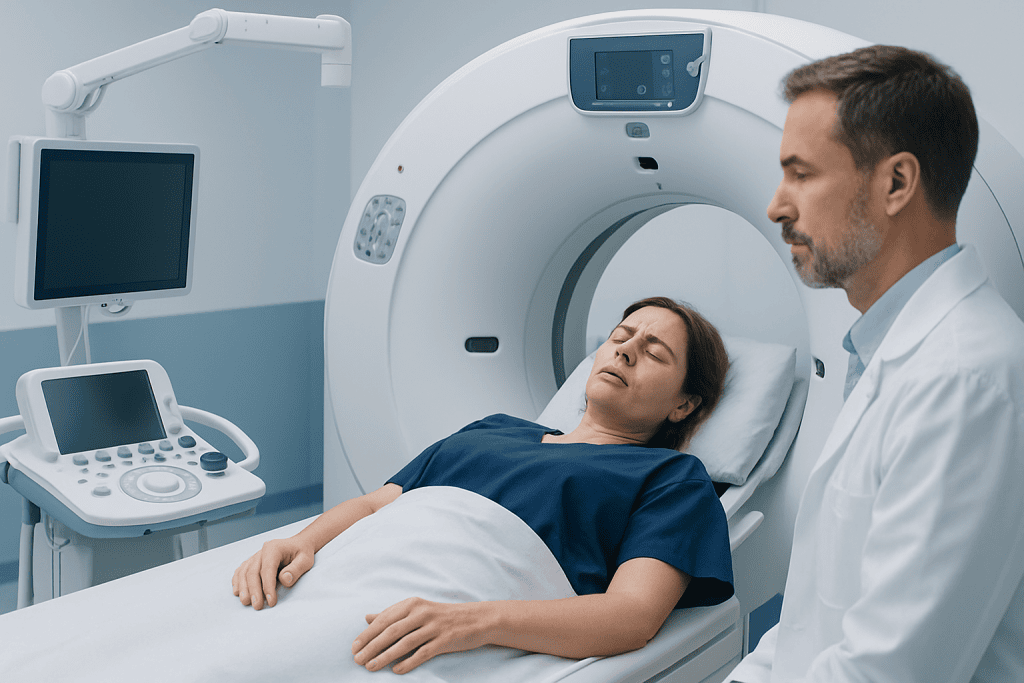
Unruptured brain aneurysms often do not cause any symptoms. When they do, the signs may depend on the aneurysm’s size and location. A growing aneurysm can press on nearby nerves or structures and lead to warning symptoms such as pain above or behind one eye, blurred or double vision, drooping eyelid, or pupil changes.
If an aneurysm leaks or ruptures, symptoms usually appear suddenly. The most recognized sign is a severe headache that starts abruptly and is often described as the “worst headache” a person has ever felt. This may be accompanied by nausea, vomiting, sensitivity to light, neck stiffness, confusion, dizziness, or fainting.
Other emergency symptoms can include weakness or numbness on one side of the body, difficulty speaking, trouble walking, seizures, or a sudden drop in alertness. These signs may overlap with other neurological emergencies, so immediate medical assessment is important even if the cause is not yet known. A ruptured aneurysm can present similarly to a stroke, and stroke symptoms should always be treated urgently.
Causes & Risk Factors

Brain aneurysms develop when the wall of an artery weakens. The exact reason for this weakening is not always clear, but it may involve a combination of inherited tendencies and long-term stress on the vessel wall. Some aneurysms are present from birth, while others develop later in life.
Risk factors include high blood pressure, smoking, certain connective tissue disorders, a family history of brain aneurysm, and a personal history of aneurysms. Age can also play a role, as aneurysms are more commonly detected in adults. In some people, blood vessel abnormalities or previous head injury may contribute, although these are less common causes.
Not every person with a risk factor will develop an aneurysm, and not every aneurysm will rupture. Doctors usually look at the size, shape, and location of the aneurysm, along with the person’s health history, to estimate risk and decide on monitoring or treatment.
Diagnosis
When a brain aneurysm is suspected, doctors begin with a detailed medical history and neurological examination. If symptoms suggest a rupture, urgent imaging is usually performed right away. A non-contrast CT scan is often the first test because it can quickly detect bleeding in the brain.
To look more closely at the blood vessels, physicians may use CT angiography (CTA), MRI, or MR angiography. In some cases, a cerebral angiogram is needed because it provides highly detailed images of the vessels and can help plan treatment. If a ruptured aneurysm is not clearly seen on early tests, additional evaluation may still be needed based on symptoms and exam findings.
Diagnosis is not only about finding the aneurysm, but also about determining whether it has ruptured and whether there is ongoing risk of bleeding or stroke. This is why specialist evaluation by neurology, neurosurgery, and interventional teams is often part of the process.
Treatment Options
Treatment depends on whether the aneurysm has ruptured, its size and shape, and the person’s overall condition. Small unruptured aneurysms may be monitored with regular imaging and control of risk factors. In other cases, treatment is recommended to lower the chance of rupture.
Two common treatment approaches are endovascular coiling and surgical clipping. Coiling is performed from inside the blood vessels, usually through a catheter, to fill the aneurysm and reduce blood flow into it. Surgical clipping is an operation in which a small clip is placed at the base of the aneurysm to isolate it from circulation. The most suitable option depends on anatomy and clinical factors, and the care team may discuss both options when relevant. For patients needing minimally invasive care, endovascular coiling is one of the well-established approaches.
If a rupture has occurred, treatment also focuses on stabilizing the person, controlling blood pressure carefully, and preventing complications such as rebleeding, vasospasm, or hydrocephalus. In some cases, neurosurgery may be needed urgently or electively, depending on the aneurysm and the bleeding pattern. If there is concern for recovery after a neurological event, neurology teams and intensive monitoring are often involved.
Prevention & Self-care
Not all aneurysms can be prevented, but healthy habits may lower vascular risk and support overall brain health. People who smoke are usually advised to quit, and blood pressure should be managed carefully if it is elevated. Limiting heavy alcohol use, staying physically active as advised by a clinician, and following treatment plans for chronic conditions are also helpful.
For someone already diagnosed with an unruptured aneurysm, self-care may include keeping follow-up appointments, taking prescribed medicines consistently, and reporting any new neurological symptoms promptly. It is also important to avoid stopping blood pressure medicines without medical advice and to ask the doctor whether any activities should be limited.
When a person is waiting for specialist review, it can help to keep a simple list of symptoms, medications, and past test results. This makes follow-up visits more efficient and supports shared decision-making about observation versus intervention. If an aneurysm is being monitored rather than treated, the doctor will usually recommend periodic imaging to watch for change.
When to See a Doctor
Any sudden, severe headache deserves urgent medical attention, especially if it is unusual for the person. Emergency care is also needed if headache occurs with vomiting, neck stiffness, confusion, fainting, seizures, vision changes, weakness, numbness, or difficulty speaking. Even if symptoms improve, they should still be evaluated promptly.
A person should also seek medical advice if they have a known brain aneurysm and develop new neurological symptoms, new eye symptoms, or a dramatic change in headache pattern. People with a strong family history of aneurysm may wish to ask a doctor whether screening is appropriate, particularly if other risk factors such as smoking or high blood pressure are present.
For international patients, Acibadem International brings together multidisciplinary specialists in JCI-accredited hospitals to diagnose and treat brain aneurysms with coordinated care. The right team can help clarify whether observation or intervention is safest for the individual situation.
Living With a Brain Aneurysm Diagnosis
Being told that an aneurysm is present can feel unsettling, but many people do well with careful follow-up and appropriate treatment when needed. The key is understanding the specific risk in that individual case rather than assuming that every aneurysm will rupture.
Doctors may recommend repeat imaging, blood pressure management, and a review of lifestyle factors. The treatment plan may change over time if the aneurysm grows, changes shape, or begins to cause symptoms. Clear communication with the care team helps a person know what to watch for and when to return.
Families often find it reassuring to discuss emergency warning signs ahead of time so everyone knows when to call for help. Education and follow-up are important parts of safe long-term care.
Frequently asked questions
Can a brain aneurysm cause symptoms before it ruptures?
Yes, but many do not. If symptoms occur before rupture, they may include eye pain, double vision, drooping eyelid, or other signs of pressure on nearby nerves. Many aneurysms are discovered only because of imaging done for another reason.
What is the most important emergency symptom of a ruptured brain aneurysm?
A sudden, severe headache is the classic warning sign. It is often abrupt and far more intense than a usual headache. If it appears with nausea, neck stiffness, confusion, or weakness, emergency care is needed immediately.
Is a brain aneurysm the same as a stroke?
Not exactly, but a ruptured aneurysm can cause a type of hemorrhagic stroke. The symptoms may look similar to other stroke symptoms, which is why urgent assessment is so important. Rapid treatment can reduce complications.
Can an unruptured brain aneurysm be safely watched?
Yes, some unruptured aneurysms are monitored rather than treated right away. Doctors decide based on size, location, shape, age, medical history, and rupture risk. Regular follow-up imaging is often part of the plan.
Does everyone with a brain aneurysm need surgery?
No. Some aneurysms are best managed with observation and risk-factor control, while others are treated with endovascular procedures or surgery. The decision is individualized and made with a specialist team.
Should family members be screened if one person has a brain aneurysm?
Sometimes screening is considered, especially when there is a strong family history or other risk factors. A doctor can explain whether imaging is appropriate and which test would be most useful. The decision depends on the person’s overall risk profile.
References
- American Heart Association
- National Institute of Neurological Disorders and Stroke
- Mayo Clinic
- World Health Organization
This article is for general information only and is not a substitute for professional medical advice. Please consult a qualified doctor about your individual situation.
Explore treatments in Turkey — costs, top hospitals & a free quote
JCI-accredited · board-certified surgeons · reply within 24h
Add us as a Preferred Source to see more of our trusted health content across Google Search, AI Overviews and Discover.
Check your numbers in seconds
BMI, calories, due date, blood pressure and 30+ more clinical calculators — free, instant, doctor-reviewed ranges.

More from the Health Library



Related Specialists

Dyt. Senem Azizzade
Nutrition & Diet
Dr. Özgün Barış Çolak
Physical Medicine & Rehabilitation
Prof. Dr. Lütfi Özkan
Radiation Oncology
Dr. Zeynep Ece Demirbaş
Internal Medicine