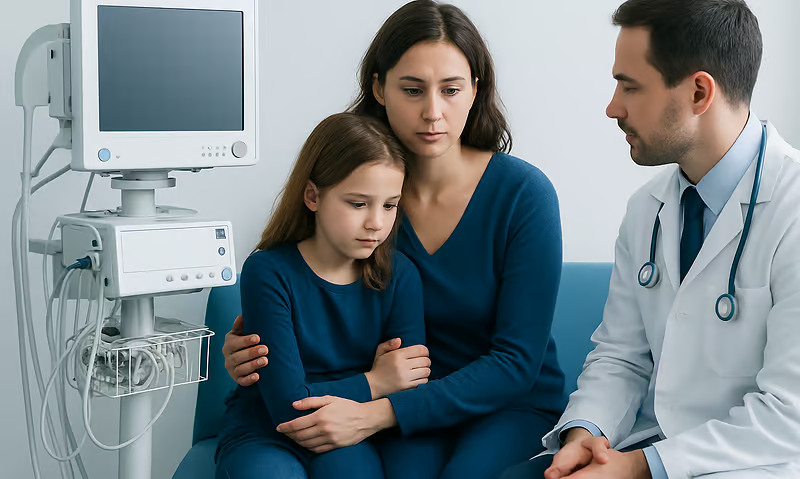
What Is Cancer Treatment? Surgery, Chemotherapy, Radiation, and Targeted Options

Cancer treatment is personalized and may involve one therapy or a combination of treatments. Common options include surgery, chemotherapy, radiation therapy, targeted therapy, immunotherapy, and hormone therapy.
Key Takeaways
- Cancer treatment is personalized and may involve one therapy or a combination of treatments.
- Common options include surgery, chemotherapy, radiation therapy, targeted therapy, immunotherapy, and hormone therapy.
- Doctors choose treatment based on cancer type, stage, tumor features, and the patient's general health.
- Managing side effects and supporting nutrition, pain control, and emotional wellbeing are important parts of care.
- Early discussion with an oncology team can help patients understand benefits, risks, and expected outcomes.
Cancer treatment includes several medical approaches used to remove, destroy, shrink, or control cancer. The best plan depends on the type of cancer, its stage, the person's overall health, and their treatment goals.
Overview of Cancer Treatment
Cancer treatment refers to the medical therapies used to remove cancer, destroy cancer cells, stop their growth, or help control symptoms. Treatment can be given with curative intent, meaning the goal is to eliminate the cancer, or with palliative intent, meaning the goal is to relieve symptoms and improve quality of life. In many cases, treatment plans combine more than one approach.
There is no single treatment that works for every cancer. Doctors consider the exact cancer type, where it started, whether it has spread, how fast it is growing, and certain molecular or genetic features of the tumor. The person’s age, general health, preferences, and treatment goals are also central to decision-making.
Modern cancer care is usually planned by a multidisciplinary team. This team may include medical oncologists, radiation oncologists, surgeons, radiologists, pathologists, specialist nurses, and supportive care professionals. Working together helps match treatment to the patient and adjust the plan if the cancer changes over time.
Main Types of Cancer Treatment
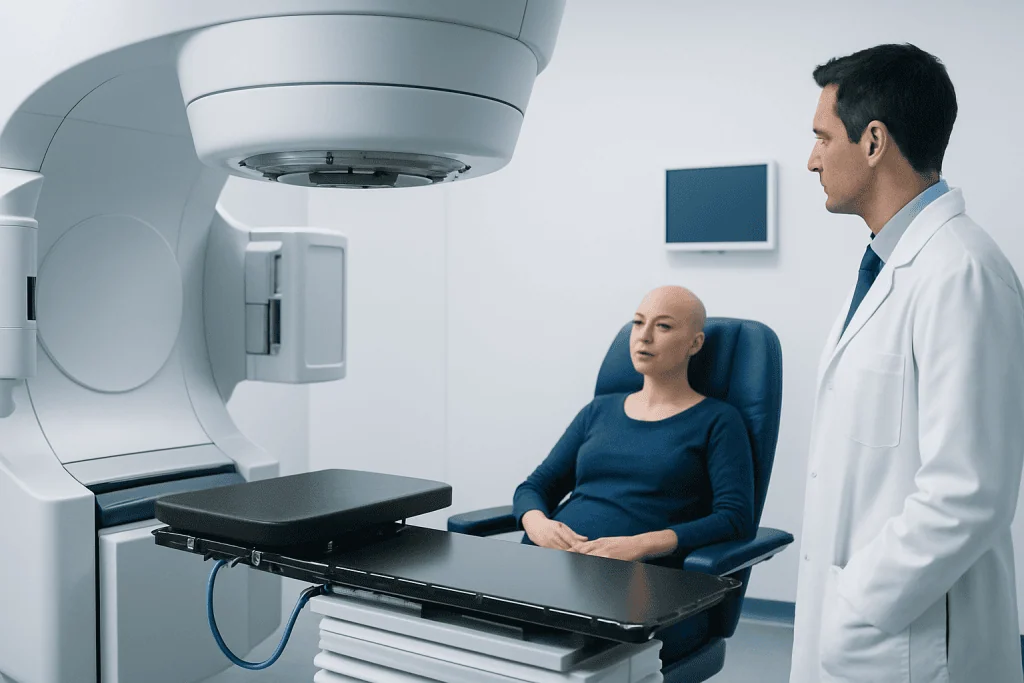
Surgery is one of the oldest and most effective cancer treatments, especially when a tumor is localized and can be removed completely. Depending on the cancer, surgery may be used to diagnose a tumor with a biopsy, remove the primary cancer, check nearby lymph nodes, or reduce tumor size before or after other therapies. Some operations are minimally invasive, while others require more extensive procedures.
Chemotherapy uses medicines that circulate through the body to destroy rapidly dividing cancer cells. It may be given by vein, by mouth, or sometimes in other forms depending on the cancer. Chemotherapy can be used before surgery to shrink a tumor, after surgery to lower the risk of recurrence, or as the main treatment when cancer has spread.
Radiation therapy uses high-energy beams to target cancer cells in a specific area. It can treat the main tumor, reduce the chance of recurrence after surgery, or ease symptoms such as pain or bleeding. Newer techniques aim to protect healthy tissues as much as possible while delivering a precise dose to the tumor.
Other important options include targeted therapy, immunotherapy, and hormone therapy. Targeted therapy acts on specific changes in cancer cells, such as proteins or gene mutations that help tumors grow. Immunotherapy helps the body’s immune system recognize and attack cancer more effectively. Hormone therapy is used for cancers that depend on hormones, such as some breast and prostate cancers.
How Doctors Choose the Right Treatment
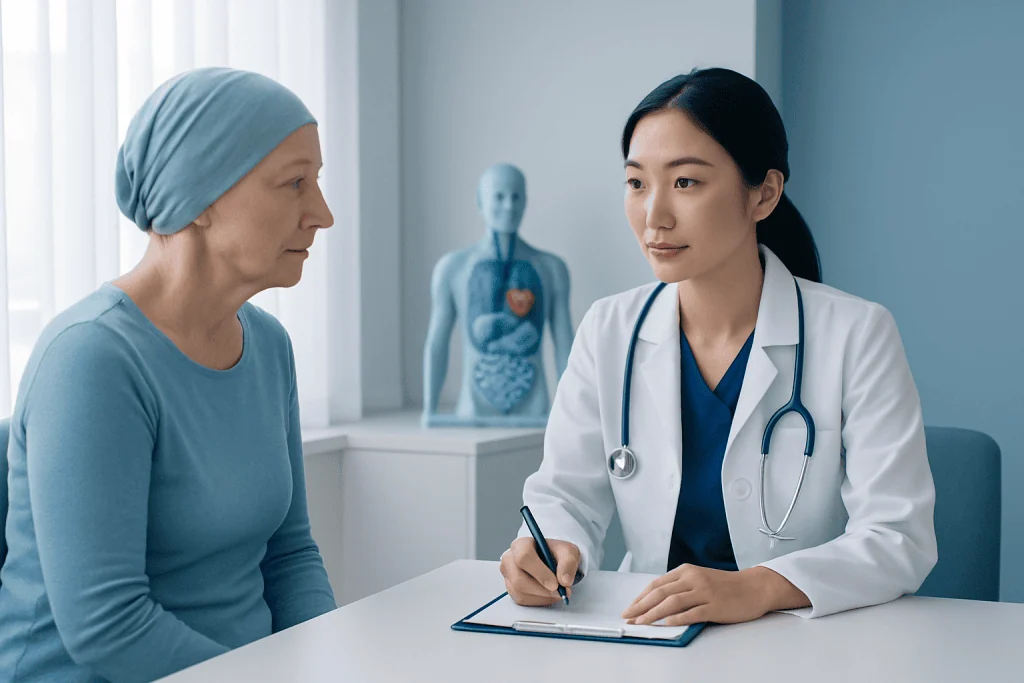
Choosing cancer treatment starts with an accurate diagnosis and staging process. Staging describes how large the cancer is and whether it has spread to lymph nodes or other organs. This information helps doctors estimate prognosis and identify the treatments most likely to help.
Laboratory tests and imaging are often combined with pathology results from a biopsy. In many cancers, doctors also test the tumor for biomarkers, hormone receptors, or genetic mutations. These details can guide the use of targeted medicines or immunotherapy and help avoid treatments that are unlikely to work.
Treatment timing also matters. Neoadjuvant therapy is treatment given before the main treatment, often to shrink a tumor before surgery or radiation. Adjuvant therapy is treatment given after surgery to reduce the risk that cancer will return. Some patients may also be offered active surveillance when a cancer is slow-growing and immediate treatment may not be necessary.
Shared decision-making is an important part of cancer care. Patients are encouraged to ask about the purpose of treatment, expected benefits, possible side effects, alternatives, and how treatment may affect work, family life, fertility, and daily routines.
Diagnosis, Staging, and Treatment Planning
Before treatment begins, doctors usually confirm the diagnosis with a biopsy, which means examining tissue or cells under a microscope. Imaging tests such as CT, MRI, PET, ultrasound, or X-rays may be used to understand the size and location of the cancer. Blood tests can provide general health information and sometimes measure tumor-related markers.
Pathology is especially important because it identifies the exact cancer type and often gives clues about how aggressive it is. For example, the grade of a tumor describes how abnormal the cancer cells look and how quickly they may grow. In some cancers, molecular testing provides further information that can directly shape treatment.
After diagnosis and staging, the oncology team develops a treatment plan. This may include one or more of the following:
- Surgery to remove the tumor or affected tissue
- Chemotherapy to treat cancer cells throughout the body
- Radiation therapy to target a specific area
- Targeted therapy based on tumor biomarkers
- Immunotherapy to support an immune response against cancer
- Hormone therapy for hormone-sensitive cancers
- Stem cell transplant in selected blood cancers
- Supportive or palliative care to manage symptoms and side effects
Patients may also hear about clinical trials. These are carefully designed studies that test new treatments or new ways of using existing treatments. For some people, a clinical trial may offer access to promising therapies while contributing to medical progress.
Side Effects and Supportive Care
Side effects vary widely depending on the treatment type, the dose or intensity, the area being treated, and the person’s overall health. Common side effects may include fatigue, nausea, appetite changes, hair loss, skin irritation, mouth sores, pain, diarrhea, constipation, or a higher risk of infection. Not every patient experiences the same effects, and many symptoms can be reduced with supportive care.
Supportive care is an essential part of cancer treatment, not a separate or less important step. It may include medicines for nausea or pain, nutritional support, physical therapy, wound care, emotional counseling, and practical help with daily activities. Palliative care specialists can also help patients manage symptoms at any stage of cancer, including during active treatment.
Patients should tell their care team about new or worsening symptoms as early as possible. Prompt attention can help prevent complications and may allow treatment to continue more smoothly. Keeping a symptom diary and bringing questions to appointments can make discussions more productive.
Cancer treatment can affect mental health as well as physical health. Anxiety, uncertainty, low mood, sleep problems, and stress are common and understandable. Psychological support, support groups, and open communication with loved ones can be valuable parts of care.
Recovery, Self-care, and Life During Treatment
Self-care during cancer treatment focuses on maintaining strength, reducing complications, and supporting recovery. Eating regular, nourishing meals, staying hydrated, and getting enough rest can help the body cope with treatment. Light physical activity, if approved by the care team, may improve energy, mood, and function.
Infection prevention can be especially important for people receiving chemotherapy or other treatments that affect the immune system. Hand hygiene, food safety, and avoiding close contact with people who are sick may be recommended. Patients should always check with their team before taking supplements or over-the-counter remedies, since some may interact with treatment.
Practical planning can also reduce stress. Patients may benefit from arranging transportation, preparing for time away from work, and asking family or friends for help with meals or household tasks. Keeping copies of test results, medicine lists, and appointment dates can make treatment easier to navigate.
After treatment, follow-up care remains important. Doctors monitor for recurrence, manage long-term side effects, and support rehabilitation if needed. For international patients, Acibadem International’s multidisciplinary specialists in JCI-accredited hospitals diagnose and treat cancer with coordinated care plans tailored to the individual.
When to See a Doctor
Anyone with a new lump, unexplained weight loss, ongoing fatigue, unusual bleeding, changes in bowel or bladder habits, a persistent cough, or pain that does not improve should speak with a doctor. These symptoms do not always mean cancer, but they should be assessed, especially if they continue or worsen.
People who already have a cancer diagnosis should contact their care team if they develop fever, severe vomiting, dehydration, shortness of breath, chest pain, confusion, sudden weakness, uncontrolled pain, or signs of infection. These symptoms may require urgent attention, particularly during chemotherapy or after surgery.
It is also reasonable to seek a second opinion when treatment decisions are complex. A second opinion can help confirm the diagnosis, explain options more clearly, and give patients greater confidence in the plan. Many people find this reassuring rather than disruptive.
Early evaluation often gives more treatment options and can improve the overall care experience. If cancer is suspected, timely assessment by an oncology specialist is the safest next step.
Frequently asked questions
What is the most common cancer treatment?
There is no single most common treatment for all cancers because treatment depends on the cancer type and stage. Surgery, chemotherapy, and radiation therapy are among the most widely used options, often in combination.
Can cancer treatment cure cancer?
Yes, some cancer treatments can cure cancer, especially when the disease is found early and responds well to therapy. In other cases, treatment may control the cancer for a long time or reduce symptoms and improve quality of life.
What is the difference between chemotherapy and targeted therapy?
Chemotherapy generally attacks rapidly dividing cells, which includes cancer cells but can also affect some healthy cells. Targeted therapy works on specific molecules or mutations that help cancer grow, so it is often more selective, although it still can cause side effects.
Is radiation therapy the same as chemotherapy?
No, they are different treatments. Radiation therapy uses high-energy beams to treat a specific area, while chemotherapy uses medicines that usually travel through the bloodstream to treat cancer cells throughout the body.
How long does cancer treatment usually last?
Treatment length varies greatly depending on the cancer, the treatment type, and the goals of care. Some treatments last a few weeks, while others continue for months or longer with regular monitoring.
Do all cancer patients lose their hair during treatment?
No, hair loss does not happen with every cancer treatment. It is more common with some chemotherapy drugs and less common with many targeted therapies, immunotherapies, surgeries, or localized radiation treatments.
References
- World Health Organization
- National Cancer Institute
- American Cancer Society
- European Society for Medical Oncology
- National Comprehensive Cancer Network
This article is for general information only and is not a substitute for professional medical advice. Please consult a qualified doctor about your individual situation.
Chemotherapy in Turkey — costs, top hospitals & a free quote
JCI-accredited · board-certified surgeons · reply within 24h
Add us as a Preferred Source to see more of our trusted health content across Google Search, AI Overviews and Discover.

Medical Oncology Department
Medical treatment of cancer with chemotherapy, immunotherapy and targeted therapies under a multidisciplinary tumor board.
60 specialists in this unit