Childhood Obesity: Causes, Risks, and When to See a Doctor

Childhood obesity is diagnosed using growth patterns and body mass index for age, not weight alone. It can increase the risk of diabetes, high blood pressure, sleep problems, joint pain, and low self-esteem.
Key Takeaways
- Childhood obesity is diagnosed using growth patterns and body mass index for age, not weight alone.
- It can increase the risk of diabetes, high blood pressure, sleep problems, joint pain, and low self-esteem.
- Causes are usually complex and include genetics, diet, activity level, sleep, stress, and family environment.
- Treatment focuses on healthy family habits, regular follow-up, and addressing any related medical conditions.
- Parents should seek medical advice if a child is gaining weight rapidly, has obesity-related symptoms, or struggles emotionally.
<a href="https://acibademinternational.com/diseases/childhood-obesity/”>Childhood obesity is a common health condition in which a child has excess body fat that may affect physical and emotional well-being. Early evaluation and family-based lifestyle support can help reduce health risks and support healthy growth.
Overview
Childhood obesity means a child has excess body fat that may affect health. Doctors do not judge this by appearance alone. Instead, they assess a child’s growth over time and use body mass index, or BMI, adjusted for age and sex. This helps show whether weight is within a healthy range for that child’s stage of development.
Obesity in children is not simply a matter of willpower or one food choice. It usually develops through a mix of factors, including genetics, eating habits, activity level, sleep, stress, and the home environment. Some children also have medical conditions or take medicines that contribute to weight gain.
Because children are still growing, the goal is often not rapid weight loss. In many cases, the focus is on supporting healthy growth, improving daily habits, and reducing health risks. With steady guidance from healthcare professionals and support at home, many children can improve their health in a realistic and positive way.
Symptoms and possible effects
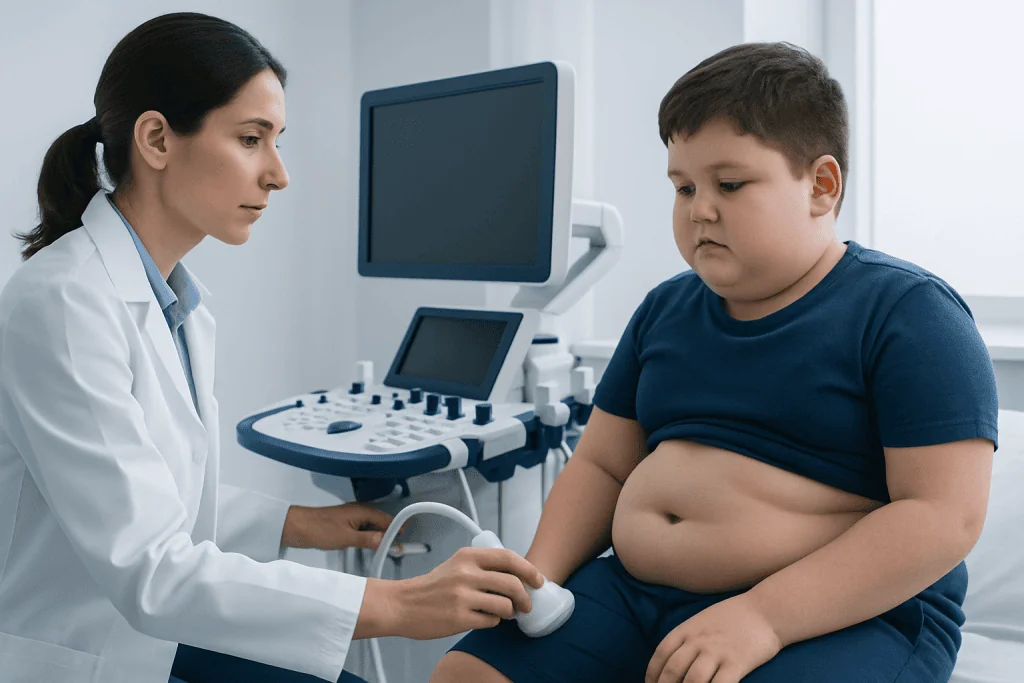
Childhood obesity does not always cause obvious symptoms at first. A child may simply gain weight faster than expected for their height and age. Clothes may become tight more quickly, or parents may notice reduced energy, difficulty keeping up during physical activity, or changes in sleep and mood.
Some children develop health-related effects linked to excess weight. These may include shortness of breath with exercise, snoring, daytime tiredness, knee or back pain, skin irritation in body folds, or dark, velvety skin patches around the neck or underarms. These patches can be associated with insulin resistance, a condition in which the body does not use insulin effectively.
Emotional and social effects are also important. Children with obesity may experience teasing, low self-confidence, anxiety, or sadness. School performance, sleep quality, and willingness to join sports or social activities may be affected. Supportive, non-judgmental care can make a meaningful difference to both physical and emotional health.
- Rapid weight gain compared with height growth
- Snoring or poor sleep
- Joint discomfort or reduced mobility
- Low confidence or social withdrawal
- Signs of early puberty or menstrual changes in some children
Causes and risk factors
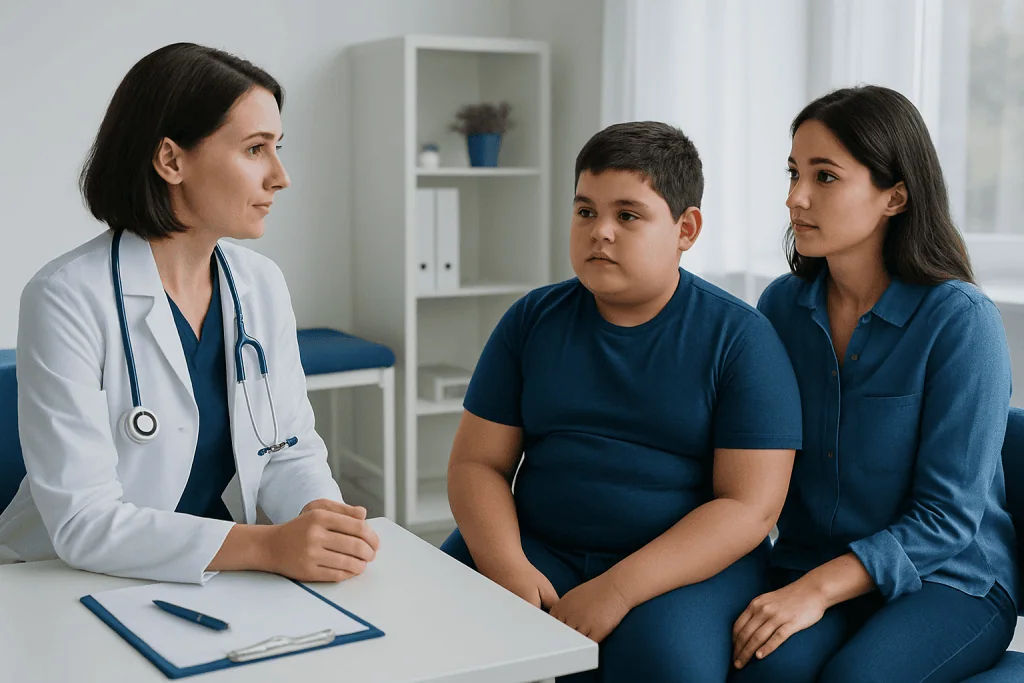
Childhood obesity usually results from an imbalance between energy intake and energy use over time, but the picture is more complex than calories alone. Easy access to high-calorie foods, sugary drinks, large portion sizes, frequent snacking, and too much screen time can all play a part. Limited physical activity and insufficient sleep also increase risk.
Family patterns matter. Children often share eating routines, activity habits, and sleep schedules with parents or caregivers. A family history of obesity can reflect both genetic and environmental influences. Stress, irregular meal routines, and limited access to safe play spaces or nutritious foods may also contribute.
Less commonly, weight gain is related to an underlying health problem such as a hormonal disorder, genetic syndrome, or side effects from certain medicines. Doctors may consider related conditions such as diabetes or sleep-related breathing problems when evaluating a child with obesity. A careful medical review helps distinguish common lifestyle factors from less common medical causes.
Health risks of childhood obesity
Childhood obesity can affect many parts of the body, both during childhood and later in adult life. It increases the chance of developing high blood pressure, abnormal cholesterol levels, insulin resistance, and type 2 diabetes. It may also place extra strain on bones and joints, especially the hips, knees, and lower back.
Breathing and sleep can also be affected. Some children develop snoring or obstructive sleep apnea, in which breathing repeatedly pauses during sleep. This can lead to poor-quality rest, irritability, daytime fatigue, and difficulty concentrating. Liver fat build-up, digestive complaints, and earlier puberty can also occur in some children.
The emotional impact should not be overlooked. Children living with obesity may face stigma or bullying, which can affect self-esteem and mental health. Early support helps reduce the risk of long-term complications and can improve quality of life. If related problems are suspected, doctors may recommend targeted evaluation and, when needed, tests such as an MRI scan or sleep assessment to investigate specific concerns.
How doctors diagnose childhood obesity
Diagnosis begins with a full medical history and physical examination. The doctor measures height and weight and calculates BMI, then compares the result with growth charts for the child’s age and sex. Growth patterns over time are important, because a single measurement does not tell the whole story.
The doctor will usually ask about eating habits, drinks, activity level, screen time, sleep, family history, emotional well-being, and medicines. They may also check blood pressure and look for signs of related conditions such as insulin resistance, early puberty, joint strain, or breathing problems during sleep.
Depending on the child’s age, symptoms, and examination findings, blood tests may be recommended to look at cholesterol, blood sugar, liver health, or thyroid function. Some children benefit from further evaluation by specialists in pediatrics, endocrinology, nutrition, or mental health. The aim is not only to confirm obesity, but also to identify causes, complications, and the best way to support healthy change.
Treatment options and family-based support
Treatment for childhood obesity is usually centered on the whole family, because children do best when healthy habits are shared at home. The main approach includes improving food choices, encouraging regular physical activity, reducing sedentary time, and establishing healthy sleep routines. Rather than restrictive dieting, the goal is steady, realistic changes that can be maintained.
A pediatrician or dietitian may help families plan balanced meals, regular meal times, and healthier snacks while limiting sugary drinks and highly processed foods. Children are encouraged to be active in enjoyable ways, such as walking, cycling, dancing, swimming, or playing outdoors. Emotional support is equally important, especially if overeating is linked to stress, boredom, or low mood.
In some cases, treatment may include care for complications such as high blood pressure or referral to specialists in hormonal and metabolic health. For older adolescents with severe obesity and serious related health problems, more advanced options may sometimes be discussed, including structured weight-management programs and selected obesity surgery pathways after careful specialist assessment. Acibadem International’s multidisciplinary specialists in JCI-accredited hospitals diagnose and treat childhood obesity and its related conditions for international patients.
Prevention and self-care at home
Prevention starts with daily routines that support healthy growth. Families can offer regular meals, more vegetables and fruit, whole grains, and water instead of sugary drinks. Eating together when possible and avoiding distracted eating in front of screens can also help children notice hunger and fullness cues.
Active play should be a normal part of the day. Children do not need intense exercise to benefit; regular movement matters most. Walking to school when practical, playing outside, using stairs, and limiting long periods of sitting all support better health. Adequate sleep is another key part of prevention, because poor sleep is linked to weight gain and appetite changes.
It helps to keep the tone positive. Children should not be shamed about weight or put on strict diets without medical guidance. Parents can focus on health, strength, energy, and confidence rather than appearance. If a family finds lifestyle change difficult, support from a pediatrician, dietitian, or child psychologist can be valuable.
When to see a doctor
Parents should consider a medical evaluation if they are worried about a child’s weight, if weight gain seems rapid, or if the child’s BMI or growth pattern suggests obesity. A doctor should also be consulted if a child has snoring, daytime sleepiness, shortness of breath, high blood pressure, joint pain, dark skin patches, or signs of high blood sugar. Emotional distress, social withdrawal, or bullying are also important reasons to seek help.
Early care can be especially helpful if there is a strong family history of obesity, diabetes, heart disease, or hormonal conditions. The same is true if the child takes medicines known to affect weight, or if puberty appears unusually early or growth seems out of proportion. A medical review can reassure families, rule out less common causes, and guide the next steps.
Parents do not need to wait for a crisis. Gentle early assessment often makes treatment easier and more effective. The best approach is supportive, practical, and personalized to the child’s age, health, and family situation.
Frequently asked questions
How is childhood obesity different from being slightly overweight?
Doctors use BMI-for-age growth charts to distinguish overweight from obesity in children. They also look at growth over time, overall health, and whether the child has obesity-related symptoms or complications.
Can a child outgrow obesity on their own?
Some children change shape as they grow, but obesity should not be ignored in the hope that it will simply disappear. Early support is important because excess weight can affect health, sleep, joints, and emotional well-being during childhood.
What foods should parents focus on for a child with obesity?
The aim is a balanced eating pattern rather than a harsh diet. Families are usually advised to offer vegetables, fruit, whole grains, lean proteins, and water more often, while reducing sugary drinks, oversized portions, and highly processed snacks.
Does screen time really affect childhood obesity?
Yes, too much screen time can contribute by reducing physical activity and encouraging snacking or poor sleep habits. Setting limits and building in active play can help support a healthier routine.
When should parents worry about medical causes of weight gain?
A medical cause is less common, but it may be considered if weight gain is rapid, growth in height slows, puberty is unusual, or there are other symptoms such as fatigue, constipation, or developmental concerns. A doctor can decide whether tests are needed.
Is medication or surgery used for childhood obesity?
Most children are treated with lifestyle and behavioral support first. In selected older adolescents with severe obesity and related health problems, specialists may consider medication or surgery after careful evaluation.
References
- World Health Organization
- Centers for Disease Control and Prevention
- American Academy of Pediatrics
- National Institute of Diabetes and Digestive and Kidney Diseases
- National Health Service
This article is for general information only and is not a substitute for professional medical advice. Please consult a qualified doctor about your individual situation.
Obesity in Turkey — costs, top hospitals & a free quote
JCI-accredited · board-certified surgeons · reply within 24h
Add us as a Preferred Source to see more of our trusted health content across Google Search, AI Overviews and Discover.
Check your numbers in seconds
BMI, calories, due date, blood pressure and 30+ more clinical calculators — free, instant, doctor-reviewed ranges.