How Doctors Diagnose a Condition: Tests, Exams, and Next Steps

Doctors usually diagnose a condition by combining symptoms, medical history, physical examination, and test results. Not every symptom requires extensive testing; exams and investigations are chosen to answer specific clinical questions.
Key Takeaways
- Doctors usually diagnose a condition by combining symptoms, medical history, physical examination, and test results.
- Not every symptom requires extensive testing; exams and investigations are chosen to answer specific clinical questions.
- A diagnosis may be immediate, or it may take time if symptoms are complex, changing, or overlap with other conditions.
- Patients can help the process by sharing accurate information about symptoms, medicines, and family history.
- Follow-up visits are often an important part of diagnosis, especially when symptoms evolve or treatment response provides new clues.
Condition diagnosis is a step-by-step process that helps doctors understand symptoms, identify possible causes, and choose the most appropriate care. It often includes a medical history, physical exam, and selected tests based on the person’s needs.
Overview: What condition diagnosis means
Condition diagnosis is the process doctors use to identify the cause of symptoms or abnormal findings. It is not usually based on a single test alone. Instead, doctors gather information from the patient’s story, medical history, physical examination, and, when needed, laboratory tests or imaging studies. Each part helps build a clearer picture of what may be happening in the body.
In many cases, diagnosis is straightforward. For example, a typical infection, a simple fracture, or a well-recognized skin rash may be identified quickly. In other situations, symptoms are less specific. Fatigue, pain, dizziness, cough, weight change, or digestive problems can have many possible causes, so diagnosis may involve several steps over time.
Doctors often begin with a “working diagnosis,” which is the most likely explanation based on the information available at that moment. As more information comes in, that diagnosis may be confirmed, refined, or replaced. This is a normal part of careful medical care and helps avoid unnecessary treatment or missed conditions.
The first step: medical history and symptom review
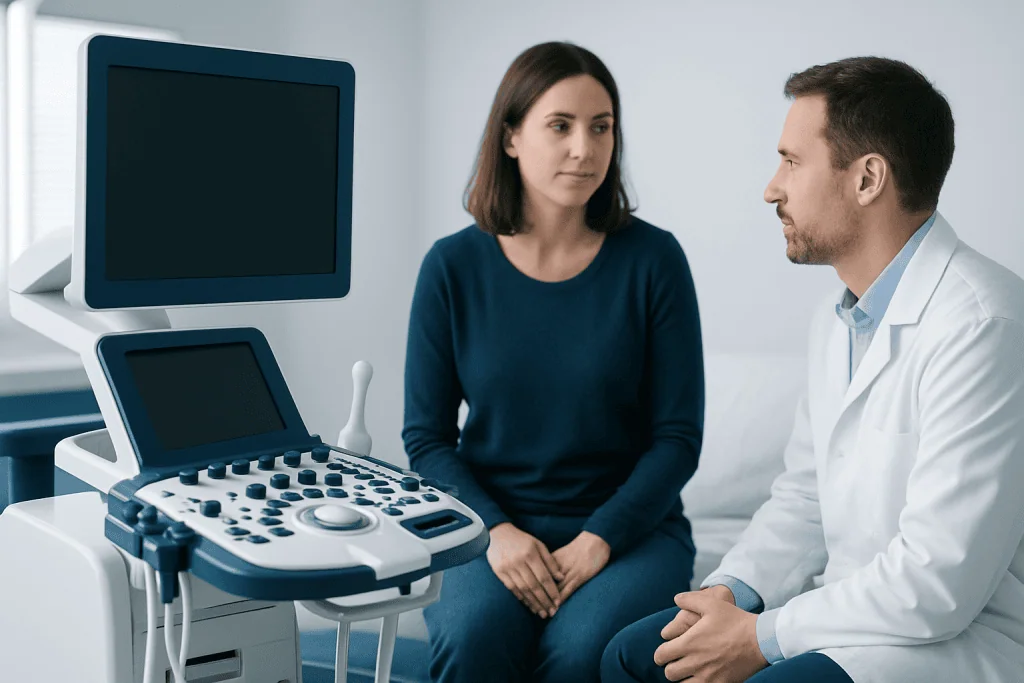
A detailed medical history is one of the most important parts of diagnosis. Doctors ask when symptoms began, how often they occur, what makes them better or worse, and whether they have changed over time. They may also ask about associated symptoms, even if they seem unrelated. Small details can sometimes point strongly toward one diagnosis and away from another.
Questions often cover past illnesses, surgeries, allergies, medications, supplements, smoking, alcohol, travel, occupation, and recent exposures. Family history is also important because some conditions, such as heart disease, diabetes, autoimmune disorders, and certain cancers, can run in families. Social factors, including stress, sleep, diet, and activity level, may also affect symptoms and overall health.
Patients can make this step easier by keeping a simple symptom record. Helpful details include when symptoms started, how severe they feel, whether they come and go, and what was happening when they began. Bringing a medication list and any previous test results can also support a more efficient and accurate evaluation.
Physical exam: what doctors look for

After reviewing the history, doctors usually perform a physical exam. This may include checking temperature, blood pressure, heart rate, breathing rate, and oxygen level. These vital signs provide immediate information about general health and can sometimes suggest infection, dehydration, inflammation, breathing problems, or circulation issues.
The rest of the exam depends on the symptoms. A doctor may listen to the heart and lungs, examine the abdomen, assess the skin, test reflexes, evaluate joints, or check the ears, eyes, nose, and throat. They may look for swelling, tenderness, weakness, rashes, enlarged lymph nodes, changes in movement, or other signs that help narrow the possibilities.
A physical exam does not always give a final answer, but it helps guide next steps. For example, a doctor may decide whether symptoms need urgent evaluation, whether watchful waiting is reasonable, or whether tests such as blood work or imaging are likely to be useful. In some cases, the exam itself strongly supports a diagnosis and reduces the need for further testing.
Common tests used to diagnose a condition
When symptoms and examination findings suggest a specific concern, doctors may order targeted tests. Blood tests can look for infection, anemia, inflammation, hormone problems, vitamin deficiencies, kidney function, liver function, blood sugar changes, and many other issues. Urine tests can help assess infection, kidney disease, dehydration, or metabolic conditions.
Imaging tests are often used when doctors need to look inside the body. X-rays may help show fractures or some lung conditions. Ultrasound can evaluate organs, soft tissues, blood flow, or pregnancy-related concerns. CT and MRI scans provide more detailed images and may be used when symptoms involve the brain, spine, chest, abdomen, joints, or suspected tumors. Sometimes specialized brain tumor or colon cancer evaluations require a combination of imaging and other tests.
Other diagnostic tools include electrocardiograms for heart rhythm, lung function tests for breathing concerns, endoscopy for digestive symptoms, hearing or vision tests, biopsies, and cultures to identify infection. Doctors usually choose tests based on a clear reason rather than ordering every possible investigation. This helps reduce unnecessary procedures and focuses on finding the most useful answers.
- Laboratory tests: blood, urine, stool, or tissue samples
- Imaging: X-ray, ultrasound, CT, MRI, or mammography
- Functional tests: ECG, stress test, pulmonary function testing
- Procedures: endoscopy, colonoscopy, biopsy, or aspiration
Why diagnosis can sometimes take time
Some conditions are difficult to diagnose because symptoms overlap with many other illnesses. For example, tiredness, headache, abdominal pain, and joint discomfort can occur in a wide range of problems, from mild and temporary issues to chronic inflammatory or endocrine disorders. Early disease may also produce only subtle signs, making it harder to identify right away.
Doctors often use a process called differential diagnosis. This means they create a list of possible causes and then narrow that list using history, exam findings, and test results. Sometimes the first tests rule out serious conditions but do not yet explain the symptoms completely. In that situation, follow-up observation can be medically appropriate and useful.
Another reason diagnosis may evolve is that the body changes over time. New symptoms may appear, existing symptoms may improve or worsen, or a trial of treatment may reveal important clues. This does not always mean something severe is being missed. Often, it reflects a careful and evidence-based approach that aims to reach the right diagnosis with the least invasive path possible.
What happens after a diagnosis is made
Once a diagnosis is reached, the next step is to discuss what it means and what kind of care may help. Some conditions can be managed with lifestyle changes, monitoring, or short-term medication. Others may need ongoing treatment, rehabilitation, or specialist care. Doctors usually explain the condition, expected course, treatment options, possible side effects, and when follow-up is needed.
In some cases, additional testing is still needed after the initial diagnosis. This may help determine the stage, severity, or exact subtype of a condition. For example, a suspicious finding on a scan may lead to a biopsy for confirmation, while digestive symptoms may require colonoscopy or endoscopy to better understand the cause. If cancer is diagnosed, care planning may involve surgery, medication, radiation, or combinations such as chemotherapy depending on the condition.
Patients should feel comfortable asking questions at this stage. Helpful topics include what the diagnosis explains, what uncertainty remains, what the treatment goals are, and what warning signs should prompt urgent care. Understanding the plan can make the next steps feel more manageable and supports shared decision-making.
Prevention, self-care, and preparing for appointments
Not every condition can be prevented, but many health problems can be detected earlier or made less likely through routine care and healthy habits. Regular checkups, age-appropriate screening, vaccination, balanced nutrition, physical activity, stress management, sleep, and avoiding tobacco all support long-term health. Managing chronic conditions such as high blood pressure, diabetes, or asthma can also reduce complications and make new symptoms easier to interpret.
Before a medical appointment, it may help to write down the main concerns, the timeline of symptoms, and any questions. Patients should bring a list of medicines, vitamins, and supplements, as well as details about allergies and past diagnoses. If possible, it is useful to note family history and any recent infections, travel, injuries, or life changes. These details can help doctors choose the most appropriate evaluation.
If specialist care is needed, coordinated care can be especially helpful. Near the end of the process, patients may benefit from a multidisciplinary review when symptoms involve more than one body system. Acibadem International’s multidisciplinary specialists in JCI-accredited hospitals diagnose and treat complex conditions for international patients, supporting evaluation across different medical fields when appropriate.
When to see a doctor urgently
Many symptoms can be assessed during a routine appointment, but some situations need prompt medical attention. Severe chest pain, sudden shortness of breath, weakness on one side of the body, sudden confusion, seizures, heavy bleeding, severe allergic reactions, or loss of consciousness should be treated as emergencies. Sudden severe headache, new vision loss, or signs of stroke also require urgent care.
It is also wise to seek medical advice sooner if symptoms are persistent, worsening, unexplained, or interfering with daily life. Fever that does not improve, unexplained weight loss, ongoing vomiting, black stools, a new lump, blood in urine, severe abdominal pain, or a cough that does not resolve deserve timely evaluation. Even when the cause turns out to be minor, early assessment can provide reassurance and prevent delays in treatment if something more significant is present.
Patients should trust their instincts if something feels unusually wrong. If a person has a known medical condition and develops a sudden change, or if a child, older adult, or pregnant person seems unwell, it is sensible to contact a healthcare professional. Timely evaluation helps doctors decide what tests are needed and what next steps are safest.
Frequently asked questions
How do doctors usually start diagnosing a condition?
Doctors usually begin with a medical history and a physical exam. They ask about symptoms, past health problems, medicines, family history, and lifestyle factors, then decide whether tests are needed.
Can a doctor diagnose a condition without tests?
Yes, sometimes a diagnosis can be made from the history and physical exam alone, especially when symptoms and signs are typical. Tests are often used when the cause is unclear, when confirmation is needed, or when serious conditions must be ruled out.
Why might test results come back normal even when symptoms are real?
Normal results do not mean symptoms are imaginary. Some conditions are intermittent, early in their course, or not detected by the first tests, so doctors may need follow-up or different investigations over time.
What is a differential diagnosis?
A differential diagnosis is a list of possible causes for a person’s symptoms. Doctors compare these possibilities and use exams, tests, and follow-up to narrow the list and identify the most likely diagnosis.
Should patients get a second opinion?
A second opinion can be helpful if the diagnosis is uncertain, treatment options are complex, or a person wants more confidence before making a major decision. It is a common and reasonable part of medical care.
How can someone prepare for a diagnostic appointment?
It helps to bring a symptom timeline, a medication list, previous test results if available, and questions for the doctor. Being specific about when symptoms started and how they changed can make the evaluation more efficient.
References
- World Health Organization
- Centers for Disease Control and Prevention
- National Institutes of Health
- Mayo Clinic
- NHS
This article is for general information only and is not a substitute for professional medical advice. Please consult a qualified doctor about your individual situation.
Explore treatments in Turkey — costs, top hospitals & a free quote
JCI-accredited · board-certified surgeons · reply within 24h
Add us as a Preferred Source to see more of our trusted health content across Google Search, AI Overviews and Discover.
Check your numbers in seconds
BMI, calories, due date, blood pressure and 30+ more clinical calculators — free, instant, doctor-reviewed ranges.

More from the Health Library



Related Specialists

Dr. Özge Karaosmanoğlu
Gynecology & Obstetrics
Assoc. Prof. Dr. Şule Göncü Ayhan
Gynecology & Obstetrics
Prof. Dr. Ömer Faruk Taşer
Orthopedic Surgery & Traumatology
Dr. Göksel Seçkin
General Surgery