Best Foods and Vitamins for Eye Health: What the Evidence Says

A varied diet rich in leafy greens, colorful vegetables, fruit, fish, nuts, seeds, and legumes supports eye health. Key nutrients include vitamins A, C, and E, zinc, omega-3 fats, lutein, and zeaxanthin.
Key Takeaways
- A varied diet rich in leafy greens, colorful vegetables, fruit, fish, nuts, seeds, and legumes supports eye health.
- Key nutrients include vitamins A, C, and E, zinc, omega-3 fats, lutein, and zeaxanthin.
- AREDS2 supplements may help some people with intermediate age-related macular degeneration, but they are not for everyone.
- Supplements do not cure eye disease and should not replace medical evaluation or treatment.
- Lifestyle habits such as not smoking, controlling blood sugar and blood pressure, and wearing UV protection also matter.
Diet cannot replace regular eye care, but certain nutrients play an important role in maintaining normal vision and supporting long-term eye health. Evidence is strongest for a balanced eating pattern and, in some cases, targeted supplements recommended by an eye specialist.
Overview: How Nutrition Supports Eye Health
Eye health depends on many factors, including age, genetics, medical conditions, lifestyle, and regular eye examinations. Nutrition is one part of this picture. Certain vitamins, minerals, and plant compounds help protect the structures of the eye, support normal retinal function, and limit oxidative stress, which is a process that can damage cells over time.
The best-supported approach is not a single “superfood” or one vitamin pill. Instead, research points to a balanced eating pattern that includes vegetables, fruits, whole grains, healthy fats, and adequate protein. This type of diet may help support vision and may reduce the risk of some common eye conditions, especially when combined with healthy habits.
It is also important to set realistic expectations. Food and supplements can support eye health, but they do not usually reverse established vision loss. People with blurred vision, eye pain, sudden floaters, or other new symptoms should seek medical advice rather than trying to self-treat with supplements alone.
The Main Nutrients Linked to Better Eye Health
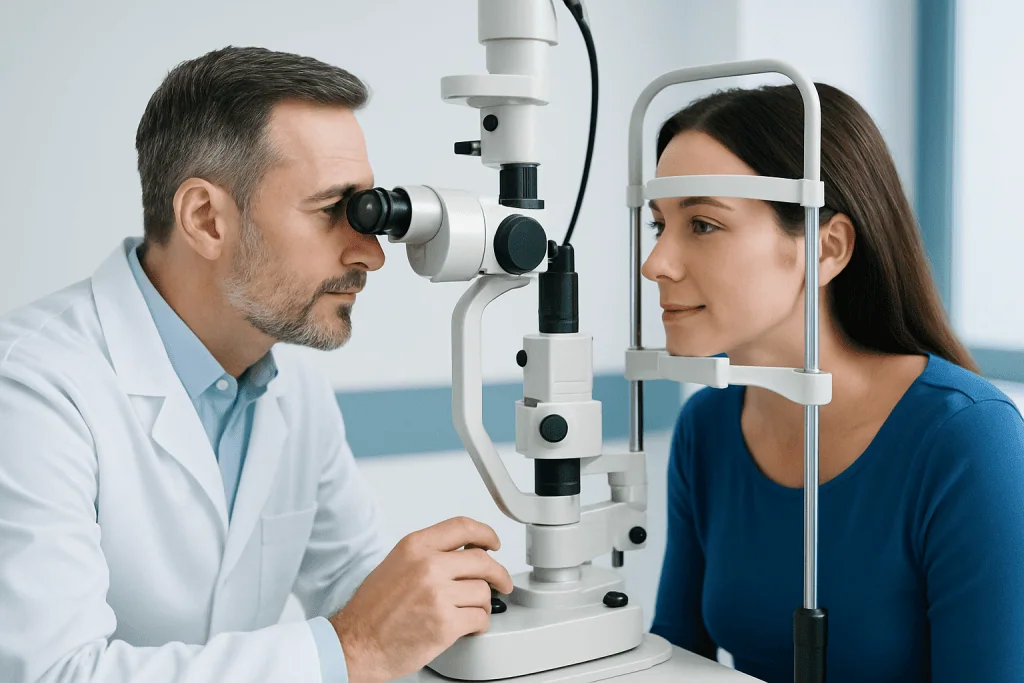
Several nutrients have been studied for their role in vision. Vitamin A supports the light-sensitive cells in the retina and helps maintain the surface of the eye. Too little vitamin A can lead to night vision problems and dry eyes, although true deficiency is more common in some parts of the world than others. Good food sources include eggs, dairy products, liver, and beta-carotene-rich vegetables such as carrots, sweet potatoes, and pumpkin.
Vitamin C, vitamin E, and zinc act as antioxidants or support antioxidant systems. They help the body manage normal wear and tear caused by free radicals. Citrus fruits, berries, peppers, broccoli, almonds, sunflower seeds, beans, and seafood can all contribute these nutrients as part of a healthy diet.
Lutein and zeaxanthin are carotenoids found in the macula, the central part of the retina responsible for sharp vision. These compounds help filter blue light and may protect eye tissues from oxidative stress. They are found in spinach, kale, collard greens, peas, corn, and egg yolks.
Omega-3 fatty acids, especially DHA and EPA from oily fish, are also relevant. DHA is a structural fat in the retina, and omega-3s may support tear quality and general eye surface health. Salmon, sardines, mackerel, trout, walnuts, chia seeds, and flaxseeds are common sources, although plant sources provide ALA, which the body converts only partly into DHA and EPA.
Best Foods for Eye Health

When building meals for eye health, it helps to think in food groups rather than isolated nutrients. Dark leafy greens are among the most recommended foods because they provide lutein and zeaxanthin. Spinach, kale, rocket, and Swiss chard can be added to salads, soups, omelets, or grain bowls for regular intake.
Colorful vegetables and fruits also matter. Orange and yellow produce such as carrots, sweet potatoes, apricots, and red peppers provide carotenoids and vitamin C. Berries, kiwi, and citrus fruits are also rich in vitamin C, which supports blood vessels and connective tissues in the eye.
Fish is one of the most useful foods for people who want more omega-3 fats. Two servings a week of oily fish can fit well into a heart-healthy and eye-friendly eating pattern. For those who do not eat fish, nuts, seeds, and legumes still offer valuable nutrients, even though they do not provide the same type of omega-3 in the same amount.
Other helpful choices include eggs, which provide lutein and zeaxanthin in a form the body absorbs well, and nuts and seeds, which provide vitamin E and healthy fats. Whole grains and beans may also support overall metabolic health, which is important because conditions such as diabetes can affect the eyes over time.
What the Evidence Says About Supplements
Supplements are often marketed for vision, but evidence varies depending on the person and the condition. The strongest evidence comes from the AREDS and AREDS2 studies, which looked at age-related macular degeneration. In selected people with intermediate macular degeneration or advanced disease in one eye, a specific AREDS2 supplement formula may help slow progression. It is not a general multivitamin for everyone, and it does not prevent normal aging of the eye.
For people without macular degeneration, there is less evidence that supplements improve eye health if they already eat a reasonably balanced diet. In general, food is preferred because it provides fiber and many interacting nutrients together. Taking high doses of individual vitamins without medical guidance can sometimes be unnecessary or even harmful.
Omega-3 supplements have also been studied for dry eye symptoms, with mixed results. Some people report improvement, but research does not support a clear benefit for everyone. If dry eye is persistent, it is better evaluated as a medical condition because treatment may involve eyelid care, artificial tears, or other approaches used for dry eye.
Anyone considering a supplement should discuss it with a doctor, especially if they smoke, are pregnant, have kidney disease, take blood thinners, or use multiple medications. A clinician can help decide whether a supplement is appropriate and whether a full eye examination is needed.
Diet and Common Eye Conditions
Nutrition may play different roles in different eye conditions. For age-related macular degeneration, diets rich in leafy greens, fish, and overall plant foods are associated with better eye health, and AREDS2 supplements may be recommended in certain stages of disease. This should be guided by an ophthalmologist after retinal examination rather than self-diagnosis.
For dry eye disease, staying hydrated and getting enough omega-3 fats may support the tear film in some people, but they are only part of treatment. Dry eye can also be linked to aging, screen habits, eyelid inflammation, certain medications, and autoimmune disease. Medical evaluation may include eye surface testing and tailored treatment such as cornea and ocular surface care.
People with diabetes should know that blood sugar control is one of the most important ways to protect vision over time. A healthy dietary pattern can support this, but it should be combined with routine screening for diabetic retinopathy and management of blood pressure and cholesterol. In this setting, nutrition works as part of a broader prevention plan.
Cataract risk may also be influenced by overall diet quality, smoking, sun exposure, and age. No food can dissolve a cataract once it forms, but healthy eating may support eye tissues over time. When a cataract begins to affect daily life, medical treatment such as cataract surgery may be discussed.
Practical Self-Care Tips for Everyday Eye Protection
A practical approach is to build eye-friendly choices into regular meals. Many people find it easier to aim for a “colorful plate” with at least one leafy green, one brightly colored vegetable or fruit, a source of protein, and a healthy fat. Cooking vegetables with a small amount of olive oil can also help absorption of fat-soluble carotenoids.
Hydration, sleep, and screen habits also influence eye comfort. People who spend long hours on digital devices may blink less often, which can worsen dryness and irritation. Taking regular breaks, adjusting screen position, and using room humidification when needed can help support the eye surface.
Several lifestyle habits are just as important as nutrition. These include not smoking, wearing sunglasses with UV protection, controlling diabetes and blood pressure, and attending scheduled eye exams. Contact lens users should also follow hygiene advice carefully to protect the cornea and reduce infection risk.
- Eat leafy greens several times a week.
- Include oily fish regularly if medically appropriate.
- Choose nuts, seeds, beans, and whole grains often.
- Limit smoking and seek support to quit if needed.
- Have regular eye checks, especially with age or chronic illness.
When to See an Eye Doctor
Nutrition supports eye health, but it is not a substitute for professional care. A person should arrange an eye examination if they notice blurred vision, difficulty reading, increasing glare, persistent dryness, frequent headaches during visual tasks, or a change in color perception. These symptoms can have many causes and deserve proper assessment.
Urgent medical attention is important for sudden vision loss, flashes of light, a sudden shower of floaters, severe eye pain, eye injury, or redness with sensitivity to light. These symptoms are not typically related to diet alone and may need prompt treatment to protect vision.
Routine care also matters even when symptoms are mild. Children, older adults, people with diabetes, and those with a family history of eye disease may need regular screening based on age and risk. If treatment is needed, options may range from glasses and eye drops to procedures such as smart lens treatment in selected cases.
For international patients seeking specialist assessment, Acibadem International’s multidisciplinary eye teams in JCI-accredited hospitals diagnose and treat a wide range of eye conditions with individualized care plans.
Frequently asked questions
What are the best foods for eye health?
The most helpful foods are usually leafy green vegetables, colorful fruits and vegetables, oily fish, eggs, nuts, seeds, and legumes. These provide nutrients such as lutein, zeaxanthin, vitamins A, C, and E, zinc, and omega-3 fats.
Do carrots really improve eyesight?
Carrots are a good source of beta-carotene, which the body converts to vitamin A, an important nutrient for vision. They support normal eye function, but they do not give extra-sharp vision beyond what healthy eyes can already achieve.
Should everyone take eye vitamins?
No. Most people benefit most from a balanced diet rather than routine supplements. Special formulas such as AREDS2 are usually considered only for certain people with age-related macular degeneration after an eye specialist confirms the diagnosis.
Can supplements cure dry eyes?
Supplements do not cure dry eye disease. Some people may find omega-3 supplements helpful, but evidence is mixed, and persistent symptoms should be assessed by an eye doctor because treatment often needs to address the eye surface directly.
Is it better to get nutrients from food or pills?
In most cases, food is preferred because it provides a wider range of nutrients and beneficial compounds together. Supplements can be useful in selected situations, but they should ideally be chosen with medical guidance.
Can diet prevent cataracts or macular degeneration completely?
No diet can guarantee prevention of age-related eye diseases. However, a healthy eating pattern, not smoking, UV protection, and regular eye exams may help reduce risk and support long-term eye health.
References
- National Eye Institute
- American Academy of Ophthalmology
- World Health Organization
- National Institutes of Health Office of Dietary Supplements
- Centers for Disease Control and Prevention
This article is for general information only and is not a substitute for professional medical advice. Please consult a qualified doctor about your individual situation.
Explore treatments in Turkey — costs, top hospitals & a free quote
JCI-accredited · board-certified surgeons · reply within 24h
Add us as a Preferred Source to see more of our trusted health content across Google Search, AI Overviews and Discover.