Gastric Sleeve in Turkey: Safety, Recovery, and What to Expect

Gastric sleeve surgery reduces stomach size and helps with portion control and appetite regulation. Safety depends on careful patient selection, experienced surgeons, accredited hospitals, and reliable aftercare.
Key Takeaways
- Gastric sleeve surgery reduces stomach size and helps with portion control and appetite regulation.
- Safety depends on careful patient selection, experienced surgeons, accredited hospitals, and reliable aftercare.
- Recovery is gradual and includes early walking, staged nutrition, vitamin support, and regular follow-up.
- The procedure can improve obesity-related health problems, but it also carries risks and requires lifelong commitment.
- Patients traveling for surgery should plan for preoperative assessment, postoperative monitoring, and coordinated care at home.
Gastric sleeve in Turkey is a form of bariatric surgery that can support significant weight loss when it is performed in an appropriate setting and followed by long-term lifestyle changes. Understanding safety standards, recovery, possible risks, and follow-up needs can help patients make informed decisions.
Overview: What Gastric Sleeve Surgery Involves
Gastric sleeve in Turkey usually refers to sleeve gastrectomy performed as part of a planned bariatric care pathway. In this operation, a surgeon removes a large portion of the stomach, leaving a narrow sleeve-shaped stomach. This smaller stomach holds less food, and changes in gut hormones may also help reduce hunger and improve blood sugar control.
Sleeve gastrectomy is not a cosmetic procedure. It is a medical treatment for obesity and, in some patients, for obesity-related conditions such as type 2 diabetes, high blood pressure, sleep apnea, and fatty liver disease. It works best when surgery is combined with nutrition guidance, physical activity, behavioral support, and lifelong follow-up.
Many people consider treatment abroad for practical reasons, including access to specialized bariatric teams and organized care packages. Even so, the most important question is not simply where surgery takes place, but whether the hospital, surgeon, anesthesia team, and aftercare system meet appropriate safety standards. Patients should understand both the potential benefits and the responsibilities that come with gastric sleeve surgery.
Who May Be a Candidate

Gastric sleeve surgery may be considered for adults with obesity who have not achieved enough weight loss with medically supervised lifestyle measures alone. Eligibility is based on body mass index, weight-related health conditions, previous attempts at weight management, eating patterns, mental health, and overall surgical risk. A thorough preoperative review helps determine whether the procedure is appropriate and likely to be beneficial.
Doctors also look at factors that may affect safety or long-term results. These can include uncontrolled reflux symptoms, severe heart or lung disease, untreated sleep apnea, active substance misuse, unmanaged depression, or difficulty following nutrition plans. In some cases, another bariatric procedure may be more suitable than sleeve gastrectomy.
A patient-centered assessment often includes blood tests, heart and lung evaluation when needed, imaging or endoscopy in selected cases, and consultation with a dietitian and psychologist. This process is important because obesity is complex and may overlap with conditions such as obesity and type 2 diabetes, both of which can influence treatment goals and follow-up needs.
Safety: What Makes Gastric Sleeve in Turkey Safe
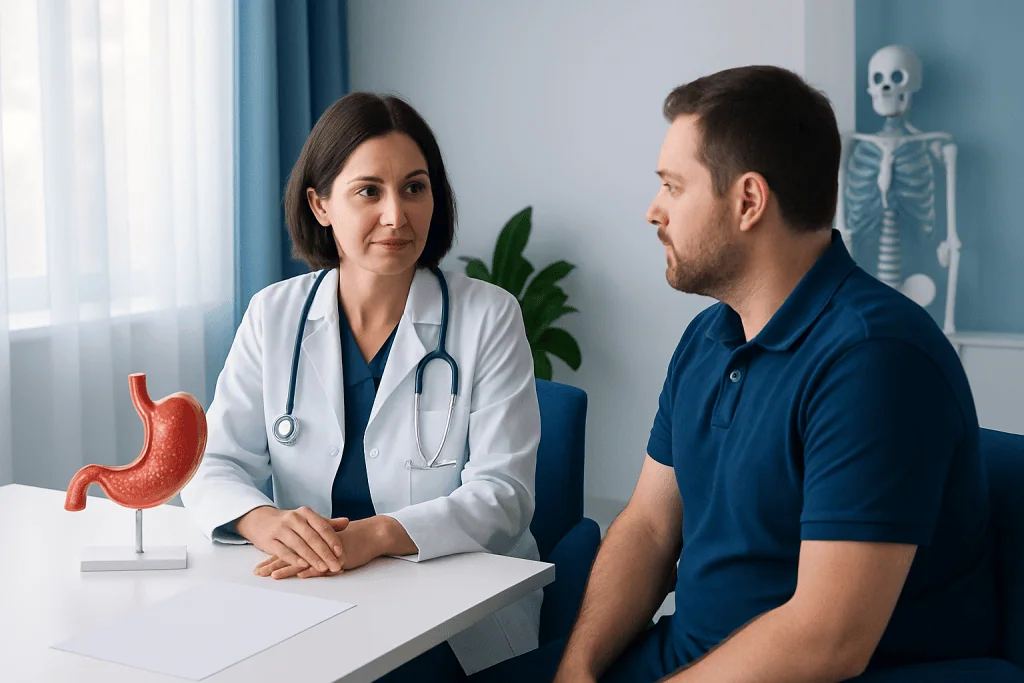
Gastric sleeve in Turkey can be safe when care is delivered by an experienced multidisciplinary bariatric team in a well-equipped hospital. Important safety features include careful patient selection, board-qualified surgeons, modern anesthesia, infection prevention measures, blood clot prevention, intensive monitoring when needed, and clear protocols for emergency management. Accreditation and transparent quality standards also matter.
Before surgery, a reputable team should explain expected benefits, possible complications, alternatives, and the need for long-term follow-up. Patients should feel comfortable asking how often the surgeon performs sleeve gastrectomy, what preoperative tests are required, how complications are managed, and who provides nutritional support after discharge. A safe program does not minimize risk or promise unrealistic results.
For international patients, safety also depends on good travel planning. This includes allowing enough time in the country for assessment and early recovery, bringing medical records, discussing current medications, and knowing whom to contact after returning home. If more complex obesity-related issues are present, additional support through obesity surgery programs and related specialties may be helpful.
- Experienced bariatric surgeon and anesthesia team
- Accredited hospital with emergency and intensive care capability
- Preoperative screening for medical and psychological readiness
- Written recovery plan, diet stages, and supplement advice
- Reliable follow-up after travel and return home
Risks and Possible Complications
Like any major operation, sleeve gastrectomy has potential risks. Early complications may include bleeding, infection, blood clots, anesthesia-related problems, and leakage from the staple line where the stomach has been divided. Although serious complications are not common in experienced centers, they require urgent recognition and treatment.
There can also be later issues. Some people develop or notice worsening acid reflux after surgery. Others may experience dehydration, nausea, vomiting, constipation, gallstones during rapid weight loss, or narrowing of the sleeve. Over time, nutritional deficiencies can occur if diet and supplements are not followed carefully, even though deficiencies are generally less extensive than with some other bariatric procedures.
Weight regain is another possibility, especially if eating patterns, emotional triggers, or physical inactivity are not addressed. Surgery changes the stomach, but it does not remove the need for long-term healthy habits. Patients should contact a doctor promptly if they develop severe abdominal pain, persistent vomiting, fever, shortness of breath, chest pain, or signs of dehydration after surgery.
What to Expect Before, During, and Right After Surgery
Before surgery, patients usually complete a structured workup. This may include medical history review, blood tests, body measurements, anesthesia assessment, and appointments with a dietitian and other specialists. Some teams recommend a preoperative eating plan to help reduce liver size and make surgery easier to perform laparoscopically.
The procedure is commonly done using minimally invasive techniques through small incisions. During the operation, the surgeon creates a narrow stomach sleeve and removes the remaining larger part of the stomach. The surgery is performed under general anesthesia, and the hospital stay is usually short if recovery is uncomplicated.
In the first day or two after surgery, the focus is on pain control, hydration, breathing exercises, and early walking to lower the risk of blood clots and chest complications. Patients begin with a staged fluid plan and receive instructions on medications, warning signs, activity, and when to start follow-up appointments. In some centers, related conditions such as sleep apnea are also monitored closely during the immediate recovery period.
Recovery and Life After Gastric Sleeve
Recovery after sleeve gastrectomy happens in stages. Most patients are encouraged to walk soon after surgery and gradually increase light activity. Tiredness is common in the early period, but energy levels usually improve over time as healing progresses and weight loss begins. Heavy lifting and strenuous exercise are generally delayed until the surgical team confirms it is safe.
Eating changes are a central part of recovery. Patients move from clear liquids to fuller fluids, then pureed foods, soft foods, and eventually balanced small meals. The exact schedule varies by team, but the goals are similar: protect healing, maintain hydration, reach adequate protein intake, and avoid stretching the stomach. Eating slowly, chewing well, and stopping at fullness are important habits.
Long-term success depends on regular follow-up. This usually includes weight monitoring, blood tests, vitamin and mineral supplementation, review of reflux or digestive symptoms, and support with behavior change. Some patients may also benefit from guidance linked to nutrition and dietetics and supervised exercise. A stable routine of sleep, movement, hydration, and mindful eating can make recovery smoother and more sustainable.
Choosing a Provider and Planning Medical Travel
When considering gastric sleeve in Turkey, patients should look beyond promotional claims and focus on clinical quality. Helpful questions include whether the hospital is accredited, whether bariatric surgery is performed regularly, what specialists are involved, how emergencies are handled, and what follow-up is available after discharge. Clear communication in a language the patient understands is also essential.
Travel planning should include enough time for preoperative testing and short-term recovery before flying home. Patients should ask about mobility during travel, blood clot prevention, wound care, and whether fit-to-fly advice will be provided. It is wise to arrange support from a family member or friend, especially during the first days after surgery.
After returning home, continuity of care remains important. Patients should share the operative summary and medication list with their local doctor and know when routine blood tests and surgical reviews are due. Near the end of the care journey, it may be reassuring to know that Acibadem International’s multidisciplinary specialists and JCI-accredited hospitals diagnose and treat obesity-related conditions for international patients with coordinated assessment and follow-up.
When to See a Doctor
Anyone considering bariatric surgery should see a qualified doctor for a full medical assessment rather than relying only on online information. A doctor can explain whether sleeve gastrectomy is appropriate, discuss alternatives, and identify any health conditions that should be treated before surgery. This step helps make the process safer and more personalized.
After surgery, medical review is important even when recovery seems to be going well. Regular follow-up helps detect nutritional deficiencies, monitor weight trends, manage reflux, and adjust supplements or eating plans. If symptoms such as severe pain, repeated vomiting, inability to drink enough fluids, black stools, fever, or breathing difficulties occur, urgent medical attention is needed.
Ongoing support can also be helpful if weight loss slows, emotional eating returns, or questions come up about exercise, pregnancy planning, medications, or long-term goals. Bariatric treatment is most effective when patients stay connected with their care team and seek help early when concerns arise.
Frequently asked questions
Is gastric sleeve in Turkey safe?
It can be safe when surgery is performed in an accredited hospital by an experienced bariatric team with structured preoperative assessment and follow-up. Safety depends more on clinical standards, patient selection, and aftercare than on location alone.
How long does recovery take after sleeve gastrectomy?
Initial recovery usually takes a few weeks, but full adjustment to new eating patterns and activity routines takes longer. Most patients improve gradually, with regular follow-up guiding diet progression, supplements, and return to exercise.
Will a person lose weight quickly after gastric sleeve surgery?
Weight loss is often more noticeable in the first months, but the pace varies from person to person. Long-term success depends on nutrition, physical activity, sleep, mental health, and consistent medical follow-up.
Can gastric sleeve help with diabetes or high blood pressure?
Yes, sleeve gastrectomy may improve some obesity-related conditions, including type 2 diabetes, high blood pressure, and sleep apnea. The degree of improvement differs between individuals, and ongoing medical care is still important.
What can a person eat after gastric sleeve surgery?
Diet progresses in stages, usually starting with liquids and then moving to pureed, soft, and regular textured foods. Patients are generally advised to focus on hydration, protein, small portions, and slow eating, following the plan provided by their surgical team.
Are vitamins needed after gastric sleeve surgery?
Many patients need vitamin and mineral supplements after surgery to help prevent deficiencies. The exact supplements and monitoring schedule should be determined by the treating team based on blood tests and individual needs.
References
- World Health Organization
- American Society for Metabolic and Bariatric Surgery
- National Institute for Health and Care Excellence
- International Federation for the Surgery of Obesity and Metabolic Disorders
- National Institutes of Health
This article is for general information only and is not a substitute for professional medical advice. Please consult a qualified doctor about your individual situation.
Medical weight-loss options in Turkey — costs & eligibility
JCI-accredited · board-certified surgeons · reply within 24h
Add us as a Preferred Source to see more of our trusted health content across Google Search, AI Overviews and Discover.
Check your numbers in seconds
BMI, calories, due date, blood pressure and 30+ more clinical calculators — free, instant, doctor-reviewed ranges.