Hormonal Imbalance in Women: Causes, Symptoms, and Diagnosis

Hormonal imbalance in women can affect periods, energy, mood, weight, skin, sleep, and fertility. Symptoms may be linked to natural life stages such as puberty, pregnancy, postpartum, and menopause, or to medical conditions.
Key Takeaways
- Hormonal imbalance in women can affect periods, energy, mood, weight, skin, sleep, and fertility.
- Symptoms may be linked to natural life stages such as puberty, pregnancy, postpartum, and menopause, or to medical conditions.
- Common causes include thyroid disorders, polycystic ovary syndrome, diabetes or insulin resistance, stress, and certain medications.
- Diagnosis is based on symptoms, menstrual history, physical examination, and selected blood tests or imaging when needed.
- Treatment depends on the underlying cause and may include lifestyle measures, hormone-based treatment, or care from specialists.
Hormonal imbalance in women is a broad term used when levels of hormones such as estrogen, progesterone, thyroid hormones, insulin, or cortisol are too high, too low, or out of rhythm. Because hormones influence many body systems, symptoms can vary widely and diagnosis usually combines medical history, examination, and targeted testing.
Overview
Hormones are chemical messengers that help coordinate many essential body functions. In women, hormones influence the menstrual cycle, ovulation, fertility, metabolism, mood, sleep, body temperature, skin health, and bone strength. Even small shifts can cause noticeable changes, especially when several hormones interact with each other.
The phrase hormonal imbalance in women is commonly used to describe symptoms that may happen when hormones are too high, too low, or fluctuating in an irregular way. It is not a single disease. Instead, it is a pattern that can result from normal life stages, temporary changes, or an underlying medical condition that needs evaluation.
Some hormone changes are expected. Puberty, pregnancy, the weeks after childbirth, perimenopause, and menopause all involve natural shifts in estrogen and progesterone. At the same time, symptoms that are persistent, troublesome, or new should not be ignored, because thyroid disease, polycystic ovary syndrome, elevated prolactin, insulin resistance, and other disorders can produce similar complaints.
Symptoms of Hormonal Imbalance in Women
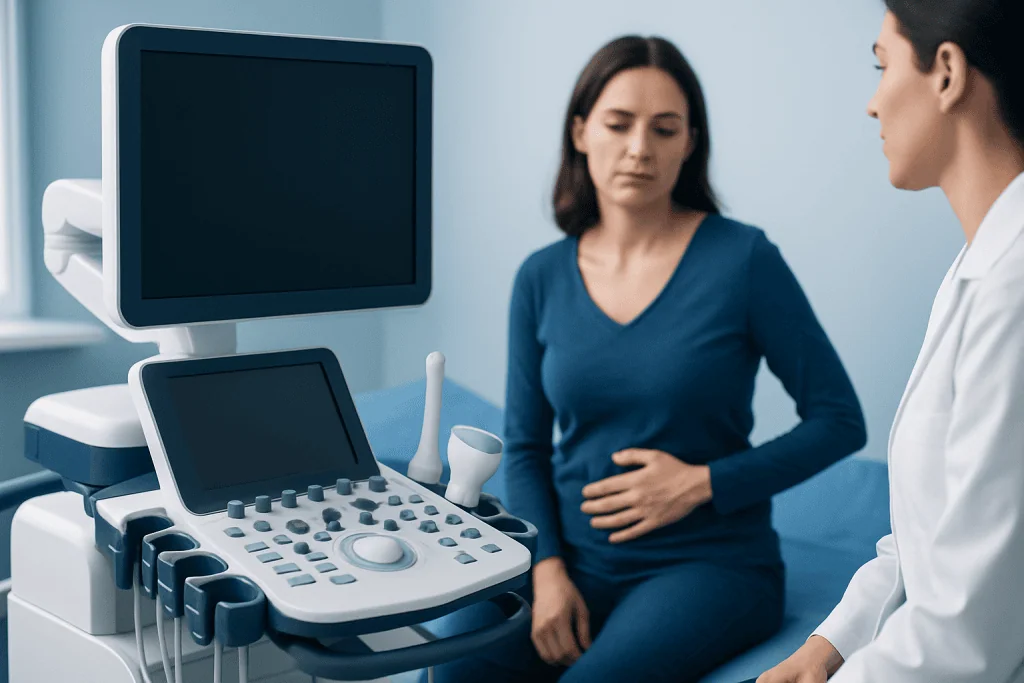
Symptoms can be different from one woman to another because hormones affect many organs and systems. Menstrual changes are among the most common clues. Periods may become irregular, very heavy, unusually light, more painful than usual, or stop altogether. Some women notice spotting between periods or difficulty predicting ovulation.
Hormonal changes can also affect general wellbeing. Fatigue, low energy, trouble sleeping, mood swings, irritability, anxiety, poor concentration, and changes in sex drive may all be related. Skin and hair symptoms are also common, including acne, oily skin, thinning hair on the scalp, or unwanted facial or body hair growth.
Depending on the cause, other symptoms may include weight gain or difficulty losing weight, bloating, hot flashes, night sweats, headaches, breast tenderness, vaginal dryness, constipation, feeling unusually cold or warm, and fertility problems. Because these symptoms overlap with many other health issues, a careful medical assessment is important.
- Irregular, missed, heavy, or painful periods
- Mood changes, anxiety, or low mood
- Fatigue and sleep problems
- Acne, hair thinning, or excess hair growth
- Weight changes or increased abdominal fat
- Hot flashes, night sweats, or vaginal dryness
Common Causes and Risk Factors

There are many possible causes of hormonal imbalance in women. Some are related to reproductive hormones, while others involve the thyroid, adrenal glands, pancreas, or pituitary gland. Polycystic ovary syndrome is a frequent cause of irregular periods, acne, and excess hair growth. Thyroid disorders can slow down or speed up body processes and may lead to changes in energy, weight, menstrual cycles, and temperature tolerance. Natural menopausal transition is another common reason for hormone-related symptoms.
Stress can also influence hormone signaling. Long-term physical or emotional stress may affect cortisol and, indirectly, menstrual regularity and sleep. Significant changes in body weight, eating patterns, intense exercise, or chronic illness can interfere with ovulation and estrogen production. Certain medicines, including some hormonal contraceptives, fertility drugs, steroids, and treatments that affect the brain or endocrine system, may also alter hormone levels.
Risk factors depend on the specific condition. A family history of thyroid disease, diabetes, or early menopause may increase the likelihood of hormone-related disorders. Obesity, insulin resistance, sleep deprivation, and unmanaged chronic medical conditions can contribute as well. In some women, symptoms are mild and temporary, while in others they signal a condition that benefits from structured follow-up.
How Hormonal Imbalance Is Diagnosed
Diagnosis starts with a detailed history. A doctor will usually ask about menstrual patterns, pregnancy history, medications, stress, sleep, weight changes, skin or hair symptoms, and any family history of endocrine or reproductive conditions. Tracking cycles and symptoms over several months can be very helpful, especially when symptoms come and go.
A physical examination may include blood pressure, weight, signs of acne or excess hair growth, thyroid enlargement, breast changes, and other findings that point toward a specific cause. Not every woman needs the same tests. Instead, testing is tailored to age, symptoms, menstrual pattern, and whether pregnancy or fertility concerns are present.
Blood tests may be used to assess thyroid function, blood sugar, prolactin, and reproductive hormones such as estrogen, progesterone, follicle-stimulating hormone, luteinizing hormone, or androgens. Sometimes doctors also check vitamin levels or markers of general health to rule out other explanations for fatigue or mood symptoms. Pelvic ultrasound can be useful when conditions such as ovarian cysts, fibroids, or PCOS are suspected, often as part of gynecology evaluation and care. In more complex cases, women may benefit from combined assessment by endocrinology and check-up and screening services.
Treatment Options
Treatment depends on the underlying reason for the imbalance, not just the symptoms. If the cause is a thyroid disorder, treatment focuses on restoring normal thyroid hormone activity. If insulin resistance or diabetes is part of the picture, improving metabolic health becomes central. When symptoms are related to PCOS, treatment may aim to regulate cycles, reduce androgen effects, and support fertility if needed.
Hormone-based treatment is sometimes appropriate. Depending on age and goals, a doctor may discuss contraceptive pills or other hormonal therapies to regulate periods and reduce symptoms such as acne, heavy bleeding, or hot flashes. These treatments are not right for everyone, so a personalized review of medical history and risk factors is important.
Lifestyle measures often play an important supporting role. Good sleep habits, regular movement, a balanced eating pattern, stress management, and weight support when needed can improve symptoms and overall hormonal health. Women trying to conceive may be referred for targeted fertility evaluation, and some may benefit from fertility and IVF assessment if ovulation problems are persistent. If surgery is needed for a structural problem such as fibroids or ovarian cysts, it is considered based on the diagnosis rather than as a general treatment for hormone imbalance.
Prevention and Self-Care
Not all hormonal problems can be prevented, especially those linked to genetics, autoimmune disease, or natural aging. Still, daily habits can support more stable hormone function and may reduce symptom burden. Consistent sleep, regular physical activity, nourishing meals, and stress reduction all help the body regulate hormones more effectively.
Cycle awareness is also useful. Keeping a record of period dates, flow, pain, mood changes, headaches, sleep quality, and skin changes can reveal patterns that are easy to miss. This information can make medical appointments more productive and help identify whether symptoms are linked to ovulation, menstruation, or another trigger.
Women should be cautious with supplements, over-the-counter hormone products, and internet advice that promises quick hormonal “reset” results. Hormones are complex, and self-treatment can delay proper diagnosis. If symptoms are ongoing, it is safer to seek assessment from a qualified doctor who can look for the real cause and recommend evidence-based care.
When to See a Doctor
Medical advice is worthwhile if symptoms are persistent, disruptive, or changing noticeably. A woman should consider evaluation if periods become very irregular, stop unexpectedly, become unusually heavy, or are associated with severe pain. Trouble getting pregnant, repeated hot flashes at a young age, or symptoms of thyroid problems such as marked fatigue, palpitations, or temperature intolerance also deserve attention.
Prompt medical care is especially important for heavy bleeding that causes dizziness, fainting, or shortness of breath, as well as sudden severe pelvic pain. These symptoms are not typical signs to monitor at home and should be assessed urgently. New headaches, nipple discharge when not breastfeeding, or rapidly worsening excess hair growth are also reasons to arrange a timely review.
For women seeking coordinated care, Acibadem International’s multidisciplinary specialists in endocrinology, gynecology, and women’s health, supported by JCI-accredited hospitals, diagnose and treat hormone-related conditions for international patients. A careful diagnosis helps ensure that treatment addresses the true cause, whether it is a normal life transition or an identifiable medical disorder.
Frequently asked questions
What does hormonal imbalance in women mean?
It usually means that one or more hormones are outside the usual range or are fluctuating in a way that causes symptoms. The term is broad and can refer to natural life stages, such as menopause, or to medical conditions involving the ovaries, thyroid, pituitary gland, or metabolism.
Can hormonal imbalance cause irregular periods?
Yes. Irregular, missed, very heavy, or unusually light periods are common signs of hormone-related changes. Causes may include PCOS, thyroid disease, stress, significant weight change, perimenopause, or other reproductive and endocrine conditions.
How is hormonal imbalance diagnosed?
Doctors diagnose it by combining symptoms, menstrual history, physical examination, and selected tests. These may include blood tests for thyroid function, blood sugar, prolactin, and reproductive hormones, and sometimes pelvic ultrasound depending on the suspected cause.
Can stress affect hormones in women?
Yes. Ongoing stress can influence cortisol and may indirectly affect sleep, appetite, and menstrual regularity. Stress is not always the only cause, but it can worsen existing hormonal symptoms and should be considered as part of the overall picture.
Is hormonal imbalance the same as menopause?
No. Menopause is a normal life stage defined by the permanent end of menstrual periods after a certain time without menstruation. Hormonal imbalance is a broader term that can occur at many ages and may be due to menopause, but also to thyroid disorders, PCOS, pregnancy-related changes, or other causes.
Can hormonal imbalance affect fertility?
Yes. If hormones interfere with ovulation or menstrual regularity, getting pregnant can become more difficult. Many causes are treatable, so women who are trying to conceive and suspect a hormone issue should speak with a gynecologist or fertility specialist.
References
- World Health Organization
- American College of Obstetricians and Gynecologists
- Endocrine Society
- National Institute for Health and Care Excellence
- Office on Women's Health
This article is for general information only and is not a substitute for professional medical advice. Please consult a qualified doctor about your individual situation.
Medical weight-loss options in Turkey — costs & eligibility
JCI-accredited · board-certified surgeons · reply within 24h
Add us as a Preferred Source to see more of our trusted health content across Google Search, AI Overviews and Discover.
Check your numbers in seconds
BMI, calories, due date, blood pressure and 30+ more clinical calculators — free, instant, doctor-reviewed ranges.