Preventing Infectious Diseases: Vaccines, Hygiene, and Daily Habits

Vaccines are one of the most effective ways to prevent many serious infectious diseases. Regular handwashing, respiratory etiquette, and cleaning high-touch surfaces help reduce spread.
Key Takeaways
- Vaccines are one of the most effective ways to prevent many serious infectious diseases.
- Regular handwashing, respiratory etiquette, and cleaning high-touch surfaces help reduce spread.
- Safe food handling, clean water, good ventilation, and safer sex practices are important parts of prevention.
- Staying home when ill and seeking medical advice when symptoms are severe can protect both the individual and the community.
- People with chronic illness, pregnancy, older age, or weakened immunity may need extra precautions.
Preventing infectious diseases relies on a combination of vaccination, good hygiene, healthy daily habits, and timely medical care. Simple protective steps can lower the risk of catching or spreading many common infections at home, work, school, and while traveling.
Overview
Preventing infectious diseases means reducing the chance that bacteria, viruses, fungi, or parasites can enter the body, multiply, and spread to other people. Many infections are mild and short-lived, but some can lead to serious illness, especially in infants, older adults, pregnant people, and those with weakened immune systems. Prevention is therefore an important part of everyday health.
Infectious diseases can spread in different ways. Some pass from person to person through respiratory droplets or close contact, while others spread through contaminated food, water, blood, surfaces, or insect bites. Because transmission varies, prevention usually works best when several measures are used together rather than relying on a single habit.
Vaccines, hand hygiene, safe food preparation, better indoor ventilation, routine cleaning, and responsible behavior when unwell all play a role. These steps are practical, evidence-based, and useful in homes, schools, workplaces, healthcare settings, and during travel. Small daily actions can make a meaningful difference over time.
How Infectious Diseases Spread
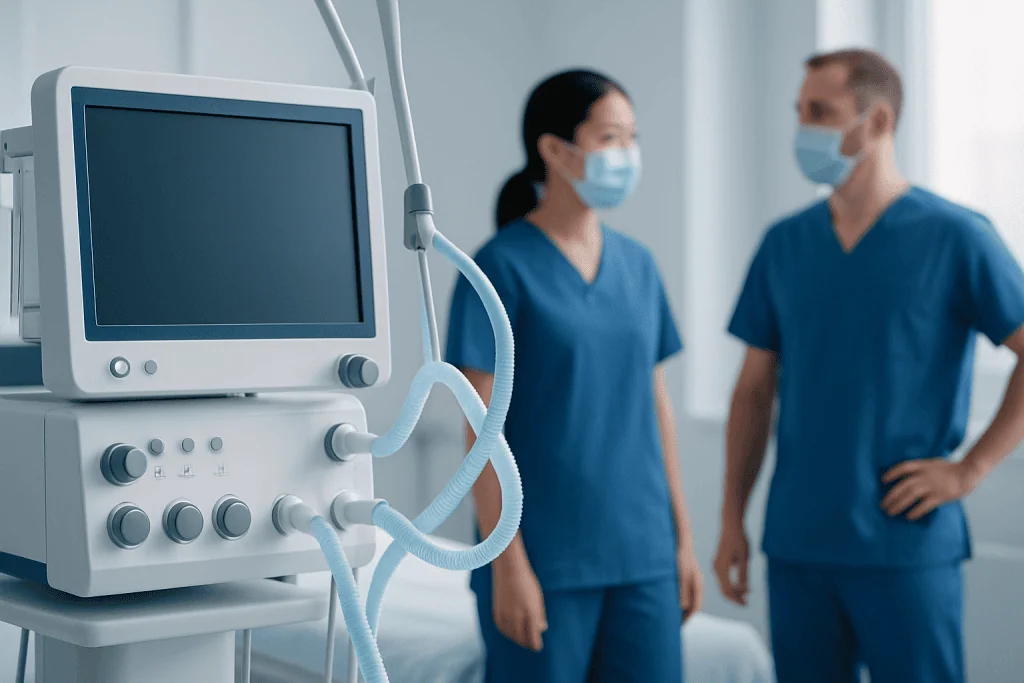
Understanding how infections spread helps people choose the right protective steps. Respiratory infections such as influenza, COVID-19, and some common colds can pass through droplets and tiny particles released when a person coughs, sneezes, talks, or breathes. Close contact, crowded indoor spaces, and poor ventilation can increase the risk of transmission.
Other infections are spread through direct contact with skin, bodily fluids, or contaminated surfaces, followed by touching the eyes, nose, or mouth. Some diseases are transmitted through food or water that has been contaminated during preparation, storage, or handling. Insects such as mosquitoes and ticks can also carry infections in certain regions.
Healthcare-related spread is another concern, especially when infection control practices are not followed. This is one reason why hospitals and clinics emphasize hand hygiene, proper cleaning, vaccination, and early isolation when needed. Prevention is not only personal; it also supports public health and helps protect vulnerable members of the community.
Vaccines: A Key Part of Prevention
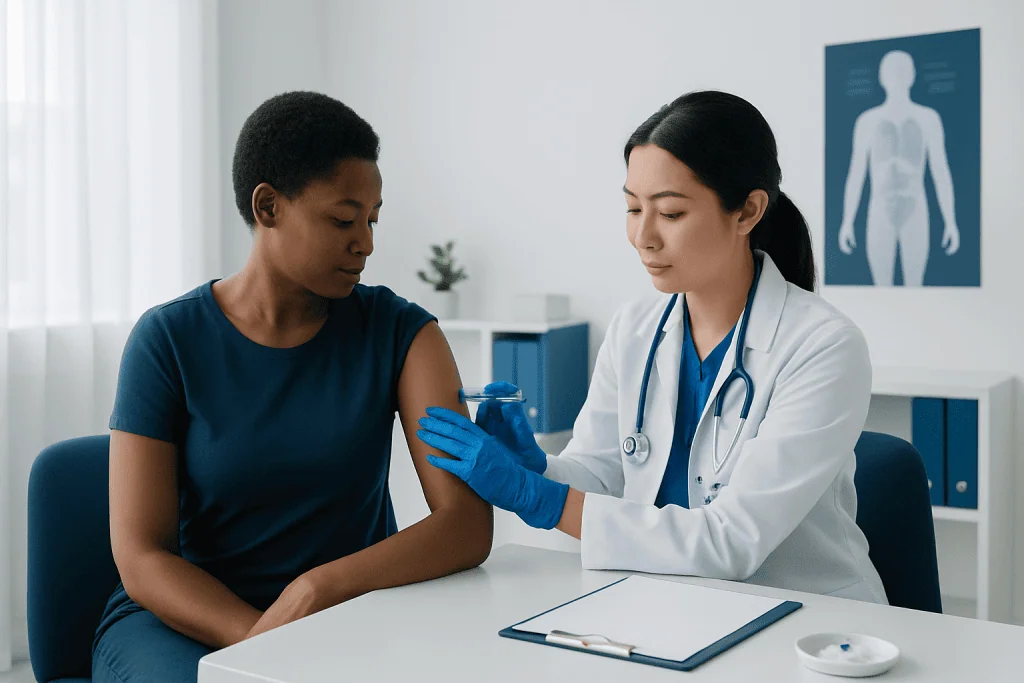
Vaccines train the immune system to recognize and fight specific infections before they cause serious illness. They are among the most effective tools for preventing infectious diseases and reducing complications, hospitalizations, and outbreaks. Routine childhood vaccines, adult boosters, seasonal vaccines, and travel-related immunizations each have an important role.
Vaccine schedules vary by age, health status, occupation, pregnancy, and travel plans. For example, some adults may need boosters against tetanus or vaccines for influenza, pneumococcal disease, shingles, hepatitis, or other preventable infections. People with chronic diseases or weakened immunity may need tailored advice from a doctor.
It is normal to have questions about vaccine timing, side effects, and suitability. A qualified healthcare professional can explain which vaccines are recommended and when they should be given. Keeping vaccination records up to date is a simple but important habit for individuals and families.
Vaccination does not replace other precautions, but it works alongside them. Even when vaccines do not prevent every infection, they often make illness milder and lower the risk of severe outcomes. This combined protection is especially valuable during seasonal outbreaks or when traveling internationally.
Everyday Hygiene and Healthy Habits
Handwashing is one of the simplest and most effective ways to prevent infection. Hands should be washed with soap and water after using the toilet, before preparing or eating food, after coughing or sneezing, after caring for someone who is ill, and after touching frequently handled public surfaces. If soap and water are not available, an alcohol-based hand sanitizer can be helpful.
Respiratory etiquette also matters. Covering the mouth and nose with a tissue or the elbow when coughing or sneezing helps limit the spread of respiratory germs. Used tissues should be thrown away promptly, and hands should be cleaned afterward. People who feel unwell should avoid close contact with others whenever possible.
At home, regular cleaning of high-touch objects can reduce the spread of germs. Examples include phones, door handles, light switches, remote controls, and shared countertops. Good ventilation, such as opening windows when practical or improving air flow indoors, can also help lower the concentration of airborne infectious particles.
Daily habits that support overall health can strengthen resilience as well. These include adequate sleep, balanced nutrition, regular physical activity, stress management, and avoiding tobacco. These habits do not replace vaccines or hygiene, but they support the immune system and recovery if illness occurs.
- Wash hands thoroughly and often
- Avoid touching the face with unwashed hands
- Cover coughs and sneezes
- Clean shared surfaces regularly
- Improve airflow in indoor spaces
- Stay home when sick if possible
Food, Water, Travel, and Other Risk Factors
Foodborne and waterborne infections are common and often preventable. Safe food practices include washing produce, cooking foods thoroughly, separating raw and cooked items, refrigerating perishables promptly, and paying attention to expiration dates. Clean drinking water is also essential, especially in places where sanitation standards may be uncertain.
Travel can increase exposure to unfamiliar infections. Depending on the destination, a traveler may need vaccines, insect bite protection, careful food and water choices, or preventive medication. Seeking travel health advice in advance allows enough time for recommended immunizations and practical planning.
Some personal and environmental factors increase infection risk. These include young or advanced age, pregnancy, chronic illnesses such as diabetes or lung disease, immune-suppressing treatment, crowded living conditions, and certain occupations such as healthcare or childcare. In these situations, prevention plans may need to be more individualized.
Sexual health is another part of infection prevention. Safer sex practices, regular screening when appropriate, and open communication with healthcare professionals can reduce the spread of sexually transmitted infections. For people with ongoing concerns about recurrent or complex infections, evaluation by specialists may be helpful, including assessment for conditions such as hepatitis when relevant to symptoms or risk factors.
What to Do If Symptoms Develop
Even with good prevention, infections can still happen. Common symptoms include fever, cough, sore throat, runny nose, vomiting, diarrhea, rash, pain with urination, fatigue, or localized redness and swelling. The right response depends on the symptoms, the person’s overall health, and whether there may have been a recent exposure.
Many mild infections improve with rest, fluids, and monitoring, but some symptoms should not be ignored. Breathing difficulty, confusion, persistent high fever, signs of dehydration, severe weakness, chest pain, rapidly spreading rash, or worsening symptoms in infants, older adults, or immunocompromised people warrant prompt medical attention. A doctor can determine whether testing, antiviral treatment, antibiotics, or other care is needed.
It is important not to use antibiotics without medical advice. Antibiotics only treat bacterial infections, not viral illnesses such as most colds or influenza. Unnecessary antibiotic use can contribute to antibiotic resistance, making future infections harder to treat.
When a person may have a contagious illness, sensible precautions help protect others. These include staying home if possible, limiting close contact, wearing a mask when recommended or appropriate, cleaning shared surfaces, and following medical guidance about testing and return to school or work.
Diagnosis, Treatment, and Medical Support
Doctors diagnose infectious diseases based on symptoms, physical examination, exposure history, and, when needed, laboratory tests or imaging. Depending on the illness, tests may include throat swabs, blood tests, urine tests, stool tests, or chest imaging. Accurate diagnosis helps ensure that treatment is appropriate and avoids unnecessary medication.
Treatment varies according to the cause. Viral infections may require supportive care or antiviral medicines in selected cases, while bacterial infections may need antibiotics. Some severe infections require hospital care, intravenous fluids, oxygen support, or close monitoring. Specialist input may be useful for complicated respiratory, gastrointestinal, or systemic infections.
Care should also focus on preventing spread and supporting recovery. This can involve hydration, rest, fever management, isolation advice, wound care, and follow-up if symptoms persist. When respiratory infection causes significant concern, a doctor may recommend further evaluation and, in some cases, bronchoscopy to investigate the airways.
For international patients who need evaluation or treatment, Acibadem International’s multidisciplinary specialists and JCI-accredited hospitals provide diagnosis and care for a wide range of infectious and related conditions. In selected cases where complications affect the chest or breathing, related support may include chest disease care or advanced pulmonary rehabilitation as part of recovery planning.
Prevention at Home, Work, and School
Prevention works best when healthy habits are consistent across daily environments. At home, family members can reduce spread by avoiding shared personal items, cleaning common surfaces, improving ventilation, and paying attention to food safety. Caregivers should be especially careful when looking after infants, older adults, or anyone recovering from illness.
In schools and workplaces, infection control depends on practical policies and personal responsibility. Access to handwashing facilities, support for staying home when sick, regular cleaning, and good indoor air flow can all reduce transmission. People should also keep routine vaccinations up to date and follow local public health recommendations during outbreaks.
Community prevention is strengthened when individuals know when to seek help and when to limit contact with others. Public health advice may change depending on circulating infections, season, and local conditions. Trusted sources and healthcare professionals can provide current recommendations that fit a person’s age, medical history, and lifestyle.
Prevention does not mean avoiding normal life; it means making informed choices that lower avoidable risk. These choices are especially important for those who are at higher risk of complications from infections, including anyone with chronic disease or reduced immunity.
Frequently asked questions
What is the best way to prevent infectious diseases?
The best approach combines several measures rather than relying on just one. Staying up to date with vaccines, washing hands regularly, practicing good respiratory hygiene, handling food safely, and staying home when ill can all reduce the risk of infection and transmission.
Do vaccines completely prevent infection?
Vaccines do not always prevent every infection, but they often reduce the chance of becoming infected and can make illness much milder. They are especially valuable for lowering the risk of severe disease, complications, and spread within the community.
How often should hands be washed to prevent infection?
Hands should be washed often during the day, especially before eating or preparing food, after using the toilet, after coughing or sneezing, and after contact with shared surfaces. Soap and water are preferred, but alcohol-based hand sanitizer is useful when handwashing is not possible.
Can a healthy lifestyle help prevent infectious diseases?
Yes. Good sleep, balanced nutrition, regular activity, and avoiding tobacco can support immune function and overall recovery. However, these habits work best alongside specific preventive measures such as vaccination and hygiene.
When should someone see a doctor for a possible infection?
Medical advice is important if symptoms are severe, persistent, or worsening, or if there is trouble breathing, dehydration, confusion, chest pain, or a high-risk health condition. Infants, older adults, pregnant people, and those with weak immune systems should seek care earlier if they become unwell.
Why should antibiotics not be used without a doctor’s advice?
Antibiotics treat bacterial infections, but they do not work against viruses such as most colds and flu. Using them when they are not needed can cause side effects and contribute to antibiotic resistance, making future infections harder to treat.
References
- World Health Organization
- Centers for Disease Control and Prevention
- European Centre for Disease Prevention and Control
- UNICEF
- National Health Service
This article is for general information only and is not a substitute for professional medical advice. Please consult a qualified doctor about your individual situation.
Explore treatments in Turkey — costs, top hospitals & a free quote
JCI-accredited · board-certified surgeons · reply within 24h
Add us as a Preferred Source to see more of our trusted health content across Google Search, AI Overviews and Discover.