CKD Stages: What eGFR and Creatinine Results Mean

CKD stages are based mainly on eGFR, but urine albumin levels are also important. Creatinine is a blood test used to estimate eGFR rather than a stage by itself.
Key Takeaways
- CKD stages are based mainly on eGFR, but urine albumin levels are also important.
- Creatinine is a blood test used to estimate eGFR rather than a stage by itself.
- A single abnormal result does not always mean chronic kidney disease; results usually need to persist for at least three months.
- Blood pressure, diabetes, medicines, hydration, and age can affect kidney test results.
- Early treatment and regular monitoring can help slow CKD progression and reduce complications.
CKD stages help doctors understand how well the kidneys are filtering blood and whether kidney function is stable or declining. eGFR, creatinine, and urine protein results are often interpreted together to estimate the stage of chronic kidney disease and guide follow-up and treatment.
Overview: What CKD stages mean
Chronic kidney disease, often called CKD, describes long-term changes in kidney structure or function. The kidneys normally filter waste, balance fluids and minerals, help control blood pressure, and support red blood cell health. When kidney function declines over time, doctors use staging to describe how severe the change is and to plan monitoring and treatment.
CKD stages are based mainly on the estimated glomerular filtration rate, or eGFR. This is a calculation that estimates how much blood the kidneys filter each minute. In general, a higher eGFR suggests better kidney function, while a lower eGFR suggests more advanced disease. However, eGFR is only one part of the picture.
Doctors also look at creatinine, a waste product measured in the blood, because creatinine is used to calculate eGFR. In addition, a urine test for albumin or protein helps show whether the kidneys are leaking substances that should normally stay in the blood. Together, these tests give a more complete and reliable view of kidney health than any single number alone.
Understanding eGFR, creatinine, and urine albumin
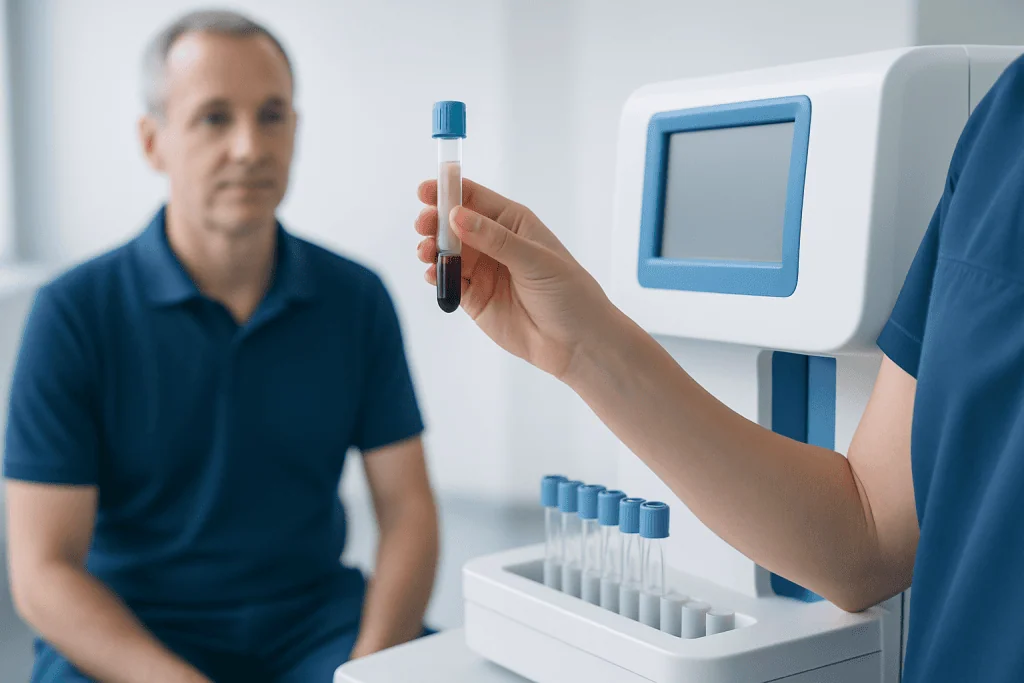
Creatinine is produced by normal muscle activity and removed from the body by the kidneys. When the kidneys filter less effectively, creatinine levels in the blood may rise. Because creatinine can be influenced by age, sex, muscle mass, and some medicines, doctors usually do not rely on creatinine alone to judge kidney health.
eGFR is calculated from creatinine and other patient factors. It offers a more practical estimate of kidney filtering function than creatinine by itself. In adults, an eGFR of 90 or higher may be considered normal if there are no other signs of kidney damage, while lower values may suggest reduced kidney function. Small changes do not always mean disease, so trends over time matter.
Urine albumin testing is also important. Albumin is a protein that may leak into the urine when the kidney filters are damaged. A urine albumin-to-creatinine ratio, often called uACR, helps classify CKD risk more accurately. A person with a mildly reduced eGFR but significant albumin in the urine may need closer follow-up than someone with the same eGFR and no albuminuria.
- eGFR estimates kidney filtering ability
- Creatinine is a blood marker used to calculate eGFR
- Urine albumin helps detect kidney damage
- Repeated testing is often needed to confirm CKD
The CKD stages explained

CKD is commonly divided into five stages according to eGFR. Stage 1 means eGFR is 90 or higher, but there is evidence of kidney damage such as albumin in the urine or abnormal imaging. Stage 2 means eGFR is 60 to 89 with signs of kidney damage. In these earlier stages, many people have no symptoms, so routine testing can be very important.
Stage 3 is split into two parts. Stage 3a generally refers to eGFR 45 to 59, and stage 3b refers to 30 to 44. At this point, kidney function is moderately reduced. Some people may begin to develop complications such as high blood pressure, anemia, bone and mineral imbalance, or swelling, although others still feel well.
Stage 4 means eGFR is 15 to 29, showing severely reduced kidney function. Stage 5 means eGFR is below 15 and usually reflects kidney failure. At advanced stages, careful planning becomes more important, including discussion of kidney-protective treatment, management of complications, and in some cases kidney transplant or other renal replacement therapies. A nephrologist may also assess related concerns such as kidney failure and overall long-term kidney support.
What can affect creatinine and eGFR results
Kidney test results can change for reasons other than permanent chronic kidney disease. Dehydration, recent illness, urinary blockage, some antibiotics, anti-inflammatory medicines, contrast dye, and changes in blood pressure can temporarily affect kidney function. This is one reason doctors often repeat tests before confirming a diagnosis of CKD.
Creatinine levels may also be higher or lower depending on body build and muscle mass. For example, a muscular person may have a higher creatinine than expected without having severe kidney disease, while an older person with low muscle mass may have a lower creatinine despite meaningful kidney impairment. eGFR helps adjust for some of these factors, but clinical judgment is still important.
Other conditions can influence interpretation as well. Diabetes, high blood pressure, heart disease, autoimmune disorders, inherited kidney conditions, and recurrent urinary tract problems can all contribute to kidney damage. In some cases, doctors may order imaging, additional blood tests, or specialist evaluation to clarify the cause, especially when there is concern about chronic kidney disease progression or another underlying disorder.
How CKD is diagnosed and monitored
CKD is usually diagnosed when signs of kidney damage or reduced kidney function persist for at least three months. Diagnosis often includes blood tests for creatinine and eGFR, urine testing for albumin or protein, blood pressure measurement, and review of personal and family history. If needed, imaging studies such as ultrasound can help assess kidney size, structure, stones, cysts, or obstruction.
Monitoring depends on the CKD stage, the amount of albumin in the urine, and other health conditions. People with early-stage CKD may only need periodic blood and urine testing, while those with more advanced disease usually need closer follow-up. Doctors may also monitor potassium, bicarbonate, calcium, phosphate, hemoglobin, and parathyroid hormone because CKD can affect many body systems.
Specialist care is often recommended for fast-changing kidney function, heavy albuminuria, difficult-to-control blood pressure, suspected inherited or inflammatory kidney disease, or advanced stages. In selected cases, clinicians may use nephrology evaluation and care to guide a personalized treatment plan and coordinate long-term monitoring.
Treatment options and ways to slow progression
Treatment for CKD focuses on slowing further damage, treating the cause, and reducing complications. Control of blood pressure is one of the most important steps. For many people, diabetes management, cholesterol control, smoking cessation, regular physical activity, and weight management also help protect the kidneys and lower cardiovascular risk.
Medicines may be used to manage blood pressure, reduce albumin in the urine, control blood sugar, treat swelling, or correct complications such as anemia and mineral imbalance. Doctors also review current medicines carefully, since some drugs may stress the kidneys or require dose changes when kidney function falls. Patients should ask before taking over-the-counter pain relievers, supplements, or herbal products.
In more advanced stages, care may include dietary guidance, preparation for renal replacement therapy, and discussion of options such as dialysis when needed. If a structural problem is contributing, treatment may also involve addressing obstruction or stones, especially when symptoms overlap with kidney stones. Near the end of the care pathway, Acibadem International’s multidisciplinary specialists and JCI-accredited hospitals provide diagnosis and treatment for international patients with kidney disease.
Self-care, prevention, and when to see a doctor
Not all CKD can be prevented, but many people can lower their risk or slow progression with everyday habits. Helpful steps include keeping blood pressure and blood sugar within target range, staying well hydrated unless a doctor advises fluid restriction, avoiding smoking, limiting unnecessary use of nonsteroidal anti-inflammatory drugs, and attending regular follow-up appointments. A kidney-friendly eating plan may be recommended based on stage and lab results.
People at higher risk should ask about screening, especially those with diabetes, high blood pressure, heart disease, obesity, a family history of kidney disease, or age-related risk factors. Early CKD often causes no symptoms, so testing is especially valuable in these groups. If albuminuria or falling eGFR is found early, treatment may begin before major symptoms appear.
A doctor should be consulted if there is persistent swelling, changes in urination, blood in the urine, ongoing fatigue, loss of appetite, nausea, uncontrolled blood pressure, or worsening test results. Urgent medical care is needed for severe shortness of breath, chest pain, confusion, or sudden major reduction in urine output. Any interpretation of CKD stages should be made in context by a qualified clinician, since the meaning of results depends on the whole medical picture.
Frequently asked questions
What is the difference between creatinine and eGFR?
Creatinine is a blood waste product that the kidneys normally remove. eGFR is a calculated estimate of how well the kidneys are filtering, based largely on creatinine along with other factors. Doctors usually interpret them together rather than separately.
Can one abnormal kidney test mean someone has CKD?
Not always. Chronic kidney disease is usually diagnosed when abnormal kidney function or signs of kidney damage are present for at least three months. Temporary problems such as dehydration, illness, or medication effects can also change test results.
Is a normal creatinine always reassuring?
A normal creatinine can be reassuring, but it does not tell the whole story. Some people, especially older adults or those with low muscle mass, may have kidney disease even when creatinine is not clearly elevated. That is why eGFR and urine albumin testing are also important.
What symptoms happen in early CKD stages?
Early CKD often causes no symptoms at all. Many people only learn about it through routine blood and urine testing. As kidney function declines, symptoms such as swelling, tiredness, appetite changes, or blood pressure problems may become more noticeable.
Can CKD get better?
Chronic kidney disease is usually managed rather than cured, but progression can often be slowed significantly. Treating the cause, controlling blood pressure and diabetes, and avoiding kidney stress can help preserve function. Some temporary declines in kidney function may improve if the underlying trigger is corrected.
Why is urine albumin important if eGFR is still good?
Urine albumin can be an early sign of kidney damage even when eGFR is normal or only mildly reduced. It helps doctors identify people at higher risk of progression and cardiovascular complications. This is why CKD staging considers both filtration and albumin leakage.
References
- National Kidney Foundation
- Kidney Disease: Improving Global Outcomes
- National Institute of Diabetes and Digestive and Kidney Diseases
- American Kidney Fund
- Centers for Disease Control and Prevention
This article is for general information only and is not a substitute for professional medical advice. Please consult a qualified doctor about your individual situation.
Explore treatments in Turkey — costs, top hospitals & a free quote
JCI-accredited · board-certified surgeons · reply within 24h
Add us as a Preferred Source to see more of our trusted health content across Google Search, AI Overviews and Discover.
Check your numbers in seconds
BMI, calories, due date, blood pressure and 30+ more clinical calculators — free, instant, doctor-reviewed ranges.