Food and Nutrition Absorption: Where Digestion and Nutrient Uptake Happen

Digestion starts in the mouth and continues in the stomach and small intestine. Most vitamins, minerals, fats, proteins, and carbohydrates are absorbed in the small intestine.
Key Takeaways
- Digestion starts in the mouth and continues in the stomach and small intestine.
- Most vitamins, minerals, fats, proteins, and carbohydrates are absorbed in the small intestine.
- The pancreas, liver, and gallbladder help digestion by releasing enzymes and bile.
- Problems such as inflammation, infection, enzyme deficiency, or bowel disease can reduce nutrient absorption.
- Ongoing bloating, diarrhea, weight loss, or nutrient deficiencies should be assessed by a doctor.
Food and nutrition absorption is the process by which the body breaks down food, moves it through the digestive tract, and takes useful nutrients into the bloodstream. Most nutrient uptake happens in the small intestine, while several organs work together to digest food efficiently.
Overview: What Food and Nutrition Absorption Means
Food and nutrition absorption describes two closely linked jobs of the digestive system: breaking food into small usable parts and then moving those nutrients into the body. Digestion changes food mechanically and chemically, while absorption allows vitamins, minerals, sugars, amino acids, fatty acids, and water to pass through the intestinal lining into the blood or lymphatic system.
This process does not happen in just one place. It begins in the mouth, continues in the stomach, and reaches its most important stage in the small intestine. Different organs contribute at different points, including the salivary glands, stomach, pancreas, liver, gallbladder, and intestines.
When food and nutrition absorption works well, the body gets the energy and building blocks it needs for growth, repair, immunity, hormone production, brain function, and daily activity. When absorption is impaired, a person may eat enough food but still develop tiredness, weight loss, anemia, bone weakness, or other signs of deficiency.
Where Digestion Begins and How Food Is Broken Down
Digestion starts in the mouth. Chewing breaks food into smaller pieces, making it easier to swallow and increasing the surface area for enzymes to act on. Saliva contains enzymes that begin digesting carbohydrates, and it also helps form a soft bolus that can move safely down the esophagus.
In the stomach, food mixes with acid and digestive enzymes. The stomach does not absorb most nutrients, but it plays a major role in preparing food for the small intestine. Proteins begin to break down here, and the stomach churns food into a semi-liquid mixture that can be released gradually into the next part of the digestive tract.
The pancreas, liver, and gallbladder support this next stage. The pancreas releases enzymes that digest fats, proteins, and carbohydrates. The liver makes bile, and the gallbladder stores and releases it to help break fats into smaller droplets. These steps allow nutrients to be absorbed more effectively once they reach the small intestine.
Where Nutrient Uptake Happens in the Digestive Tract
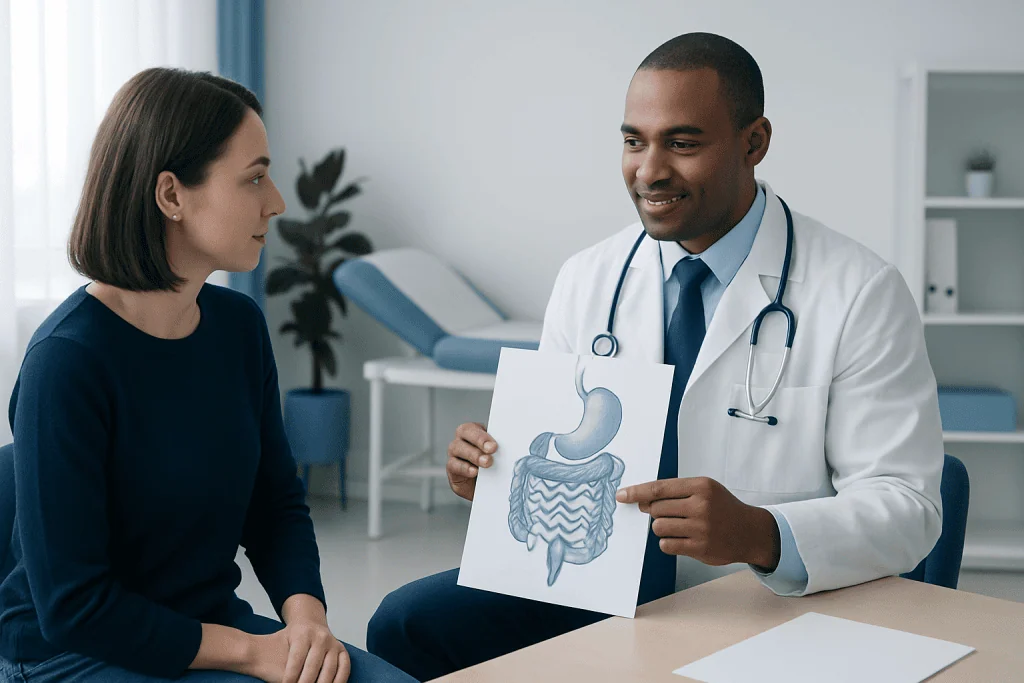
The small intestine is the main site of food and nutrition absorption. Its long, folded surface and tiny finger-like projections called villi and microvilli give it a very large area for nutrient uptake. This design helps the body absorb a high amount of nutrition from a relatively small volume of food.
Different nutrients are absorbed in different ways. Carbohydrates are broken into simple sugars and absorbed into the bloodstream. Proteins are broken into amino acids and absorbed for tissue repair and growth. Fats are digested into fatty acids and other components, then absorbed with the help of bile and carried partly through the lymphatic system.
Many vitamins and minerals are also absorbed in the small intestine, though the exact location varies. For example, iron is mainly absorbed in the upper small intestine, while vitamin B12 requires a special stomach-related factor and is absorbed farther along. The large intestine has a different role: it mainly absorbs water and some electrolytes, and it helps form stool.
- Mouth: chewing and early carbohydrate digestion
- Stomach: acid digestion and protein breakdown
- Small intestine: main site of nutrient absorption
- Large intestine: water and electrolyte absorption
What Affects Healthy Nutrient Absorption
Good absorption depends on several conditions working together. Food must be mixed and moved normally through the digestive tract. The stomach must produce the right environment, the pancreas must release enough enzymes, and bile must reach the intestine to help digest fats. The intestinal lining also needs to be healthy so nutrients can pass through it properly.
Dietary pattern matters as well. A balanced intake that includes protein, healthy fats, fiber, vitamins, and minerals supports digestion and absorption. Severe restriction, a very limited diet, or heavy alcohol use may reduce nutrient intake or interfere with normal digestive function over time.
Age, medications, surgery, and medical conditions can also affect absorption. Some people absorb less well after intestinal surgery or with chronic digestive illness. Others may have difficulty due to inflammation, infection, reduced stomach acid, or conditions affecting the pancreas or liver. In some cases, symptoms overlap with celiac disease or other disorders that damage the intestinal lining.
Symptoms and Causes of Poor Absorption
Poor absorption, also called malabsorption, can cause digestive symptoms or broader signs of nutrient deficiency. Common symptoms include bloating, gas, chronic diarrhea, pale or greasy stools, abdominal discomfort, unexpected weight loss, and tiredness. Some people notice hair thinning, mouth sores, easy bruising, numbness, bone pain, or swelling, depending on which nutrients are lacking.
There are many possible causes. Infections, inflammatory bowel conditions, food intolerances, pancreatic enzyme deficiency, bile flow problems, and diseases that injure the intestinal lining can all interfere with absorption. Some causes are temporary, such as a short-lived infection, while others require ongoing medical care. Conditions such as Crohn's disease may affect both digestion and nutrient uptake by causing inflammation in the bowel.
Food and nutrition absorption problems may also happen after surgery involving the stomach or intestines, or with long-term diseases affecting the pancreas or liver. A person with symptoms should not assume the cause is diet alone. Medical evaluation helps identify whether the issue is nutritional, digestive, inflammatory, or structural.
How Doctors Evaluate Digestion and Absorption Problems
Diagnosis usually begins with a medical history and physical examination. A doctor may ask about bowel habits, weight changes, appetite, diet, medication use, past surgery, family history, and symptoms such as fatigue or weakness. This helps narrow the likely cause of the problem.
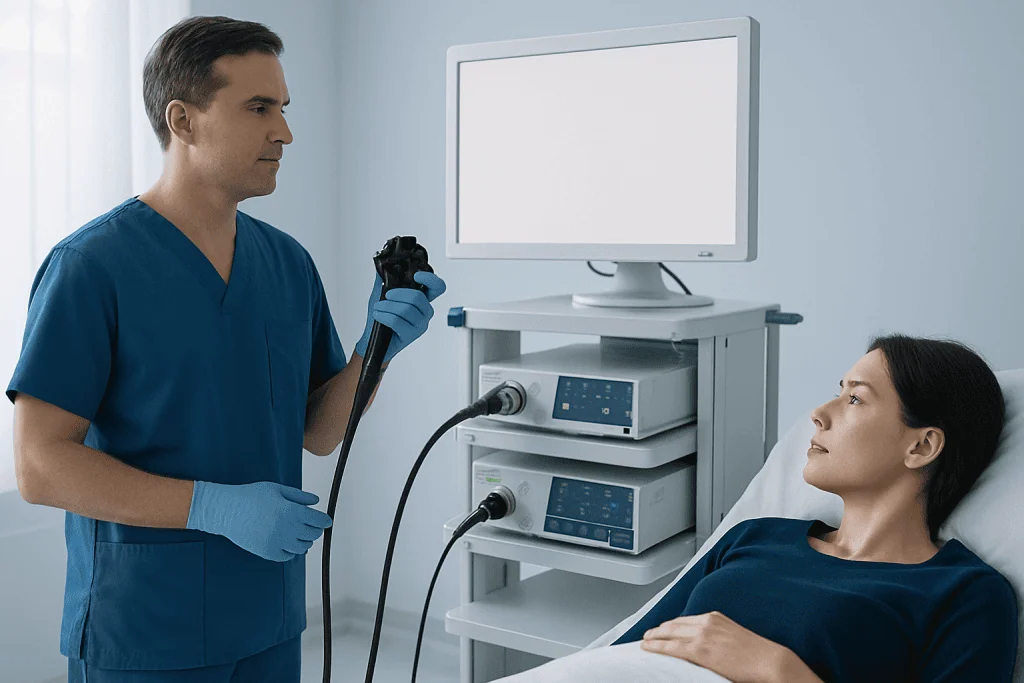
Blood tests can look for anemia, low vitamin levels, mineral deficiencies, inflammation, or problems related to the liver and pancreas. Stool tests may help detect infection, excess fat, or signs of digestive malfunction. Depending on symptoms, doctors may also use breath tests, imaging studies, or endoscopy to examine the digestive tract more closely.
If a structural or intestinal cause is suspected, further evaluation may be needed with procedures such as endoscopy or colonoscopy. In selected cases, doctors assess pancreatic function or investigate conditions like lactose intolerance when symptoms are linked to specific foods. The goal is to understand both why digestion is impaired and which nutrients may be lacking.
Treatment Options and Everyday Self-Care
Treatment depends on the underlying cause. Some people improve with dietary changes, such as avoiding trigger foods or adjusting meal size and timing. Others need treatment for an infection, inflammation, enzyme deficiency, or another digestive disorder. If nutritional deficiencies are present, a doctor may recommend supplements or specific dietary support.
When the problem involves poor enzyme activity, reduced bile flow, or disease in the intestine, care is directed at that condition. For example, some people may need specialist assessment through gastroenterology care to manage ongoing symptoms and protect long-term nutrition. Support from a registered dietitian can also be helpful in creating a balanced eating plan that is easier to digest.
Simple self-care measures can support healthy food and nutrition absorption:
- Eat a varied, balanced diet with enough protein, fruits, vegetables, whole grains, and healthy fats
- Chew food well and eat at a comfortable pace
- Stay hydrated
- Limit excessive alcohol intake
- Do not use supplements or elimination diets long term without professional guidance
- Follow medical advice if there is a diagnosed digestive condition
Near the end of the care pathway, some patients may need coordinated input from gastroenterologists, dietitians, and other specialists. Acibadem International’s multidisciplinary specialists and JCI-accredited hospitals diagnose and treat digestive and absorption-related conditions for international patients when advanced evaluation is needed.
When to See a Doctor
Occasional indigestion or a brief change in bowel habits is common, especially after dietary changes or a short stomach illness. However, symptoms that persist or return repeatedly should be assessed. Ongoing diarrhea, bloating, abdominal pain, or food-related symptoms may suggest a problem with digestion or absorption that deserves medical attention.
A doctor should also be consulted if there is unexplained weight loss, fatigue, weakness, anemia, pale or oily stools, or signs of vitamin and mineral deficiency. Children, older adults, and people with chronic illnesses may be more vulnerable to the effects of poor nutrient uptake and should not ignore these symptoms.
Urgent medical review is important if symptoms are severe, if there is dehydration, blood in the stool, persistent vomiting, high fever, or significant weakness. Early assessment can help identify the cause, relieve symptoms, and prevent longer-term nutritional problems.
Frequently asked questions
Where does most food and nutrition absorption happen?
Most food and nutrition absorption happens in the small intestine. Its large surface area allows nutrients from digested food to pass into the bloodstream or lymphatic system efficiently.
What is the difference between digestion and absorption?
Digestion is the process of breaking food into smaller parts that the body can use. Absorption is the next step, when those nutrients move through the intestinal lining into the body.
Can someone eat well and still have poor nutrient absorption?
Yes. A person may have a balanced diet but still develop deficiencies if the digestive system cannot break down or absorb nutrients properly. Conditions affecting the intestine, pancreas, liver, or stomach can contribute to this problem.
What are common signs of malabsorption?
Common signs include chronic diarrhea, bloating, gas, greasy stools, weight loss, and tiredness. Some people also develop anemia, bone weakness, numbness, or other deficiency-related symptoms over time.
Does the stomach absorb nutrients too?
The stomach plays an important role in digestion, especially in protein breakdown and preparing food for the small intestine. It absorbs only a limited number of substances compared with the small intestine, where most nutrient uptake occurs.
How do doctors test for absorption problems?
Doctors often begin with a medical history, examination, blood tests, and sometimes stool tests. Depending on the symptoms, they may also recommend breath testing, imaging, endoscopy, or other investigations to find the cause.
References
- National Institute of Diabetes and Digestive and Kidney Diseases
- NHS
- Merck Manual Consumer Version
- American College of Gastroenterology
This article is for general information only and is not a substitute for professional medical advice. Please consult a qualified doctor about your individual situation.
Persistent digestive symptoms? Get evaluated in Turkey
JCI-accredited · board-certified surgeons · reply within 24h
Add us as a Preferred Source to see more of our trusted health content across Google Search, AI Overviews and Discover.