

Radiation Oncology: How Targeted Cancer Treatment Works
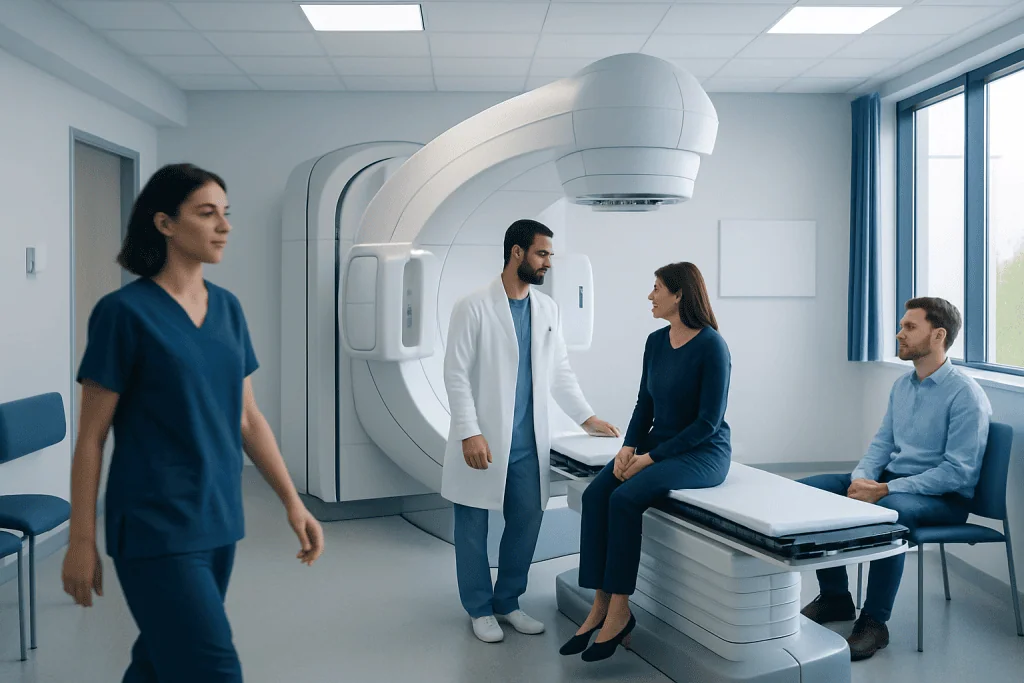
Radiation oncology uses high-energy radiation to damage cancer cells so they can no longer grow or divide normally. Treatment is carefully planned by a team that may include a radiation oncologist, medical physicist, and radiation therapists.
Key Takeaways
- Radiation oncology uses high-energy radiation to damage cancer cells so they can no longer grow or divide normally.
- Treatment is carefully planned by a team that may include a radiation oncologist, medical physicist, and radiation therapists.
- Radiation therapy may be used alone or combined with surgery, chemotherapy, immunotherapy, or other cancer treatments.
- Side effects depend on the treatment area, dose, and technique, and many can be managed with supportive care.
- Modern methods aim to target tumors more precisely and better protect nearby healthy organs.
- Patients should discuss benefits, risks, goals of care, and follow-up plans with their cancer team.
Radiation oncology is a medical specialty that uses precisely planned radiation to treat cancer and, in some cases, relieve symptoms. Modern techniques are designed to focus treatment on tumors while reducing exposure to surrounding healthy tissue.
Overview of radiation oncology
Radiation oncology is the branch of medicine that treats cancer with high-energy radiation. The goal is to destroy cancer cells or stop them from growing, while limiting damage to nearby normal tissues as much as possible. It is one of the main treatment options for many cancers and may be used alone or together with other therapies.
Radiation works by damaging the genetic material inside cells. Cancer cells are often less able than healthy cells to repair this damage, so they are more likely to die or lose the ability to divide. Because treatment is delivered in a carefully planned way, healthy tissues usually have more opportunity to recover between sessions.
Radiation therapy can be given with curative intent, meaning the aim is to eliminate the cancer, or with palliative intent, meaning the aim is to relieve symptoms such as pain, bleeding, or pressure caused by a tumor. In both cases, treatment planning focuses on balancing effectiveness with quality of life.
Modern radiation oncology relies on imaging, computer-based planning, and quality checks to make treatment as accurate as possible. For many patients, it is an important part of a personalized cancer care plan that may also include medical oncology care and surgery.
How targeted radiation treatment works
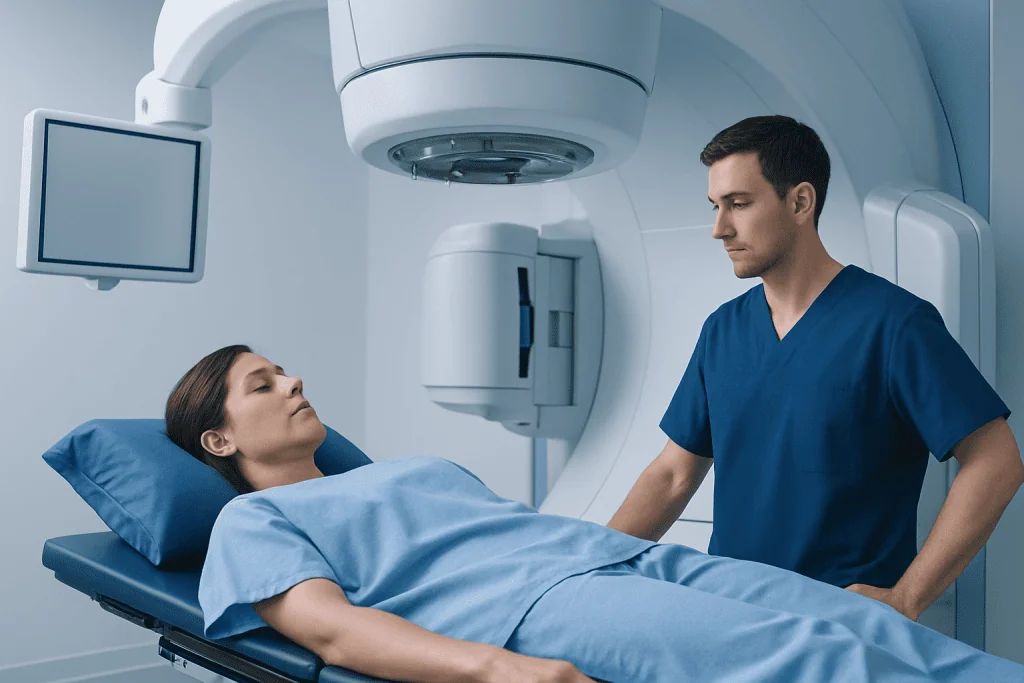
Although the word “radiation” can sound broad, treatment is highly targeted. Before therapy begins, the cancer team identifies the exact location, shape, and size of the tumor using imaging tests such as CT, MRI, or PET scans. These images help guide a custom plan that directs radiation to the intended area while reducing exposure to nearby organs.
External beam radiation therapy is the most common type. A machine outside the body sends carefully shaped beams toward the tumor from different angles. By combining these beam paths, doctors can deliver a stronger dose where the tumor sits and a lower dose to surrounding tissues.
Another approach is internal radiation therapy, also called brachytherapy, in which a radioactive source is placed inside or very close to the tumor for a period of time. Some cancers may also be treated with systemic radioactive medicines that travel through the body and target specific tissues.
Radiation is usually given in fractions, meaning smaller doses over several sessions. This schedule helps healthy cells repair themselves between treatments and can improve safety. Newer methods such as image-guided and intensity-modulated treatment can further refine targeting within radiation oncology programs.
When radiation therapy is used
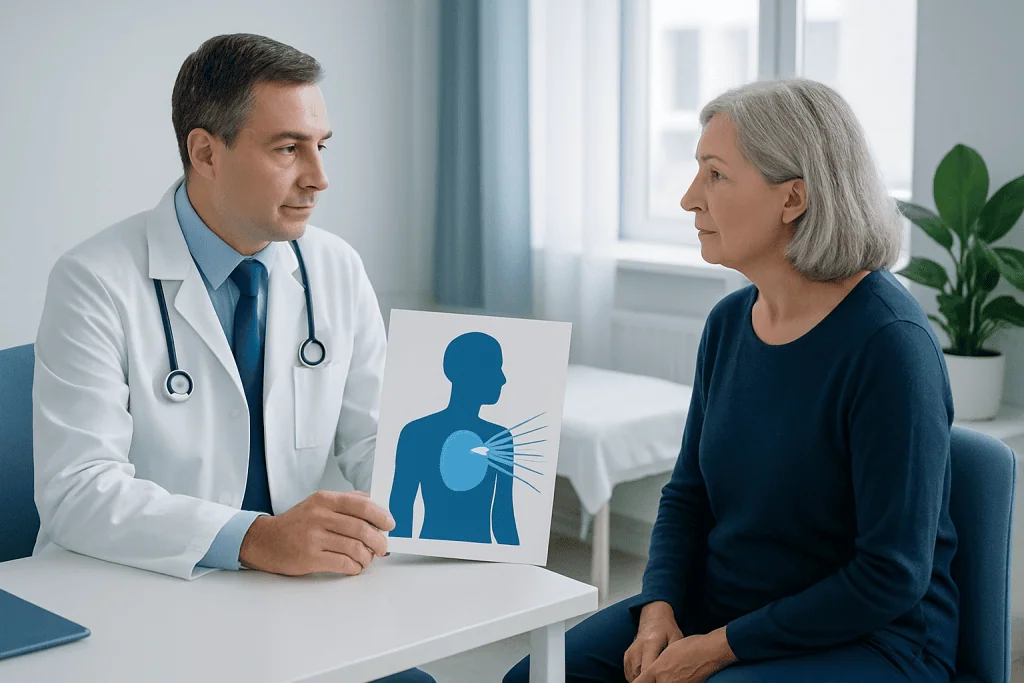
Radiation therapy is used for many different cancers. It may be the main treatment for some tumors, especially when surgery is not the best option or when preserving the function of an organ is important. In other situations, it is used before surgery to shrink a tumor or after surgery to lower the risk of cancer returning in the treated area.
Doctors may also combine radiation with chemotherapy, targeted therapy, hormone therapy, or immunotherapy. Combining treatments can make cancer cells more sensitive to radiation or help address disease that has spread beyond the original tumor. The best combination depends on the type of cancer, its stage, and the person’s overall health.
Radiation can also help manage symptoms in advanced cancer. For example, it may reduce pain from bone metastases, relieve pressure on nerves, or control bleeding. Even when a cure is not possible, symptom-focused radiation can improve comfort and daily functioning.
Common cancers that may involve radiation treatment include cancers of the breast, prostate, lung, head and neck, cervix, rectum, brain, and skin, among others. Some people receiving care for cancer may have radiation at one stage of treatment and other therapies at another stage, depending on how the disease responds.
Types of radiation oncology treatment
There are several ways to deliver radiation therapy, and the choice depends on the type and location of the cancer. External beam radiation is the most widely used. It includes standard techniques as well as more advanced methods that shape the beam closely to the tumor.
Intensity-modulated radiation therapy, or IMRT, changes the strength of the radiation across the treatment field to better fit the tumor and protect nearby tissues. Image-guided radiation therapy, or IGRT, uses imaging during treatment to confirm that the patient and tumor are in the planned position. Stereotactic techniques deliver very precise, high-dose treatment to small targets over fewer sessions in selected cases.
Brachytherapy places radioactive material directly inside or next to the tumor. This may be used for cancers such as prostate, cervical, uterine, or certain head and neck tumors. Because the source is close to the cancer, a high dose can be delivered to a focused area.
Some specialized cancers may be treated with particle-based therapies, such as proton therapy, when available and appropriate. The treating team explains why a particular technique is recommended, what benefits it may offer, and what limitations to expect. In some patients, treatment decisions are made together with oncology specialists from several disciplines.
Planning, diagnosis, and what to expect during treatment
Before treatment begins, patients usually have a consultation with a radiation oncologist. The doctor reviews the diagnosis, pathology results, imaging, overall health, and treatment goals. The team explains whether radiation is intended to cure the cancer, lower recurrence risk, or relieve symptoms.
A planning appointment, often called simulation, is then performed. During this visit, imaging is used to map the treatment area, and the patient is positioned in a way that can be reproduced each day. Small skin marks or custom supports may be used to help maintain the same position throughout the course of therapy.
After simulation, the radiation oncologist and medical physicist create a detailed treatment plan. They determine the total dose, number of sessions, beam angles, and how to protect nearby organs. Safety checks are an essential part of this process before the first treatment is delivered.
During external beam therapy, treatment itself is usually painless and often takes only a short time, although setup may take longer. Patients typically go home the same day. Brachytherapy and some specialized procedures may require a hospital stay, anesthesia, or closer monitoring depending on the technique used.
Side effects and recovery
Side effects from radiation therapy vary widely depending on the area treated, the total dose, the number of treatments, and whether other therapies are given at the same time. Many side effects are temporary and gradually improve after treatment ends, but some can appear later or last longer. The cancer team will discuss what is most likely in each individual case.
Common general effects may include fatigue and skin changes in the treated area, such as redness, dryness, or sensitivity. Radiation to the head and neck can cause mouth soreness or difficulty swallowing. Treatment to the chest may irritate the esophagus, while abdominal or pelvic treatment may lead to nausea, diarrhea, bladder irritation, or bowel changes.
Managing side effects is an important part of care. Supportive measures may include skin-care advice, nutrition support, pain relief, hydration guidance, and medications for nausea or bowel symptoms when needed. Patients should tell the care team about new or worsening problems early, as timely support often helps.
Recovery is often gradual. Some people feel well enough to continue many daily activities during treatment, while others need more rest. Follow-up visits help monitor healing, assess treatment response, and look for any late effects. Rehabilitation, symptom control, and emotional support can all be part of recovery.
Prevention, self-care, and follow-up
Radiation oncology itself is a treatment rather than a way to prevent cancer, but healthy habits can support the body during and after therapy. Patients are often advised to eat nourishing foods, stay hydrated, avoid smoking, limit alcohol if recommended, and get enough rest. Gentle physical activity may also help reduce fatigue for some people.
Self-care during radiation should be based on the team’s instructions, especially for skin care and symptom management. It is generally important to protect treated skin from friction, harsh products, and direct sun exposure. Patients should ask before using creams, supplements, or home remedies on or near the treatment area.
Long-term follow-up is an important part of cancer care. Doctors may schedule physical exams, imaging, blood tests, or other assessments to see how the cancer has responded and to monitor for recurrence or late treatment effects. Follow-up plans differ depending on the cancer type and the treatments received.
Near the end of care planning, some patients choose to seek treatment through centers that offer multiple specialties in one place. Acibadem International’s multidisciplinary specialists and JCI-accredited hospitals diagnose and treat cancer for international patients, including those who may need PET-CT imaging as part of planning or follow-up.
When to speak with a doctor
Anyone diagnosed with cancer should discuss all suitable treatment options with a qualified cancer specialist. Radiation may be recommended based on the tumor type, stage, location, symptoms, and personal health factors. A second opinion can also be helpful when choices are complex or when highly specialized techniques are being considered.
People currently receiving radiation therapy should contact their treatment team if they develop severe pain, trouble swallowing, persistent vomiting, dehydration, fever, bleeding, shortness of breath, confusion, or rapidly worsening skin reactions. These symptoms do not always mean a serious problem, but they should be assessed promptly.
It is also important to ask questions throughout treatment. Patients may want to understand the purpose of therapy, expected benefits, possible side effects, alternative options, and what follow-up will involve. Clear communication helps people feel more prepared and involved in decisions.
Radiation oncology is most effective when it is individualized. Regular review by the care team allows treatment to be adjusted if needed and supports both safety and comfort throughout the process.
Frequently asked questions
Is radiation oncology the same as chemotherapy?
No. Radiation oncology uses targeted high-energy radiation aimed at a specific area, while chemotherapy uses medicines that travel through the bloodstream to treat cancer cells throughout the body. Some patients receive one of these treatments, and others receive both as part of a combined plan.
Does radiation therapy hurt during treatment?
External beam radiation treatment is usually painless while it is being delivered. Some patients may develop side effects over time, such as skin irritation or fatigue, but the treatment session itself does not usually cause pain.
How long does a course of radiation treatment last?
The length of treatment depends on the type of cancer, the treatment goal, and the radiation technique used. Some people have only a few sessions, while others need treatment over several weeks. The radiation oncologist explains the schedule before therapy begins.
Will radiation make the patient radioactive?
Most people who receive external beam radiation are not radioactive after treatment and can safely be around others. Some forms of internal radiation therapy may involve temporary precautions, and the care team gives clear instructions when that applies.
What side effects are most common with radiation oncology?
Common side effects include tiredness and irritation in the treated area, but the exact effects depend on where radiation is given. For example, treatment near the mouth may affect swallowing, while treatment to the pelvis may affect the bladder or bowel. Many side effects can be managed with medical support.
Can radiation therapy cure cancer?
In some cases, yes. Radiation therapy can be used with curative intent for certain cancers, especially when the disease is localized or as part of a combined treatment plan. In other situations, it is used to control symptoms and improve comfort rather than to cure the disease.
References
- World Health Organization
- National Cancer Institute
- American Society for Radiation Oncology
- American Cancer Society
- National Comprehensive Cancer Network
This article is for general information only and is not a substitute for professional medical advice. Please consult a qualified doctor about your individual situation.
Oncology care in Turkey — second opinion and treatment plan
JCI-accredited · board-certified surgeons · reply within 24h
Add us as a Preferred Source to see more of our trusted health content across Google Search, AI Overviews and Discover.

Medical Oncology Department
Medical treatment of cancer with chemotherapy, immunotherapy and targeted therapies under a multidisciplinary tumor board.
60 specialists in this unitMore from the Health Library

Related Specialists
Assoc. Prof. Dr. Hakan Hasdemir
Cardiology
Dr. Tuncer Babür
General Surgery
Burcu Kocabey
Physical Medicine & Rehabilitation
Assoc. Prof. Dr. Emre Günay
General Surgery