When Should You See an Orthopedic Surgeon?

Persistent pain, stiffness, swelling, or weakness in the bones or joints should be medically assessed. A person may need an orthopedic surgeon after an injury, repeated sprains, or difficulty walking or using a limb normally.
Key Takeaways
- Persistent pain, stiffness, swelling, or weakness in the bones or joints should be medically assessed.
- A person may need an orthopedic surgeon after an injury, repeated sprains, or difficulty walking or using a limb normally.
- Not every orthopedic visit leads to surgery; treatment often begins with non-surgical options.
- Early evaluation can help prevent worsening joint damage and support faster recovery.
- Urgent symptoms such as severe deformity, inability to bear weight, or sudden loss of function need prompt care.
An orthopedic surgeon evaluates and treats problems affecting bones, joints, muscles, tendons, ligaments, and related nerves. Knowing when to seek specialist care can help a person get a clear diagnosis, relieve pain, and protect long-term movement and function.
Overview: What does an orthopedic surgeon treat?
An orthopedic surgeon is a doctor who diagnoses and treats conditions affecting the musculoskeletal system. This includes bones, joints, muscles, tendons, ligaments, cartilage, and sometimes related nerves. These specialists care for a wide range of problems, from sudden injuries such as fractures and torn ligaments to long-term conditions like arthritis, back pain, and tendon disorders.
Despite the title, an orthopedic surgeon does much more than perform operations. In many cases, treatment starts with careful assessment and non-surgical care, such as medication, physical therapy, injections, activity changes, bracing, or rehabilitation. Surgery is usually considered when symptoms are severe, function is limited, or other treatments have not provided enough relief.
A person may be referred by a family doctor, emergency physician, sports medicine doctor, or physiotherapist. Some people also choose to see an orthopedic surgeon directly when pain, injury, or reduced mobility begins to affect daily life, work, exercise, or sleep.
Common signs that it may be time to see an orthopedic surgeon
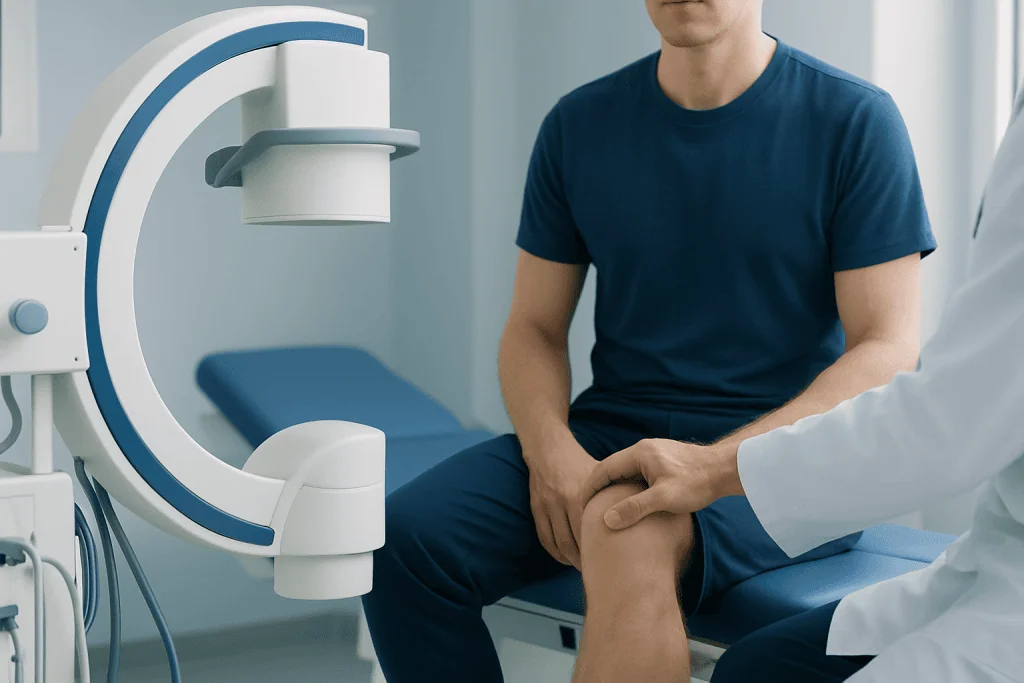
Many aches and pains improve with rest, time, and simple home care. However, symptoms that last for weeks, return repeatedly, or interfere with normal activities deserve more attention. Ongoing discomfort is not always a sign of serious disease, but it can indicate a problem that would benefit from specialist evaluation.
A person should consider seeing an orthopedic surgeon if they have persistent joint or muscle pain, swelling, stiffness, weakness, numbness, tingling, or reduced range of motion. Difficulty walking, climbing stairs, lifting objects, gripping, standing for long periods, or returning to usual exercise can also be important clues.
Common reasons for an orthopedic consultation include:
- Pain in the knee, hip, shoulder, back, neck, foot, ankle, elbow, or hand that does not improve
- Repeated sprains, strains, or sports injuries
- Joint instability, such as a knee that gives way or a shoulder that feels loose
- Stiffness or swelling that limits movement
- Pain that disrupts sleep or daily tasks
- Symptoms that continue despite rest, ice, or basic pain relief measures
Even mild symptoms can be worth discussing if they keep returning or gradually worsen. Early assessment may help identify overuse injuries, cartilage damage, tendon problems, or developing arthritis before they become harder to manage.
Injuries and conditions that often need specialist care

Orthopedic surgeons commonly assess injuries caused by falls, sports, exercise, road accidents, and repetitive strain. These can include fractures, dislocations, tendon tears, ligament injuries, meniscus tears, rotator cuff problems, and stress injuries. If pain begins suddenly after trauma, or if a limb looks deformed or cannot be used normally, prompt medical care is important.
Chronic conditions are another common reason for referral. Joint wear and tear from osteoarthritis, inflammatory problems, tendon irritation, nerve compression, and spine-related disorders can all lead to pain and reduced mobility. For example, persistent hip or knee pain may reflect cartilage loss, while arm numbness or shoulder weakness may point to a nerve or tendon issue.
Back and neck symptoms are especially common. A person may benefit from orthopedic review when pain radiates into the arms or legs, movement becomes limited, or symptoms continue despite conservative care. In some cases, a specialist may work alongside rehabilitation, pain, or neurology teams to reach the right diagnosis.
Children, older adults, and athletes may each have different patterns of orthopedic problems. Young athletes may develop overuse injuries, while older adults may experience fragility fractures or progressive joint degeneration. In every age group, the main goals are to reduce pain, restore movement, and protect function.
When symptoms are urgent
Some orthopedic symptoms should not wait for a routine appointment. Immediate or urgent assessment is recommended when there is severe pain after an injury, a visible deformity, inability to move a limb, or inability to bear weight. These signs may suggest a fracture, dislocation, tendon rupture, or another injury that needs rapid treatment.
Urgent care is also important if swelling develops quickly, a joint becomes suddenly locked, or a person hears a pop followed by major weakness or instability. New numbness, loss of bladder or bowel control together with back pain, or a cold, pale, or blue limb requires urgent medical evaluation because circulation or nerve function may be affected.
Fever, redness, and warmth around a joint can sometimes indicate infection, especially if a person also feels generally unwell. While not every painful joint is an emergency, it is safest to seek prompt care when symptoms are severe, rapidly worsening, or associated with trauma or signs of nerve or circulation problems.
How an orthopedic surgeon makes a diagnosis
An orthopedic evaluation usually begins with a detailed medical history. The surgeon will ask when the symptoms started, whether there was an injury, what movements trigger pain, how the problem affects daily activities, and what treatments have already been tried. Past injuries, sports participation, work demands, and other health conditions can all provide useful clues.
The physical examination focuses on movement, strength, stability, tenderness, alignment, swelling, and nerve function. Depending on the area involved, the doctor may compare both sides of the body, observe walking, or perform specific tests to identify ligament, tendon, cartilage, or joint problems.
Imaging or other tests may be recommended when needed. These can include X-rays for bone and joint alignment, ultrasound for soft tissue issues, or MRI scans to assess cartilage, ligaments, tendons, and other structures in more detail. Sometimes blood tests are used if inflammatory or infectious causes are being considered.
The aim of diagnosis is not just to name the condition, but to understand how severe it is and which treatment path is most appropriate. In some cases, symptoms may come from more than one issue, such as arthritis together with tendon irritation or nerve compression.
Treatment options: surgery is not always the first step
Many people worry that seeing an orthopedic surgeon means surgery is inevitable. In reality, orthopedic care often begins with non-surgical treatment. This may include a period of rest, activity adjustment, anti-inflammatory medication, supportive braces, targeted exercises, physiotherapy, or rehabilitation to improve strength and flexibility.
Injection-based treatments may sometimes be considered for selected conditions, depending on the diagnosis and the person’s overall health. For joint pain related to wear and tear, treatment may focus on reducing inflammation, preserving function, and helping a person stay active in safer ways. For soft tissue injuries, healing time and rehabilitation are often important parts of recovery.
Surgery is usually considered when there is structural damage, ongoing instability, severe pain, loss of function, or failure of conservative treatment. Examples include fracture fixation, arthroscopic procedures, tendon repair, ligament reconstruction, hip replacement, or knee replacement. Some spine conditions may also need specialist surgical review if nerve compression is significant.
Care plans are individualized. The best option depends on the exact diagnosis, age, activity level, general health, and personal goals. Near the end of the care pathway, patients seeking international care may also choose centers such as Acibadem International, where multidisciplinary specialists in JCI-accredited hospitals diagnose and treat orthopedic conditions.
What to do before and after the appointment
Preparing for an orthopedic visit can make the consultation more useful. It helps to note where the pain is, what makes it better or worse, how long it has been present, and whether it affects sleep, work, sport, or daily tasks. Bringing previous scan reports, medication lists, and details of earlier injuries can also save time.
Before the appointment, a person can usually continue gentle self-care unless a doctor has advised otherwise. Helpful measures may include rest from painful activities, ice after acute injuries, supportive footwear, and avoiding movements that increase symptoms. Over-the-counter pain relief may help some people, but it is best used according to label instructions and individual medical advice.
After the consultation, following the treatment plan consistently is important. Recovery often depends on completing rehabilitation exercises, attending follow-up visits, and allowing enough time for healing. Returning to sport or heavy physical activity too soon can increase the risk of reinjury.
If symptoms change or worsen, it is sensible to update the doctor. New swelling, increasing weakness, spreading numbness, or a sudden drop in mobility may mean the condition needs to be reassessed sooner.
How to protect bone and joint health
Not every orthopedic problem can be prevented, but everyday habits can lower the risk of injury and strain. Regular physical activity helps maintain muscle strength, flexibility, balance, and joint support. Warm-up routines before exercise, gradual training increases, and proper technique are especially important for runners, gym users, and athletes.
Maintaining a healthy body weight can reduce stress on weight-bearing joints such as the hips, knees, and ankles. Supportive shoes, safe lifting methods, good posture, and ergonomic workstations may also help protect the back, neck, and upper limbs. For older adults, fall prevention measures at home are an important part of bone and joint safety.
Nutrition matters as well. Adequate calcium, vitamin D, and balanced protein intake support bone and muscle health. People with long-term pain, repeated injuries, or a history of low-impact fractures should speak with a healthcare professional about whether further evaluation is needed.
Most importantly, pain should not simply be ignored if it persists. Seeking advice early can help identify manageable issues before they interfere more seriously with movement, independence, or quality of life.
Frequently asked questions
What is the difference between an orthopedic surgeon and a physiotherapist?
An orthopedic surgeon is a medical doctor who diagnoses musculoskeletal conditions and can offer both non-surgical and surgical treatment. A physiotherapist focuses on movement, rehabilitation, exercise therapy, and recovery. Many patients benefit from care from both professionals as part of one treatment plan.
Does seeing an orthopedic surgeon mean surgery will be recommended?
No. Many orthopedic problems are treated without surgery, especially in the early stages. A specialist may first recommend rest, rehabilitation, medication, bracing, injections, or lifestyle changes depending on the diagnosis.
How long should joint pain last before seeing a specialist?
If joint pain lasts more than a few weeks, keeps returning, or starts to interfere with walking, sleep, work, or exercise, it is reasonable to seek medical advice. Earlier review may be needed after an injury or if swelling, instability, or weakness is present.
Should a person see an orthopedic surgeon for back pain?
Back pain is common and often improves with conservative care, but specialist review may be helpful if it is severe, persistent, or radiates into the arms or legs. Urgent assessment is important if back pain is associated with major weakness, numbness, or bladder or bowel changes.
What tests might an orthopedic surgeon order?
The most common tests are imaging studies such as X-rays, ultrasound, or MRI, depending on the area and suspected condition. Some people may also need blood tests or other assessments if inflammation, infection, or another underlying condition is being considered.
Can repeated sports injuries be a sign to see an orthopedic surgeon?
Yes. Repeated sprains, strains, tendon pain, or unstable joints can point to an underlying issue that needs proper diagnosis. An orthopedic evaluation can help identify structural problems and guide safe return to sport.
References
- American Academy of Orthopaedic Surgeons
- National Institute of Arthritis and Musculoskeletal and Skin Diseases
- National Health Service
- OrthoInfo
- World Health Organization
This article is for general information only and is not a substitute for professional medical advice. Please consult a qualified doctor about your individual situation.
Joint and spine care in Turkey — expert assessment & treatment
JCI-accredited · board-certified surgeons · reply within 24h
Add us as a Preferred Source to see more of our trusted health content across Google Search, AI Overviews and Discover.

Orthopedics & Spine
Care for bones, joints and the musculoskeletal system, including joint replacement, sports injuries and trauma.
125 specialists in this unitMore from the Health Library



Related Specialists

Dt. Gonca Katmer
Oral & Dental Health
Dr. Gizem Akça
Gynecology & Obstetrics
Prof. Dr. Sibel Kahraman Aközer
Anesthesiology
Prof. Dr. Hülya Dede
Gynecology & Obstetrics