

Pediatrics: What It Means and What Pediatricians Do

Pediatrics focuses on medical care from birth through adolescence. Pediatricians monitor physical, emotional, and developmental health.
Key Takeaways
- Pediatrics focuses on medical care from birth through adolescence.
- Pediatricians monitor physical, emotional, and developmental health.
- Routine checkups, vaccines, and early screening are central parts of pediatric care.
- Pediatricians treat common childhood illnesses and help manage chronic conditions.
- Parents should seek medical advice if a child has persistent symptoms, developmental concerns, or signs of serious illness.
Pediatrics is the area of medicine devoted to the health and well-being of infants, children, and adolescents. Pediatricians help children grow safely, prevent illness, diagnose health problems, and support families through every stage of development.
Overview: What Pediatrics Means
Pediatrics is the branch of medicine that cares for babies, children, and teenagers. It includes prevention, diagnosis, treatment, and long-term follow-up for a wide range of health needs. The goal is not only to treat illness, but also to support healthy growth, development, nutrition, behavior, and emotional well-being.
Children are not simply small adults. Their bodies change quickly as they grow, and many medical conditions affect children differently than adults. Because of this, pediatric care is tailored to each stage of childhood, from newborn care and feeding guidance to school health, puberty, and adolescent wellness.
A pediatrician is a doctor trained to understand childhood diseases, development, and the special communication needs of young patients and their families. Pediatricians often work closely with parents, caregivers, nurses, therapists, and pediatric specialists to provide complete care.
What Pediatricians Do

Pediatricians provide both preventive and medical care. During routine visits, they check a child’s height, weight, growth pattern, development, sleep, nutrition, and behavior. They also give age-appropriate vaccines, answer family questions, and look for early signs of health concerns.
When a child is sick, a pediatrician evaluates symptoms, performs an examination, and decides whether tests or treatment are needed. Common reasons for visits include fever, cough, sore throat, ear pain, stomach problems, skin rashes, allergies, and minor injuries. Pediatricians also help families understand home care and recovery.
In addition, pediatricians manage chronic or ongoing conditions such as asthma, obesity, eczema, constipation, developmental delays, and attention or learning concerns. If more specialized care is needed, they may refer a child to experts in fields such as cardiology, neurology, endocrinology, surgery, or mental health.
- Well-child checkups and developmental monitoring
- Vaccinations and preventive screening
- Diagnosis and treatment of common illnesses
- Support for nutrition, sleep, and behavior
- Management of chronic childhood conditions
- Referral to pediatric subspecialists when needed
The Ages and Stages of Pediatric Care
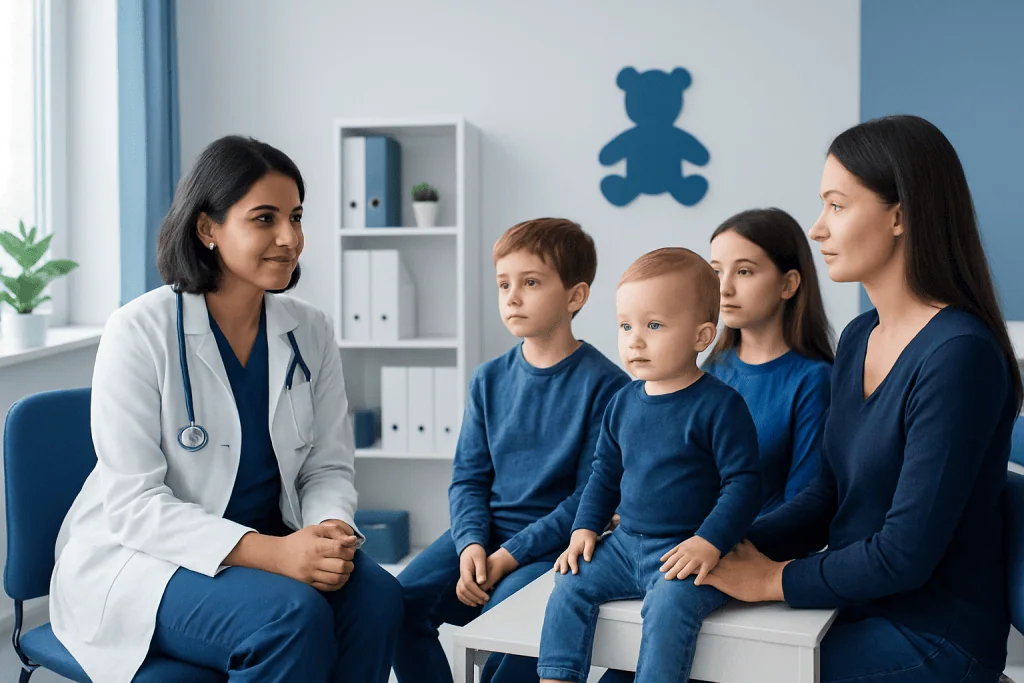
Pediatric care begins at birth. In the newborn period, pediatricians assess feeding, weight gain, jaundice, sleep patterns, and early reflexes. They also guide families on safe sleep, bonding, and what changes are normal in the first days and weeks of life.
As infants and toddlers grow, visits often focus on vaccines, movement, speech, social interaction, and feeding. Pediatricians watch for developmental milestones such as smiling, sitting, walking, and language growth. Early recognition of delays can help children receive support sooner.
In school-age children, care often includes vision and hearing checks, school performance, physical activity, emotional health, and management of common infections or chronic conditions. For adolescents, pediatricians may discuss puberty, mental health, acne, sleep, nutrition, sports participation, and healthy decision-making in a respectful, age-appropriate way.
Throughout all stages, pediatric care is family-centered. Parents and caregivers are important partners in sharing symptoms, asking questions, and helping children follow treatment plans and healthy routines.
Common Conditions Pediatricians Manage
Pediatricians care for many short-term illnesses that are common in childhood. These include colds, flu-like illnesses, ear infections, sore throats, stomach viruses, fever, diarrhea, vomiting, and mild dehydration. They also assess common skin issues, including diaper rash, viral rashes, and eczema.
They also help diagnose and manage longer-term conditions. Examples include asthma, food allergies, recurrent infections, constipation, growth concerns, sleep difficulties, and some behavioral or developmental issues. When symptoms suggest a more complex problem, the pediatrician coordinates the next steps in care.
Some children need extra monitoring because of premature birth, congenital conditions, or chronic diseases that affect daily life. In such cases, the pediatrician often becomes the main point of contact for ongoing follow-up and communication between different specialists. For example, a child with repeated wheezing may need evaluation for asthma, while ongoing skin inflammation may lead to assessment and treatment for eczema.
When advanced evaluation or treatment is needed, pediatricians may refer families for services such as allergy testing or pediatric cardiology assessment, depending on the child’s symptoms and history.
How Pediatricians Diagnose Health Problems
Diagnosis in pediatrics starts with listening carefully to the child and family. The doctor asks about symptoms, timing, appetite, sleep, activity level, recent illnesses, medications, growth, school concerns, and family medical history. In younger children, parents’ observations are especially important.
A physical examination may include checking temperature, heart rate, breathing, throat, ears, skin, belly, joints, hydration, and overall alertness. The examination is adapted to the child’s age and comfort. Pediatricians aim to keep the visit calm and clear, helping children feel safe whenever possible.
Not every child needs testing. When appropriate, a pediatrician may request blood tests, urine tests, throat swabs, hearing or vision screening, imaging, or developmental assessments. If symptoms are ongoing or unusual, they may recommend consultation with a pediatric specialist for deeper evaluation.
Because growth and development are central to children’s health, diagnosis also includes looking at patterns over time. A single measurement may be less important than whether a child is growing steadily, meeting milestones, and functioning well at home and school.
Prevention, Vaccines, and Healthy Development
One of the most important parts of pediatrics is prevention. Regular checkups help detect issues before they become more serious. These visits allow pediatricians to track growth, review diet and sleep, assess physical and emotional development, and provide guidance suited to the child’s age.
Vaccination is a key part of preventive pediatric care. Immunizations help protect children from serious infections and also support community health. Pediatricians explain the schedule, discuss expected side effects, and answer family concerns so parents can make informed decisions based on reliable medical evidence.
Pediatricians also encourage healthy habits that support lifelong wellness. These include balanced nutrition, physical activity, limited screen time, dental care, safe sleep, injury prevention, and emotional support. Small daily routines often make a meaningful difference in a child’s long-term health.
- Attend regular well-child visits
- Keep vaccines up to date
- Encourage handwashing and healthy sleep habits
- Offer nutritious meals and active play
- Use age-appropriate car seats, helmets, and safety measures
- Discuss behavior, school, and mental well-being openly
When to See a Pediatrician
Families should contact a pediatrician whenever they are concerned about a child’s health, even if symptoms seem mild. It is appropriate to seek advice for fever, poor feeding, vomiting, diarrhea, unusual tiredness, persistent cough, wheezing, pain, rash, or any change that seems out of character for the child.
Medical review is also important if a child is not gaining weight well, is missing developmental milestones, has repeated infections, struggles at school, or shows lasting changes in mood or behavior. These concerns do not always mean something serious, but they do deserve professional attention.
Urgent medical care is needed for warning signs such as difficulty breathing, severe dehydration, a seizure, loss of consciousness, a serious injury, a high fever in a very young infant, or a child who is difficult to wake or unusually unresponsive. In these situations, families should seek emergency help without delay.
For families seeking coordinated pediatric care, Acibadem International’s multidisciplinary specialists and JCI-accredited hospitals diagnose and treat a wide range of childhood conditions for international patients. Depending on the child’s needs, care may also involve services such as pediatric neurology or pediatric surgery.
Frequently asked questions
What is pediatrics in simple terms?
Pediatrics is the medical field focused on the health of babies, children, and teenagers. It includes preventing illness, treating health problems, and supporting healthy growth and development.
What does a pediatrician do during a regular checkup?
A pediatrician checks growth, development, nutrition, sleep, behavior, and general health. They may also give vaccines, perform routine screening, and answer parents’ questions about day-to-day care.
Until what age does a child usually see a pediatrician?
Many children see a pediatrician from birth through adolescence, often until age 18. In some settings, care may continue slightly longer depending on the person’s needs and local medical practice.
Do pediatricians only treat sick children?
No. A large part of pediatrics is preventive care, including checkups, vaccines, developmental monitoring, and health education for families. Pediatricians help children stay healthy as well as treat illness.
When should parents worry about a fever?
A fever should be discussed with a doctor if it is high, lasts longer than expected, comes with concerning symptoms, or occurs in a very young infant. Parents should seek urgent care if the child has breathing difficulty, extreme sleepiness, dehydration, or appears seriously unwell.
Can a pediatrician help with behavior or learning concerns?
Yes. Pediatricians often assess concerns related to attention, behavior, speech, social development, sleep, and school performance. If needed, they can refer the child for further evaluation by specialists such as psychologists, neurologists, or developmental experts.
References
- American Academy of Pediatrics
- World Health Organization
- Centers for Disease Control and Prevention
- UNICEF
- National Institutes of Health
This article is for general information only and is not a substitute for professional medical advice. Please consult a qualified doctor about your individual situation.
Explore treatments in Turkey — costs, top hospitals & a free quote
JCI-accredited · board-certified surgeons · reply within 24h
Add us as a Preferred Source to see more of our trusted health content across Google Search, AI Overviews and Discover.

Pediatrics
Complete healthcare for infants, children and adolescents across all sub-specialties.
232 specialists in this unitMore from the Health Library



Related Specialists

Asst. Prof. Dr. Hülya Kuşoğlu
Infectious Diseases & Clinical Microbiology
Prof. Dr. Ferdane Pirinççi Sapmaz
Gastroenterology
Prof. Dr. Nurdan Tözü̇n
Gastroenterology
Assoc. Prof. Dr. Hikmet Aktaş
Liver Transplant Center