Falls in Older Adults: Home Prevention Tips That Really Help
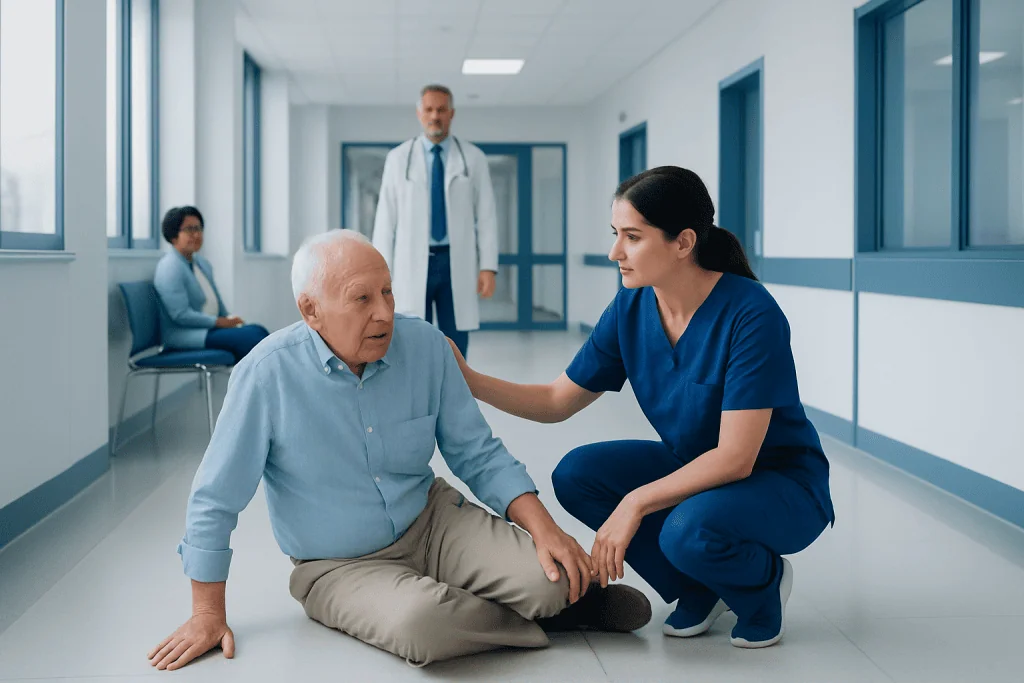
Most falls result from a combination of home hazards, balance changes, vision problems, and medications. Simple home adjustments such as better lighting, handrails, and removing tripping hazards can make a meaningful difference.
Key Takeaways
- Most falls result from a combination of home hazards, balance changes, vision problems, and medications.
- Simple home adjustments such as better lighting, handrails, and removing tripping hazards can make a meaningful difference.
- Strength and balance exercises help many older adults stay steadier and more confident when moving.
- Regular review of medicines, vision, hearing, and foot health is an important part of fall prevention.
- Any fall, near-fall, or new unsteadiness should be discussed with a healthcare professional.
Falls in older adults are common, but many can be prevented with practical steps at home and regular health checks. Safer rooms, better lighting, proper footwear, exercise, and medication review can all lower fall risk.
Overview: Why Falls Matter in Later Life
Falls in older adults are a major health concern because they can affect independence, confidence, and overall quality of life. A fall may lead to bruises or minor soreness, but it can also cause fractures, head injury, or a fear of moving around. That fear sometimes leads people to become less active, which can weaken muscles and increase the chance of another fall.
It is helpful to remember that falls are not an unavoidable part of aging. In many cases, they happen because several manageable factors come together, such as reduced balance, poor lighting, slippery floors, unsuitable footwear, or side effects from medicines. Identifying these factors early can help lower the risk.
Prevention works best when it looks at the whole person as well as the home environment. Daily habits, physical activity, vision, hearing, long-term conditions, and room layout all play a role. With a few targeted changes, many older adults can move more safely and feel more secure at home.
Common Reasons Older Adults Fall
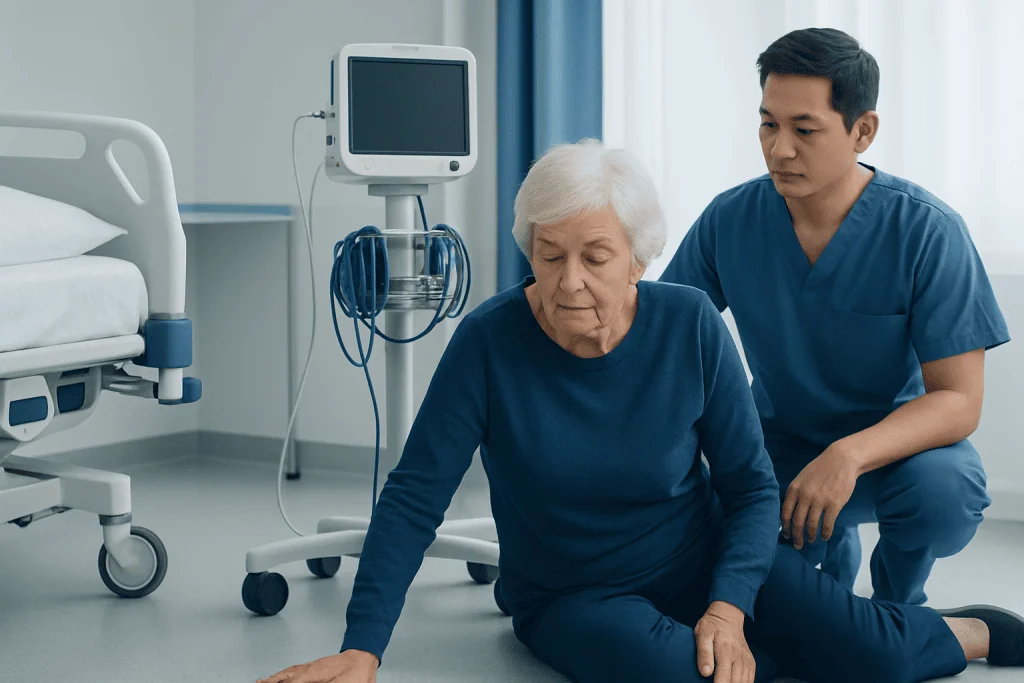
Falls rarely happen for one single reason. Often, a person may feel slightly unsteady, stand up too quickly, trip over a loose rug, or misjudge a step in dim light. Even a small hazard can become important when balance, muscle strength, or reaction time is reduced.
Physical changes associated with aging can increase risk. These may include weaker leg muscles, slower reflexes, reduced joint flexibility, changes in walking pattern, and problems with vision or hearing. Some medical conditions can also affect balance, blood pressure, sensation in the feet, or alertness.
Medicines are another common contributor. Sedatives, sleeping tablets, some antidepressants, blood pressure medicines, and drugs that cause dizziness or drowsiness may increase the risk of falling. Alcohol can add to this effect. In many people, the risk comes from a combination of several small issues rather than one obvious problem.
- Cluttered walkways and loose cords
- Poor lighting, especially at night
- Slippery bathrooms and kitchens
- Loose rugs or uneven flooring
- Foot pain, numbness, or poorly fitting shoes
- Dizziness, low blood pressure, or medication side effects
Warning Signs and Who May Be at Higher Risk

A person does not need to have already fallen to be at risk. Warning signs can include needing furniture for support while walking, feeling dizzy when standing, shuffling steps, trouble getting up from a chair, or feeling unsteady on stairs. Repeated near-falls are also important because they may signal a problem before a serious injury happens.
Older adults who have fallen before are more likely to fall again, especially if the cause was not identified and addressed. Risk may also be higher in people with osteoporosis, arthritis, diabetes, stroke, Parkinsonian symptoms, neuropathy, poor vision, memory problems, or urinary urgency that causes rushing to the bathroom.
Family members and caregivers can often notice subtle changes first. If an older adult is walking more slowly, avoiding activity, seeming less confident, or becoming unusually tired when moving around the home, it may be time for a fall-risk review. Early attention can prevent a minor issue from becoming a larger one.
Home Prevention Tips That Really Help
Practical home safety steps can greatly reduce fall risk. The aim is to make everyday movement easier and more predictable. Walkways should be kept clear of clutter, electrical cords, footstools, and small furniture. Loose rugs are best removed or firmly secured, and slippery floors should be cleaned and dried promptly.
Lighting matters more than many people realize. Brighter bulbs, easy-to-reach switches, bedside lamps, motion-sensor lights, and night-lights in the bedroom, hallway, and bathroom can help prevent missteps. Stairs should have secure handrails on at least one side, and steps should be clearly visible and free of objects.
The bathroom is one of the highest-risk areas in the home. Non-slip mats, grab bars near the toilet and in the shower, a shower chair if needed, and a handheld shower head may improve safety. In the kitchen, frequently used items should be stored within easy reach to avoid climbing or stretching. Stable, supportive footwear with non-slip soles is usually safer than slippers, socks alone, or shoes with worn soles.
- Keep floors clear and dry
- Improve lighting in every room and hallway
- Install grab bars and handrails where needed
- Use non-slip mats in wet areas
- Store daily items at waist to shoulder height
- Choose supportive, well-fitting shoes
- Consider a walking aid if recommended by a clinician
For some people, a home assessment by an occupational therapist or rehabilitation specialist can be especially useful. This can identify hidden hazards and suggest practical modifications that suit the person’s strength, mobility, and routine.
Strength, Balance, and Healthy Habits
Exercise is one of the most effective ways to help prevent falls in older adults. Programs that focus on leg strength, balance, flexibility, and safe walking can improve stability and confidence. Gentle activities such as supervised balance training, chair-based strengthening, tai chi, or physiotherapy-guided exercises may be suitable, depending on the person’s health and mobility.
Staying active also helps maintain bone health, joint movement, and reaction time. Even small daily routines, such as standing up from a chair several times in a row, walking indoors or outdoors safely, or practicing heel-to-toe balance under guidance, can be helpful. People with pain, prior injuries, or long-term neurological or musculoskeletal conditions may benefit from individualized advice through physical therapy and rehabilitation.
Healthy habits also support steadiness. Drinking enough fluids may reduce dizziness related to dehydration. Eating regular, balanced meals can help prevent weakness and low energy. Vision and hearing checks, proper foot care, and updating glasses when needed are all part of a complete fall-prevention plan. If dizziness, fainting, or balance changes suggest an inner ear or nerve-related cause, further evaluation may be needed, sometimes involving neurology care.
Medication Review, Diagnosis, and Medical Assessment
If an older adult has fallen, nearly fallen, or feels newly unsteady, a medical review is important. A clinician may ask about when the event happened, what the person was doing, whether there was dizziness or loss of consciousness, and what medicines are being taken. They may also check blood pressure when lying and standing, gait, balance, muscle strength, vision, hearing, feet, and footwear.
Medication review is often a key part of prevention. Sometimes the solution is not stopping a medicine suddenly, but adjusting the dose, changing the timing, or considering alternatives under medical supervision. Bringing an up-to-date list of prescription medicines, over-the-counter products, and supplements to appointments can be very helpful.
Tests are not always needed, but they may be recommended if symptoms point to a specific cause. For example, blood tests may help identify anemia or dehydration, while heart rhythm evaluation may be needed if there are episodes of fainting. If a fall caused significant pain or a suspected fracture, imaging may be required. Ongoing balance trouble may lead to referral for diagnostic assessment or specialist support.
What to Do After a Fall and When to Seek Help
After a fall, the first priority is to check for injury. If there is severe pain, obvious deformity, heavy bleeding, head injury, confusion, chest pain, or trouble breathing, urgent medical help is needed. If the person feels able to move, it is still wise to get up slowly and carefully, using stable support if available.
Even when no serious injury is obvious, a fall should not be ignored. Pain, bruising, swelling, or reduced confidence may appear later. A doctor may look for causes such as low blood pressure, infection, medication side effects, or conditions affecting the brain, nerves, bones, or joints. Fall-related injuries can include sprains, fractures, and occasionally hip fracture, which often requires prompt care.
Medical advice is especially important if falls happen more than once, if there was blackout or dizziness, or if walking has changed noticeably. In some cases, balance problems may be linked with Parkinson's disease or with episodes of loss of consciousness such as syncope. Near the end of the care pathway, some patients may also value support from centers such as Acibadem International, where multidisciplinary specialists in JCI-accredited hospitals diagnose and treat conditions related to falls for international patients.
Frequently asked questions
Are falls a normal part of aging?
Falls become more common with age, but they are not an inevitable or normal part of getting older. Many falls are linked to treatable health issues or home hazards. With the right prevention steps, risk can often be reduced.
What is the most effective way to prevent falls at home?
There is usually not one single solution. The best approach combines safer home surroundings, regular strength and balance exercise, medication review, and vision and hearing checks. This combined plan addresses the most common reasons people fall.
Which rooms in the home are riskiest for falls?
Bathrooms, stairways, bedrooms, and kitchens are common risk areas. Wet floors, poor lighting, rushing at night, and reaching for high shelves can all contribute. Simple changes such as grab bars, night-lights, and better storage can help.
Can medications increase the chance of falling?
Yes. Some medicines can cause dizziness, drowsiness, blurred vision, or drops in blood pressure when standing. A doctor or pharmacist can review medicines and decide whether changes may help lower fall risk.
Should an older adult see a doctor after a minor fall?
Yes, especially if the fall was unexplained, happened more than once, or was followed by pain, dizziness, or reduced confidence when walking. Even if there is no obvious injury, a fall can be an early sign of a health issue. A doctor can help identify the cause and suggest prevention steps.
What kind of exercise helps prevent falls?
Exercises that improve leg strength, balance, and walking ability are often the most helpful. Examples may include physiotherapy-guided routines, tai chi, chair exercises, and safe walking practice. The best program depends on the person's health, mobility, and fall history.
References
- World Health Organization
- Centers for Disease Control and Prevention
- National Institute on Aging
- American Geriatrics Society
- National Health Service
This article is for general information only and is not a substitute for professional medical advice. Please consult a qualified doctor about your individual situation.
Joint and spine care in Turkey — expert assessment & treatment
JCI-accredited · board-certified surgeons · reply within 24h
Add us as a Preferred Source to see more of our trusted health content across Google Search, AI Overviews and Discover.
Check your numbers in seconds
BMI, calories, due date, blood pressure and 30+ more clinical calculators — free, instant, doctor-reviewed ranges.

More from the Health Library

Related Specialists

Fzt. Elif Tokgöz Nizam
Physical Medicine & Rehabilitation
Dr. Meliha Kovancı Bayraktaroğlu
Gynecology & Obstetrics
Dr. Şule Ketenci Ertaş
Rheumatology
Dilek Küçükvardar
Physical Medicine & Rehabilitation