How to Prepare a Child for a Doctor Visit: Tips for Parents

Children usually cope better when parents explain the visit in simple, honest words. Preparation should match the child’s age, temperament, and past medical experiences.
Key Takeaways
- Children usually cope better when parents explain the visit in simple, honest words.
- Preparation should match the child’s age, temperament, and past medical experiences.
- Comfort items, role-play, and clear expectations can reduce fear and improve cooperation.
- Parents can support the visit by staying calm, listening, and praising the child’s efforts.
- If a child has severe fear, sensory sensitivities, or past trauma, extra planning with the clinic may help.
A doctor visit can feel unfamiliar for a child, but thoughtful preparation often makes the experience easier for both the child and parent. Simple, honest communication and a calm routine can help children feel safer, more cooperative, and more confident.
Overview
Learning how to prepare a child for a doctor visit can make medical appointments less stressful and more predictable. Children often feel uneasy when they do not know what will happen, especially if they expect pain, separation, or unfamiliar equipment. A calm, supportive approach helps them feel more secure.
Preparation does not mean giving a long medical explanation. Instead, it means using age-appropriate words, setting realistic expectations, and showing the child that a parent will support them throughout the visit. Even small steps, such as talking about the appointment ahead of time or bringing a favorite toy, can make a meaningful difference.
Every child responds differently. Some are curious, some are shy, and others become upset by changes in routine. Parents can adjust their approach based on the child’s age, personality, and previous healthcare experiences. The goal is not to remove every worry, but to help the child feel informed, respected, and safe.
Why Children May Feel Anxious About Doctor Visits
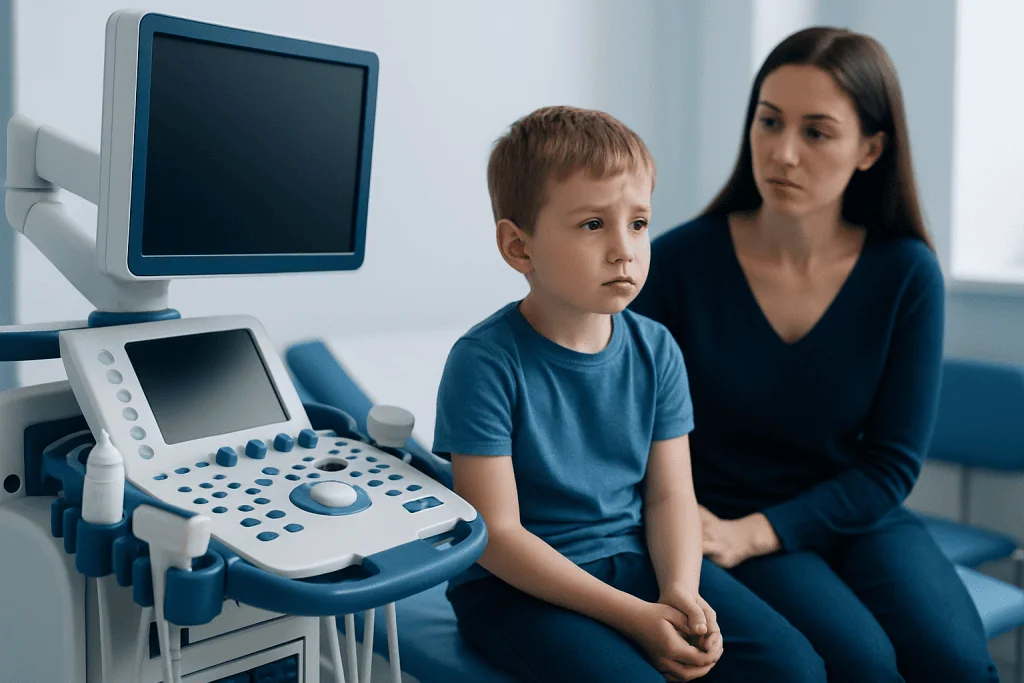
Fear of the unknown is one of the most common reasons children worry about medical visits. Younger children may not understand why they need an examination or a vaccine. Older children may worry about test results, pain, embarrassment, or hearing something unexpected.
Past experiences can also shape a child’s reaction. A previous painful injection, a long hospital stay, or seeing a sibling upset at the doctor may increase anxiety. Some children are especially sensitive to noise, bright lights, physical touch, or new environments, which can make appointments feel overwhelming.
Parents may notice signs such as clinginess, stomachaches, tearfulness, irritability, trouble sleeping, or refusal to go. These reactions are common and do not necessarily mean something is seriously wrong. They often reflect normal developmental fears and can improve with preparation and reassurance.
- Common worries include pain, shots, separation, and unfamiliar tools
- Children may fear losing control or being asked to do something uncomfortable
- Anxiety can be stronger in children with sensory sensitivities or chronic health needs
- Parental stress can sometimes increase a child’s distress
How Parents Can Prepare Before the Appointment

One of the best ways to prepare a child for a doctor visit is to talk about it in advance using simple, truthful language. For a routine check-up, a parent might say that the doctor will check how the child is growing, listen to the heart and lungs, and ask questions about sleep, eating, or school. If a shot or blood test is likely, it is usually better to mention it honestly rather than surprise the child.
Timing matters. Many children do well when told one or two days ahead, while older children may benefit from a bit more notice. Too much time can increase worry in some children, so a parent can keep the explanation brief and revisit questions later. It often helps to ask what the child thinks will happen and correct misunderstandings gently.
Practical preparation also matters. Parents can bring insurance or medical documents, a list of medicines, vaccination records, snacks, water, and a comfort item such as a toy, blanket, or book. Choosing comfortable clothing can make the examination easier. If the child has developmental needs, language needs, or strong fears, it may help to call the clinic in advance and discuss helpful adjustments.
Role-play can be useful, especially for younger children. A parent and child can pretend to examine a doll, count breaths, or listen to a toy’s heartbeat. This gives the child a sense of familiarity and control. Books and picture-based explanations can also help children understand what to expect in a gentle way.
What to Say to a Child of Different Ages
Infants and toddlers need comfort more than detailed explanations. They respond to a parent’s tone, touch, and routine. Keeping naps, meals, and familiar objects in mind can support them. A parent can use short phrases such as, “We are going to see the doctor. I will stay with you.”
Preschool children benefit from very simple, concrete language. They may think in literal ways, so it helps to avoid vague or misleading words. For example, saying “The doctor will look in your ears and listen to your chest” is often clearer than “It won’t be a big deal.” If there may be brief pain, a parent can say, “You may feel a quick pinch, and then it will be over.”
School-age children often want more detail and may ask practical questions. They can usually understand why the visit is happening and what steps may come next. Parents can invite them to help by carrying a small bag, making a list of questions, or choosing a comfort item. This can increase their sense of involvement.
Teenagers generally respond best when treated with respect and honesty. They may want privacy, direct communication, and a chance to speak for themselves. Parents can encourage them to ask questions about symptoms, treatment, or concerns such as sports, school, sleep, mood, or body changes.
How to Support a Child During the Visit
Children often take emotional cues from the adults around them. Speaking calmly, staying patient, and using a steady voice can help the child feel safer. It is fine to acknowledge feelings by saying, “I know this feels hard,” while also reinforcing coping skills such as slow breathing, holding still, or squeezing a parent’s hand.
Distraction can be very effective. Depending on the child’s age, this might include singing, counting, watching a video, blowing bubbles, storytelling, or talking about a favorite activity. Some children prefer to watch what is happening, while others feel better looking away. Asking the child what helps can be useful.
When possible, parents can offer limited choices that do not change the medical need but do increase control. For example, a child may choose which arm to use first, whether to sit on a parent’s lap, or which sticker to pick afterward. Small choices often make the experience feel less overwhelming.
Praise should focus on effort rather than perfection. A child does not need to stay completely calm to do well. Comments such as “You took deep breaths,” “You asked a good question,” or “You got through something difficult” help build confidence for future visits.
Common Mistakes to Avoid
Many parents naturally want to protect a child from distress, but some common habits can unintentionally increase fear. Promising that nothing will hurt, when a shot or test may sting, can reduce trust. It is usually better to be honest and reassuring at the same time.
Using the doctor as a threat can also create long-term anxiety. Statements like “If you do not behave, the doctor will give you a shot” may make children see healthcare as punishment rather than help. Similarly, apologizing repeatedly before anything has happened can signal that the experience is something to fear.
Another mistake is giving too much information at once or using language that is too complex. Children usually cope better with short explanations and clear answers to the questions they actually ask. It is also wise to avoid discussing frightening possibilities in front of the child unless it is appropriate for their age and understanding.
- Avoid false reassurance such as “nothing will happen” if a procedure is expected
- Avoid threats, shame, or criticism
- Avoid overwhelming the child with too many details
- Avoid dismissing emotions with phrases like “don’t be silly” or “there is nothing to cry about”
Special Situations and Extra Support
Some children need additional planning before an appointment. This may be true for children with autism, attention difficulties, sensory sensitivities, developmental differences, chronic illness, or previous traumatic medical experiences. In these situations, parents can contact the clinic beforehand to explain what helps the child feel safe.
Helpful adjustments may include a quieter waiting area, extra time, visual schedules, simple step-by-step explanations, or allowing the child to keep headphones or a comfort item. If the child has a complicated medical history, a written summary of diagnoses, allergies, medicines, and previous procedures can make the visit smoother and more focused.
For children with strong needle fear or severe anxiety, it may help to ask the healthcare team about pain-reducing strategies, numbing options, positioning techniques, or child-life support if available. If anxiety is persistent and affects routine care, a pediatrician or mental health professional can offer further guidance.
For families seeking coordinated pediatric care, Acibadem International’s multidisciplinary specialists in JCI-accredited hospitals diagnose and treat children with a wide range of health needs, including support around routine and complex medical visits.
After the Appointment and When to Seek More Help
What happens after the visit matters too. A short conversation can help the child process the experience and remember what went well. Parents can say, “You were worried, but you got through it,” or ask, “What helped you the most today?” This encourages coping skills for future appointments.
Keeping routines steady after the visit can be reassuring, especially for younger children. If the child had a difficult moment, parents can respond with empathy rather than disappointment. A small reward, such as extra playtime, a sticker, or choosing the next activity, can recognize effort without making healthcare feel like a bargain.
If a child remains extremely fearful despite preparation, refuses essential care, has panic-like reactions, or shows ongoing distress long after the visit, parents should speak with a pediatrician. Extra support may be needed if medical fear interferes with vaccinations, check-ups, or treatment for ongoing conditions. Professional guidance can help families build a safer, more manageable plan.
Frequently asked questions
When should parents tell a child about a doctor appointment?
It depends on the child’s age and temperament. Many younger children do well with a short explanation one or two days before the visit, while older children may prefer more notice. The goal is to give enough time to prepare without allowing worry to build for too long.
Should parents tell a child if a shot is planned?
Yes, it is usually best to be honest. A simple explanation, such as saying there may be a quick pinch, helps build trust and avoids the distress of surprise. Parents can pair honesty with reassurance and coping strategies.
What if a child cries or refuses to cooperate at the doctor?
Crying and resistance are common, especially in younger children. Parents can stay calm, validate feelings, and work with the healthcare team on comfort measures and simple choices. Most children do better over time when visits are handled consistently and supportively.
Can role-play really help before a doctor visit?
Yes, many children benefit from practicing with a toy doctor kit, doll, or stuffed animal. Role-play makes the experience more familiar and gives the child a chance to ask questions. It can be especially useful for preschool and school-age children.
How can parents help a child with severe fear of needles?
Parents can let the clinic know ahead of time and ask about comfort strategies, distraction, positioning, or pain-reducing options. Honest preparation, breathing techniques, and a calm adult presence are often helpful. If needle fear is severe and affects care, a pediatrician or mental health professional may suggest additional support.
What comfort items are helpful to bring to an appointment?
A favorite toy, blanket, pacifier, book, headphones, or small game can help a child feel more secure. Older children may prefer music, a stress ball, or a phone-based distraction if allowed. Familiar items can make an unfamiliar setting feel easier to manage.
References
- American Academy of Pediatrics
- Centers for Disease Control and Prevention
- National Health Service
- World Health Organization
This article is for general information only and is not a substitute for professional medical advice. Please consult a qualified doctor about your individual situation.
Explore treatments in Turkey — costs, top hospitals & a free quote
JCI-accredited · board-certified surgeons · reply within 24h
Add us as a Preferred Source to see more of our trusted health content across Google Search, AI Overviews and Discover.

Pediatrics
Complete healthcare for infants, children and adolescents across all sub-specialties.
232 specialists in this unit