Dry Socket After Tooth Extraction: How to Prevent It

Dry socket happens when the blood clot at the extraction site dissolves or becomes dislodged too soon. Pain from dry socket usually starts a few days after extraction and may spread to the ear, jaw, or temple.
Key Takeaways
- Dry socket happens when the blood clot at the extraction site dissolves or becomes dislodged too soon.
- Pain from dry socket usually starts a few days after extraction and may spread to the ear, jaw, or temple.
- Smoking, using straws, vigorous rinsing, and poor aftercare can increase the risk.
- Prevention focuses on protecting the blood clot, keeping the mouth clean, and avoiding pressure or suction.
- A dentist can treat dry socket and help relieve pain if symptoms develop.
Dry socket is a painful complication that can happen after a tooth extraction when the protective blood clot is lost too early. Most cases can be lowered with careful aftercare, good oral hygiene, and following the dentist’s instructions closely.
Overview: What Is Dry Socket?
Dry socket, also called alveolar osteitis, is a condition that can develop after a tooth is removed. After an extraction, the body normally forms a blood clot in the empty tooth socket. This clot protects the bone and nerves underneath while healing begins. If the clot does not form properly, dissolves too early, or becomes dislodged, the area is left exposed and can become very painful.
Dry socket is most often associated with tooth removal in the lower jaw, especially wisdom teeth, but it can happen after other extractions as well. It is not the same as a routine amount of soreness after dental treatment. Normal discomfort usually improves day by day, while dry socket pain often becomes worse after an initial period of feeling better.
Although dry socket can be distressing, it is treatable and usually does not cause long-term problems when managed promptly. Understanding how it happens and how to care for the mouth after an extraction can help reduce the risk and support smoother healing.
Symptoms of Dry Socket

The main symptom of dry socket is significant pain that begins within a few days after a tooth extraction, often between the second and fourth day. Instead of gradually settling, the pain may suddenly intensify. Some people describe it as throbbing, deep, or radiating through the jaw.
The discomfort can spread beyond the extraction site. Pain may travel to the ear, temple, eye, or neck on the same side of the face. Bad breath or an unpleasant taste in the mouth can also occur because the socket is exposed and healing is disrupted.
A person with dry socket may notice that the extraction site looks empty or that white bone is visible rather than a dark blood clot. Mild swelling can occur after any extraction, but marked swelling, pus, fever, or worsening facial redness may suggest infection rather than dry socket and should be checked by a dentist promptly.
- Pain that becomes worse a few days after extraction
- Pain spreading to the ear, temple, or jaw
- Bad taste or bad breath
- An empty-looking socket or visible bone
- Little improvement with standard pain relief measures
Causes and Risk Factors
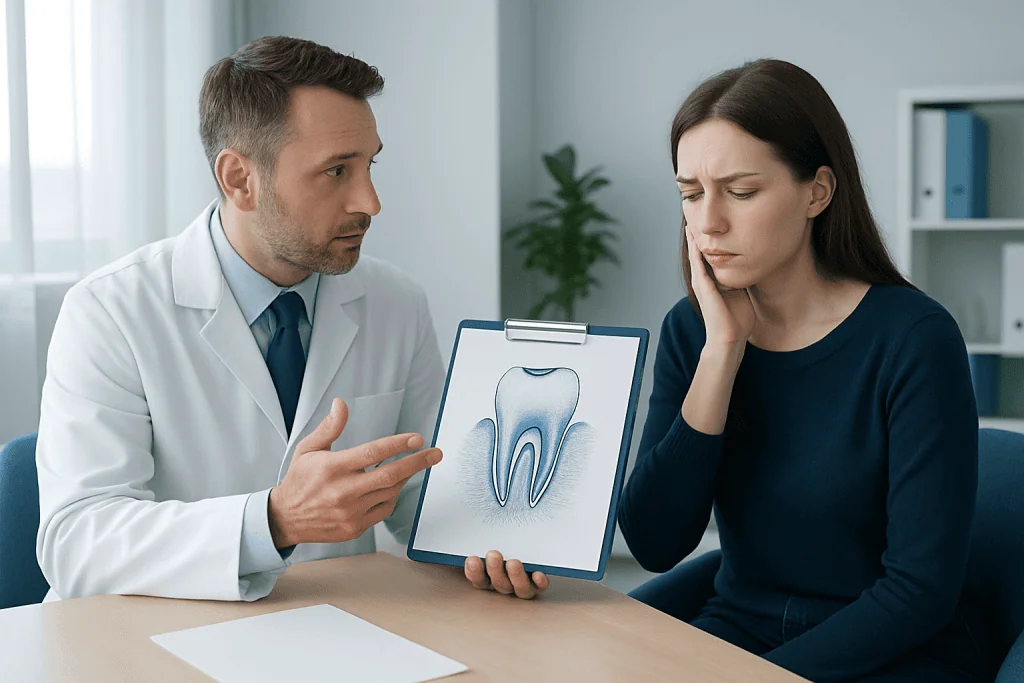
Dry socket develops when the normal blood clot at the extraction site is disturbed. This can happen because of physical pressure, suction, inflammation, or slower healing. The clot plays a central role in recovery, so anything that removes or breaks it down too early can interfere with healing.
Several factors can increase risk. Smoking is one of the best-known contributors because both the chemicals in tobacco and the sucking motion can affect clot formation. Drinking through a straw, forceful spitting, vigorous rinsing, or intense exercise too soon after the procedure may also disturb the socket.
Other possible risk factors include difficult extractions, poor oral hygiene, gum disease, previous dry socket, and hormonal influences such as oral contraceptive use in some patients. Wisdom tooth removal may carry a higher risk than simpler extractions. People being treated for related dental problems such as gum disease may need especially careful aftercare planning.
Dry socket is not always preventable, and it does not mean a patient did something wrong. Often, it results from a combination of local healing factors and procedure-related variables. Still, following aftercare instructions carefully can make a meaningful difference.
How to Prevent Dry Socket After Tooth Extraction
Prevention begins before leaving the dental clinic. The dentist may place gauze over the extraction site and ask the patient to bite gently to help a clot form. It is important to keep the gauze in place as instructed and avoid touching the area with fingers or the tongue. If a patient is planning dental implant treatment after extraction, careful healing of the socket is especially important.
During the first 24 hours, the goal is to protect the clot. Patients are usually advised not to rinse vigorously, spit forcefully, use a straw, smoke, vape, or drink alcohol. Hot foods and drinks may also be discouraged right away because they can irritate the site. Soft, cool, or lukewarm foods are often easier and safer during the early healing period.
Rest can help support recovery. Strenuous exercise or heavy lifting may increase bleeding and should be limited for the first day or two, depending on the dentist’s advice. Sleeping with the head slightly elevated may also help reduce oozing and swelling.
Oral hygiene remains important, but it should be gentle. Brushing other teeth normally can continue unless otherwise advised, while the extraction area should be avoided at first. Once the dentist recommends rinsing, saltwater or a prescribed rinse may be used carefully. Patients recovering after procedures such as wisdom tooth extraction should follow the specific instructions given for that surgery.
- Keep pressure on gauze as directed
- Avoid smoking, vaping, and tobacco products
- Do not use straws or make strong sucking motions
- Avoid vigorous rinsing or spitting in the first 24 hours
- Choose soft foods and chew away from the extraction site
- Clean the mouth gently and follow all aftercare advice
Diagnosis: How Dentists Identify Dry Socket
Dry socket is usually diagnosed based on symptoms and an oral examination. A dentist will ask when the extraction was done, how the pain has changed, and whether there are associated symptoms such as bad taste, swelling, or fever. The pattern of worsening pain a few days after extraction is a key clue.
During the examination, the dentist looks at the socket to see whether the blood clot is missing and whether bone may be exposed. The surrounding gum tissue is checked for signs of irritation, food debris, or infection. In some cases, imaging may be used if the dentist needs to rule out retained tooth fragments or other causes of persistent pain.
It is important not to self-diagnose every post-extraction pain as dry socket. Routine healing can be uncomfortable, and other conditions may also cause dental pain. A professional assessment helps guide proper treatment and ensures more serious problems are not missed.
Treatment Options and Pain Relief
Treatment for dry socket focuses on easing pain, cleaning the area, and supporting healing. A dentist may gently flush the socket to remove trapped food or debris. In some cases, a medicated dressing is placed inside the socket to help protect the area and reduce discomfort. This dressing may need to be changed over the following days depending on symptoms.
Over-the-counter or prescribed pain relief may be recommended based on the patient’s needs and medical history. Care at home often includes gentle rinsing, staying well hydrated, and continuing to avoid smoking or suction. Antibiotics are not routinely used for dry socket unless there are signs of infection.
The condition usually improves once appropriate treatment begins, though complete healing still takes time. People receiving broader restorative or surgical dental care, including oral and maxillofacial surgery, should let their care team know right away if pain becomes unexpectedly severe after an extraction.
Near the end of the care pathway, some international patients may choose evaluation at centers such as Acibadem International, where multidisciplinary dental and surgical specialists in JCI-accredited hospitals diagnose and treat extraction-related complications.
Self-Care During Recovery
Recovery after a tooth extraction is usually straightforward when aftercare instructions are followed. Patients should take medications only as directed, eat soft meals, and drink plenty of fluids. It is usually best to avoid crunchy, sharp, or sticky foods that might enter the socket or irritate the tissues.
Applying a cold pack to the outside of the face can help with swelling during the first day if recommended by the dentist. Good sleep and rest also support healing. As discomfort improves, a gradual return to normal activities is generally possible.
Keeping the rest of the mouth clean matters because bacteria and trapped food can delay healing. Gentle brushing and the careful rinsing plan provided by the dentist can lower irritation without disturbing the clot. If there are concerns about persistent sensitivity, bleeding, or delayed healing, patients should not wait too long to ask for advice.
When to See a Doctor or Dentist
Any severe pain after a tooth extraction that worsens instead of improving deserves prompt dental attention. Patients should contact their dentist if the pain starts a few days after the extraction, spreads through the jaw or ear, or is not controlled with routine pain measures. An unpleasant taste or visible empty socket are also reasons to arrange an assessment.
Urgent review is especially important if there is fever, significant swelling, pus, difficulty swallowing, or trouble opening the mouth. These features may point to infection or another complication that needs timely treatment. People with diabetes, weakened immunity, or other medical conditions should be especially cautious about delayed healing.
Early treatment can provide relief and help healing get back on track. Even when the symptoms seem mild, it is safer to confirm the cause with a qualified dental professional than to rely on home remedies alone.
Frequently asked questions
How long after a tooth extraction can dry socket happen?
Dry socket most often appears within a few days of the extraction, commonly between day two and day four. The pain usually becomes worse rather than better during this period. If discomfort sharply increases after initial improvement, a dentist should assess it.
What does dry socket feel like?
Dry socket usually causes deep, throbbing pain in the extraction area. The pain can spread to the ear, temple, or jaw on the same side. Many people also notice a bad taste or unpleasant breath.
Can dry socket heal on its own?
The socket will eventually heal, but untreated dry socket can remain very painful and uncomfortable. Dental treatment can help clean the area, protect it, and relieve symptoms. Getting checked early can make recovery easier.
Does every tooth extraction carry the same dry socket risk?
No. The risk can vary depending on the tooth, the difficulty of the extraction, and personal factors such as smoking or oral hygiene. Lower wisdom tooth extraction is often more strongly associated with dry socket than simpler removals.
Can smoking really cause dry socket?
Smoking is a major risk factor because it can interfere with normal clot formation and healing. The suction involved in inhaling can also dislodge the clot. Avoiding smoking and vaping after extraction is one of the most important preventive steps.
Should a person rinse the mouth after tooth extraction?
Rinsing may be helpful later, but vigorous rinsing too soon can disturb the clot. Most dentists recommend avoiding forceful rinsing during the first 24 hours. After that, gentle rinsing may be advised based on the individual treatment plan.
References
- American Dental Association
- National Health Service
- Mayo Clinic
- National Institute of Dental and Craniofacial Research
This article is for general information only and is not a substitute for professional medical advice. Please consult a qualified doctor about your individual situation.
Explore treatments in Turkey — costs, top hospitals & a free quote
JCI-accredited · board-certified surgeons · reply within 24h
Add us as a Preferred Source to see more of our trusted health content across Google Search, AI Overviews and Discover.