Ibogaine Treatment: What It Is, Risks, and Who It May Not Suit

Ibogaine is a psychoactive substance that is not widely approved as a routine medical treatment. Its use has been linked to potentially dangerous heart rhythm problems, mental health complications, and drug interactions.
Key Takeaways
- Ibogaine is a psychoactive substance that is not widely approved as a routine medical treatment.
- Its use has been linked to potentially dangerous heart rhythm problems, mental health complications, and drug interactions.
- Ibogaine may not suit people with heart disease, psychiatric conditions, liver problems, or those taking certain medications.
- Assessment by qualified addiction and mental health professionals is important before choosing any recovery plan.
- Evidence-based treatments for substance use disorders remain the safest and most established options for most patients.
Ibogaine treatment is sometimes discussed as a way to reduce withdrawal symptoms or cravings, but it carries important safety concerns and is not a standard medical treatment in many countries. People considering it should understand the possible benefits, serious risks, and safer evidence-based alternatives.
Overview: What ibogaine treatment is
Ibogaine treatment refers to the use of ibogaine, a naturally derived psychoactive compound, usually discussed in connection with addiction recovery. It comes from the root bark of the African shrub Tabernanthe iboga. In some settings, it has been promoted as a way to reduce withdrawal symptoms, cravings, or compulsive substance use, especially in people struggling with opioid dependence.
However, ibogaine treatment is not considered standard care in many healthcare systems. It is not widely approved as a routine medical therapy, and the scientific evidence supporting its safety and effectiveness remains limited. Reports describe possible short-term changes in craving or withdrawal, but outcomes vary greatly from person to person, and the treatment can involve serious medical risk.
Because ibogaine affects the brain, heart, and other body systems, it should not be viewed as a simple or low-risk detox method. Recovery from substance use disorders usually requires more than a single intervention. Long-term support, counseling, relapse prevention, and treatment of underlying mental health conditions are often essential parts of care.
Why some people consider ibogaine
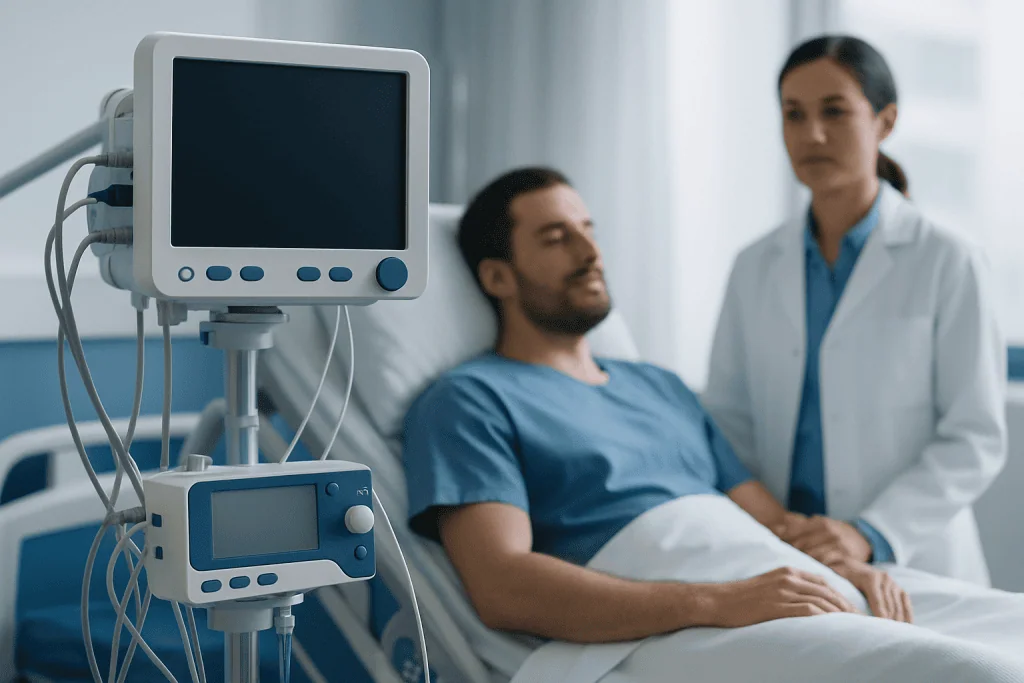
People usually look into ibogaine treatment when they have not found enough relief with conventional approaches, or when they fear the discomfort of withdrawal. Some are drawn to reports that ibogaine may produce an intense psychological experience that helps them reflect on trauma, behavior patterns, or substance dependence. Others hope it will reduce cravings quickly.
It is important to understand that personal stories are not the same as strong medical evidence. Even when people report temporary improvement, that does not mean the treatment is safe, effective for everyone, or suitable without close medical supervision. Substance use disorders are complex conditions that often involve physical dependence, emotional distress, social challenges, and coexisting medical issues.
For many patients, established treatments remain the safer and more predictable path. Depending on the substance involved, these may include medically supervised detox, counseling, behavioral therapies, support groups, and ongoing psychiatric care. In some cases, structured rehabilitation programs can provide a more comprehensive recovery plan than a single high-intensity intervention.
Risks and side effects of ibogaine treatment

The main concern with ibogaine treatment is safety. Ibogaine can affect electrical activity in the heart and has been associated with dangerous abnormal heart rhythms. These rhythm changes can lead to fainting, cardiac arrest, or death in vulnerable individuals. This risk may be higher in people with an existing heart condition, electrolyte imbalance, dehydration, or use of other drugs that also affect heart rhythm.
Neurological and psychiatric effects are also possible. During or after treatment, a person may experience confusion, anxiety, panic, hallucinations, poor coordination, insomnia, or mood instability. In some people, ibogaine may worsen underlying psychiatric illness, especially psychosis, bipolar disorder, or severe depression. It may also increase distress in those with unresolved trauma.
Other side effects can include nausea, vomiting, tremor, sensitivity to light, changes in blood pressure, and problems related to poor nutrition or dehydration. Because ibogaine is metabolized by the liver and may interact with many medications or substances, the risk can become even greater when it is used outside a proper medical framework.
- Heart rhythm abnormalities
- Fainting or low blood pressure
- Hallucinations and intense psychological reactions
- Drug interactions with antidepressants, stimulants, opioids, and other medicines
- Complications related to liver disease or poor general health
Who ibogaine may not suit
Ibogaine treatment may not be suitable for many people, particularly those with known cardiovascular disease. Anyone with a history of arrhythmia, heart failure, unexplained fainting, a prolonged QT interval, or a family history of sudden cardiac death may face increased danger. Even people without a known diagnosis can have hidden heart risk, which is one reason proper screening is so important.
It may also be inappropriate for people with certain mental health conditions. A history of psychosis, schizophrenia, mania, severe anxiety, suicidal thoughts, or unstable mood can make the psychological effects of ibogaine especially risky. People with cognitive difficulties or poor social support may also find it harder to cope with the experience and recovery period.
Other groups who may not be good candidates include those with liver disease, seizure disorders, pregnancy, serious medical illness, or active use of multiple substances. People taking medicines that affect serotonin, heart rhythm, or liver metabolism may also be at higher risk of complications. In these situations, evaluation by specialists in depression, addiction medicine, cardiology, or psychiatry may be more appropriate before any treatment decision is made.
How safety assessment and diagnosis should be approached
Before considering any intensive addiction-related intervention, a person should have a full medical and psychiatric assessment. This usually includes a detailed substance use history, review of withdrawal symptoms, current medications, prior overdoses, coexisting mental health conditions, and social factors such as housing, safety, and family support. The goal is to understand the whole clinical picture, not only the addiction itself.
Safety screening should also address the heart and other organs. Depending on the case, doctors may recommend an electrocardiogram, blood tests, liver function tests, and evaluation for dehydration or electrolyte problems. Screening for depression, trauma, anxiety, and suicide risk can also be important, especially if someone is considering a psychoactive treatment that may cause intense emotional effects.
In many patients, assessment leads to a treatment plan that does not involve ibogaine at all. Instead, clinicians may recommend evidence-based detox support, medication-assisted treatment where appropriate, psychotherapy, or care for related conditions such as anxiety. A careful diagnosis often helps patients choose a safer and more sustainable path to recovery.
Evidence-based treatment options and aftercare
Although interest in ibogaine continues, the most established care for substance use disorders relies on evidence-based approaches. These may include supervised withdrawal management, one-to-one counseling, cognitive behavioral therapy, relapse prevention planning, family support, and treatment for coexisting psychiatric or physical health conditions. For opioid or alcohol dependence, medication-based strategies may be recommended by a qualified doctor when appropriate.
Aftercare is especially important. Even if withdrawal symptoms improve, recovery usually continues long after detox. Cravings, stress, trauma, sleep problems, and mood symptoms may return if support is not ongoing. Follow-up appointments, support groups, psychological therapy, and lifestyle changes can help reduce the risk of relapse and support long-term stability.
In some cases, people benefit from structured psychiatric care or a coordinated plan that includes psychological support. Near the end of the recovery pathway, some international patients seek multidisciplinary assessment at centers such as Acibadem International, where JCI-accredited hospitals and specialists evaluate complex addiction-related and mental health needs in a broader medical context.
Prevention, self-care, and when to seek medical help
People considering ibogaine treatment should avoid self-experimentation or unregulated settings. Because the risks can be severe, it is safest to speak with a qualified doctor first, especially if there is any personal or family history of heart disease, fainting, mental illness, seizures, or liver problems. It is also important not to stop prescribed medicines suddenly without professional guidance.
Supportive self-care can still play a valuable role in recovery. Useful steps may include building a trusted support network, creating a relapse prevention plan, improving sleep habits, staying hydrated, eating regularly, and attending therapy or peer support meetings. These steps may not feel dramatic, but they often make recovery safer and more sustainable.
Urgent medical help is needed if a person develops chest pain, palpitations, fainting, severe agitation, hallucinations, suicidal thoughts, difficulty breathing, or a seizure. Professional care is also important if substance use is continuing despite harm, or if withdrawal symptoms are becoming difficult to manage. Early treatment can reduce complications and open the way to safer recovery options.
Frequently asked questions
What is ibogaine treatment used for?
Ibogaine treatment is most commonly discussed in relation to substance use disorders, particularly to reduce withdrawal symptoms or cravings. It is not a standard, widely approved medical treatment, and its use remains controversial.
Is ibogaine treatment safe?
Ibogaine treatment can carry serious risks, especially for the heart and mental health. Because it may cause dangerous heart rhythm changes and intense psychological effects, it should never be viewed as risk-free.
Who should avoid ibogaine?
People with heart disease, abnormal heart rhythm, liver disease, seizure disorders, pregnancy, or significant psychiatric illness may be at higher risk. It may also be unsuitable for people taking medications that interact with it.
Does ibogaine cure addiction?
No treatment can guarantee a cure for addiction, and ibogaine is not considered a proven cure. Recovery usually requires ongoing care, psychological support, and a long-term treatment plan.
Are there safer alternatives to ibogaine treatment?
Yes. Evidence-based options include medically supervised detox, counseling, behavioral therapies, support groups, and, for some conditions, medication-assisted treatment under a doctor's care.
Should someone speak to a doctor before considering ibogaine?
Yes, medical advice is essential before considering ibogaine treatment. A doctor can assess heart health, mental health, medication interactions, and safer recovery options based on the person's needs.
References
- World Health Organization
- National Institute on Drug Abuse
- Substance Abuse and Mental Health Services Administration
- U.S. Food and Drug Administration
- American Psychiatric Association
This article is for general information only and is not a substitute for professional medical advice. Please consult a qualified doctor about your individual situation.
Explore treatments in Turkey — costs, top hospitals & a free quote
JCI-accredited · board-certified surgeons · reply within 24h
Add us as a Preferred Source to see more of our trusted health content across Google Search, AI Overviews and Discover.
Check your numbers in seconds
BMI, calories, due date, blood pressure and 30+ more clinical calculators — free, instant, doctor-reviewed ranges.

More from the Health Library



Related Specialists

Dr. Jülide Çeldir Emre
Pulmonology
Prof. Dr. Fatih Dikici
Orthopedic Surgery & Traumatology
Dt. Ece Yetiş Eroğlu
Oral & Dental Health
Assoc. Prof. Dr. Murat İçen
Check Up & Wellness Center