Pulmonary Rehabilitation: Who It Helps and What to Expect
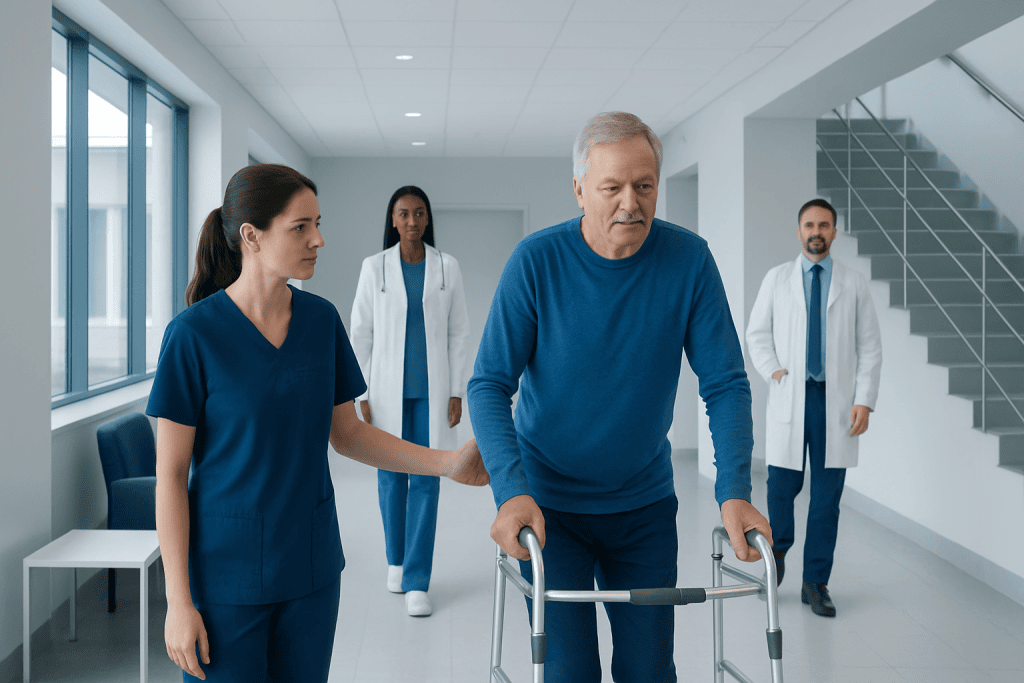
Pulmonary rehabilitation is designed for people with ongoing breathing problems, especially chronic lung disease. Programs usually include supervised exercise, breathing techniques, education, and emotional support.
Key Takeaways
- Pulmonary rehabilitation is designed for people with ongoing breathing problems, especially chronic lung disease.
- Programs usually include supervised exercise, breathing techniques, education, and emotional support.
- It does not cure lung disease, but it can improve symptoms, activity levels, and quality of life.
- Many people benefit after flare-ups, hospital stays, surgery, or when symptoms limit normal activities.
- A personalized assessment helps the care team create a safe plan based on fitness, symptoms, and medical history.
Pulmonary rehabilitation is a structured program that helps people with chronic lung conditions improve breathing, stamina, and confidence in daily life. It combines exercise, education, and practical self-management strategies tailored to each person's needs.
Overview
Pulmonary rehabilitation is a medically supervised program for people who have ongoing breathing difficulties due to lung or heart-lung conditions. Its goal is to help patients function better in daily life by improving physical conditioning, teaching energy-saving strategies, and strengthening confidence in managing symptoms. The program is usually delivered by a team that may include chest physicians, rehabilitation doctors, physiotherapists, nurses, respiratory therapists, dietitians, and psychologists.
Rather than focusing on a single treatment, pulmonary rehabilitation combines several approaches into one personalized plan. These often include exercise training, breathing retraining, education about medicines and inhaler use, nutritional guidance, and support for anxiety or low mood related to breathlessness. The plan is adjusted to the patient’s age, diagnosis, symptom severity, and general fitness.
Pulmonary rehabilitation does not reverse permanent lung damage, but it can make a meaningful difference in how a person feels and functions. Many patients notice they can walk farther, recover more quickly after activity, and handle routine tasks with less shortness of breath. It is often recommended as part of long-term care for people living with COPD, chronic respiratory symptoms, or reduced exercise tolerance after illness.
Who It Helps
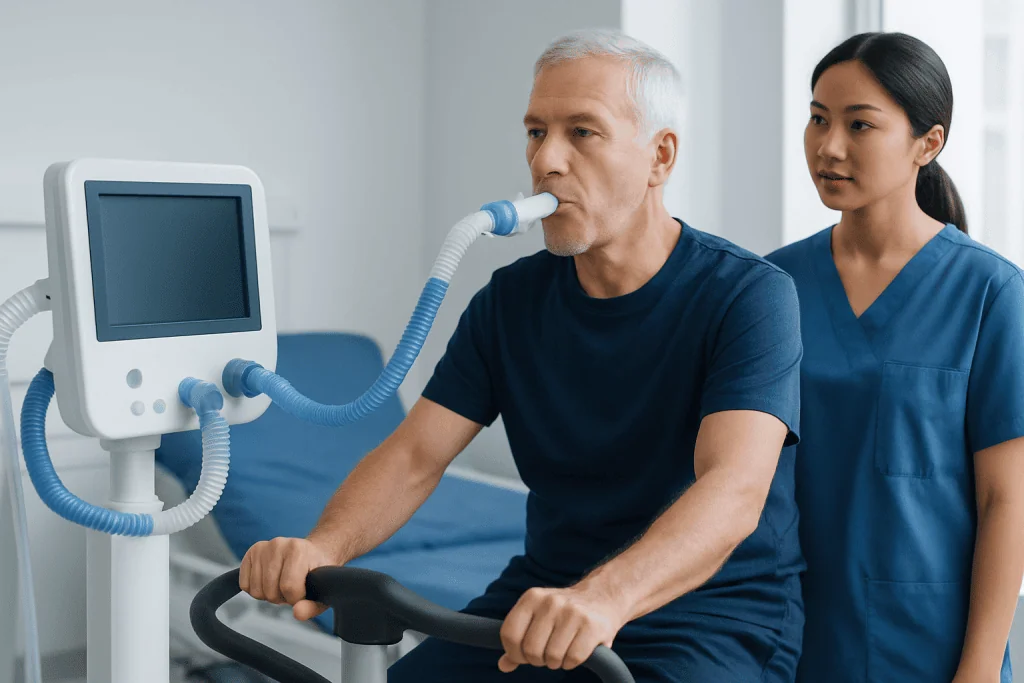
Pulmonary rehabilitation can help a wide range of people with chronic lung disease or persistent breathing problems. It is commonly used for patients with COPD, asthma that remains difficult to control, bronchiectasis, interstitial lung disease, <a href="https://acibademinternational.com/diseases/pulmonary-hypertension/”>pulmonary hypertension, and breathing limitation after some surgeries or serious chest infections. It may also support recovery in people whose physical activity has dropped because of repeated flare-ups or hospital admissions.
Patients do not need to have very advanced disease to benefit. In fact, many people gain the most when rehabilitation starts before severe deconditioning develops. A doctor may suggest it when symptoms such as breathlessness, fatigue, or reduced stamina begin to interfere with work, self-care, walking, climbing stairs, or social activities.
It can also be useful before and after selected procedures, helping the body prepare for treatment and recover afterward. For example, people being evaluated for lung transplantation or recovering after chest procedures may be advised to follow a specialized rehabilitation plan. In selected cases, clinicians may also consider it as part of care for patients undergoing lung cancer treatment when breathing capacity and overall conditioning need support.
What the Program Usually Includes

Although each center organizes care differently, most pulmonary rehabilitation programs follow a similar structure. The first step is an assessment to understand symptoms, diagnosis, medical history, medication use, oxygen needs, physical limitations, and personal goals. This allows the team to design a program that is both safe and realistic.
Exercise training is usually the core of rehabilitation. Sessions may include walking, stationary cycling, treadmill work, light strength training, and flexibility exercises. The intensity is adjusted carefully, and staff monitor symptoms, pulse, oxygen levels, and overall tolerance. Over time, the body often becomes more efficient, helping patients do more with less breathlessness.
Education is another key part. Patients learn how the lungs work, how chronic lung disease affects activity, how and when to use inhalers, and how to respond to worsening symptoms. Breathing techniques such as pursed-lip breathing, paced breathing during activity, and controlled coughing may also be taught. Depending on need, the program may include advice on sleep, nutrition, emotional health, smoking cessation, and conserving energy during household tasks.
- Supervised aerobic and strength exercises
- Breathing retraining and airway clearance techniques
- Education on medicines, inhalers, and oxygen therapy
- Advice on nutrition, sleep, and emotional well-being
- Planning for flare-ups and long-term self-management
Symptoms and Signs That Suggest a Need for Pulmonary Rehabilitation
Pulmonary rehabilitation is not based on one symptom alone. It is usually recommended when breathing problems begin to limit everyday life or when a person struggles to regain strength after illness. Many patients are referred because they feel trapped in a cycle: activity causes breathlessness, so they move less, which leads to muscle weakness and even more breathlessness.
Common signs that rehabilitation may be helpful include getting short of breath during simple tasks, tiring easily, avoiding walking or stairs, needing longer to recover after effort, or losing confidence about leaving the house. Some people also experience repeated flare-ups, frequent emergency visits, or persistent cough with mucus production that makes exercise and daily functioning difficult.
Breathlessness can also affect mood, sleep, and social life. Anxiety about symptoms may lead some patients to become less active than they safely could be. A rehabilitation program can help break this pattern by teaching safe, gradual activity and practical coping techniques. It may also be considered for certain patients being assessed for advanced respiratory support such as extracorporeal membrane oxygenation (ECMO) recovery pathways, although this is reserved for specialized situations.
Assessment and Diagnosis Before Starting
Before pulmonary rehabilitation begins, the care team carries out an assessment to make sure the program matches the patient’s condition and ability level. This is not a single test but a combination of clinical review and functional measurement. The doctor will confirm the underlying diagnosis, review current symptoms, discuss previous exacerbations, and look at any related heart, muscle, or metabolic conditions that could affect exercise safety.
Tests may include lung function studies, oxygen saturation checks at rest and during activity, walking tests, and simple measures of strength and endurance. Some patients may also need chest imaging, blood tests, or cardiology review if there are concerns about other causes of breathlessness. The assessment helps identify whether the main issues are reduced lung capacity, muscle deconditioning, poor inhaler technique, low oxygen levels, or another contributing factor such as pulmonary embolism in an appropriate clinical setting.
The team also asks about emotional well-being, nutrition, sleep quality, and practical barriers to participation. This matters because successful rehabilitation depends on more than physical training alone. Understanding the patient’s goals—such as walking outdoors again, managing stairs, or returning to work—helps shape a plan that feels relevant and achievable.
Benefits, Risks, and Treatment Expectations
For many patients, the main benefits of pulmonary rehabilitation are less breathlessness during activity, improved endurance, stronger muscles, and better confidence in self-care. People often learn how to pace themselves more effectively and use breathing strategies that reduce panic when symptoms rise. Education can also improve inhaler use and help patients recognize early signs of a flare-up, which may support more timely medical care.
The program is generally safe when it is prescribed appropriately and supervised by trained professionals. Still, it is not a one-size-fits-all intervention. Some people may need slower progression, oxygen support during exercise, or closer monitoring because of heart disease, severe weakness, recent surgery, or advanced lung impairment. The team will adjust exercises if symptoms become too intense or if there are concerns about safety.
Patients should know that pulmonary rehabilitation is not an instant fix. Improvement usually develops gradually over several weeks. Results also depend on regular attendance and continuing physical activity after the formal program ends. Near the end of treatment, many centers help patients build a home plan so that gains in fitness and symptom control are easier to maintain over time.
Self-care, Prevention, and When to See a Doctor
Daily habits can support the benefits of pulmonary rehabilitation. Taking medicines as prescribed, using inhalers correctly, staying as active as possible, and following an individualized exercise routine can all help maintain progress. Quitting smoking is especially important, as ongoing smoking can worsen symptoms and reduce the effectiveness of treatment. Vaccinations recommended by a doctor may also help lower the risk of respiratory infections that can trigger setbacks.
Good self-care also includes eating well, staying hydrated when appropriate, sleeping adequately, and learning how to pace activities throughout the day. Some people benefit from planning rest breaks, sitting for tasks such as dressing, and organizing the home to avoid unnecessary effort. If oxygen has been prescribed, it should be used exactly as advised by the care team.
A doctor should be contacted if breathlessness suddenly worsens, chest pain develops, lips or fingers look bluish, fever or worsening cough appears, or usual medicines stop working as expected. Urgent evaluation is important for severe shortness of breath, confusion, fainting, or low oxygen readings if home monitoring has been recommended. For international patients, Acibadem International’s multidisciplinary specialists at JCI-accredited hospitals diagnose and treat respiratory conditions and can guide suitable rehabilitation planning when needed.
Frequently asked questions
What is pulmonary rehabilitation?
Pulmonary rehabilitation is a structured program for people with chronic breathing problems. It usually combines supervised exercise, breathing techniques, education, and practical advice to help patients manage symptoms and stay active.
Who should consider pulmonary rehabilitation?
It is often recommended for people with chronic lung diseases such as COPD, bronchiectasis, interstitial lung disease, or difficult-to-manage asthma. A doctor may also suggest it after a hospital stay, after some surgeries, or when breathlessness starts limiting daily life.
Does pulmonary rehabilitation cure lung disease?
No, pulmonary rehabilitation does not cure the underlying lung condition. Its purpose is to improve function, reduce symptom burden, and help patients live more comfortably and confidently.
What happens during a pulmonary rehabilitation session?
A typical session may include walking or cycling, light strength exercises, breathing retraining, and monitoring of symptoms and oxygen levels. Many programs also include education about medicines, inhalers, nutrition, and how to respond to worsening symptoms.
How long does pulmonary rehabilitation last?
The length varies by patient and center, but many programs run over several weeks with regular sessions each week. The care team usually encourages patients to continue an exercise and self-management plan at home after the formal program ends.
Is pulmonary rehabilitation safe for older adults?
Yes, it is often safe and helpful for older adults when the program is tailored to their health status and supervised properly. Exercises are adjusted to match each person's fitness, symptoms, and any other medical conditions.
References
- World Health Organization
- American Thoracic Society
- European Respiratory Society
- National Heart, Lung, and Blood Institute
- Global Initiative for Chronic Obstructive Lung Disease
This article is for general information only and is not a substitute for professional medical advice. Please consult a qualified doctor about your individual situation.
Explore treatments in Turkey — costs, top hospitals & a free quote
JCI-accredited · board-certified surgeons · reply within 24h
Add us as a Preferred Source to see more of our trusted health content across Google Search, AI Overviews and Discover.