How to Choose a Dermatology Clinic for Skin Care Treatment

A good dermatology clinic starts with an accurate skin assessment, not a one-size-fits-all treatment plan. Board-certified or appropriately licensed dermatologists and trained staff are important signs of quality care.
Key Takeaways
- A good dermatology clinic starts with an accurate skin assessment, not a one-size-fits-all treatment plan.
- Board-certified or appropriately licensed dermatologists and trained staff are important signs of quality care.
- Patients should ask about benefits, risks, expected results, recovery, and follow-up before starting treatment.
- Safe clinics explain which treatments are medically appropriate for the person’s skin type and condition.
- Reviews and photos can be helpful, but medical expertise, hygiene, and transparency matter more than marketing.
Choosing a dermatology clinic for skin care treatment involves more than convenience or price. The best choice is usually a clinic with qualified dermatologists, careful diagnosis, evidence-based treatments, and clear follow-up care tailored to the person’s skin type and concerns.
Overview: What to Look for in a Dermatology Clinic
A dermatology clinic for skin care treatment should help patients understand both the health and appearance of their skin. Dermatology covers a wide range of concerns, from acne, eczema, pigmentation, and hair loss to mole checks, rashes, and cosmetic skin rejuvenation. Because skin concerns can have many causes, a careful medical approach is often just as important as access to advanced treatments.
When choosing a clinic, patients often focus first on location, cost, or social media results. These factors can matter, but they should not be the main reasons for a decision. A trustworthy clinic usually emphasizes diagnosis, safety, realistic expectations, and treatments that suit the person’s skin type, age, medical history, and goals.
It can also help to think about the clinic’s scope of care. Some people need ongoing support for chronic conditions such as acne or eczema, while others want guidance on scar treatment, sun damage, or preventive skin checks. A clinic that can manage both medical and cosmetic aspects of skin health may offer more consistent care over time.
Why Qualifications and Experience Matter
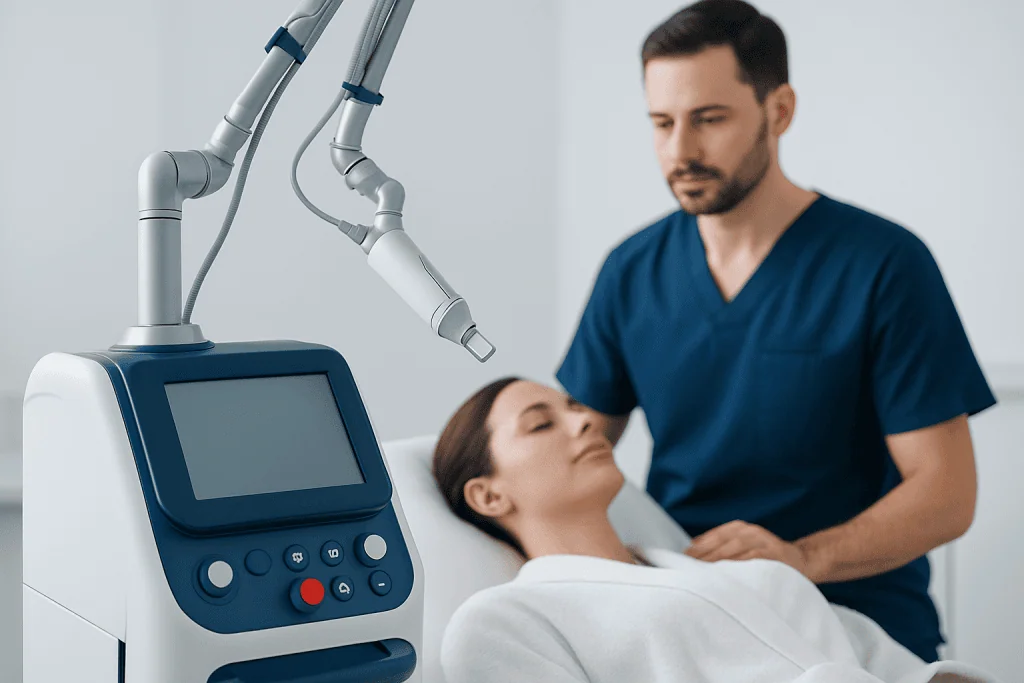
One of the most important factors is who will actually evaluate and treat the patient. A dermatologist is a physician trained in diagnosing and treating diseases of the skin, hair, and nails. In many cases, treatment outcomes and safety depend heavily on the clinician’s ability to identify the correct condition before recommending creams, procedures, or long-term skin care plans.
Patients should feel comfortable asking about qualifications, licensing, and experience with the specific concern they have. For example, managing acne scars, pigment changes, rosacea, suspicious moles, or chronic rashes may require different expertise. A clinic that regularly treats common skin concerns such as acne or eczema may be better prepared to tailor treatment rather than rely on generic advice.
It is also useful to ask whether the clinic has a multidisciplinary approach when needed. Some skin problems overlap with allergy, endocrinology, rheumatology, or oncology. A well-organized clinic knows when to investigate further, refer to another specialist, or coordinate care to make sure a skin symptom is not being overlooked.
Signs of a High-Quality Skin Assessment
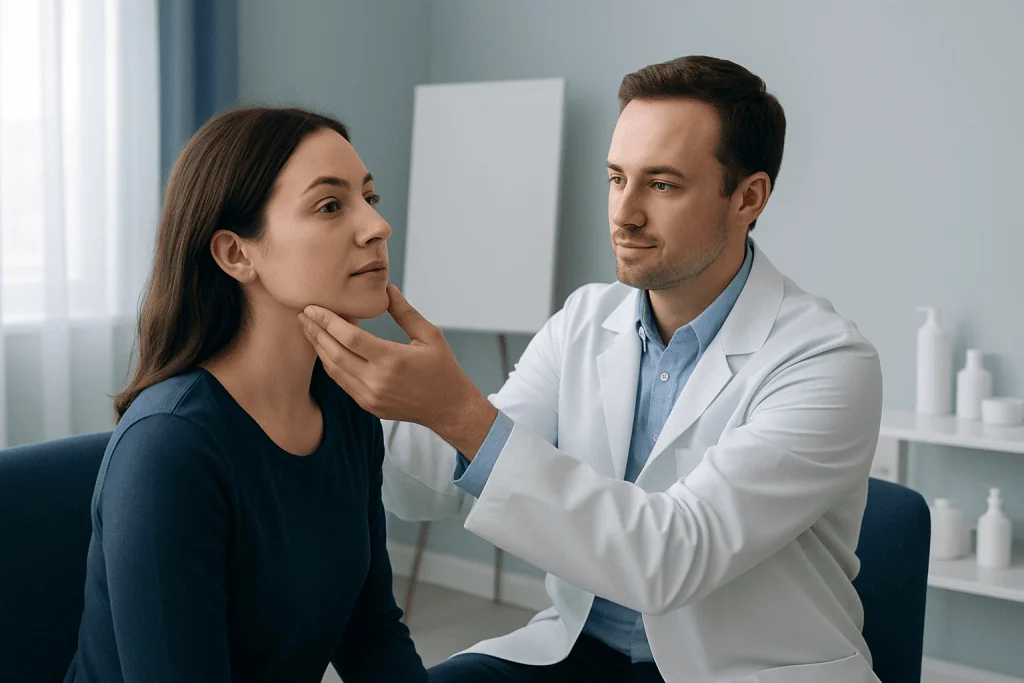
A strong first consultation usually includes more than a quick visual check. The clinician should ask about symptoms, how long the problem has been present, products already used, allergies, medications, sun exposure, previous procedures, and any family history of skin disease. This type of assessment helps reduce the risk of choosing the wrong treatment or worsening skin irritation.
The examination should also consider the person’s skin tone and sensitivity. Some treatments that work well for one patient may increase the risk of pigmentation changes, dryness, or scarring in another. This is especially relevant for procedures such as chemical peels, energy-based treatments, or laser-based care like laser skin resurfacing.
A clinic focused on quality will usually explain whether the concern is medical, cosmetic, or both. For example, dark spots could be related to acne marks, sun damage, hormones, inflammation, or another condition. Accurate diagnosis guides whether the person may benefit from topical therapy, lifestyle changes, procedural care, or further testing.
- Detailed medical history and skin examination
- Review of current skin care products and past treatments
- Assessment of skin type, tone, and sensitivity
- Clear explanation of diagnosis and treatment goals
Questions to Ask About Treatments and Technology
Many dermatology clinics offer a wide menu of treatments, but more options do not always mean better care. Patients should ask why a specific treatment is being recommended, what alternatives exist, and whether the expected benefits are supported by experience and evidence. A careful answer is often a sign that the clinic is putting safety before sales.
For cosmetic or procedural care, it is reasonable to ask who performs the procedure, what training they have, what side effects are possible, and how long recovery may take. Treatments such as chemical peels or Botox may be suitable for some goals, but they still require proper patient selection, sterile technique, and good aftercare instructions.
It is also wise to ask about equipment maintenance and infection control. Reputable clinics should follow hygiene standards, use appropriate protective measures, and explain aftercare clearly. If a treatment is described as suitable for everyone, guaranteed to work, or completely risk-free, that is a reason to ask more questions and proceed carefully.
How to Evaluate Communication, Transparency, and Patient Experience
A good clinic should make patients feel informed rather than pressured. During the visit, the clinician should explain the diagnosis in understandable language, discuss realistic results, and outline how long improvement may take. Skin treatment often works best in stages, especially for acne, pigmentation, scarring, and chronic inflammatory conditions.
Transparency also includes discussing side effects, limitations, and total treatment planning. Some concerns improve with one procedure, while others need several sessions or ongoing prescription care. A reliable clinic will usually explain this upfront instead of promising immediate transformation.
Reviews, before-and-after photos, and recommendations from friends can be useful, but they should be interpreted carefully. Photos may not reflect long-term outcomes, and online comments may focus more on comfort or appearance than on medical accuracy. The most helpful signs are often clear communication, professional behavior, organized follow-up, and a willingness to answer questions.
Safety, Hygiene, and Follow-Up Care
Skin treatments are safest when the clinic has strong hygiene and follow-up processes. Clean treatment rooms, proper consent procedures, patch testing when appropriate, and written aftercare instructions all suggest a careful standard of care. This matters for both medical treatments and cosmetic procedures.
Follow-up is especially important when a patient starts prescription medication, undergoes a procedure, or has a skin lesion that needs monitoring. Good follow-up allows the dermatologist to check progress, adjust treatment, and respond early if irritation or complications occur. Patients should know how to contact the clinic if they have unexpected redness, swelling, pain, or signs of infection after treatment.
For people with complex needs, a larger center can sometimes be helpful. Acibadem International’s multidisciplinary specialists in JCI-accredited hospitals diagnose and treat skin conditions and provide coordinated care for international patients when dermatology support is needed.
Cost, Convenience, and Practical Decision-Making
Cost is a practical part of choosing a dermatology clinic, but the least expensive option is not always the safest or most effective. Patients should ask what is included in the consultation fee, whether treatment plans may require repeat visits, and what products or procedures are optional versus necessary. Clear pricing helps avoid confusion and supports better decision-making.
Convenience matters too. A clinic with reasonable appointment availability, accessible communication, and straightforward follow-up can make it easier for patients to stay consistent with care. This is particularly important for treatments that need monitoring over time, such as acne therapy, pigmentation management, or procedures spaced over several weeks.
In the end, the best choice is often a clinic that balances medical expertise, patient-centered communication, safety standards, and realistic treatment planning. Patients do not need to rush. Taking time to compare clinics, prepare questions, and understand options can lead to more confident and satisfactory skin care decisions.
When to Seek Prompt Dermatology Care
While many skin concerns can be addressed through a planned appointment, some situations deserve prompt medical attention. A rapidly changing mole, a rash with fever, severe swelling, widespread blistering, or a skin reaction after a new medication should be assessed by a qualified doctor without delay. Painful or infected skin lesions also need timely care.
People should also seek dermatology advice if a skin problem does not improve with basic measures, keeps returning, or is affecting sleep, confidence, or daily life. Early assessment may prevent worsening and can help identify whether the issue is related to allergy, infection, inflammation, sun damage, or another medical condition.
If a clinic seems to minimize symptoms, avoid answering questions, or push treatment without a clear diagnosis, it may be reasonable to seek a second opinion. Reassuring, evidence-based dermatology care should help patients feel informed, respected, and safe throughout the process.
Frequently asked questions
How does a person know if a dermatology clinic is reputable?
A reputable clinic usually has qualified dermatologists, clear hygiene standards, and a careful consultation process. It should explain the diagnosis, treatment choices, possible risks, and follow-up plan in a way that is easy to understand.
Is it better to choose a clinic that offers many cosmetic treatments?
Not necessarily. A wide treatment menu can be helpful, but what matters more is whether the clinic recommends the right option for the individual’s skin needs and medical history. A thoughtful, selective approach is often safer than offering every treatment to every patient.
What questions should be asked at the first dermatology appointment?
Helpful questions include what the diagnosis is, what treatment options are available, how long results may take, what side effects are possible, and whether follow-up visits are needed. It is also reasonable to ask who will perform any procedure and what experience they have.
Are online reviews enough to choose a skin clinic?
Online reviews can provide useful impressions about scheduling, staff attitude, and patient satisfaction, but they do not replace medical qualifications. It is best to combine reviews with information about the dermatologist’s credentials, the clinic’s safety standards, and the quality of communication during the consultation.
Should a person see a dermatologist for acne or only for serious skin problems?
A dermatologist can help with common concerns such as acne, pigmentation, eczema, hair loss, and sensitive skin, not only severe disease. Early care can sometimes prevent scarring, reduce symptoms, and help patients avoid ineffective or irritating treatments.
Why is follow-up important after skin treatment?
Follow-up allows the dermatologist to check healing, monitor results, and adjust treatment if the skin becomes irritated or does not respond as expected. It is an important part of safe care, especially after procedures or when prescription treatment is used.
References
- American Academy of Dermatology
- National Health Service
- Mayo Clinic
- British Association of Dermatologists
This article is for general information only and is not a substitute for professional medical advice. Please consult a qualified doctor about your individual situation.
Hair transplant in Turkey — costs, graft counts & a free assessment
JCI-accredited · board-certified surgeons · reply within 24h
Add us as a Preferred Source to see more of our trusted health content across Google Search, AI Overviews and Discover.