

What to Expect During a High-Tech Medical Procedure
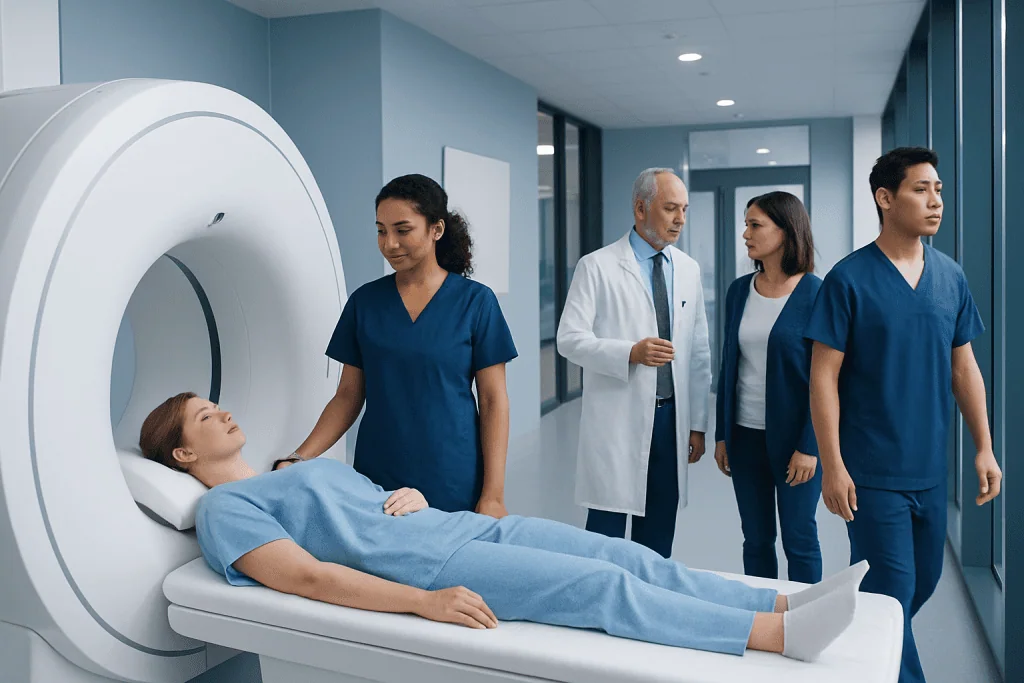
High-tech procedures often use imaging, navigation systems, robotics, or specialized devices to improve accuracy. Preparation may include blood tests, scans, medication review, and fasting instructions depending on the procedure.
Key Takeaways
- High-tech procedures often use imaging, navigation systems, robotics, or specialized devices to improve accuracy.
- Preparation may include blood tests, scans, medication review, and fasting instructions depending on the procedure.
- Many advanced procedures are minimally invasive, which may support shorter recovery and less discomfort for some patients.
- Patients are closely monitored before, during, and after treatment for safety and comfort.
- Questions about risks, benefits, alternatives, and recovery are an important part of informed decision-making.
A high-tech medical procedure often uses advanced imaging, computer guidance, robotics, or minimally invasive tools to improve precision and support recovery. Knowing the usual steps before, during, and after treatment can help patients feel more prepared and confident.
Overview: What a High-Tech Medical Procedure Means
A high-tech medical procedure is a treatment or diagnostic intervention that uses advanced tools such as real-time imaging, computer-assisted planning, robotic systems, navigation technology, or highly specialized minimally invasive instruments. These technologies are designed to help clinical teams work with greater precision and to tailor care to each patient’s needs.
Not every high-tech procedure looks the same. Some take place in an operating room, while others are done in an interventional suite, imaging department, or outpatient clinic. Examples include robot-assisted surgery, image-guided biopsies, catheter-based heart procedures, advanced endoscopy, and targeted treatments that rely on detailed scans.
For patients, the experience usually follows a familiar pattern: evaluation, preparation, the procedure itself, observation afterward, and a recovery plan. Even when the equipment is sophisticated, the main goals remain the same: safety, accurate treatment, symptom relief, and a clear understanding of what happens next.
Before the Procedure: Evaluation and Preparation

Before a high-tech medical procedure, the care team usually reviews the patient’s medical history, current symptoms, medications, allergies, and previous surgeries. A physical examination and tests may be needed to confirm the diagnosis and decide whether the procedure is appropriate. Depending on the treatment, this may include blood work, heart testing, or advanced scans such as CT, MRI, ultrasound, or PET imaging.
Preparation instructions vary. Some patients are asked not to eat or drink for several hours beforehand, especially if sedation or anesthesia is planned. Others may need to pause certain medicines, such as blood thinners, under medical supervision. Patients are often advised to arrange transportation home if they will receive sedatives or if same-day discharge is expected.
It is also common to meet with more than one specialist. For example, a surgeon, anesthesiologist, radiologist, cardiologist, or interventional physician may all be involved. This multidisciplinary approach helps ensure the technology is used in the safest and most effective way for the specific condition being treated.
During this stage, patients should feel encouraged to ask practical questions. Helpful topics include why the procedure is recommended, whether there are alternatives, what type of anesthesia will be used, how long recovery may take, and what warning signs to watch for afterward.
What Happens on the Day of the Procedure

On the day of the procedure, patients usually check in, confirm consent forms, and review final instructions with the clinical team. Nurses may check vital signs, place an intravenous line, and confirm medication use, allergies, and fasting status. The team often repeats key safety checks, such as patient identity, procedure type, and treatment site.
Depending on the procedure, anesthesia may range from local numbing medicine to light sedation or general anesthesia. Many high-tech treatments are designed to be less invasive than traditional surgery, which may allow smaller incisions, less tissue disruption, and a shorter hospital stay for selected patients. Some procedures are performed entirely through natural body openings or through a catheter inserted into a blood vessel.
The technology itself may include monitors, robotic arms, imaging screens, navigation systems, or devices that create a detailed map of the treatment area. For example, image guidance can help a doctor reach a precise target during a biopsy, and robotic tools can support fine movements during selected operations. Patients are often surprised that, despite the advanced equipment, the atmosphere is structured, calm, and highly protocol-driven.
Family members are usually asked to wait in a designated area while the procedure is taking place. The healthcare team may provide updates, especially if the procedure is longer or more complex than expected.
Common Technologies That May Be Used
Advanced medical technology covers a wide range of tools, and not every patient will encounter all of them. Imaging systems such as ultrasound, fluoroscopy, CT, and MRI can help guide needles, catheters, or instruments in real time. Computer-assisted planning may allow doctors to review anatomy in detail before treatment begins.
Robotic platforms are used in selected specialties to support controlled, precise movements. Navigation systems may act like a medical GPS, helping doctors move safely through complex anatomy. In other settings, laser systems, energy-based tools, or specialized scopes may allow treatment through very small entry points.
These innovations are often part of broader trends toward personalized and minimally invasive care. For example, some patients may be evaluated with advanced MRI scanning or other imaging before treatment, while others may benefit from robotic surgery when it is suitable for their condition. In vascular or heart-related care, certain problems can sometimes be managed through angiography-based procedures rather than open surgery.
Although the technology is important, outcomes still depend on careful planning, experienced specialists, and appropriate follow-up. The best approach is the one that fits the patient’s diagnosis, general health, and treatment goals.
After the Procedure: Recovery and Monitoring
After the procedure, patients are moved to a recovery area where nurses and doctors monitor blood pressure, heart rate, breathing, pain, and level of alertness. The length of monitoring depends on the type of procedure, the anesthesia used, and the patient’s overall condition. Some people go home the same day, while others stay overnight or longer for observation.
It is normal to have temporary effects such as mild soreness, bruising, fatigue, throat irritation, or grogginess after sedation. The care team will explain what is expected and what may suggest a problem. Patients may receive instructions on wound care, diet, activity, bathing, and when to restart regular medicines.
Follow-up is an important part of high-tech care. In some cases, the benefits of treatment are assessed with repeat examinations or imaging. Patients treated for conditions such as heart valve disease or brain tumors may need coordinated follow-up with several specialists, depending on the procedure and the underlying diagnosis.
If recovery is taking place at home, it helps to have a responsible adult nearby for the first day when sedation or anesthesia has been used. Clear discharge instructions and a contact number for urgent concerns can make the transition home smoother and more reassuring.
Benefits, Risks, and Limitations
High-tech procedures may offer several potential benefits, including improved precision, smaller incisions, less blood loss in some operations, shorter hospital stays, and faster return to daily activities for selected patients. Advanced imaging and navigation can also help clinicians make decisions in real time and adapt treatment when needed.
At the same time, no procedure is risk-free. Possible risks depend on the treatment but may include bleeding, infection, reaction to anesthesia, injury to nearby structures, blood clots, device-related complications, or the need for additional procedures. Some advanced treatments are not suitable for every patient, and traditional surgery or medical therapy may still be the best option in certain cases.
Technology also has practical limitations. Specialized procedures may require detailed planning, highly trained staff, and equipment that is available only in certain centers. In some situations, the expected advantage of a high-tech approach may be small compared with standard treatment. This is why informed consent is so important: patients should understand not only the potential benefits, but also the alternatives and uncertainties.
How Patients Can Prepare and Participate
Patients can play an active role in preparing for a high-tech medical procedure. Bringing an up-to-date list of medicines, supplements, allergies, and past operations can help avoid delays and improve safety. It is also helpful to share any implanted devices, such as pacemakers, joint replacements, hearing devices, or previous surgical clips, since these may affect imaging or procedural planning.
Another useful step is to write down questions before the appointment. Patients may want to ask whether the procedure is diagnostic or therapeutic, how long it usually takes, what level of discomfort to expect, and how soon they can return to work, exercise, or travel. Understanding the goals of treatment often reduces uncertainty.
Emotional preparation matters too. Feeling nervous is very common, especially when unfamiliar technology is involved. Simple strategies such as bringing a support person, reviewing instructions in advance, and discussing anxiety with the medical team can make the experience more manageable. When needed, staff can explain the monitors, machines, and sounds in the room so the environment feels less intimidating.
Near the end of the care journey, patients who are considering treatment abroad may value a coordinated center with experienced teams and modern facilities. Acibadem International’s multidisciplinary specialists in JCI-accredited hospitals diagnose and treat complex conditions for international patients, including those who may need advanced procedural planning or technology-supported care.
When to Contact the Medical Team
Patients should contact their medical team if they do not understand the preparation instructions, if they accidentally eat or drink when fasting was required, or if they develop new illness symptoms such as fever, vomiting, or worsening breathing problems before the procedure. It is also important to report any change in medications, especially blood thinners, diabetes medicines, or allergy concerns.
After the procedure, urgent medical advice may be needed for heavy bleeding, severe pain that is not improving, chest pain, shortness of breath, fainting, significant swelling, confusion, or signs of infection such as increasing redness, warmth, or fever. The exact warning signs differ by procedure, so patients should follow their discharge instructions closely.
Routine follow-up should not be skipped, even when the patient feels well. Many advanced procedures depend on careful review of healing, pathology results, device function, or repeat imaging. Timely follow-up helps the team confirm that recovery is progressing as expected and that the treatment goals are being met.
Frequently asked questions
Are high-tech medical procedures always minimally invasive?
No. Many high-tech procedures are minimally invasive, but some still involve standard surgery. The technology may improve planning, imaging, or precision even when the procedure itself is more traditional.
Will a high-tech procedure be safer than a standard one?
Not automatically. Safety depends on the patient's condition, the team's experience, the type of procedure, and whether the technology is the right fit. A doctor can explain the likely benefits and risks in the specific situation.
Do patients need anesthesia for every advanced procedure?
No. Some procedures use only local anesthesia, while others require sedation or general anesthesia. The choice depends on the complexity of the treatment, comfort needs, and overall health.
How long does recovery usually take?
Recovery varies widely depending on the procedure and the person's general health. Some patients return home the same day, while others need hospital observation and a longer recovery period. The medical team will give individualized guidance.
What questions should patients ask before the procedure?
Useful questions include why the procedure is recommended, what alternatives exist, how it is performed, what risks and benefits are expected, and what recovery will involve. It also helps to ask when normal activities can be resumed and when follow-up will happen.
Can advanced technology replace the need for an experienced doctor?
No. Technology supports medical decision-making and precision, but it does not replace clinical judgment. Skilled specialists, careful planning, and good follow-up remain essential parts of safe care.
References
- World Health Organization
- U.S. Food and Drug Administration
- National Institutes of Health
- American College of Surgeons
- Radiological Society of North America
This article is for general information only and is not a substitute for professional medical advice. Please consult a qualified doctor about your individual situation.
Explore treatments in Turkey — costs, top hospitals & a free quote
JCI-accredited · board-certified surgeons · reply within 24h
Add us as a Preferred Source to see more of our trusted health content across Google Search, AI Overviews and Discover.

More from the Health Library



Related Specialists

Prof. Dr. Ahmet Cem Batukan
Gynecology & Obstetrics
Prof. Dr. Mehmet Ufuk Abacıoğlu
Radiation Oncology
Assoc. Prof. Dr. Esra Nur Ademoğlu Dilekçi
Endocrinology
Prof. Dr. Arzu Tatlipinar
Otorhinolaryngology