What Is a Dry Needling Treatment? Uses, Benefits, and Safety

Dry needling treatment focuses on muscle trigger points rather than traditional acupuncture meridians. It is often used for muscle pain, stiffness, sports injuries, and movement limitations.
Key Takeaways
- Dry needling treatment focuses on muscle trigger points rather than traditional acupuncture meridians.
- It is often used for muscle pain, stiffness, sports injuries, and movement limitations.
- Common short-term effects include mild soreness or bruising after treatment.
- Dry needling is safest when performed by a properly trained, licensed clinician.
- It is usually one part of a broader treatment plan that may include exercise and physical therapy.
Dry needling treatment is a technique that uses very thin needles to target tight, painful muscle bands called trigger points. It may help reduce pain, improve movement, and support rehabilitation when performed by a qualified healthcare professional.
Overview of Dry Needling Treatment
Dry needling treatment is a procedure in which a trained clinician inserts very thin, solid needles into specific points within muscles, tendons, or surrounding soft tissue. The goal is usually to release myofascial trigger points, which are tight and sensitive areas that may contribute to pain, stiffness, weakness, or reduced range of motion. The term “dry” means that no medication is injected through the needle.
This approach is commonly used in rehabilitation and pain management settings, especially for musculoskeletal problems. It may be recommended for people with neck pain, back pain, shoulder tightness, sports-related strain, tension headaches linked to muscle tension, or ongoing muscle discomfort after injury. For many patients, it is used alongside exercise therapy, manual therapy, posture training, and other supportive treatments.
Although dry needling uses needles, it is different from acupuncture. Acupuncture is based on traditional Chinese medicine principles, while dry needling is generally based on modern anatomy, pain science, and the treatment of muscular trigger points. Some patients notice relief quickly, while others need a series of sessions as part of a structured recovery plan.
How Dry Needling Works
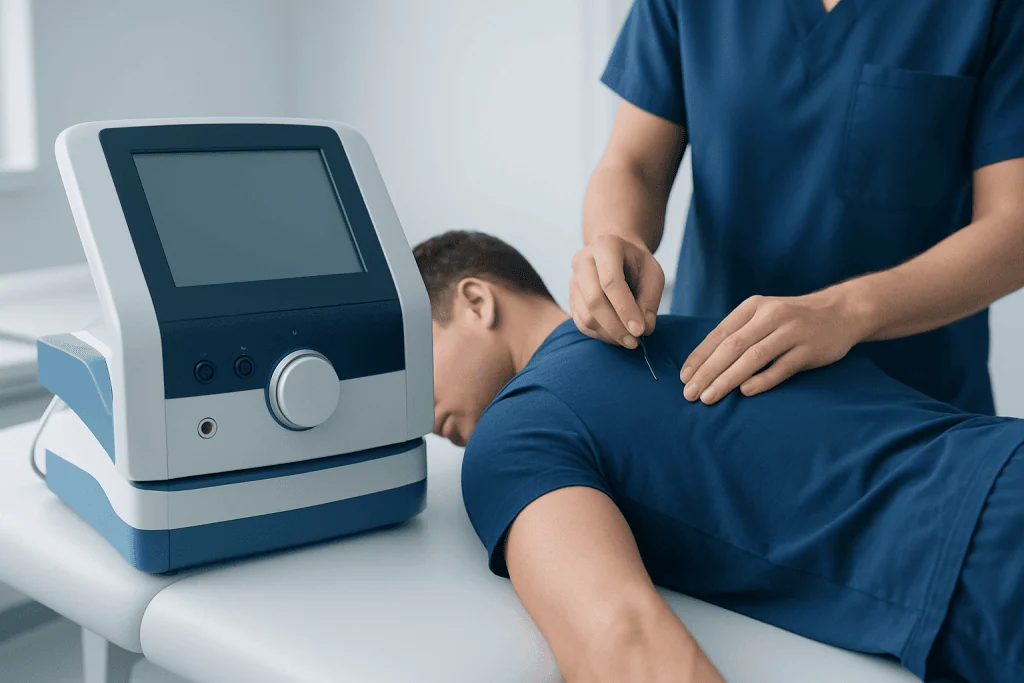
In simple terms, dry needling treatment aims to affect painful or overactive muscle tissue. When a needle is placed into a trigger point, it may produce a brief involuntary twitch response in the muscle. Clinicians often consider this a sign that the needle has reached the irritated area. This response may help the muscle relax and reduce local tension.
Researchers believe the technique may work through several mechanisms. It may help improve blood flow in tight tissue, reduce sensitivity in painful nerve pathways, and interrupt patterns of muscle guarding. These effects can sometimes lead to less pain and better movement, especially when the problem is related to muscular tightness or myofascial pain.
Dry needling is not a cure-all, and it does not treat every cause of pain. Pain can come from joints, nerves, inflammation, fractures, or internal medical conditions, and those problems may require different forms of care. For this reason, a proper assessment is important before treatment begins.
Common Uses and Potential Benefits

Dry needling treatment is most often used for musculoskeletal conditions. It may be helpful for people with tight bands in the neck and shoulders, lower back pain, hip discomfort, tennis elbow, calf tightness, hamstring strain, or persistent pain related to overuse. It is also sometimes used in rehabilitation after an injury to support flexibility and muscle function.
Potential benefits include reduced pain, less muscle tightness, improved range of motion, and greater comfort during exercise or daily activities. For athletes and physically active people, it may help them tolerate rehabilitation better and move more freely. For others, it may simply make tasks such as sitting, reaching, walking, or sleeping more comfortable.
However, results vary from person to person. Some people feel better after one or two sessions, while others notice gradual improvement over several treatments. The best outcomes often happen when dry needling is combined with an individualized rehabilitation plan, such as stretching, strengthening, movement retraining, and other forms of physical therapy and rehabilitation.
- Myofascial trigger point pain
- Sports and overuse injuries
- Neck, shoulder, and back muscle tightness
- Tension-related headaches linked to muscle strain
- Movement restriction during recovery
What Happens During a Session
Before dry needling treatment, the clinician typically asks about symptoms, medical history, medications, and the area of pain. A physical examination helps identify whether the symptoms are likely coming from muscle trigger points or another source. This step is important because dry needling is not suitable for every condition or every patient.
During the session, the skin is cleaned and a thin sterile needle is inserted into the targeted tissue. Depending on the technique, the needle may be inserted briefly and removed, or left in place for a short period. Patients may feel a mild prick on insertion, followed by pressure, aching, cramping, or a brief twitch in the muscle. These sensations are usually short-lived.
After treatment, it is common to feel temporary soreness similar to what may happen after exercise. Some people also notice mild bruising or fatigue. Clinicians often recommend gentle movement, hydration, and avoiding unusually intense activity for the rest of the day. If dry needling is part of a larger recovery plan, other measures such as exercise, posture work, or pain management strategies may be discussed as well.
Risks, Side Effects, and Safety Considerations
When performed by a trained and licensed professional using appropriate sterile technique, dry needling treatment is generally considered safe. The most common side effects are minor and short term. These include soreness, bruising, light bleeding at the needle site, tiredness, or temporary worsening of symptoms for a day or two before improvement begins.
Less common but more serious risks can include infection, fainting, or injury to nearby structures if the procedure is not performed correctly. In certain body areas, there is a rare risk of puncturing the lung, which can cause a pneumothorax. This is one reason provider training, anatomy knowledge, and careful patient selection are essential.
Dry needling may not be appropriate for everyone. Extra caution may be needed in people who are pregnant, have bleeding disorders, use blood thinners, have active skin infection, have significant needle anxiety, or have certain implanted medical devices depending on the technique used. Patients should always tell the clinician about all health conditions and medicines before treatment.
People should also remember that muscle pain may sometimes reflect a different underlying issue. If symptoms suggest another condition, such as a significant tendon injury or joint disease, the clinician may recommend further evaluation or another treatment approach, including orthopedic assessment.
Who May Benefit and Who Should Avoid It
Dry needling treatment may be suitable for adults and some adolescents with muscle-based pain or movement restriction, depending on local regulations and the clinician’s expertise. It is often considered when trigger points are clearly contributing to symptoms and when a patient can participate in a broader rehabilitation program. People with persistent muscle tightness after work strain, poor posture, repetitive use, or sport may be among those most likely to benefit.
It may be less helpful when the primary problem is not muscular. For example, severe joint arthritis, acute fracture, uncontrolled nerve compression, infection, or inflammatory disease may require different treatment. A careful diagnosis helps avoid unnecessary procedures and guides the most effective plan.
Some people should postpone or avoid dry needling unless a doctor advises otherwise. This may include those with uncontrolled bleeding problems, active infection in the treatment area, severe immune suppression, or inability to remain still during the procedure. If the pain pattern raises concern for another condition, such as a herniated disc, further medical review may be needed first.
Dry Needling Compared With Other Treatments
Dry needling is only one option for managing musculoskeletal pain. Other treatments can include physical therapy, stretching, strengthening exercises, massage, heat or cold therapy, ergonomic changes, medication, and guided rehabilitation. In some cases, clinicians may also consider acupuncture, trigger point injections, or image-guided procedures depending on the diagnosis.
Compared with trigger point injections, dry needling does not involve injecting a medication or anesthetic. Compared with acupuncture, its target is usually the dysfunctional muscle and surrounding tissue rather than traditional acupuncture points. Some patients prefer it because sessions are relatively brief and can be incorporated into a rehabilitation appointment.
The most appropriate treatment depends on the cause of the symptoms, how long they have lasted, the patient’s overall health, and personal preferences. For example, pain related to chronic muscle overload may respond differently from pain caused by fibromyalgia or a major joint injury. A tailored plan is usually more effective than relying on a single technique alone.
When to Seek Medical Advice
Anyone considering dry needling treatment should first have a proper evaluation by a qualified healthcare professional. Medical advice is especially important if the pain is severe, follows a major injury, is associated with numbness or weakness, disturbs sleep, or is not improving with usual self-care. These features may point to a condition that needs a different type of treatment.
After a session, mild soreness can be normal, but patients should seek prompt medical attention if they develop shortness of breath, chest pain, fever, spreading redness, marked swelling, or symptoms that feel unusual or severe. These reactions are uncommon, but they should not be ignored.
Dry needling should ideally be part of a clear care plan with realistic goals, such as reducing pain to allow better movement and participation in rehabilitation. Near the end of treatment planning, some patients may choose care at centers with coordinated rehabilitation, orthopedics, and pain services. Acibadem International’s multidisciplinary specialists and JCI-accredited hospitals diagnose and treat musculoskeletal conditions for international patients.
Frequently asked questions
Is dry needling the same as acupuncture?
No. Both use thin needles, but they are based on different treatment approaches. Dry needling usually targets muscle trigger points and soft tissue dysfunction, while acupuncture is rooted in traditional Chinese medicine principles.
Does dry needling treatment hurt?
Many people feel only a small prick when the needle enters the skin. A brief twitch, cramp, or aching feeling in the muscle can happen, but it usually passes quickly. Mild soreness afterward is common and often settles within a day or two.
How long does it take to feel better after dry needling?
Some patients notice improvement within hours or days, while others need several sessions. The timeline depends on the cause of the pain, how long it has been present, and whether dry needling is combined with exercise and rehabilitation.
What conditions can dry needling help with?
It is most often used for muscle-related pain and movement limitation. Examples include neck and shoulder tightness, back pain, sports-related strain, and myofascial trigger point pain. It is less likely to help when the main problem is not muscular.
Are there any side effects of dry needling treatment?
Yes, but they are usually mild and short term. Common side effects include soreness, bruising, slight bleeding, and temporary fatigue. Serious complications are uncommon but can occur, so treatment should be done by a qualified professional.
Who should not have dry needling?
People with active skin infection, certain bleeding problems, or strong needle-related fainting may need to avoid it or delay treatment. Extra caution is also needed during pregnancy and in people taking blood thinners. A clinician can advise whether it is appropriate in each case.
References
- World Health Organization
- National Institute for Health and Care Excellence
- American Physical Therapy Association
- Cochrane
- Cleveland Clinic
This article is for general information only and is not a substitute for professional medical advice. Please consult a qualified doctor about your individual situation.
Joint and spine care in Turkey — expert assessment & treatment
JCI-accredited · board-certified surgeons · reply within 24h
Add us as a Preferred Source to see more of our trusted health content across Google Search, AI Overviews and Discover.