Does Laser Hair Treatment Hurt? What to Expect During Sessions
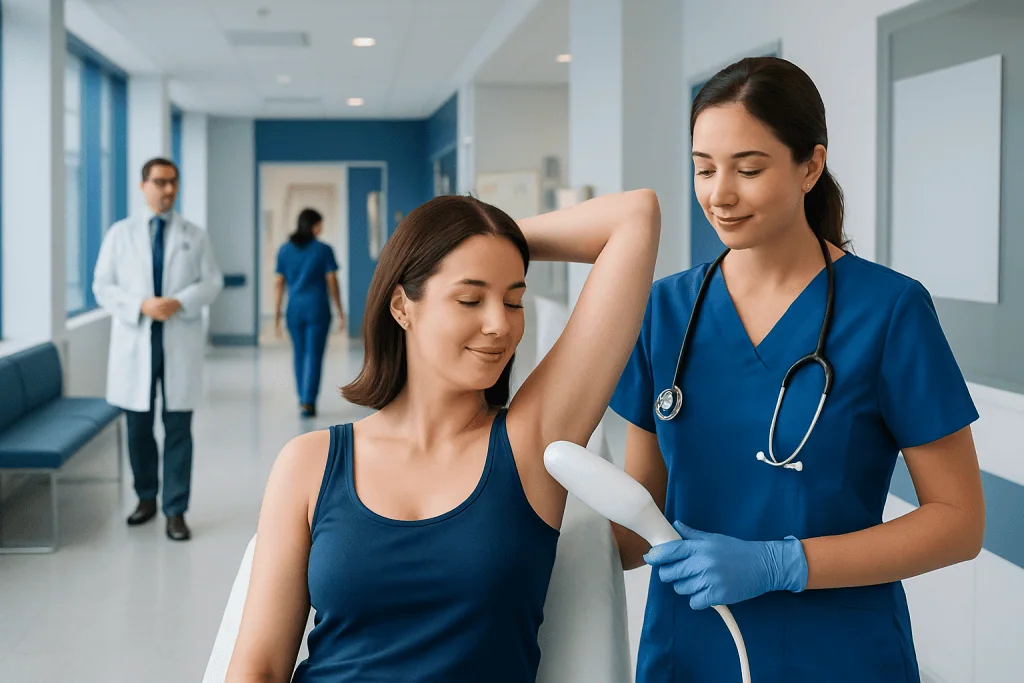
Most people describe laser hair treatment as a quick snapping, warming, or tingling feeling. Discomfort varies by body area, skin sensitivity, hair thickness, and the type of laser used.
Key Takeaways
- Most people describe laser hair treatment as a quick snapping, warming, or tingling feeling.
- Discomfort varies by body area, skin sensitivity, hair thickness, and the type of laser used.
- Cooling systems, careful preparation, and experienced clinicians can improve comfort during treatment.
- Redness and mild swelling after a session are common and usually short-lived.
- Several sessions are typically needed because hair grows in cycles.
Many people considering laser hair reduction want to know how it feels. In most cases, laser hair treatment causes mild, brief discomfort rather than severe pain, and modern devices include features that help make sessions more comfortable.
Overview: How laser hair treatment feels
Laser hair treatment is a commonly used method to reduce unwanted hair on areas such as the face, underarms, legs, bikini line, chest, and back. It works by directing light energy toward the pigment in the hair follicle. That energy heats the follicle and helps slow future hair growth. Because heat is involved, it is natural to wonder whether the treatment hurts.
For most people, the sensation is tolerable and brief. It is often described as a light snap against the skin, similar to a small rubber band, along with a feeling of warmth. Some areas may be more sensitive than others, but the discomfort usually lasts only while each pulse of the laser is delivered.
Modern equipment is designed with comfort in mind. Many laser systems have built-in cooling features that protect the skin and reduce heat-related discomfort. When treatment is performed by trained professionals who adjust the settings to skin tone, hair type, and treatment area, the experience is usually manageable and efficient.
What to expect during a session
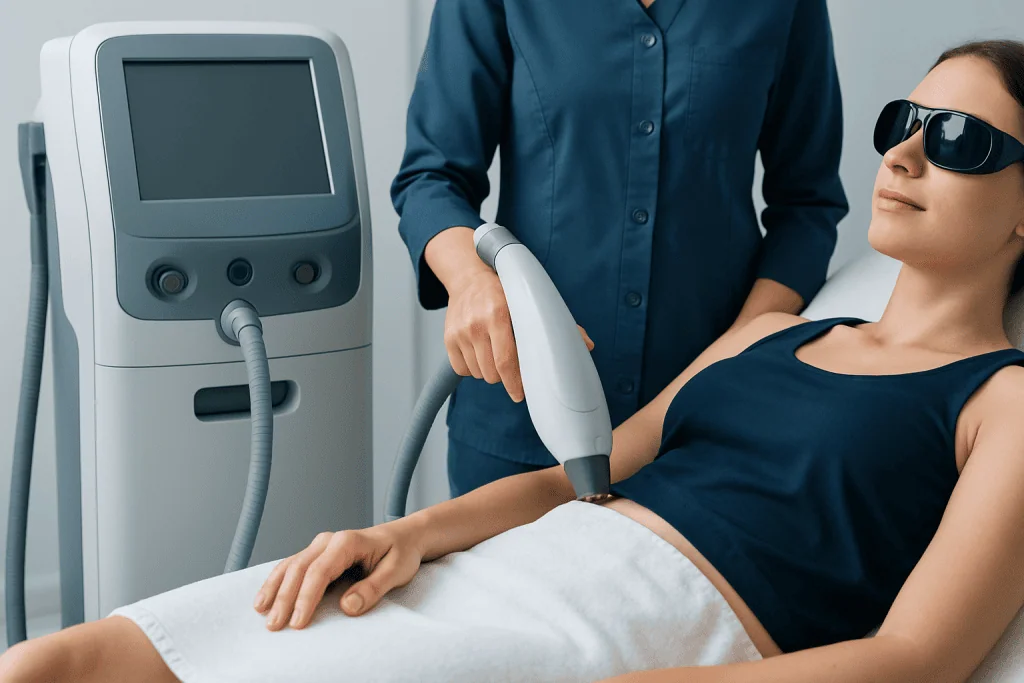
Before the session begins, the treatment area is usually cleaned and assessed. The clinician may ask about recent sun exposure, skin products, medications, and any history of skin sensitivity. Protective eyewear is typically provided to shield the eyes from the laser light.
During treatment, the handpiece is placed against the skin and the laser delivers short pulses of energy. With each pulse, a person may feel warmth, tingling, or a quick snapping sensation. Some devices also release cool air or use a cooling tip at the same time, which can make the session feel more comfortable.
The length of the appointment depends on the size of the area being treated. Small areas such as the upper lip or underarms may take only a short time, while larger areas like the legs or back can take longer. Afterward, the skin may look slightly red or feel warm, similar to a mild sun-exposed feeling, but this often improves within hours to a couple of days.
People seeking more detailed guidance about the procedure itself may find it helpful to read about laser hair removal as a treatment option and how sessions are typically planned.
Does it hurt more in some areas than others?
Yes. Sensation can vary depending on the body area. Regions with thinner skin or more nerve endings, such as the upper lip, bikini line, or underarms, may feel more intense than the arms or lower legs. However, intensity does not always mean the treatment is difficult to tolerate, because each laser pulse is very quick.
Hair thickness and density also affect how it feels. Darker, coarser hair tends to absorb more laser energy, which can make the sensation more noticeable. In contrast, finer hair may produce less discomfort. Skin sensitivity, hormone-related changes, and individual pain tolerance also play a part.
The type of device matters as well. Different lasers may be selected based on skin tone and hair characteristics. A skilled clinician aims to balance effectiveness and comfort by using appropriate settings, cooling, and careful technique rather than using unnecessarily aggressive energy.
- More sensitive areas: upper lip, bikini line, underarms
- Often less sensitive areas: forearms, lower legs
- Factors that influence sensation: hair thickness, skin sensitivity, laser type, and cooling technology
How to prepare and make treatment more comfortable
Good preparation can help reduce irritation and improve the overall experience. Patients are commonly advised to shave the area before treatment so the laser can target the follicle more effectively without excess surface hair absorbing heat. Waxing, plucking, or threading is usually avoided beforehand because these methods remove the hair root that the laser needs to target.
It is also important to limit sun exposure before treatment and follow the clinic’s instructions about tanning, self-tanning products, and certain skincare ingredients. Skin that is sunburned, irritated, or recently tanned may be more sensitive and may not be suitable for treatment on that day.
Comfort can be improved by arriving with clean skin, avoiding fragranced products on the area, and discussing any concerns honestly with the clinician. In some settings, a topical numbing cream may be considered if appropriate, especially for small sensitive areas, but this should only be used under professional guidance. If a person has an underlying skin condition such as eczema, the skin should be assessed carefully before treatment.
Common side effects and recovery after treatment
Mild, short-term side effects are common after laser hair treatment. The skin may appear pink or red, and slight swelling around the hair follicles can occur. This is often a normal response to heat in the follicle and usually settles on its own.
Some people notice temporary tenderness, dryness, or a sun-warmed feeling. Cool compresses, gentle skincare, and avoiding heat exposure such as hot showers, saunas, or intense exercise for a short period may help minimize irritation. The clinician may also suggest a soothing moisturizer if the skin feels dry.
Less common but possible side effects include blistering, crusting, or changes in skin color, especially if aftercare instructions are not followed or if treatment is performed on unsuitable skin at the wrong time. Prompt medical advice is recommended if there is severe pain, significant swelling, worsening redness, or signs of infection. People with pigment-related concerns may also want to learn about conditions such as hyperpigmentation because skin tone changes can sometimes occur after irritation.
Who is a good candidate and when treatment may need caution
Laser hair treatment often works best when there is a contrast between hair pigment and skin tone, although newer technologies have broadened the range of suitable candidates. A professional assessment is important because treatment settings and device choice should be tailored to the individual’s skin and hair characteristics.
Caution may be needed for people with active skin infections, open wounds, recent tanning, certain pigment disorders, or a history of unusual scarring. Some medications can increase light sensitivity, so a full medication and skin history matters. Hormonal conditions can also influence hair growth patterns and may affect treatment results over time.
People with recurrent inflamed hair follicles or shaving-related irritation sometimes ask whether laser treatment may help reduce these problems by decreasing hair growth. In selected cases, it can be useful, but proper diagnosis is still important. For related concerns, some patients also explore care for ingrown hair or seek dermatologist input before beginning a treatment course.
Results, treatment schedule, and when to seek expert advice
Laser hair treatment does not usually remove all hair in a single visit. Hair grows in cycles, and the laser is most effective when hairs are in a particular growth phase. For that reason, several sessions spaced over time are normally needed to achieve meaningful reduction. Maintenance sessions may also be recommended depending on the body area, hormones, and individual response.
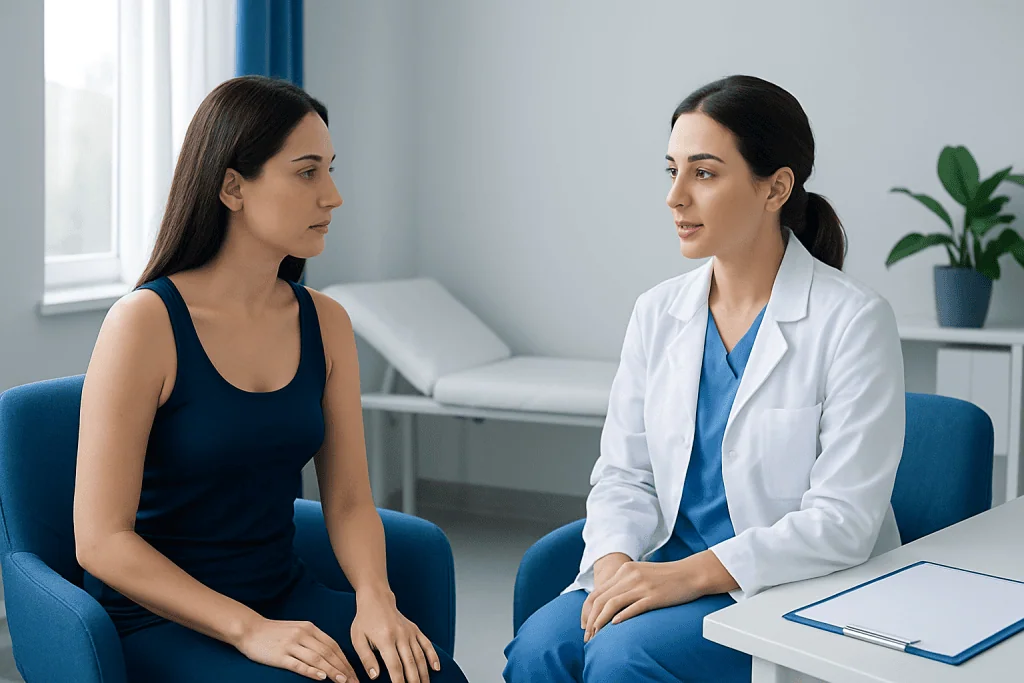
If a person is anxious about discomfort, a patch test or consultation can be helpful before committing to a full session. This gives the clinician a chance to assess the skin, explain the likely sensation, and discuss realistic expectations. It is also the right time to ask about aftercare, risks, and whether the chosen device is appropriate for the person’s skin type.
Medical advice should be sought if there is intense or lasting pain, blistering, marked swelling, or skin changes that do not improve. Anyone with a chronic skin disorder or a history of pigmentation problems should mention this before treatment. Near the end of the care journey, patients may also wish to know that Acibadem International’s multidisciplinary specialists in JCI-accredited hospitals diagnose and treat skin and aesthetic concerns for international patients, including personalized evaluation for procedures such as dermatology care and selected aesthetic and plastic surgery services when appropriate.
Frequently asked questions
Does laser hair treatment hurt a lot?
Usually not. Most people describe it as a brief snapping or warming feeling rather than strong pain. Sensation varies by body area, skin sensitivity, and the type of device used.
Which body areas are most sensitive during laser hair treatment?
The upper lip, underarms, and bikini area are often felt to be more sensitive because the skin is thinner and nerve endings are more concentrated. Areas such as the arms or lower legs may feel easier for some people. Even in sensitive areas, the laser pulses are very quick.
Can anything make laser hair treatment more comfortable?
Yes. Cooling technology, proper shaving before the session, and avoiding sun exposure beforehand can all help. A clinician may also discuss whether a numbing option is suitable in certain cases.
Is redness after laser hair treatment normal?
Yes, mild redness and slight swelling around hair follicles are common short-term effects. These reactions usually improve within hours or a few days. If symptoms become severe or do not settle, medical advice is important.
How many sessions are usually needed?
Several sessions are typically needed because hair grows in cycles and not all follicles can be treated effectively at the same time. The exact number depends on the treatment area, hair type, hormone-related factors, and individual response. Maintenance sessions may be advised later.
Who should talk to a doctor before starting laser hair treatment?
Anyone with active skin disease, recent tanning, unusual scarring, pigment concerns, or medications that increase light sensitivity should have a professional assessment first. It is also wise to ask for medical guidance if there is a history of frequent skin irritation or infection in the treatment area.
References
- American Academy of Dermatology
- British Association of Dermatologists
- Mayo Clinic
- National Health Service
- American Society for Dermatologic Surgery
This article is for general information only and is not a substitute for professional medical advice. Please consult a qualified doctor about your individual situation.
Hair transplant in Turkey — costs, graft counts & a free assessment
JCI-accredited · board-certified surgeons · reply within 24h
Add us as a Preferred Source to see more of our trusted health content across Google Search, AI Overviews and Discover.