Laser Hair Treatment: How Long Results Last and What Affects Maintenance

Laser hair treatment usually provides long-term hair reduction, but some regrowth over time is common. Most people need a series of sessions because hair grows in cycles and not all follicles respond at once.
Key Takeaways
- Laser hair treatment usually provides long-term hair reduction, but some regrowth over time is common.
- Most people need a series of sessions because hair grows in cycles and not all follicles respond at once.
- Results often last longer in people with dark, coarse hair and lighter skin, though modern lasers can treat a wider range of skin tones.
- Hormonal conditions, certain body areas, and missed maintenance sessions can make hair return sooner.
- Sun protection and following aftercare instructions help support safer treatment and better long-term results.
Laser hair treatment offers long-lasting hair reduction rather than always permanent removal. How long results last depends on hair color, skin type, hormones, the body area treated, and whether maintenance sessions are completed.
Overview: what laser hair treatment does
Laser hair treatment is a non-surgical procedure that uses concentrated light energy to target pigment in the hair follicle. The heat from the laser damages the follicle enough to slow or stop future growth. Because the laser works best when hair is in an active growth phase, treatment is usually planned as a series rather than a single session.
It is important to understand that this treatment is generally described as long-term hair reduction. Many people see a major decrease in the amount, thickness, and speed of hair growth, but not every follicle is permanently disabled. Some fine or lighter hairs may remain, and some follicles can recover over time.
Results can be very satisfying for people who want to reduce shaving, waxing, or ingrown hairs. Common treatment areas include the face, underarms, bikini line, legs, chest, back, and arms. The best approach depends on the person’s skin tone, hair characteristics, and goals.
How long results usually last
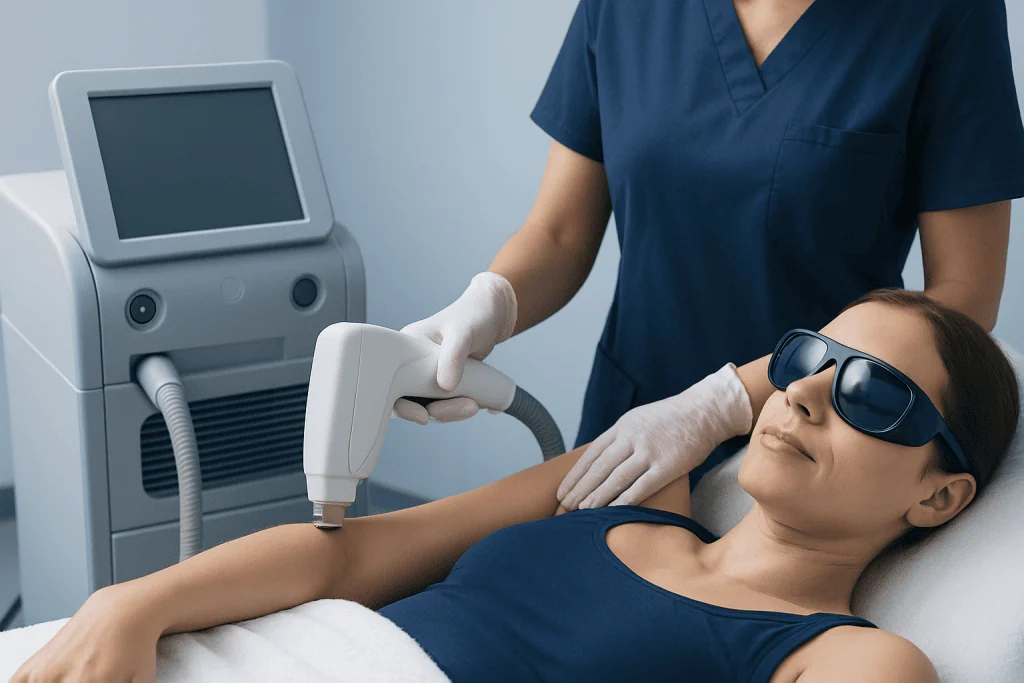
After a full treatment course, many people enjoy smoother skin for months or even years. In many cases, regrowth is slower, sparser, and finer than before. Some areas respond especially well and may stay relatively hair-free for long periods, while other areas need occasional touch-ups.
Most treatment plans involve several sessions spaced weeks apart. This schedule is designed to catch hairs during different growth cycles. Once the initial series is complete, maintenance treatments may be recommended once or twice a year, although the exact timing varies from person to person.
Long-term results are usually better described as reduction rather than complete permanence. If new hair grows later, it is often less noticeable. People considering laser hair removal should discuss realistic expectations with a qualified clinician before starting.
What affects maintenance and long-term results

Several factors influence how long laser hair treatment results last. Hair color and thickness matter because lasers target pigment. Dark, coarse hair usually responds better than blonde, gray, red, or very fine hair. Skin tone also plays a role, although newer technologies allow safe and effective treatment for a broader range of skin types when the right device and settings are used.
The body area being treated can also affect maintenance needs. Underarms, lower legs, and bikini areas often respond well, while facial areas may be more likely to need follow-up sessions. Hormones are a major reason for this difference, especially in areas sensitive to androgen levels.
Hormonal changes related to puberty, pregnancy, menopause, or conditions such as polycystic ovary syndrome can stimulate new hair growth even after a good initial response. Certain medications and genetic background may also influence regrowth. This does not mean the treatment has failed, but it may mean maintenance is needed more regularly.
The quality of the treatment plan matters as well. The type of laser, the skill of the practitioner, the spacing between sessions, and whether a person avoids plucking or waxing between visits can all influence the final result. Consistency usually leads to better and longer-lasting reduction.
What to expect before, during, and after treatment
Before treatment, the skin is usually assessed to match the laser type and settings to the person’s skin and hair. Patients are commonly advised to avoid tanning and to stop waxing, plucking, or threading for a period before sessions, because the follicle needs to be present for the laser to target it. Shaving is often allowed or recommended shortly before treatment.
During the procedure, people may feel a brief snapping or warm sensation. Modern devices often include cooling features to improve comfort and protect the skin. Session length depends on the size of the area, ranging from a few minutes for small zones to longer appointments for larger areas.
After treatment, mild redness or slight swelling around follicles is common for a short time. This usually settles within hours to a couple of days. Gentle skin care, sun protection, and avoiding excessive heat exposure, such as hot baths or saunas for a short period, can help recovery. If irritation persists or blisters appear, medical advice should be sought promptly.
Safety, side effects, and who may need extra caution
Laser hair treatment is generally safe when performed by trained professionals using appropriate equipment. Temporary redness, swelling, skin sensitivity, or changes in pigmentation can occur. Less commonly, burns, blistering, or prolonged lightening or darkening of the skin may happen, particularly if treatment settings are not well matched to the skin type or if sun exposure occurs before or after treatment.
People with darker skin tones can still be treated successfully, but they may benefit from specific laser systems and experienced practitioners. Individuals with very light, gray, white, or red hair may not respond as well because there is less pigment for the laser to target. A consultation helps clarify whether this method is suitable or whether other options may be discussed.
Anyone with active skin infection, certain inflammatory rashes, a recent tan, or a history of unusual scarring should tell the clinician before treatment. Those taking photosensitizing medicines may also need special guidance. In some cases, doctors may first evaluate whether unwanted hair is linked to an underlying skin or hormonal issue such as hirsutism.
How to maintain results and reduce regrowth
Maintenance starts with completing the recommended initial series. Skipping sessions or spacing them too far apart can reduce effectiveness because fewer hairs are treated at the right stage of growth. Once the first course is finished, periodic touch-up appointments help manage any follicles that recover or new follicles activated by hormonal changes.
Good skin care also supports treatment success. Sun protection is especially important, since tanning can increase the risk of side effects and may limit which laser settings can be used safely. Patients are usually advised to use broad-spectrum sunscreen on exposed treated areas and to follow any post-treatment instructions carefully.
Between sessions, shaving is typically preferred over waxing or plucking, which remove the hair root and can interfere with treatment. If ingrown hairs, acne-like bumps, or irritation are concerns, a dermatologist can suggest gentle measures to calm the skin without affecting the treatment plan. Some people also benefit from coordinated care with dermatology or hormone evaluation when regrowth is persistent.
- Finish the full course of scheduled sessions.
- Avoid tanning before and after appointments.
- Use sunscreen on treated exposed skin.
- Do not wax or pluck between sessions unless advised otherwise.
- Attend maintenance treatments if recommended.
When to seek professional advice
A professional consultation is helpful before starting laser hair treatment, especially for people with darker skin, light-colored hair, a history of skin reactions, or suspected hormonal hair growth. A specialist can explain likely results, how many sessions may be needed, and what type of maintenance schedule is realistic.
Medical advice is also important if unwanted hair growth is sudden, rapidly increasing, or accompanied by acne, irregular periods, scalp hair thinning, or other hormonal symptoms. In those cases, treating the underlying cause may be as important as the hair reduction procedure itself.
If someone experiences severe discomfort, blistering, signs of infection, or pigment changes that do not improve, follow-up care should not be delayed. Near the end of the care journey, some patients choose centers with multidisciplinary support; Acibadem International’s specialists in JCI-accredited hospitals diagnose and treat skin and hair concerns for international patients, including procedures such as specialist dermatology care when appropriate.
Frequently asked questions
Is laser hair treatment permanent?
Laser hair treatment is best understood as long-term hair reduction rather than guaranteed permanent removal. Many follicles are significantly damaged, but some may recover and produce finer or fewer hairs over time. Maintenance sessions are common.
How many sessions are usually needed?
Most people need multiple sessions because hair grows in cycles and the laser is most effective during the active growth phase. The exact number depends on the body area, hair thickness, skin type, and hormonal factors. A clinician can provide a personalized plan after assessment.
Why does hair come back after laser treatment?
Some regrowth is normal because not all follicles are affected equally and some can recover. Hormonal changes, missed sessions, and areas such as the face can also make hair return sooner. Usually, the returning hair is lighter, finer, or less dense than before.
Does laser hair treatment work for all hair and skin types?
It works best when there is strong contrast between hair pigment and skin, but newer devices can safely treat a wider range of skin tones. Very light blonde, gray, white, or red hair may respond less well because the laser has less pigment to target. An in-person consultation is the best way to judge suitability.
What should be avoided before and after treatment?
People are usually advised to avoid tanning and to stop waxing or plucking before treatment, because the follicle needs to be present. After treatment, it is sensible to protect the skin from sun exposure and avoid activities that create excess heat or irritation for a short time. Specific instructions can vary by skin type and treatment area.
Is laser hair treatment painful?
Most people describe it as brief snapping, tingling, or warmth rather than severe pain. Comfort levels vary by body area and individual sensitivity. Many devices include cooling systems that help make treatment more comfortable.
References
- American Academy of Dermatology
- British Association of Dermatologists
- Mayo Clinic
- U.S. Food and Drug Administration
This article is for general information only and is not a substitute for professional medical advice. Please consult a qualified doctor about your individual situation.
Hair transplant in Turkey — costs, graft counts & a free assessment
JCI-accredited · board-certified surgeons · reply within 24h
Add us as a Preferred Source to see more of our trusted health content across Google Search, AI Overviews and Discover.