Laparoscopy in Gynecology: Why It Is Done and What to Expect

Gynecologic laparoscopy uses a thin camera and small incisions to examine or treat the pelvic organs. It may be recommended for pelvic pain, ovarian cysts, endometriosis, infertility evaluation, fibroids, or abnormal findings on imaging.
Key Takeaways
- Gynecologic laparoscopy uses a thin camera and small incisions to examine or treat the pelvic organs.
- It may be recommended for pelvic pain, ovarian cysts, endometriosis, infertility evaluation, fibroids, or abnormal findings on imaging.
- Compared with open surgery, laparoscopy often causes less pain, smaller scars, and a shorter recovery.
- Preparation usually includes fasting, medication review, and planning for a ride home and recovery support.
- Recovery varies by the type of procedure, but many people return to light activities within days to weeks.
- Patients should contact a doctor if they develop fever, heavy bleeding, worsening pain, or signs of infection after surgery.
Laparoscopy in gynecology is a minimally invasive procedure that helps doctors diagnose and treat many pelvic and reproductive health conditions. It is commonly chosen because it uses small incisions, often leads to faster recovery, and can provide a clear view of the pelvic organs.
Overview of laparoscopy in gynecology
Laparoscopy in gynecology is a surgical technique that allows a doctor to look inside the abdomen and pelvis using a thin instrument with a camera, called a laparoscope. The surgeon makes a few small incisions, usually near the belly button and lower abdomen, and inserts the camera and other fine instruments. This approach can help diagnose a problem, treat it, or do both during the same procedure.
In gynecology, laparoscopy is used to examine the uterus, ovaries, fallopian tubes, and surrounding pelvic tissues. It may help clarify the cause of symptoms such as pelvic pain, heavy periods, infertility, or an ovarian cyst seen on ultrasound. In many situations, it can also be used to remove cysts, treat endometriosis, or perform other planned procedures while minimizing trauma to nearby tissues.
Because the incisions are smaller than in traditional open surgery, laparoscopy is often called minimally invasive surgery. Many patients experience less postoperative discomfort, shorter hospital stays, and a quicker return to normal daily activities. Even so, it is still a real operation that requires anesthesia, careful preparation, and follow-up care.
Why it is done
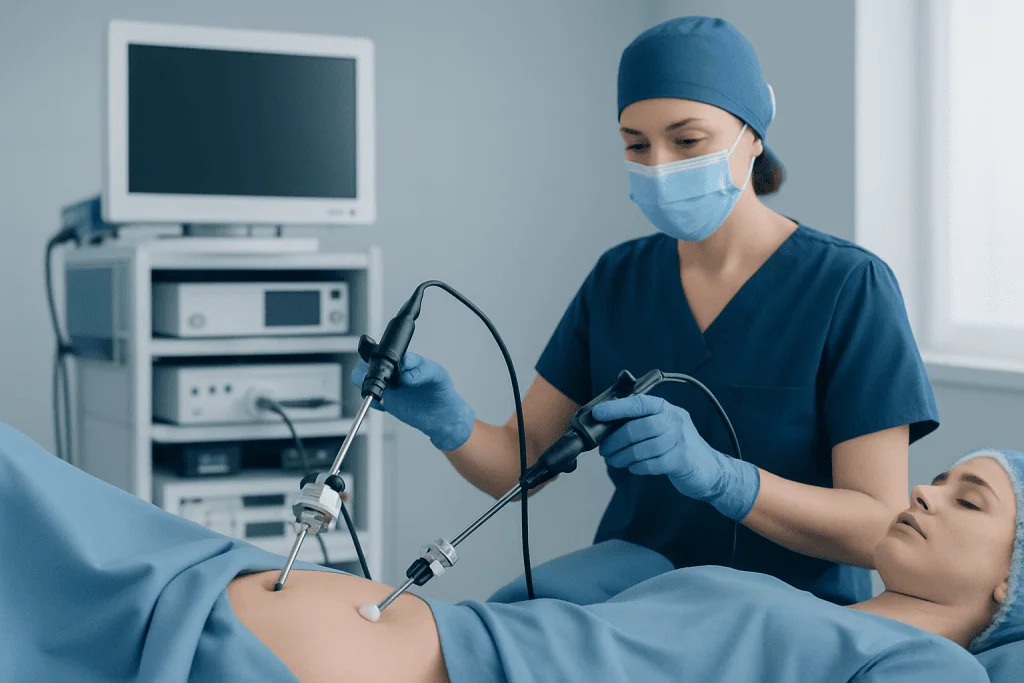
A gynecologist may recommend laparoscopy when symptoms, examination findings, or imaging tests do not provide enough information on their own. It can be especially useful when a direct view of the pelvic organs is needed. In some cases, laparoscopy is planned mainly to diagnose a condition; in others, it is performed to treat a known problem.
Common reasons for laparoscopy in gynecology include investigating chronic pelvic pain, checking for endometriosis, assessing infertility, or evaluating ovarian cysts, fibroids, and adhesions. It may also be used in the management of ectopic pregnancy, for tubal surgery, or for selected hysterectomy procedures. For some patients, it offers both diagnosis and treatment in one session.
Examples of conditions or concerns that may lead to laparoscopy include:
- Suspected endometriosis
- Ovarian cysts or masses that need closer evaluation
- Pelvic adhesions from prior infection, inflammation, or surgery
- Unexplained infertility or blocked fallopian tubes
- Fibroids in selected cases
- Ectopic pregnancy
- Need for procedures such as laparoscopic hysterectomy or ovarian cyst surgery
The exact reason for surgery helps determine how extensive the procedure will be, how long it may take, and what the recovery period may involve.
How to prepare before the procedure
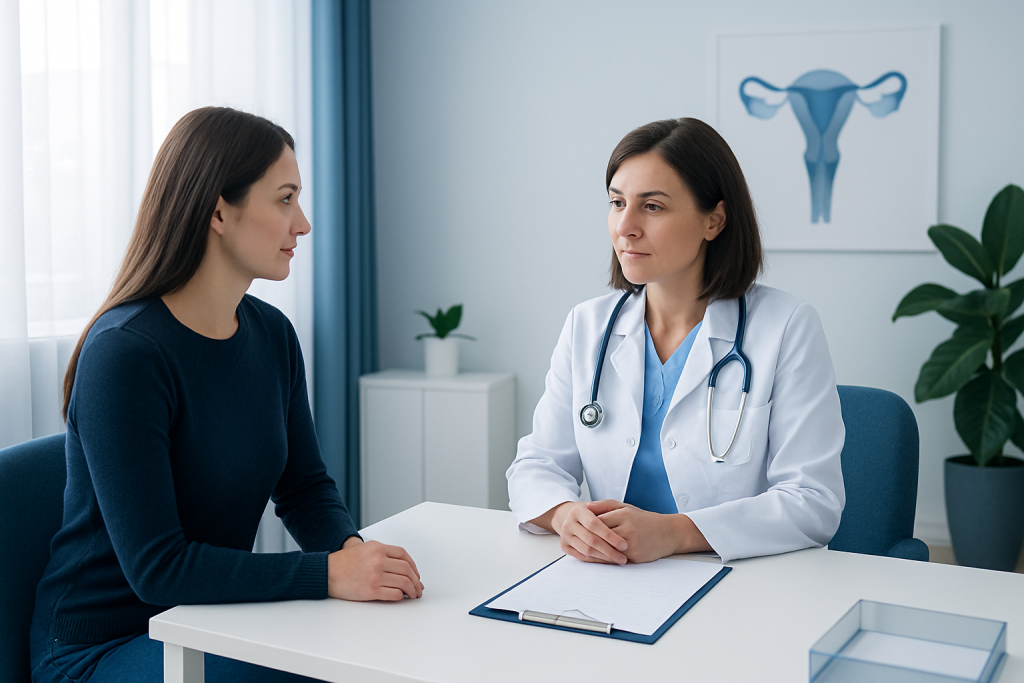
Preparation begins with a consultation, during which the doctor reviews symptoms, medical history, past surgeries, medicines, allergies, and any future pregnancy plans. Blood tests, pregnancy testing, and imaging such as ultrasound may be arranged. The care team will explain the goal of the procedure, possible alternatives, expected benefits, and potential risks.
Patients are usually asked not to eat or drink for a set period before surgery because laparoscopy is commonly performed under general anesthesia. The doctor may also advise stopping or adjusting certain medicines, especially blood thinners, some diabetes medications, or supplements that increase bleeding risk. It is important to follow these instructions exactly and mention every prescription, over-the-counter medicine, and herbal product being used.
Practical planning can make recovery easier. Many patients go home the same day, so arranging transportation and having someone nearby for the first 24 hours is helpful. Loose clothing, sanitary pads if recommended, light meals, and a comfortable place to rest can also support a smoother first day after surgery.
What happens during gynecologic laparoscopy
After arriving at the hospital, the patient changes into a gown and meets the surgical and anesthesia teams. A small intravenous line is placed for fluids and medicines. Once in the operating room, general anesthesia is given so the patient sleeps through the procedure and feels no pain.
The surgeon usually makes a small incision near the navel and gently fills the abdomen with carbon dioxide gas. This creates space so the pelvic organs can be seen more clearly. The laparoscope is inserted, and one or more additional small incisions may be made for surgical instruments. The surgeon examines the pelvis and, if planned, performs treatment such as removing cysts, cutting adhesions, treating endometriosis, or carrying out procedures such as myomectomy in selected patients.
When the procedure is complete, the instruments are removed, the gas is released, and the small incisions are closed with sutures, glue, or dressings. Some laparoscopic procedures last less than an hour, while others take longer depending on complexity. Occasionally, if it is not safe or possible to continue laparoscopically, the surgeon may need to switch to open surgery.
Benefits, risks, and possible complications
For many patients, the main benefits of laparoscopy are smaller incisions, less visible scarring, less blood loss, and a faster recovery compared with open abdominal surgery. It also gives the surgeon a magnified view of the pelvic organs, which can be very helpful when diagnosing or treating delicate conditions. These advantages are one reason minimally invasive gynecologic surgery is widely used when appropriate.
Still, every operation carries some risk. General risks include bleeding, infection, blood clots, reactions to anesthesia, and pain after the procedure. Because laparoscopy is performed in the abdomen and pelvis, there is also a small risk of injury to nearby structures such as the bowel, bladder, ureters, blood vessels, or reproductive organs.
Some temporary symptoms are common and do not necessarily mean that something is wrong. Shoulder-tip pain can happen because of the gas used during surgery. Mild vaginal spotting, bloating, fatigue, and soreness around the incisions can also occur for a short time. The doctor will discuss which symptoms are expected and which need prompt medical review.
The overall balance of benefits and risks depends on the patient’s age, general health, prior surgeries, the reason for surgery, and the complexity of the planned treatment. A clear discussion with the gynecologist helps patients make informed decisions that fit their health needs and goals.
Recovery and what to expect after laparoscopy
After surgery, the patient spends time in a recovery area while the effects of anesthesia wear off. It is normal to feel sleepy, mildly nauseated, or uncomfortable for a few hours. Nurses monitor breathing, blood pressure, pain, and any vaginal bleeding. Many people go home the same day, although some need an overnight stay depending on the procedure and overall condition.
The first few days often include tiredness, abdominal tenderness, bloating, and mild shoulder pain. Walking gently, drinking fluids if allowed, and taking prescribed or recommended pain medicine can help. Most patients are advised to avoid heavy lifting, strenuous exercise, and sexual intercourse for a period recommended by their doctor. Showering, wound care, and return-to-work timing depend on the exact operation.
Recovery time varies. Someone who had a short diagnostic laparoscopy may resume light activities within a few days, while more complex surgery can require a longer healing period. Follow-up visits are important because the doctor can review pathology results if tissue was removed, assess healing, and explain next steps for ongoing symptoms, fertility planning, or treatment of a condition such as ovarian cyst or fibroids.
When to call a doctor and where to seek care
Patients should contact their doctor if they have a fever, worsening abdominal pain, heavy vaginal bleeding, redness or drainage at the incision sites, persistent vomiting, chest pain, shortness of breath, or trouble passing urine. These symptoms do not always mean a serious complication, but they should be assessed promptly. It is also sensible to ask for advice if recovery seems slower than expected or if there are concerns about medicines or wound care.
Long-term follow-up depends on why the laparoscopy was done. Some patients need no further treatment after a diagnosis is made or a problem is corrected. Others may need ongoing care for conditions such as endometriosis, fibroids, chronic pelvic pain, or fertility concerns. Management may include medicines, hormone therapy, imaging follow-up, or further procedures when needed.
Choosing an experienced gynecology team can help patients understand their options and feel supported throughout diagnosis, surgery, and recovery. Acibadem International’s multidisciplinary specialists and JCI-accredited hospitals diagnose and treat gynecologic conditions for international patients, including cases that may require minimally invasive surgery such as endometriosis treatment.
Frequently asked questions
Is laparoscopy in gynecology a major surgery?
It is still surgery, but it is considered minimally invasive because it uses small incisions instead of one large cut. Even though recovery is often easier than with open surgery, it still requires anesthesia and careful aftercare.
How long does it take to recover from gynecologic laparoscopy?
Recovery depends on what was done during the procedure. Many people feel better within a few days after a simple diagnostic laparoscopy, while more complex treatment may require several weeks before full activity is resumed.
Why can shoulder pain happen after laparoscopy?
Shoulder pain can happen because the gas used to create working space in the abdomen may temporarily irritate the diaphragm. This referred pain is usually short-lived and improves as the gas is absorbed and the body recovers.
Can laparoscopy diagnose and treat endometriosis at the same time?
Yes. In many cases, the surgeon can identify areas of endometriosis and treat or remove visible lesions during the same procedure. The exact approach depends on the location and extent of disease and the patient's symptoms or fertility goals.
Will laparoscopy affect future fertility?
It may help fertility in some situations, such as treating endometriosis, removing certain cysts, or addressing adhesions or tubal problems. However, the effect depends on the underlying condition, the type of surgery, and the overall reproductive history, so this should be discussed with a gynecologist.
When can normal activities be resumed after laparoscopy?
Light walking is often encouraged soon after surgery, but driving, exercise, work, and sexual activity may need to wait until the doctor says it is safe. The timeline varies according to the procedure, pain control, and how quickly the incisions and internal tissues heal.
References
- American College of Obstetricians and Gynecologists
- National Health Service
- Mayo Clinic
- MedlinePlus
- Royal College of Obstetricians and Gynaecologists
This article is for general information only and is not a substitute for professional medical advice. Please consult a qualified doctor about your individual situation.
Explore treatments in Turkey — costs, top hospitals & a free quote
JCI-accredited · board-certified surgeons · reply within 24h
Add us as a Preferred Source to see more of our trusted health content across Google Search, AI Overviews and Discover.