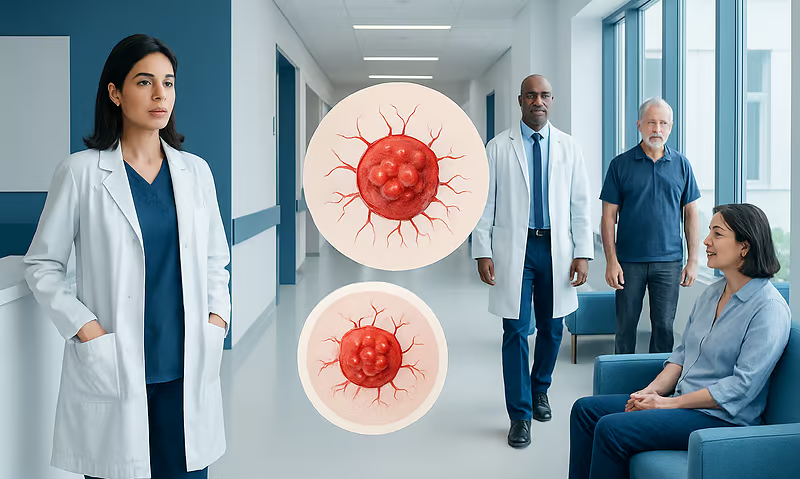
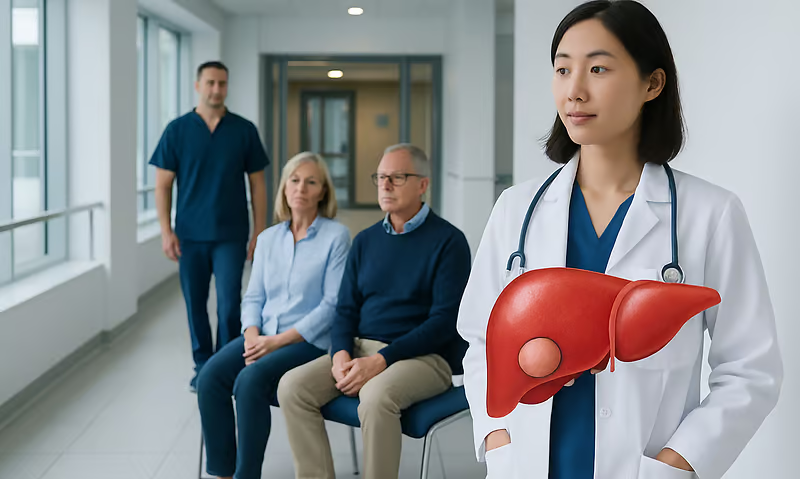
How to Choose the Right Cancer Doctor

The right cancer doctor often depends on the exact cancer type, stage, and treatment plan needed. Patients may work with several specialists, including medical, surgical, and radiation oncologists.
Key Takeaways
- The right cancer doctor often depends on the exact cancer type, stage, and treatment plan needed.
- Patients may work with several specialists, including medical, surgical, and radiation oncologists.
- Experience, board certification, hospital resources, and communication style all matter.
- A second opinion is common in cancer care and can help confirm the diagnosis and treatment plan.
- Practical factors such as location, language support, and insurance or travel planning should also be considered.
Choosing the right cancer doctor can help a patient feel informed, supported, and confident throughout treatment. The best fit usually depends on the type of cancer, the doctor’s expertise, communication style, and the strength of the wider care team.
Overview: What a Cancer Doctor Does
A cancer doctor is usually an oncologist, a physician who specializes in diagnosing and treating cancer. Depending on the person’s needs, this may include a medical oncologist, a surgical oncologist, a radiation oncologist, or another highly focused specialist such as a hematologist-oncologist. In many cases, care is not provided by one doctor alone but by a team working together to create a personalized plan.
Choosing the right cancer doctor is an important step because cancer treatment can involve many decisions over time. A good match may help a patient better understand the diagnosis, feel comfortable asking questions, and take an active role in care. The right doctor is not only knowledgeable about the disease but also able to explain options clearly and respectfully.
The best choice often depends on the exact cancer type, stage, general health, and treatment goals. Some patients need one main doctor who coordinates care, while others need several specialists at the same time. Looking at both medical expertise and personal comfort can make the selection process more manageable.
Types of Cancer Doctors and Specialists
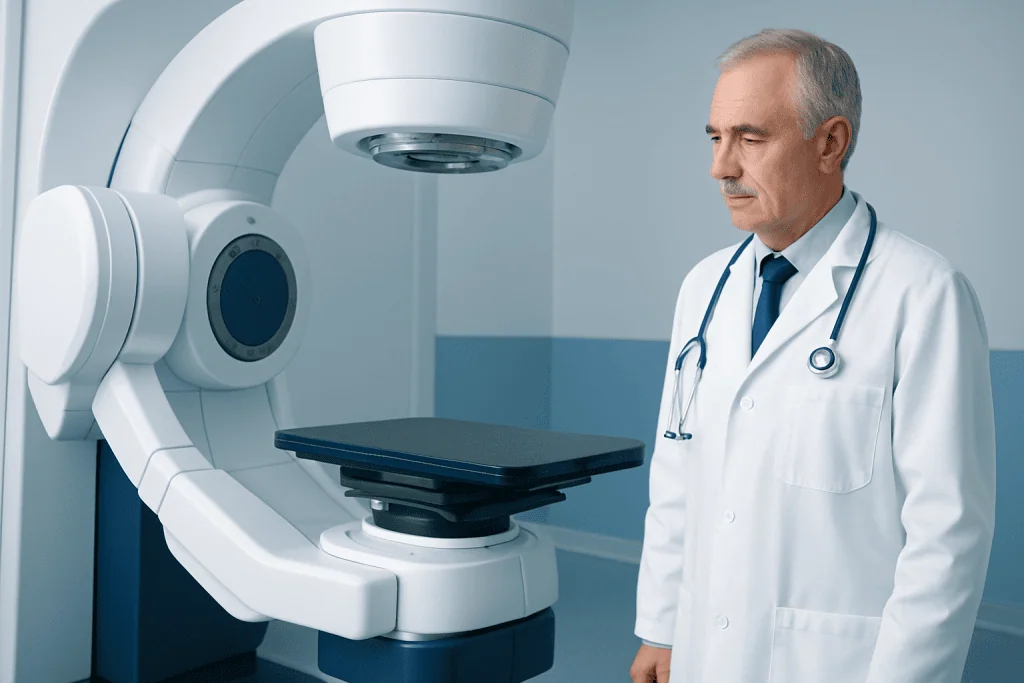
There are several kinds of cancer doctors, and each has a different role. A medical oncologist usually manages treatments such as chemotherapy, targeted therapy, immunotherapy, or hormone therapy. A surgical oncologist performs operations to remove tumors or obtain tissue for diagnosis. A radiation oncologist plans and delivers radiation treatment. Some cancers are also treated by organ-specific surgeons or specialists, such as thoracic surgeons, gynecologic oncologists, neuro-oncologists, or urologic oncologists.
Patients may also meet pathologists, radiologists, genetic counselors, oncology nurses, dietitians, psychologists, pain specialists, and rehabilitation experts. This broader cancer care team can be just as important as the main oncologist. Good cancer care often depends on how well these professionals communicate with one another and how smoothly treatment is coordinated.
For this reason, it helps to ask who will lead the care plan and who to contact with questions. Some hospitals use multidisciplinary tumor boards, where different specialists review a case together before recommending treatment. This team-based approach can be especially helpful in complex or uncommon cancers.
What to Look for in the Right Cancer Doctor

One of the first things to consider is expertise in the specific cancer type. A doctor who regularly treats the same or a similar cancer may be more familiar with current treatment approaches, side effects, and follow-up needs. It can be reasonable to ask how often the doctor treats that cancer and whether the hospital manages complex or advanced cases.
Board certification, specialist training, and access to modern diagnostic and treatment services are also important. Some patients may benefit from doctors at larger centers that offer advanced imaging, molecular testing, clinical trials, or highly specialized surgery. When treatment may involve several methods, coordinated access to chemotherapy, radiation therapy, and cancer surgery can support a more seamless experience.
Communication style matters as much as credentials. Patients often do best with a doctor who listens carefully, answers questions in understandable language, and discusses risks and benefits honestly. It is helpful if the doctor explains the purpose of each test or treatment, outlines next steps, and respects the patient’s values and preferences.
Practical issues should not be overlooked. Location, appointment availability, language services, after-hours support, insurance coverage, and help for international patients can all influence ongoing care. A doctor may be excellent medically, but regular treatment is easier when the system around that doctor is organized and accessible.
Questions to Ask at the First Appointment
The first consultation is a chance to learn about both the diagnosis and the doctor’s approach. Bringing medical records, pathology reports, imaging results, a medication list, and a written set of questions can make the visit more useful. Many patients also find it helpful to bring a family member or friend for support and note-taking.
Some practical questions include:
- What type of cancer is it, and what stage is it?
- Do more tests need to be done before treatment begins?
- What treatment options are recommended, and why?
- What are the possible benefits, side effects, and alternatives?
- Who will coordinate care if more than one specialist is involved?
- Will treatment affect daily activities, fertility, work, or travel?
- Are clinical trials or genetic tests relevant in this case?
It can also help to ask how urgent treatment is. Not every cancer decision has to be made immediately, and in some situations there is time to review options, seek another opinion, and think through preferences. A clear, calm explanation from the doctor can help reduce uncertainty and support better decision-making.
The Value of a Second Opinion
A second opinion is common in cancer care and is often encouraged, especially after a new diagnosis, before major surgery, or when treatment choices are complex. Another specialist may confirm the original plan, suggest additional testing, or present different options. This does not necessarily mean the first doctor was wrong; it can simply provide added confidence and clarity.
Second opinions can be particularly useful for rare cancers, unusual pathology findings, recurrent disease, or situations where more than one treatment approach may be reasonable. For example, some patients may want to understand whether an operation should come before medication treatment, or whether a less invasive option may be appropriate. In other cases, review of the biopsy or scans may refine the diagnosis.
Patients should not feel uncomfortable about requesting another opinion. Most experienced specialists understand that cancer decisions are important and personal. If helpful, the second opinion may come from a comprehensive cancer center or from a doctor with expertise in a specific condition such as breast cancer or lung cancer.
Hospital and Care Team Factors That Matter
The doctor is important, but the wider hospital environment also plays a major role in cancer care. A strong center usually offers coordinated diagnostics, pathology review, imaging, surgery, medical treatment, radiation treatment, supportive care, and rehabilitation. When services are well connected, patients may experience fewer delays and better continuity.
Supportive services can make treatment safer and more manageable. These may include nutrition counseling, symptom control, infection monitoring, psychological support, fertility counseling, palliative care, pain management, and survivorship planning. Access to these services can be especially valuable when treatment is intensive or prolonged.
Patients may also wish to ask whether care plans are reviewed by multidisciplinary teams and whether evidence-based guidelines are used. For some people, access to subspecialty expertise in areas such as prostate cancer or to advanced therapies like bone marrow transplantation may be relevant. Near the end of the decision process, some international patients choose centers such as Acibadem International, where multidisciplinary specialists and JCI-accredited hospitals provide diagnosis and treatment planning for cancer care.
Making the Final Decision
After gathering information, patients can compare doctors based on a few core points: expertise in the specific cancer, clarity of communication, trust, coordination of care, and practical accessibility. It may help to write down impressions after each visit. Feeling heard and respected is important, especially when treatment may continue for months or years.
There is not always one single “best” doctor for every person. A doctor may be highly experienced but far away, while another may offer excellent care closer to home with easier follow-up. The right choice often balances specialist knowledge with convenience, family support, financial considerations, and personal comfort.
If treatment needs change, the care team may change too. A patient might begin with one specialist for diagnosis, then add surgeons, radiation experts, rehabilitation professionals, or palliative care clinicians later on. This is a normal part of cancer care and does not mean anything is going wrong. The main goal is to ensure that the patient receives the right expertise at the right time.
When to Seek Help Promptly
Anyone with a new cancer diagnosis should arrange specialist follow-up without unnecessary delay, even if symptoms seem mild. It is also important to seek earlier review if there is rapid weight loss, uncontrolled pain, difficulty breathing, severe fatigue, bleeding, trouble swallowing, or signs of infection such as fever during treatment. These symptoms do not always indicate an emergency, but they should be assessed quickly.
Patients already under cancer care should contact their team if side effects are severe, if symptoms suddenly worsen, or if they are unsure whom to call after hours. Prompt communication can help prevent complications and may improve comfort and safety. Emergency symptoms such as chest pain, severe shortness of breath, confusion, or heavy bleeding need urgent medical attention.
For people who are still choosing a cancer doctor, it is reasonable to ask how urgent the next step is and what to do if symptoms change before treatment begins. Clear instructions about warning signs, contact numbers, and emergency planning are part of good cancer care.
Frequently asked questions
What kind of doctor treats cancer?
Several types of doctors may treat cancer. A medical oncologist manages drug treatments, a surgical oncologist performs cancer-related operations, and a radiation oncologist provides radiation therapy. Many patients are cared for by a team rather than by one doctor alone.
How do patients know if a cancer doctor is qualified?
Helpful signs include specialist training, board certification, experience with the specific cancer type, and work within a hospital that offers coordinated cancer services. Patients can also ask how often the doctor treats similar cases and whether care is discussed in multidisciplinary meetings. Clear communication and a respectful approach are also important.
Is it acceptable to get a second opinion?
Yes. A second opinion is a normal and often helpful part of cancer care, especially when treatment choices are complex or the diagnosis is rare. It can confirm the plan, identify other options, or simply give the patient greater confidence.
Should a patient choose the most famous doctor or the nearest one?
Not always. The best choice is usually the doctor or team with the right expertise, good communication, and practical access for ongoing treatment and follow-up. In many cases, balancing specialist knowledge with travel demands and support at home is more useful than focusing on reputation alone.
What questions should be asked at the first cancer appointment?
Patients can ask about the exact cancer type and stage, whether more tests are needed, what treatments are recommended, and what side effects to expect. It is also helpful to ask who will coordinate care, how urgent treatment is, and whom to contact with questions between visits. Bringing notes and medical records can make the discussion easier.
Does every patient need treatment at a large cancer center?
No. Many people receive excellent care closer to home, especially for common cancers with standard treatment pathways. However, large or specialized centers may be particularly valuable for rare cancers, complex surgery, advanced treatments, or when a second opinion is needed.
References
- World Health Organization
- National Cancer Institute
- American Society of Clinical Oncology
- European Society for Medical Oncology
- Centers for Disease Control and Prevention
This article is for general information only and is not a substitute for professional medical advice. Please consult a qualified doctor about your individual situation.
Oncology care in Turkey — second opinion and treatment plan
JCI-accredited · board-certified surgeons · reply within 24h
Add us as a Preferred Source to see more of our trusted health content across Google Search, AI Overviews and Discover.

Medical Oncology Department
Medical treatment of cancer with chemotherapy, immunotherapy and targeted therapies under a multidisciplinary tumor board.
60 specialists in this unit