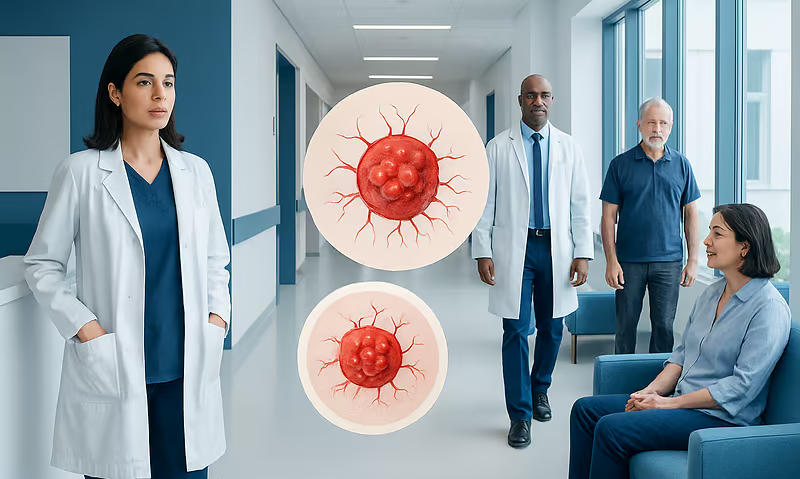
How to Prepare for Cancer Treatment: A Step-by-Step Guide

Preparing for cancer treatment includes understanding the diagnosis, treatment plan, and possible side effects. Bringing questions to appointments and keeping records can improve communication with the care team.
Key Takeaways
- Preparing for cancer treatment includes understanding the diagnosis, treatment plan, and possible side effects.
- Bringing questions to appointments and keeping records can improve communication with the care team.
- Practical planning for work, family, nutrition, finances, and transport can reduce stress during treatment.
- Emotional support from loved ones, counselors, or support groups is an important part of cancer care.
- Patients should contact their doctor promptly if they develop new symptoms, fever, severe pain, or trouble eating and drinking.
Cancer treatment preparation can help patients feel more informed, organized, and supported before therapy begins. A step-by-step plan may make it easier to manage appointments, symptoms, practical needs, and emotional wellbeing.
Overview: Why Preparation Matters
Starting cancer treatment can feel overwhelming. Many patients need time to process the diagnosis, understand their options, and make plans for everyday life during care. Preparation does not remove every uncertainty, but it can help patients feel more in control and better supported.
Cancer treatment preparation usually includes learning about the diagnosis, reviewing the treatment plan, arranging practical support, and discussing side effects. It may also involve baseline tests, dental checks for some therapies, fertility discussions when relevant, and conversations about work or caregiving responsibilities. These steps can help treatment begin more smoothly.
Every treatment plan is different. Some patients may have surgery first, while others start with chemotherapy, radiation therapy, targeted therapy, immunotherapy, or a combination approach. The exact preparation depends on the cancer type, stage, general health, and personal goals. The care team can explain what applies in each case.
Step 1: Understand the Diagnosis and Treatment Plan
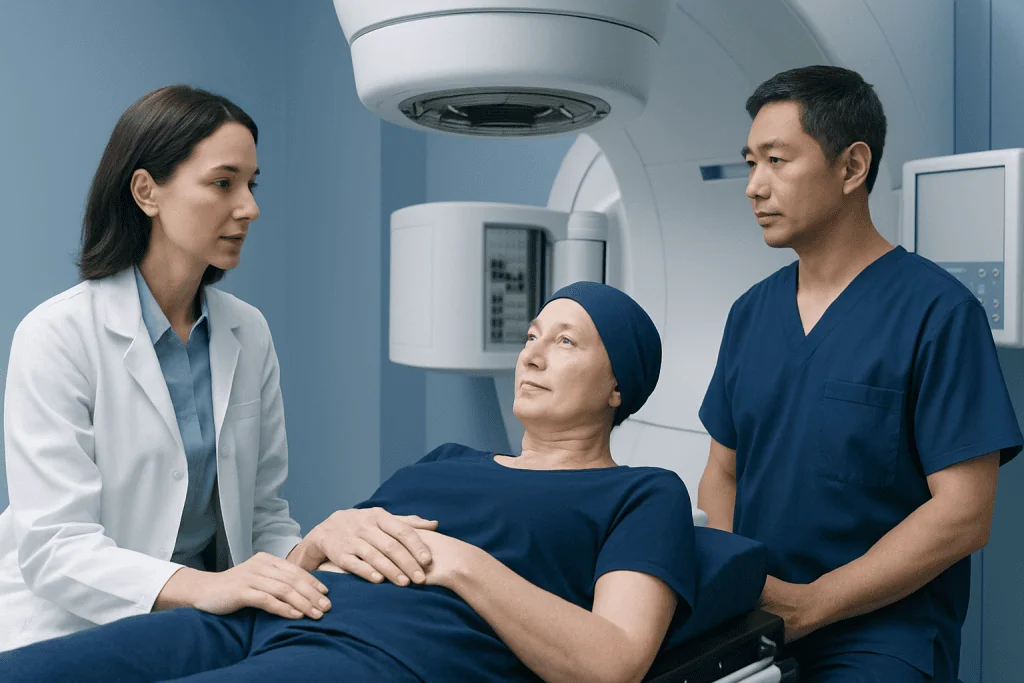
One of the first steps is making sure the diagnosis is clearly understood. Patients may ask what type of cancer they have, where it started, whether it has spread, and what stage it is. Knowing these details can help them understand why a certain treatment is being recommended.
It is often helpful to ask the care team to explain the goal of treatment. For some people, treatment aims to cure the cancer. For others, the goal may be to control the disease, shrink a tumor before surgery, relieve symptoms, or lower the chance of recurrence. Understanding the purpose of treatment can make decisions feel clearer.
Patients may also ask about the expected timeline, how treatment will be given, and which side effects are most likely. Bringing a family member or friend to appointments, taking notes, or using a written question list can make it easier to remember information. If any explanation is unclear, asking for simpler language is entirely appropriate.
Some patients may also benefit from learning about the specific treatment being proposed, such as radiotherapy or surgery. In some situations, the team may discuss a second opinion, especially if more than one treatment pathway is reasonable. Seeking clarity is a normal and helpful part of preparation.
Step 2: Get Ready for Medical Appointments and Tests

Before treatment begins, patients often need additional tests. These may include blood work, imaging scans, heart or lung function checks, and other assessments to make sure treatment is safe and properly planned. Some cancers also require biopsy review or molecular testing to guide therapy choices.
Keeping medical information organized can reduce stress. Many people find it useful to keep a folder or digital record with pathology reports, scan results, medication lists, allergies, insurance documents, and contact details for the treatment team. Having this information available is especially helpful if care involves more than one specialist.
At appointments, patients may want to ask practical questions such as:
- How long will each treatment session take?
- Will treatment require hospital admission or can it be done as an outpatient?
- What side effects should be reported right away?
- Are there any foods, supplements, or medications to avoid?
- Will vaccination, dental care, or infection screening be needed first?
Some treatments need extra planning. For example, surgery may require preoperative testing and fasting instructions, while certain systemic therapies may need a central line or port. If the plan involves cancer surgery, patients can ask how to prepare at home and what recovery is likely to involve.
Step 3: Plan for Side Effects and Daily Life
Thinking ahead about side effects can help patients feel more prepared. Not everyone has the same experience, and many side effects can be prevented or managed. Common concerns may include fatigue, nausea, appetite changes, hair loss, bowel changes, skin reactions, pain, sleep problems, or a higher risk of infection.
Patients may ask which side effects are common with their specific treatment and which warning signs need urgent attention. It can help to keep a thermometer at home, know how to contact the clinic after hours, and have a plan for getting help if symptoms worsen. Writing down symptoms each day may also support more precise care.
Preparation should also include everyday routines. Patients may need help with transport, meals, childcare, pet care, or household tasks, especially on treatment days. Planning ahead for time away from work or school can reduce last-minute pressure. Some people benefit from preparing simple meals in advance or arranging a support schedule with family and friends.
Daily self-care matters as well. Comfortable clothing, gentle physical activity when appropriate, good hydration, and enough rest may make treatment easier to tolerate. Patients should check with their team before starting new supplements, herbal products, or strict diets, since some can interfere with cancer therapies.
Step 4: Support Nutrition, Fertility, and Emotional Wellbeing
Nutrition is an important part of cancer treatment preparation. Some people begin treatment with reduced appetite, weight loss, swallowing problems, or digestive symptoms. A doctor or dietitian can help patients choose foods that are easier to tolerate and support strength. The goal is usually practical, balanced nourishment rather than a perfect diet.
Fertility is another topic that should be discussed before treatment starts when relevant. Some cancer therapies can affect the ability to have children in the future. Patients who may want this option later can ask early about fertility preservation, because certain steps need to happen before treatment begins.
Emotional preparation is just as important as medical preparation. It is common to feel fear, sadness, anger, or uncertainty after a cancer diagnosis. Speaking openly with loved ones, social workers, psychologists, spiritual counselors, or support groups can help. There is no single right way to cope, and asking for support is a sign of strength.
Some patients also find it helpful to learn more about their specific condition, such as breast cancer or another diagnosis discussed by the care team. Clear information from trusted medical sources can reduce confusion and help patients feel more confident in decision-making.
Step 5: Prepare Financially, Logistically, and Socially
Cancer treatment can affect schedules, finances, travel, and family routines. Early planning can make these challenges more manageable. Patients may want to ask about the estimated treatment schedule, follow-up visits, possible hospital stays, and whether they will need someone to accompany them after certain procedures.
Work-related planning is often important. Some people continue working during treatment, while others need modified duties or time away. A healthcare team member may be able to provide medical documentation for employers or schools. Social workers or patient navigators can also help identify practical resources.
Financial concerns are common and valid. Depending on the healthcare system, patients may need support understanding coverage, approvals, medications, travel costs, or rehabilitation needs. Asking for guidance early may prevent delays and reduce avoidable stress.
For people traveling abroad for care, planning may include medical records in English, accommodation, airport transfers, and post-treatment follow-up arrangements. Near the end of planning, some international patients choose centers such as Acibadem International, where multidisciplinary specialists in JCI-accredited hospitals diagnose and treat cancer and coordinate care across specialties.
Step 6: Know How to Stay Safe During Treatment
Patients should ask the care team exactly what safety measures apply to their treatment. Depending on the therapy, advice may include hand hygiene, avoiding close contact with people who are ill, caring for the skin, protecting the mouth, staying hydrated, or monitoring temperature. Safe preparation often means knowing what to expect before symptoms begin.
Medication safety is also essential. Patients should provide a full list of prescription medicines, over-the-counter products, vitamins, and herbal supplements. Some substances may interact with treatment or increase bleeding, infection risk, or organ stress. Medicines should not be started or stopped without checking with the oncology team.
It can help to prepare a small treatment-day bag with water, snacks if allowed, medical papers, a medication list, and comfort items. If fatigue is expected, arranging a ride home in advance may be wise. Patients undergoing complex treatment for conditions such as lung cancer may benefit from a written symptom plan with emergency contact numbers.
Good communication improves safety. Patients should tell the care team promptly about fever, chills, shortness of breath, chest pain, severe vomiting, uncontrolled diarrhea, bleeding, confusion, dehydration, or sudden worsening pain. Early attention can prevent complications and support uninterrupted treatment when possible.
When to Contact the Doctor Before or During Treatment
Patients should contact their doctor before treatment starts if they do not understand the plan, have new symptoms, are pregnant or may be pregnant, or are taking medicines or supplements that have not yet been reviewed. It is also important to report recent infections, dental problems, or major changes in health such as weight loss or severe weakness.
During treatment, urgent medical advice is needed for warning signs such as fever, breathing difficulty, chest pain, heavy bleeding, severe dehydration, fainting, confusion, or inability to eat or drink. Persistent vomiting, serious constipation or diarrhea, new rash, or uncontrolled pain should also be reported promptly. The exact threshold for concern may differ depending on the therapy.
Patients should never feel that they are bothering the team by asking questions. Good cancer care includes timely communication about symptoms, side effects, and concerns. Early reporting often leads to more effective symptom control and may help avoid emergency situations.
Regular follow-up remains important even after treatment begins. The oncology team may adjust medicines, recommend supportive care, or change the treatment schedule based on how the patient is feeling and how the cancer is responding. Ongoing preparation is part of safe, personalized care.
Frequently asked questions
What is the first thing to do when preparing for cancer treatment?
A helpful first step is to understand the diagnosis and the recommended treatment plan. Patients should ask what type of cancer they have, the treatment goal, and what side effects or lifestyle changes to expect. Writing down questions before appointments can make discussions easier.
Should a patient get a second opinion before starting treatment?
In many situations, a second opinion can be useful, especially if there is more than one possible treatment approach. It may confirm the plan or offer another perspective without delaying necessary care. Patients should discuss timing with their doctor so treatment is not postponed unnecessarily.
How can someone prepare their home for cancer treatment?
Simple steps can help, such as stocking easy-to-eat foods, organizing medicines, arranging transportation, and planning help with daily tasks. It may also be useful to create a comfortable resting area and keep emergency contact numbers nearby. These preparations can reduce stress on treatment days.
What questions should patients ask about side effects?
Patients can ask which side effects are common, which ones need urgent attention, and how symptoms can be prevented or relieved. It is also helpful to ask whether side effects may affect work, driving, exercise, or eating. Knowing what is expected often makes treatment feel less uncertain.
Can diet or supplements improve cancer treatment outcomes?
Good nutrition supports strength and recovery, but patients should be cautious about special diets or unproven supplements. Some supplements can interfere with cancer medicines or increase side effects. A doctor or dietitian can give advice that matches the person’s treatment and health needs.
Is emotional distress normal before cancer treatment?
Yes. Fear, sadness, anger, and uncertainty are common reactions to a cancer diagnosis and the start of treatment. Emotional support from family, counselors, support groups, or mental health professionals can be an important part of care.
When should a patient seek urgent help during cancer treatment?
Urgent medical help is needed for symptoms such as fever, trouble breathing, chest pain, heavy bleeding, severe vomiting, dehydration, confusion, or sudden worsening pain. Patients should follow the specific emergency instructions given by their oncology team. If they are unsure, it is safest to contact the doctor promptly.
References
- World Health Organization
- National Cancer Institute
- American Cancer Society
- European Society for Medical Oncology
- National Comprehensive Cancer Network
This article is for general information only and is not a substitute for professional medical advice. Please consult a qualified doctor about your individual situation.
Oncology care in Turkey — second opinion and treatment plan
JCI-accredited · board-certified surgeons · reply within 24h
Add us as a Preferred Source to see more of our trusted health content across Google Search, AI Overviews and Discover.

Medical Oncology Department
Medical treatment of cancer with chemotherapy, immunotherapy and targeted therapies under a multidisciplinary tumor board.
60 specialists in this unit