What Is an Oncologist? Types of Cancer Specialists Explained

An oncologist is a cancer specialist who helps diagnose, treat, and monitor cancer. There are several main types of oncologists, including medical, surgical, and radiation oncologists.
Key Takeaways
- An oncologist is a cancer specialist who helps diagnose, treat, and monitor cancer.
- There are several main types of oncologists, including medical, surgical, and radiation oncologists.
- Cancer care often involves a multidisciplinary team that may include pathologists, radiologists, and supportive care specialists.
- The right specialist depends on the cancer type, stage, treatment goals, and the patient’s overall health.
- Patients can ask about the doctor’s role, treatment plan, side effects, and follow-up care at each visit.
An oncologist is a doctor who specializes in diagnosing, treating, and helping monitor cancer. Because cancer care is often complex, several types of oncologists and related specialists may work together to guide treatment and support the patient at every stage.
Overview: what an oncologist does
An oncologist is a doctor with special training in cancer care. This specialist helps diagnose cancer, explain what the diagnosis means, recommend treatment options, and follow the patient during and after treatment. In many cases, an oncologist also coordinates care with other doctors so the patient receives a plan that is suited to the type of cancer and their overall health.
Cancer is not a single disease. It includes many different conditions that can affect almost any organ or tissue in the body. For that reason, cancer care often involves more than one type of specialist. A person may meet a medical oncologist for medicines, a surgical oncologist for an operation, or a radiation oncologist for radiation therapy. Some patients work with several of these experts at the same time.
Oncologists also help with important decisions before, during, and after treatment. They may order tests, discuss possible benefits and risks of treatment, monitor side effects, and check for signs that the cancer has responded or returned. Just as importantly, they help patients understand their choices and feel supported throughout the process.
Main types of oncologists
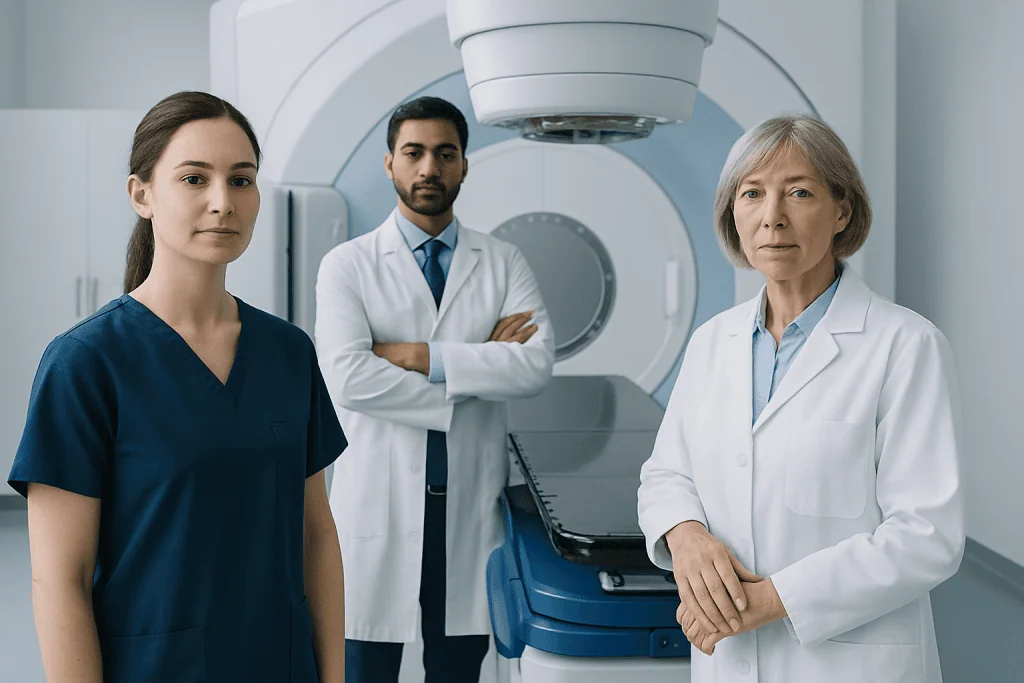
The three main types of oncologists are medical oncologists, surgical oncologists, and radiation oncologists. A medical oncologist treats cancer using medicines such as chemotherapy, immunotherapy, targeted therapy, hormone therapy, or other systemic treatments that travel through the body. This doctor often serves as the main coordinator of cancer care, especially when medication is a central part of treatment.
A surgical oncologist is a surgeon who specializes in removing tumors and nearby tissue when needed. Surgery may be used to diagnose cancer, determine its stage, remove as much cancer as possible, or relieve symptoms. In some cases, a patient may first meet a surgeon after an abnormal scan, biopsy result, or screening test suggests cancer.
A radiation oncologist treats cancer with carefully planned high-energy radiation. Radiation may be used to destroy cancer cells, shrink a tumor before surgery, lower the risk of cancer returning after surgery, or help control symptoms. Related specialists such as medical physicists and radiation therapists also play an important role in planning and delivering this treatment safely.
Depending on the situation, treatment may include radiation oncology, medical oncology care, or surgical oncology as part of one overall plan. Many patients receive a combination of therapies rather than just one.
Other cancer specialists on the care team

In addition to the main oncologist types, many other specialists may be involved in cancer care. A hematologist-oncologist treats blood cancers such as leukemia, lymphoma, and myeloma, as well as some blood disorders. Pediatric oncologists care for children and adolescents with cancer, while gynecologic oncologists focus on cancers of the female reproductive system.
Some specialists concentrate on a specific body area or cancer type. Examples include neuro-oncologists for cancers affecting the brain and nervous system, thoracic oncologists for lung and chest cancers, and urologic oncologists for cancers involving organs such as the kidney, bladder, or prostate. A patient with lung cancer or breast cancer may meet doctors with expertise in that particular disease.
Other experts are essential even if they are not always called oncologists. Pathologists examine biopsy samples under a microscope to confirm the diagnosis. Radiologists interpret imaging tests such as CT, MRI, PET, and ultrasound. Palliative care specialists help manage pain, fatigue, nausea, anxiety, and other symptoms, while nutritionists, psychologists, physiotherapists, and oncology nurses provide practical day-to-day support.
This team-based approach is often called multidisciplinary care. It aims to bring together the right expertise at the right time so treatment decisions are well informed, coordinated, and personalized.
When someone is referred to an oncologist
A person may be referred to an oncologist when there is a strong suspicion of cancer or when cancer has already been confirmed. Referral can happen after a screening test, a scan, blood work, a biopsy, or symptoms that need further investigation. Not every abnormal test means cancer, but an oncologist can help clarify what additional steps are needed.
During the first visit, the doctor usually reviews the patient’s medical history, symptoms, previous test results, and overall health. The oncologist may explain whether more tests are needed to confirm the diagnosis, find the exact type of cancer, or determine the stage. Staging describes how much cancer is present and whether it has spread, which is important for choosing treatment.
It can be helpful for patients to bring a list of medications, copies of test reports if available, and questions they want answered. Common questions include what type of cancer is suspected, what tests are needed, what the treatment goals are, and whether more than one specialist will be involved. Bringing a family member or friend can also make it easier to remember information and feel supported.
How oncologists diagnose and plan treatment
Oncologists use several tools to understand the cancer and build a treatment plan. These may include imaging tests, blood tests, endoscopy, bone marrow evaluation, and most importantly, biopsy. A biopsy provides tissue that can be examined to confirm whether cancer is present and to identify its specific features.
Today, treatment planning often goes beyond the location of the tumor alone. Doctors may also look at the cancer’s grade, stage, hormone receptors, gene changes, and other biomarkers. These details can help predict how the cancer may behave and which therapies are more likely to work. This is one reason why two people with the same general cancer type may receive different treatment recommendations.
The oncologist also considers the patient as a whole person. Age, other medical conditions, fertility wishes, daily functioning, personal priorities, and treatment preferences all matter. For some people, the goal is to cure the cancer. For others, the goal may be to control it for as long as possible, relieve symptoms, and maintain quality of life.
In many hospitals, treatment decisions are discussed in a tumor board meeting, where surgeons, medical oncologists, radiation oncologists, radiologists, pathologists, and other professionals review the case together. This collaborative process can help ensure that recommendations are balanced and evidence-based.
Treatment options an oncologist may recommend
Cancer treatment depends on the type, stage, and biology of the disease. Common options include surgery, radiation therapy, chemotherapy, immunotherapy, targeted therapy, hormone therapy, stem cell transplant for selected conditions, and supportive treatments to reduce symptoms or side effects. Some patients receive one treatment, while others need several in sequence or in combination.
A medical oncologist may recommend drug treatment before surgery to shrink a tumor, after surgery to reduce the chance of recurrence, or as the main treatment when cancer has spread. A radiation oncologist may suggest radiation alone or together with medicines. A surgical oncologist may remove the tumor, nearby lymph nodes, or tissue needed for diagnosis and staging. In selected cases, cancer treatment may also include newer approaches based on the tumor’s molecular features.
Supportive care is an important part of treatment, not a separate last step. It may include medicines for pain or nausea, nutritional support, emotional counseling, rehabilitation, and help managing fatigue or sleep problems. Good supportive care can improve comfort, daily functioning, and the ability to continue treatment when needed.
Clinical trials may also be discussed. These are carefully designed studies that test new treatments or new ways of using existing treatments. For some patients, a clinical trial may offer access to promising therapies while also helping advance cancer care for future patients.
Follow-up care, second opinions, and when to seek help
After treatment starts, oncologists monitor how well it is working and how the patient is feeling. Follow-up may include physical exams, blood tests, imaging, and discussion of side effects or changes in symptoms. Even after treatment ends, regular follow-up visits remain important to check recovery, look for signs of recurrence, and address long-term effects of treatment.
Second opinions are common in oncology and can be very helpful, especially for a new diagnosis, a rare cancer, or a complex treatment decision. Seeking another expert view does not usually delay care significantly when organized promptly, and it can help patients feel more confident in their plan. Many people find reassurance in hearing that two specialists agree on the same approach.
A person should contact their care team promptly if they develop new or worsening symptoms, uncontrolled pain, fever, breathing difficulty, bleeding, severe vomiting, dehydration, sudden weakness, or confusion during treatment. The oncology team can advise whether urgent assessment is needed. It is always appropriate to ask whom to call outside clinic hours.
For international patients who need coordinated cancer care, Acibadem International’s multidisciplinary specialists and JCI-accredited hospitals diagnose and treat many cancer types, with services designed to support evaluation, treatment planning, and follow-up.
Frequently asked questions
What is the difference between an oncologist and a hematologist?
An oncologist is a doctor who specializes in cancer, while a hematologist focuses on blood disorders. Some doctors are trained in both fields and are called hematologist-oncologists, especially when treating blood cancers such as leukemia or lymphoma.
Do all cancer patients need more than one oncologist?
Not always. Some patients are mainly treated by one specialist, while others need a team that includes medical, surgical, and radiation oncologists. The number of doctors involved depends on the cancer type, stage, and recommended treatment plan.
Can an oncologist diagnose cancer, or only treat it?
An oncologist can help diagnose cancer as well as treat it. They often review scans, blood tests, and biopsy results, and may order additional tests to confirm the diagnosis and determine the stage.
When should someone see an oncologist?
A person should see an oncologist if a doctor suspects cancer or if cancer has already been confirmed. Referral may follow an abnormal screening result, imaging test, biopsy, or symptoms that need specialized evaluation.
Is it normal to get a second opinion from another oncologist?
Yes, second opinions are very common in cancer care. They can help confirm the diagnosis, clarify treatment choices, and give patients more confidence before starting a major treatment.
What questions should a patient ask an oncologist?
Helpful questions include what type and stage of cancer is present, what the treatment options are, what the goals of treatment are, and what side effects to expect. Patients can also ask how treatment may affect daily life, fertility, work, travel, and follow-up care.
References
- World Health Organization
- National Cancer Institute
- American Society of Clinical Oncology
- Centers for Disease Control and Prevention
- National Comprehensive Cancer Network
This article is for general information only and is not a substitute for professional medical advice. Please consult a qualified doctor about your individual situation.
Oncology care in Turkey — second opinion and treatment plan
JCI-accredited · board-certified surgeons · reply within 24h
Add us as a Preferred Source to see more of our trusted health content across Google Search, AI Overviews and Discover.

Medical Oncology Department
Medical treatment of cancer with chemotherapy, immunotherapy and targeted therapies under a multidisciplinary tumor board.
60 specialists in this unit