

How to Find the Right Oncologist for Your Cancer Care

The right oncologist should have experience treating the patient’s specific cancer type and stage. Cancer care often involves a team, including medical, surgical, and radiation oncologists.
Key Takeaways
- The right oncologist should have experience treating the patient’s specific cancer type and stage.
- Cancer care often involves a team, including medical, surgical, and radiation oncologists.
- A second opinion is common in cancer care and can help confirm the diagnosis and treatment plan.
- Good communication matters: patients should feel heard, respected, and able to ask questions.
- Practical factors such as hospital resources, location, insurance, and support services also affect care decisions.
Finding the right oncologist can help a patient feel informed, supported, and confident about cancer care. The best fit usually combines the right medical expertise with clear communication, coordinated treatment planning, and access to the services a person may need during treatment and recovery.
Overview
Choosing an oncologist is an important part of cancer care. An oncologist is a doctor who specializes in diagnosing and treating cancer. The right match can help a patient understand the diagnosis, review treatment options clearly, and move through care with a sense of structure and support.
There is not one single “best” oncologist for every person. The best choice usually depends on the type of cancer, its stage, the treatments being considered, the hospital’s services, and the patient’s personal needs. Some people may prioritize access to highly specialized treatment, while others may focus on communication, convenience, or a multidisciplinary care team.
Many patients also find it helpful to learn how cancer care is organized. Treatment may involve more than one specialist, such as a medical oncologist, surgical oncologist, radiation oncologist, pathologist, radiologist, and supportive care team. Understanding these roles can make the process feel more manageable and help patients ask informed questions at each step.
Types of Oncologists and Cancer Specialists
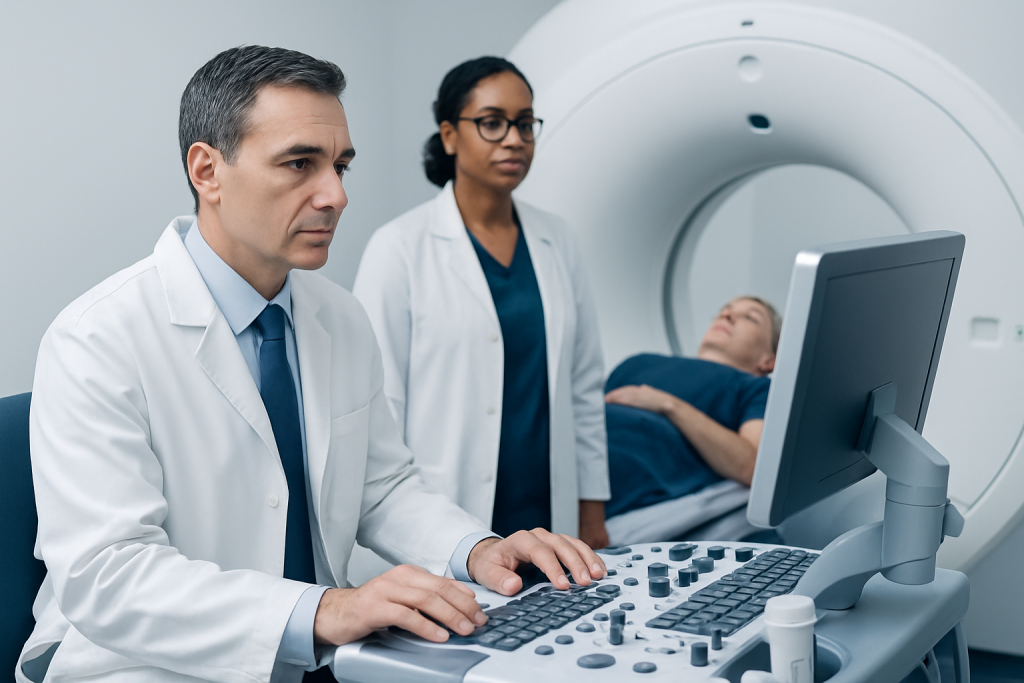
Oncology includes several different specialties. A medical oncologist usually leads treatment plans that involve medicines such as chemotherapy, targeted therapy, immunotherapy, or hormone therapy. A surgical oncologist performs operations to remove tumors or obtain tissue for diagnosis. A radiation oncologist plans and delivers radiation therapy when it is appropriate.
Depending on the cancer, a patient may also need other specialists. For example, hematologist-oncologists care for blood cancers, while gynecologic oncologists focus on cancers of the female reproductive system. Some hospitals also have organ-specific experts in areas such as breast, lung, gastrointestinal, liver, prostate, or pediatric cancers.
It can be useful to look for a doctor and hospital that regularly treat the same cancer type. Experience with a specific diagnosis may support more individualized treatment planning and better coordination with surgeons, imaging experts, pathologists, genetic counselors, and rehabilitation or supportive care professionals.
In many cases, decisions are made through a tumor board or multidisciplinary review. This means several specialists discuss the case together and recommend a coordinated plan. For patients, this team-based approach can be reassuring because it brings together different perspectives before treatment begins.
What to Look for in the Right Oncologist
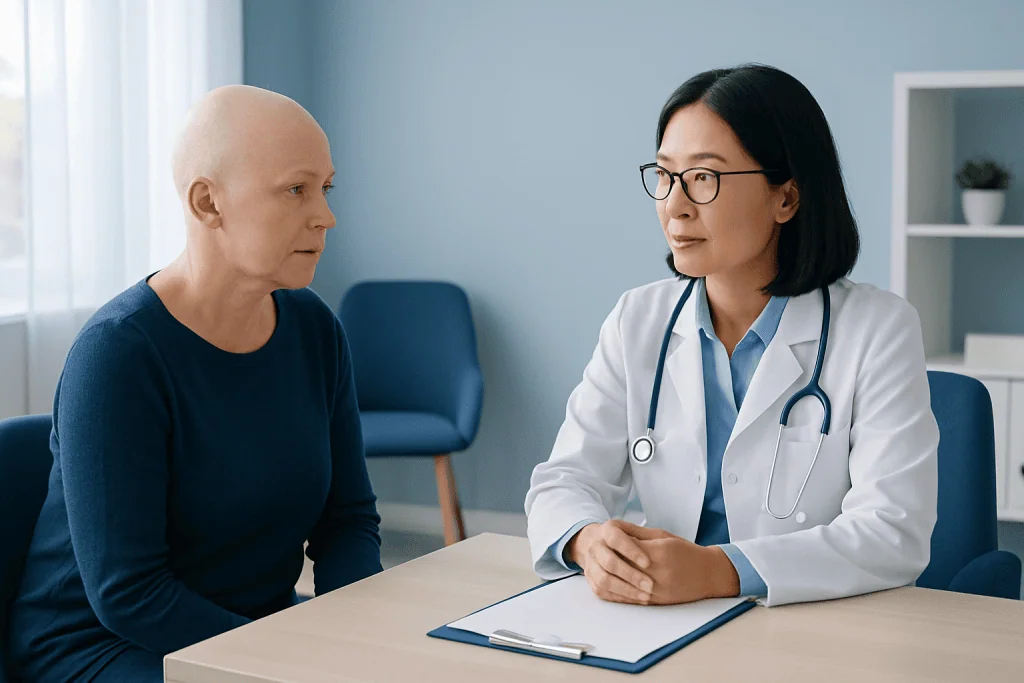
One of the first things to consider is whether the oncologist has experience with the patient’s exact cancer type and stage. Cancer care is increasingly personalized. Two people with the same general diagnosis may still need different treatment plans depending on biopsy results, molecular testing, overall health, and personal treatment goals.
Communication is also a key factor. The right oncologist should explain findings in language the patient can understand, answer questions honestly, and discuss benefits, risks, and alternatives without rushing. Many people feel more comfortable when the doctor listens carefully, respects their concerns, and includes family members or caregivers in conversations when desired.
Other practical details matter too. Patients may wish to ask whether the doctor is board certified, whether the hospital has advanced imaging and pathology services, and whether coordinated surgery, systemic therapy, and radiation therapy are available in one center. Access to supportive services such as pain management, nutrition counseling, psycho-oncology, palliative care, fertility counseling, and rehabilitation can also make a meaningful difference during treatment.
Finally, patients often benefit from considering logistics. Travel time, appointment availability, language support, insurance coverage, and options for remote follow-up can all affect daily life. A highly qualified oncologist is important, but so is a care system that a patient can realistically access and navigate.
Questions to Ask During the First Appointment
The first consultation can help a patient decide whether a doctor is the right fit. It may help to bring medical records, pathology reports, scan results, a list of medicines, and a written list of questions. Having a family member or trusted friend present can also make it easier to remember the information discussed.
Common questions include:
- What type and stage of cancer is this, and how certain is the diagnosis?
- Do I need more tests before making a treatment decision?
- What treatment options do you recommend, and why?
- What are the goals of treatment: cure, control, or symptom relief?
- What side effects are common, and how are they managed?
- Will my case be reviewed by a multidisciplinary team?
- Am I a candidate for surgery, radiation therapy, or systemic treatment?
- Should I consider genetic or molecular testing?
Patients may also want to ask how treatment will affect daily routines, work, exercise, fertility, sexual health, nutrition, and mental well-being. These topics are important parts of whole-person care, and a good oncology team should be ready to discuss them or refer to the right specialists.
It is usually a positive sign when the doctor encourages questions and helps the patient understand the next steps clearly. If a person leaves the appointment feeling confused, pressured, or unable to express concerns, it may be worth seeking another opinion before starting treatment.
Second Opinions, Diagnosis, and Treatment Planning
A second opinion is common in cancer care and can be especially helpful before starting a major treatment plan. It may confirm the diagnosis and recommended approach, or it may offer additional options such as a different surgical method, another medication strategy, or access to a specialized center. Seeking a second opinion generally does not mean a patient distrusts the first doctor; it is a standard step many people take when facing a serious diagnosis.
Before treatment begins, oncologists often review pathology, imaging, blood tests, and sometimes molecular or genetic testing. These details help define the cancer more precisely and guide personalized care. In some situations, further evaluation may be recommended to better understand the extent of disease or whether a targeted treatment is suitable.
Treatment planning may involve one or several methods. For some patients, surgery is the first step. For others, medicine-based treatment or radiation may come first. Certain cancers are managed with combined approaches, such as chemotherapy, radiation therapy, or cancer surgery in a planned sequence.
Patients may also hear terms related to a specific diagnosis, such as breast cancer or lung cancer, because treatment pathways differ by cancer type. The right oncologist should be able to explain why a particular plan is recommended and how it fits the patient’s condition, values, and priorities.
Hospital Resources and Support Services
The quality of cancer care is not only about one doctor. It is also about the hospital or cancer center where care is delivered. Patients may benefit from choosing a center with experienced pathology and imaging teams, coordinated surgical and medical services, infusion facilities, radiation technology, and intensive care or emergency support if needed.
Support services can play a major role during treatment and recovery. These may include symptom management, nutrition advice, psychology or counseling, social work, rehabilitation, and palliative care. Palliative care is often misunderstood; it is not only for end-of-life care. It can be introduced earlier to help manage pain, fatigue, nausea, anxiety, and other symptoms alongside active cancer treatment.
Clinical trials may also be worth asking about. Some patients may qualify for studies evaluating new medicines, combinations, or care strategies. Trial participation is not right for everyone, but discussing it with an experienced oncologist can help a patient understand all available options.
For international patients or those traveling for care, practical services can also matter. Translation support, help with medical records, coordinated appointments, and discharge planning may make treatment more manageable. Near the end of the decision process, some people choose centers such as Acibadem International, where multidisciplinary specialists in JCI-accredited hospitals diagnose and treat cancer for international patients.
When to Reconsider or Change Oncologists
Sometimes a patient starts care and later realizes the fit is not ideal. This can happen for many reasons, including communication problems, difficulty getting questions answered, concerns about coordination, or a desire for a doctor with more experience in a certain cancer type. Changing oncologists is sometimes appropriate and can be done respectfully.
Warning signs may include feeling consistently rushed, receiving unclear explanations, having trouble accessing test results or follow-up plans, or noticing poor coordination between specialists. A patient should also speak up if side effects are not being addressed or if personal goals and preferences are not being considered in the treatment plan.
It may help to request copies of records, pathology reports, and imaging before moving care. Many hospitals can transfer these directly. If treatment has already started, the new doctor can review what has been done and explain whether the current plan should continue or be adjusted.
Most importantly, patients should remember that they have a right to understand their diagnosis and participate in decisions. The right oncologist is not only knowledgeable, but also supportive, organized, and willing to work in partnership with the patient throughout treatment and follow-up.
Frequently asked questions
What is the difference between a medical oncologist, surgical oncologist, and radiation oncologist?
A medical oncologist treats cancer with medicines such as chemotherapy, immunotherapy, targeted therapy, or hormone therapy. A surgical oncologist performs procedures to remove tumors or obtain tissue samples, while a radiation oncologist uses radiation to treat cancer. Many patients see more than one of these specialists as part of a coordinated care plan.
How do patients know if an oncologist has the right experience?
It is reasonable to ask whether the doctor regularly treats the same cancer type and stage. Patients can also ask whether the case will be reviewed by a multidisciplinary team and whether the hospital offers specialized testing and treatments. Experience with a specific cancer often supports more tailored care.
Is it okay to get a second opinion before starting treatment?
Yes. Second opinions are common in oncology and can help confirm the diagnosis and treatment plan. They may also introduce additional options, especially for rare, complex, or advanced cancers.
Should patients choose the best hospital or the closest hospital?
Both quality and practicality matter. A specialized center may offer more expertise or treatment options, but travel time, support at home, follow-up access, and insurance coverage are also important. The best choice is often the center that combines appropriate expertise with realistic access to care.
What questions should a patient ask at the first oncology visit?
Helpful questions include the exact cancer type and stage, the goals of treatment, recommended options, expected side effects, and whether more tests are needed. Patients may also ask about timelines, recovery, fertility, work, emotional support, and who to contact between visits.
Can a patient change oncologists after treatment has started?
Yes, patients can change oncologists if they feel the fit is not right or if they want more specialized care. Medical records, pathology reports, and scans can usually be transferred to another doctor. A new oncologist can review the current plan and advise on the next steps.
References
- World Health Organization
- National Cancer Institute
- American Society of Clinical Oncology
- European Society for Medical Oncology
This article is for general information only and is not a substitute for professional medical advice. Please consult a qualified doctor about your individual situation.
Oncology care in Turkey — second opinion and treatment plan
JCI-accredited · board-certified surgeons · reply within 24h
Add us as a Preferred Source to see more of our trusted health content across Google Search, AI Overviews and Discover.

Medical Oncology Department
Medical treatment of cancer with chemotherapy, immunotherapy and targeted therapies under a multidisciplinary tumor board.
60 specialists in this unitMore from the Health Library

Related Specialists

Dr. Hasan İnsel
Internal Medicine
Dr. Ecem Yurdadoğan
Physical Medicine & Rehabilitation
Assoc. Prof. Dr. Çağlar Baysal
Gastroenterology
Dr. Alper Koçak
Gynecology & Obstetrics