Radiation Oncology: How Cancer Radiation Treatment Works
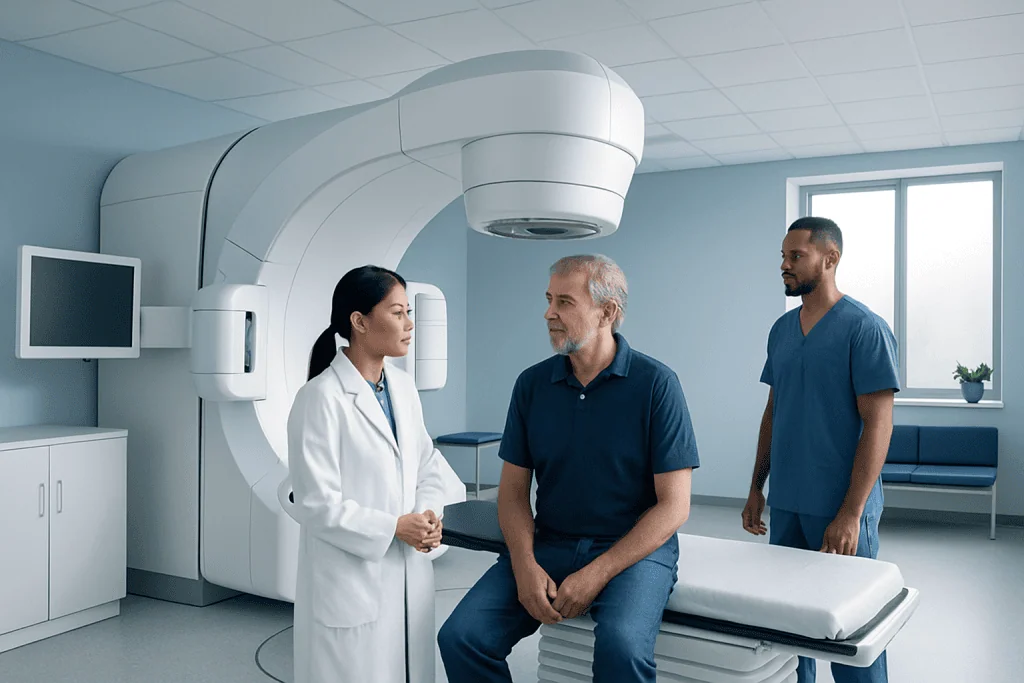
Radiation oncology uses high-energy radiation to damage cancer cells so they can no longer grow or divide normally. Treatment may be given alone or together with surgery, chemotherapy, targeted therapy, or other cancer treatments.
Key Takeaways
- Radiation oncology uses high-energy radiation to damage cancer cells so they can no longer grow or divide normally.
- Treatment may be given alone or together with surgery, chemotherapy, targeted therapy, or other cancer treatments.
- Common methods include external beam radiation therapy and internal radiation therapy, also called brachytherapy.
- Planning is detailed and personalized to protect nearby healthy tissues as much as possible.
- Side effects vary by the area treated and often improve after treatment ends.
- Regular follow-up helps monitor response, manage side effects, and support recovery.
Radiation oncology is the medical specialty that uses carefully planned radiation to treat cancer and, in some cases, relieve symptoms. Modern radiation therapy is highly precise and is usually part of a broader treatment plan that may also include surgery, chemotherapy, immunotherapy, or hormone therapy.
Overview of Radiation Oncology
Radiation oncology is the branch of medicine that treats cancer using carefully controlled doses of radiation. The goal is to damage the DNA inside cancer cells so they cannot keep growing and dividing. Because cancer cells are generally less able to repair this damage than healthy cells, radiation can help shrink or destroy tumors while normal tissues recover more effectively.
Radiation treatment may be used for many different cancers, including cancers of the breast, prostate, lung, brain, head and neck, cervix, rectum, and skin. It may be the main treatment, or it may be given before surgery to shrink a tumor, after surgery to reduce the chance of cancer returning, or together with medicines such as chemotherapy. In some situations, it is also used to ease symptoms like pain, bleeding, or pressure caused by advanced cancer.
Modern radiation oncology relies on detailed imaging, advanced computer planning, and teamwork. Radiation oncologists work closely with medical physicists, dosimetrists, radiation therapists, radiologists, surgeons, and medical oncologists. This team approach helps make treatment as precise, safe, and effective as possible for each person.
How Cancer Radiation Treatment Works
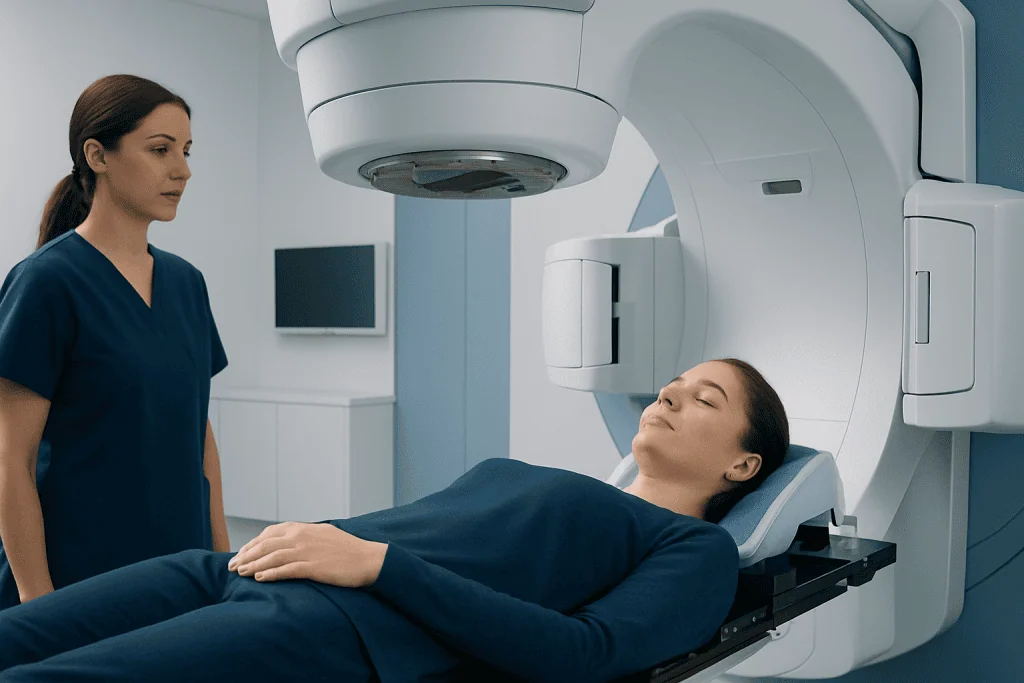
Radiation therapy works by delivering high-energy rays or particles to a specific area of the body. These beams create changes in the genetic material of cells. Cancer cells then lose the ability to reproduce normally and eventually die. The body gradually clears these damaged cells over time, so the effects of treatment are often not immediate.
Healthy cells in the treatment area can also be affected, but they usually recover better than cancer cells. To protect normal tissue, radiation oncology teams use highly detailed planning scans and treatment maps. Radiation is often divided into small daily doses called fractions. This allows healthy tissues time to repair between sessions while still giving a strong overall effect on the tumor.
Radiation may be given with curative intent, meaning the goal is to eliminate the cancer, or with palliative intent, meaning the goal is to reduce symptoms and improve comfort. In some cancers, radiation is combined with chemotherapy because certain medicines make cancer cells more sensitive to radiation. The exact approach depends on the cancer type, stage, location, and the person’s general health.
Types of Radiation Therapy
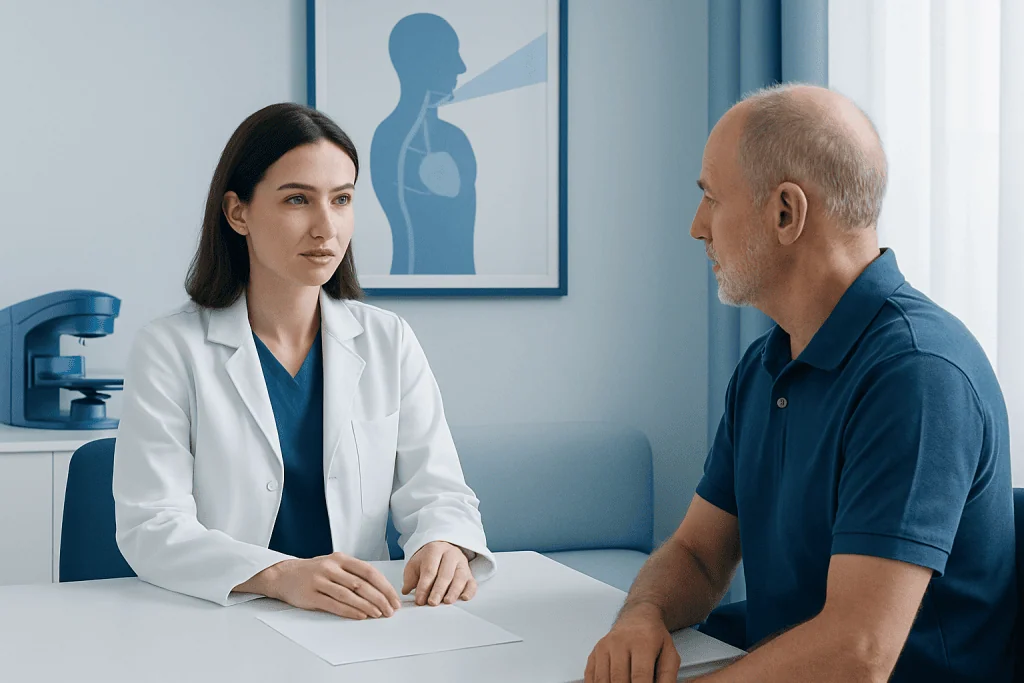
The most common form is external beam radiation therapy. In this method, a machine outside the body directs radiation at the tumor. Treatments are painless and usually take only a short time each day, although the setup and positioning are done very carefully. Techniques may include three-dimensional conformal radiation therapy, intensity-modulated radiation therapy, image-guided radiation therapy, stereotactic radiation therapy, or proton therapy, depending on the case.
Another option is internal radiation therapy, called brachytherapy. With brachytherapy, radioactive material is placed inside or very close to the tumor for a limited period or, in some cases, permanently at a low dose. This allows a high radiation dose to reach the cancer while reducing exposure to nearby tissues. Brachytherapy is often used for certain gynecologic, prostate, breast, and head and neck cancers.
Some people may receive systemic radiation therapy, where a radioactive substance is swallowed or injected and travels through the body to target specific cells. This is less common than external beam treatment and is used for selected cancers. The treatment plan may also be combined with surgery, such as after cancer surgery, or used for cancers like brain tumors where highly targeted radiation can play an important role.
When Radiation Oncology Is Used
Radiation therapy can be recommended at different points in cancer care. Before surgery, it may shrink a tumor and make removal easier. After surgery, it can lower the risk of cancer coming back in the same area by treating microscopic cancer cells that may remain. In other cases, radiation is the primary treatment because it can preserve the function of an organ or avoid a more extensive operation.
For some cancers, radiation is given at the same time as chemotherapy or other systemic treatment. This combined approach may improve control of the disease in selected situations, but it can also increase side effects, so treatment needs careful supervision. Radiation oncology is commonly part of care for conditions such as breast cancer and cancers of the prostate, cervix, rectum, and head and neck.
Radiation also has an important palliative role. If cancer causes pain from bone metastases, bleeding from a tumor, pressure on the spinal cord, or symptoms related to brain spread, radiation can often provide meaningful relief. Even when the goal is not cure, treatment may improve daily comfort and quality of life.
Planning, Simulation, and Diagnosis
Before treatment begins, the radiation oncology team carries out a planning process called simulation. This often includes a CT scan and may also involve MRI or PET imaging. These images help define the exact size, shape, and position of the tumor, as well as nearby organs that need protection. During simulation, special devices may be made to help the person stay in the same position for every session.
The doctor outlines the treatment area on the planning images, and a medical physicist and dosimetrist help design the dose and beam arrangement. This work is highly individualized. The plan aims to deliver enough radiation to control the cancer while limiting the dose to healthy tissues such as the bowel, lungs, spinal cord, salivary glands, or heart, depending on the area being treated.
Radiation oncology does not replace the need for a full cancer diagnosis. Biopsy results, laboratory tests, imaging studies, and staging all guide treatment decisions. In many cases, planning is discussed in a multidisciplinary tumor board. If needed, other treatments such as immunotherapy may also be considered as part of the overall cancer care plan.
What to Expect During Treatment and Possible Side Effects
Most external beam radiation treatments are given on an outpatient basis, usually five days a week over several weeks, although some courses are shorter. Each session is typically brief. The treatment itself is painless, and the person does not become radioactive after standard external beam therapy. For brachytherapy or systemic radiation, the care team explains any temporary safety precautions in advance.
Side effects depend mainly on the part of the body being treated, the total dose, and whether other therapies are given at the same time. Common general effects may include tiredness and skin irritation in the treated area. Radiation to the head and neck can cause mouth soreness, dry mouth, or difficulty swallowing. Chest treatment may cause a sore throat or cough, while abdominal or pelvic treatment may lead to nausea, diarrhea, bladder irritation, or changes in bowel habits.
Many side effects are temporary and can be managed with supportive care. The treatment team may suggest skin care measures, dietary changes, pain relief, hydration, rest, and medicines for nausea or bowel symptoms. Some effects can appear later, months or years after treatment, which is why follow-up is important. People should tell their care team about new or worsening symptoms rather than trying to manage them alone.
Recovery, Follow-Up, and Self-Care
Recovery after radiation therapy is gradual. Some people feel well during treatment, while others notice increasing fatigue or local irritation that improves after the course ends. Follow-up visits are used to assess healing, monitor side effects, and evaluate how the cancer has responded. Imaging or blood tests may be scheduled at intervals based on the cancer type.
Practical self-care can make treatment easier. Helpful measures include eating balanced meals, drinking enough fluids when advised, protecting the treated skin from sun and friction, getting regular gentle activity, and allowing time for rest. Smoking cessation is especially important because smoking can reduce healing and may affect treatment outcomes. Alcohol intake may also need to be limited, particularly if the head, neck, liver, or digestive tract is involved.
Emotional support matters as much as physical care. It is common to have questions about work, travel, sexuality, fertility, and family life during cancer treatment. Speaking openly with the care team can help people access dietitians, psychologists, rehabilitation specialists, pain experts, and social support services. Near the end of care planning, some international patients may choose centers such as Acibadem International, where multidisciplinary specialists in JCI-accredited hospitals diagnose and treat cancer with personalized radiation oncology services.
When to See a Doctor
Anyone with a new cancer diagnosis should discuss all appropriate treatment options with a qualified oncology team, including whether radiation therapy may be helpful. People who are already receiving radiation should keep regular appointments and report side effects early. Quick communication often makes symptoms easier to manage and helps treatment stay on schedule.
Medical advice should be sought promptly for severe pain, high fever, sudden shortness of breath, chest pain, uncontrolled vomiting, confusion, new weakness, heavy bleeding, dehydration, or inability to eat or drink. These symptoms are not always caused by radiation itself, but they need professional assessment. Concerns about skin reactions, swallowing difficulty, urinary symptoms, bowel changes, or worsening fatigue also deserve attention.
Long-term follow-up is also important after treatment is finished. Some cancers require ongoing surveillance for recurrence, and some people need monitoring for late effects. Staying in contact with a trusted cancer team helps support both recovery and long-term health.
Frequently asked questions
Is radiation therapy painful?
The treatment itself is usually painless. During external beam radiation, the person lies still while the machine delivers radiation from outside the body. Some side effects, such as skin irritation or soreness in the treated area, may develop over time, but the session itself generally does not hurt.
How long does radiation treatment take?
The overall course depends on the cancer type, treatment goal, and radiation technique. Some people have a short course over a few days, while others need treatment over several weeks. Each visit is usually brief, although planning and positioning are done carefully.
Does radiation therapy make a person radioactive?
Standard external beam radiation does not make a person radioactive, so it is generally safe to be around family members and others after treatment. Certain forms of internal or systemic radiation may require temporary precautions. The care team explains this clearly if it applies.
What are the most common side effects of radiation oncology treatment?
Common side effects include fatigue and changes in the skin or tissues in the treated area. Other effects depend on the location, such as mouth soreness with head and neck treatment or bowel changes with pelvic treatment. Many side effects are temporary and can be managed with medical support.
Can radiation therapy be used together with chemotherapy or surgery?
Yes, radiation is often combined with other cancer treatments. It may be used before or after surgery, or at the same time as chemotherapy in certain cancers. The best sequence depends on the tumor type, stage, and overall treatment goals.
Will radiation therapy cure cancer?
In some cases, radiation therapy is used with the goal of cure, either alone or as part of a combined treatment plan. In other situations, it is used to control the disease or relieve symptoms. The likely benefit depends on the cancer type, stage, and the person's general health.
References
- National Cancer Institute
- American Society for Radiation Oncology
- American Cancer Society
- National Health Service
- World Health Organization
This article is for general information only and is not a substitute for professional medical advice. Please consult a qualified doctor about your individual situation.
Oncology care in Turkey — second opinion and treatment plan
JCI-accredited · board-certified surgeons · reply within 24h
Add us as a Preferred Source to see more of our trusted health content across Google Search, AI Overviews and Discover.

Medical Oncology Department
Medical treatment of cancer with chemotherapy, immunotherapy and targeted therapies under a multidisciplinary tumor board.
60 specialists in this unit