Oncology Nurses: What They Do and How They Support Treatment
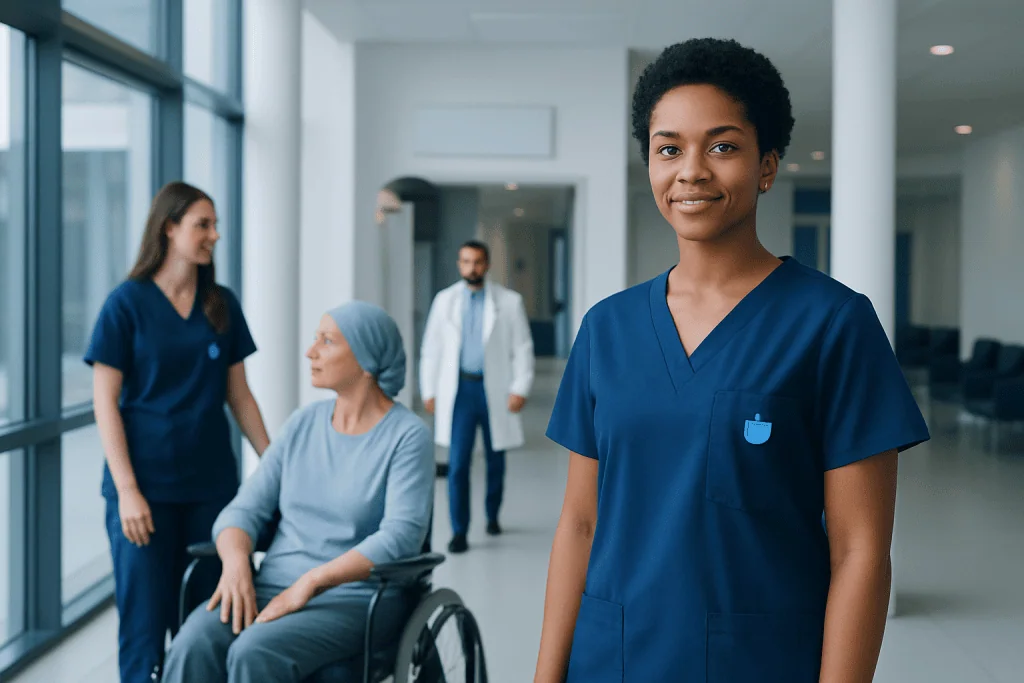
Oncology nurses are central members of the cancer care team and support patients across diagnosis, treatment, and follow-up. They provide practical care, symptom monitoring, treatment education, emotional support, and care coordination.
Key Takeaways
- Oncology nurses are central members of the cancer care team and support patients across diagnosis, treatment, and follow-up.
- They provide practical care, symptom monitoring, treatment education, emotional support, and care coordination.
- Oncology nurses may work in chemotherapy units, hospital wards, radiation departments, outpatient clinics, and palliative care settings.
- They help patients and families understand side effects, safety precautions, and when to seek urgent medical advice.
- Their role is both clinical and supportive, helping treatment run safely while keeping the person’s comfort and quality of life in focus.
Oncology nurses are specially trained nurses who care for people with cancer before, during, and after treatment. They help monitor symptoms, explain care plans, support daily needs, and work closely with the wider cancer care team.
Overview: Who Oncology Nurses Are
Oncology nurses are registered nurses with training and experience in caring for people with cancer. They work with patients at many points along the cancer journey, from the first tests and diagnosis to active treatment, recovery, long-term monitoring, and supportive or palliative care. Their role combines medical knowledge, practical nursing care, patient education, and emotional support.
Because cancer treatment can be complex, oncology nurses help patients understand what is happening and what to expect. They often explain how treatments are given, how to prepare for appointments, what side effects may happen, and what symptoms need urgent attention. This can make care feel more manageable for patients and families.
Oncology nurses work in different settings, including outpatient clinics, infusion centers, hospital wards, surgical units, radiation oncology departments, and home or supportive care services. Some care for adults, while others specialize in children or in specific cancer types. Others focus on procedures, symptom management, research, or nurse navigation.
What Oncology Nurses Do in Daily Cancer Care
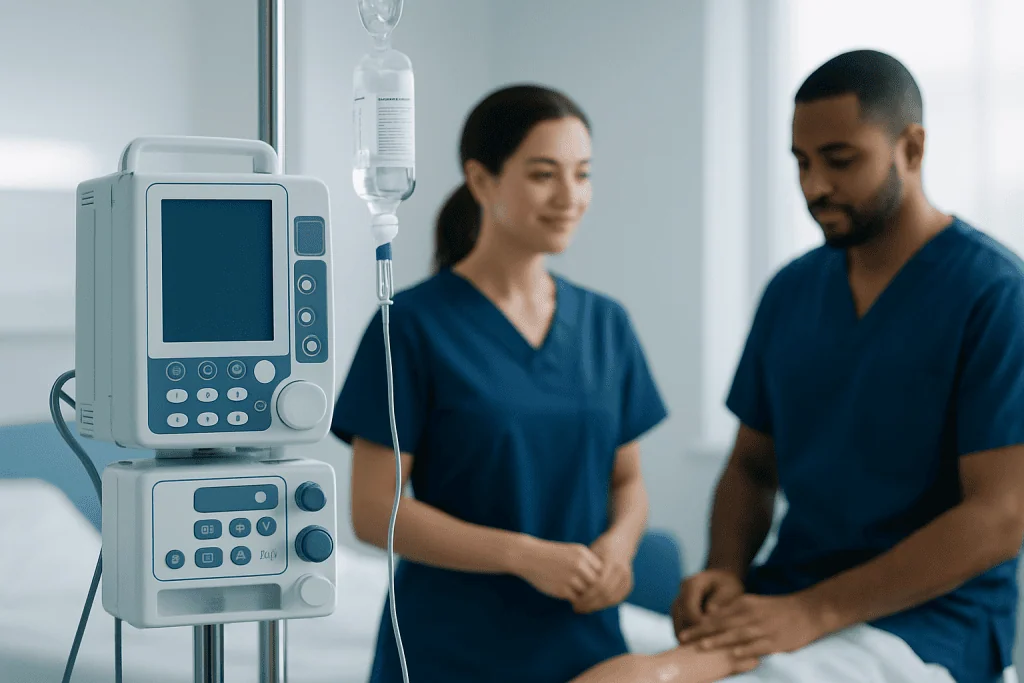
The daily work of oncology nurses depends on the treatment setting, but their overall goal is to help care happen safely, smoothly, and with compassion. They assess the patient’s condition, check vital signs, review symptoms, administer medicines and treatments as prescribed, and watch closely for changes that may need medical attention.
In chemotherapy and infusion units, oncology nurses prepare patients for treatment, confirm safety checks, place and care for intravenous access when appropriate, and monitor for reactions during treatment. In surgical and inpatient settings, they help with wound care, pain management, mobility, nutrition, and recovery after procedures. In radiation oncology, they may support skin care advice, fatigue management, and follow-up during treatment courses.
Education is a major part of the role. Oncology nurses explain topics such as infection prevention, hydration, nutrition, medication schedules, and side effects like nausea, fatigue, mouth sores, constipation, diarrhea, or numbness and tingling. They also help patients understand tests, scan appointments, blood work, and treatment timelines, whether someone is receiving chemotherapy or radiotherapy.
- Assess symptoms and overall wellbeing
- Administer treatments and supportive medicines
- Monitor for side effects and urgent complications
- Teach patients and families about home care
- Coordinate communication with doctors and other specialists
- Offer emotional support and practical guidance
How They Support Patients and Families
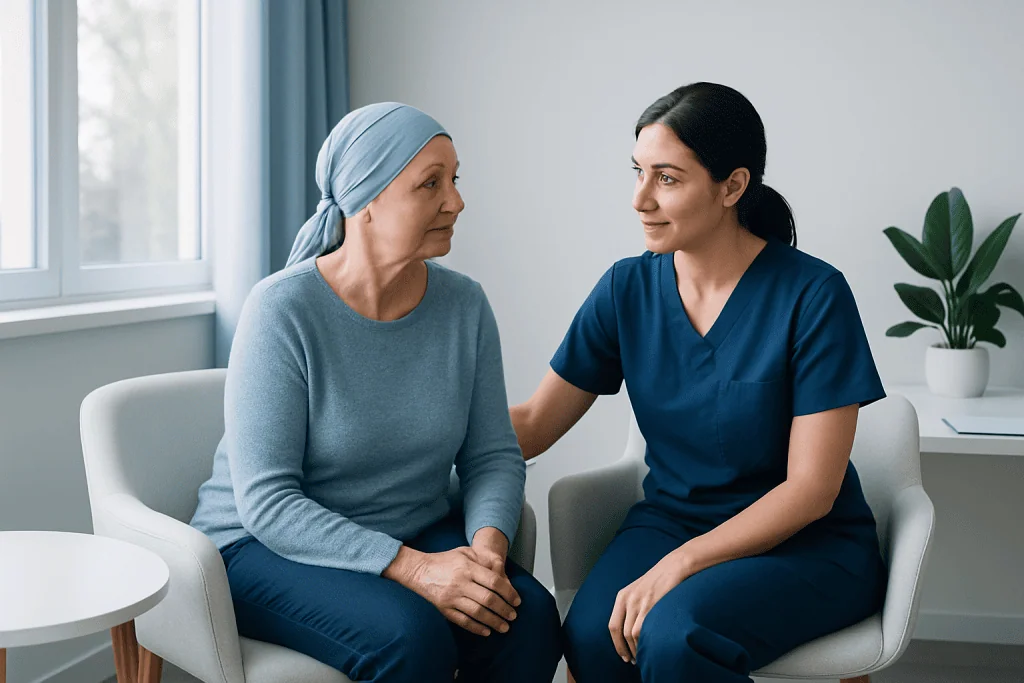
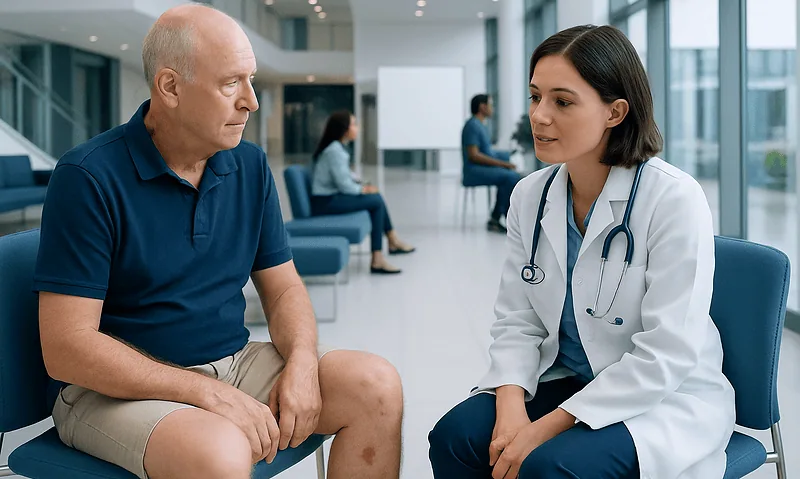
Cancer affects more than the body alone. It can also influence emotions, work, family life, sleep, appetite, and confidence. Oncology nurses support patients as people, not only as treatment recipients. They often listen to concerns, answer questions in understandable language, and help patients prepare for the next step in care.
Families and caregivers also benefit from this support. Oncology nurses may teach them how to help safely at home, what side effects are common, how to encourage eating and drinking, and how to spot signs that need prompt review. This can be especially helpful after hospital discharge or between treatment sessions.
Many oncology nurses also help patients connect with wider services, such as dietitians, psychologists, physiotherapists, social workers, palliative care teams, and financial or practical support services. If a patient is dealing with a specific diagnosis such as breast cancer or lung cancer, the nurse may help tailor education to the needs of that condition and its treatment plan.
Specialized Roles in Oncology Nursing
Not all oncology nurses do the same job. Some work directly at the bedside or in outpatient treatment units, while others have more specialized roles. Nurse navigators, for example, help patients move through the healthcare system by organizing appointments, clarifying the care pathway, and helping reduce delays or confusion.
Some oncology nurses specialize in systemic treatments such as immunotherapy or targeted therapies, where careful monitoring for side effects is essential. Others focus on surgical oncology, stem cell transplant care, research studies, survivorship programs, or palliative and end-of-life care. Advanced practice oncology nurses may also have additional responsibilities in assessment, prescribing according to local regulations, and care planning.
Pediatric oncology nurses care for children and adolescents with cancer and often support the whole family unit. They may help explain treatment in age-appropriate ways and work closely with schools and child life teams. Across all settings, the common thread is expert nursing care combined with close attention to safety, comfort, communication, and continuity.
Why Oncology Nurses Matter for Treatment Safety
Cancer treatments can affect healthy tissues as well as cancer cells, so careful monitoring is very important. Oncology nurses play a major role in recognizing early signs of side effects and helping the care team respond quickly. This may include watching for fever, dehydration, allergic reactions, changes in bowel habits, skin problems, shortness of breath, bleeding, confusion, or worsening pain.
They also help reduce treatment risks by checking medications, allergies, treatment orders, blood results, and device function before therapy is given. For patients with central lines or ports, nurses teach line care and monitor for infection or blockage. They may also explain how to handle body fluids safely at home after certain treatments, and what precautions are sensible around children, partners, or pets.
When patients know what is normal and what is not, treatment often becomes easier to manage. Oncology nurses help people understand which side effects can be observed at home and which need urgent medical contact. This guidance is especially important for people receiving intensive care plans, combined treatment approaches, or therapies such as cancer surgery followed by additional treatment.
Patient Education, Self-Care, and Recovery Support
One of the most valuable parts of oncology nursing is education that helps patients care for themselves between visits. Nurses may discuss rest, light activity, hydration, nutrition, oral care, skin care, medication routines, and ways to manage common symptoms. They can also advise patients to keep a symptom diary or bring a written list of questions to appointments.
Recovery support does not end when active treatment finishes. Some people continue to experience fatigue, emotional stress, nerve symptoms, sleep problems, appetite changes, or fear of recurrence. Oncology nurses help with follow-up planning, encourage attendance at scheduled reviews, and guide patients toward rehabilitation or supportive services when needed.
Patients are usually encouraged to contact their care team promptly if they develop a fever, cannot keep fluids down, have severe diarrhea or vomiting, feel suddenly short of breath, notice unusual bleeding, or have new severe pain. Early communication can help prevent complications. The exact advice may differ based on the person’s diagnosis, treatment type, and general health.
When to Speak With an Oncology Nurse or Doctor
Patients should feel comfortable contacting their oncology nurse whenever they are unsure about symptoms, medications, appointments, or home care instructions. A nurse is often one of the first professionals to assess a new problem and decide whether it can be managed with advice, needs a same-day review, or requires urgent emergency care.
It is especially important to seek prompt advice for fever, chills, chest pain, breathing difficulty, confusion, severe weakness, uncontrolled vomiting, dehydration, signs of infection, or sudden swelling and pain. Patients receiving treatment can become unwell quickly, and early assessment is safer than waiting.
Good cancer care depends on teamwork and clear communication. Near the end of the care pathway, some patients and families may also wish to learn more about supportive care planning, symptom relief, and quality of life. In multidisciplinary centers such as Acibadem International, oncology nurses work alongside medical, surgical, and radiation specialists in JCI-accredited hospitals to support international patients through diagnosis, treatment, and follow-up.
Frequently asked questions
What is an oncology nurse?
An oncology nurse is a registered nurse who cares for people with cancer. This nurse may support patients during testing, treatment, recovery, symptom management, and follow-up care.
Do oncology nurses give chemotherapy?
Many oncology nurses are trained to administer chemotherapy and other cancer medicines in approved settings. They also perform safety checks, monitor for reactions, and teach patients what to expect before and after treatment.
How do oncology nurses help with side effects?
Oncology nurses assess symptoms such as nausea, pain, fatigue, fever, or skin changes and guide patients on what to do next. They may provide practical self-care advice, arrange medical review, or help the doctor adjust the care plan when needed.
Can family members speak with the oncology nurse too?
Yes, family members and caregivers often speak with oncology nurses, especially when helping at home. The nurse can explain care instructions, warning signs, and ways to support the patient safely and confidently.
Are oncology nurses involved after treatment ends?
Yes, they may continue to support follow-up visits, survivorship care, symptom monitoring, and recovery planning. Some patients need ongoing help with fatigue, nutrition, emotional wellbeing, or late effects of treatment.
When should a patient call the oncology team urgently?
Patients should seek urgent advice for fever, chills, breathing problems, chest pain, unusual bleeding, severe vomiting or diarrhea, dehydration, confusion, or sudden worsening pain. The exact instructions can vary, so it is important to follow the guidance given by the treating team.
References
- World Health Organization
- National Cancer Institute
- American Cancer Society
- Oncology Nursing Society
- European Society for Medical Oncology
This article is for general information only and is not a substitute for professional medical advice. Please consult a qualified doctor about your individual situation.
Oncology care in Turkey — second opinion and treatment plan
JCI-accredited · board-certified surgeons · reply within 24h
Add us as a Preferred Source to see more of our trusted health content across Google Search, AI Overviews and Discover.

Medical Oncology Department
Medical treatment of cancer with chemotherapy, immunotherapy and targeted therapies under a multidisciplinary tumor board.
60 specialists in this unit