What Is an Oncologist? How Cancer Doctors Diagnose and Treat Cancer
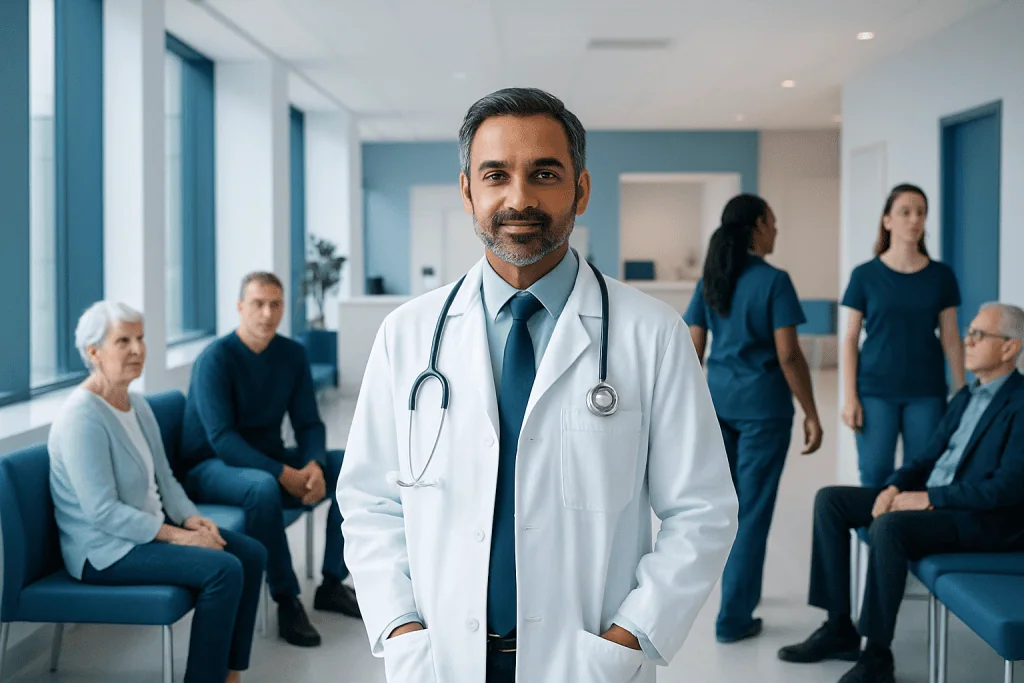
An oncologist is a physician trained to diagnose, treat, and monitor cancer. There are different types of oncologists, including medical, surgical, and radiation oncologists.
Key Takeaways
- An oncologist is a physician trained to diagnose, treat, and monitor cancer.
- There are different types of oncologists, including medical, surgical, and radiation oncologists.
- Cancer care usually involves a team approach that may include imaging, pathology, surgery, and supportive services.
- Treatment plans are personalized based on cancer type, stage, overall health, and patient preferences.
- Early evaluation of concerning symptoms can help speed diagnosis and treatment planning.
An oncologist is a doctor who specializes in diagnosing and treating cancer. These specialists often work in multidisciplinary teams to guide patients through testing, treatment, follow-up, and supportive care.
Overview: What Is an Oncologist?
An oncologist is a doctor who specializes in cancer care. This includes helping diagnose cancer, explaining what the diagnosis means, recommending treatment options, coordinating care with other specialists, and monitoring a person during and after treatment. Many people use the term “cancer doctor” to describe an oncologist, but in practice there are several oncology specialties with different roles.
Cancer care is often complex, so oncologists usually work as part of a multidisciplinary team. Depending on the type of cancer, this team may include radiologists, pathologists, surgeons, nurses, genetic counselors, pain specialists, nutrition professionals, psychologists, and rehabilitation experts. The goal is to create a treatment plan that is accurate, individualized, and as supportive as possible.
Not every person with suspected cancer sees only one oncologist. A patient may meet different specialists at different stages of care. For example, one doctor may confirm the diagnosis, another may perform surgery, and another may manage medicines such as chemotherapy, immunotherapy, or targeted therapy. Together, these specialists help guide treatment decisions and follow-up over time.
Types of Oncologists and What They Do
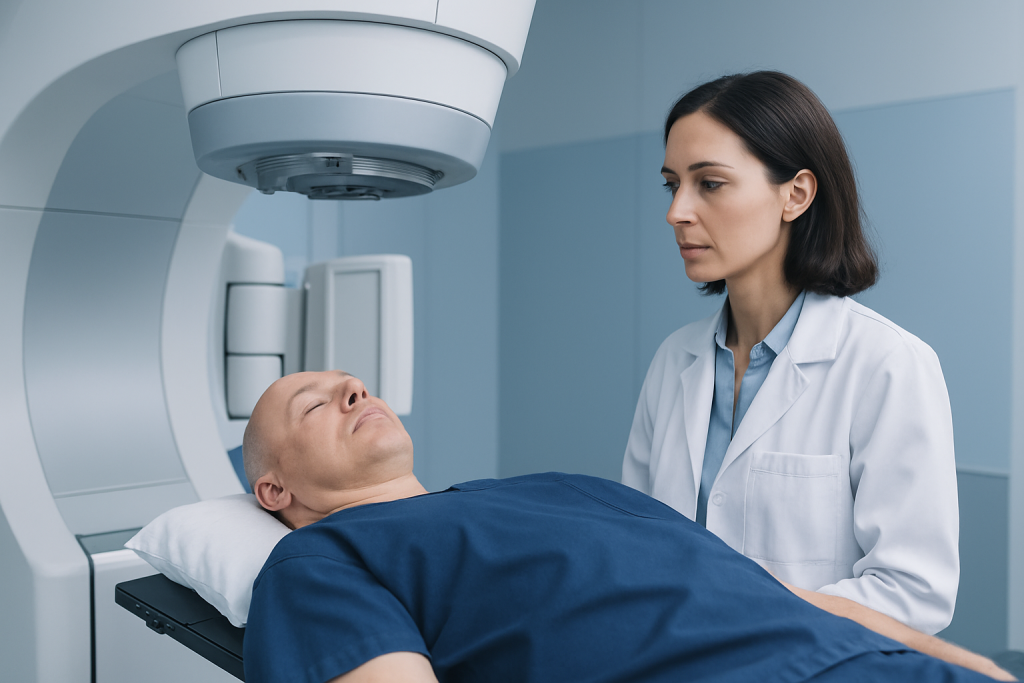
There are several main types of oncologists. A medical oncologist treats cancer with medicines such as chemotherapy, hormone therapy, immunotherapy, and targeted therapy. This specialist often helps coordinate the overall treatment plan, especially when medication is a major part of care.
A surgical oncologist performs operations to diagnose or remove tumors. Surgery may be used to take a biopsy, confirm the cancer type, determine how far the cancer has spread, or remove the cancer completely when possible. A radiation oncologist plans and delivers radiation therapy, which uses carefully targeted high-energy beams to destroy cancer cells or shrink tumors.
Some oncologists have additional subspecialty training. Examples include pediatric oncologists for children, gynecologic oncologists for cancers of the female reproductive system, hematologist-oncologists for blood cancers, and neuro-oncologists for cancers affecting the brain or nervous system. Depending on the case, patients may also meet specialists in chemotherapy, radiotherapy, or immunotherapy as part of a broader care plan.
- Medical oncologist: treats cancer mainly with medicines
- Surgical oncologist: removes tumors and performs biopsies
- Radiation oncologist: uses radiation therapy to treat cancer
- Hematologist-oncologist: manages blood cancers such as leukemia and lymphoma
- Pediatric oncologist: treats cancers in children and adolescents
When Someone May Need to See an Oncologist
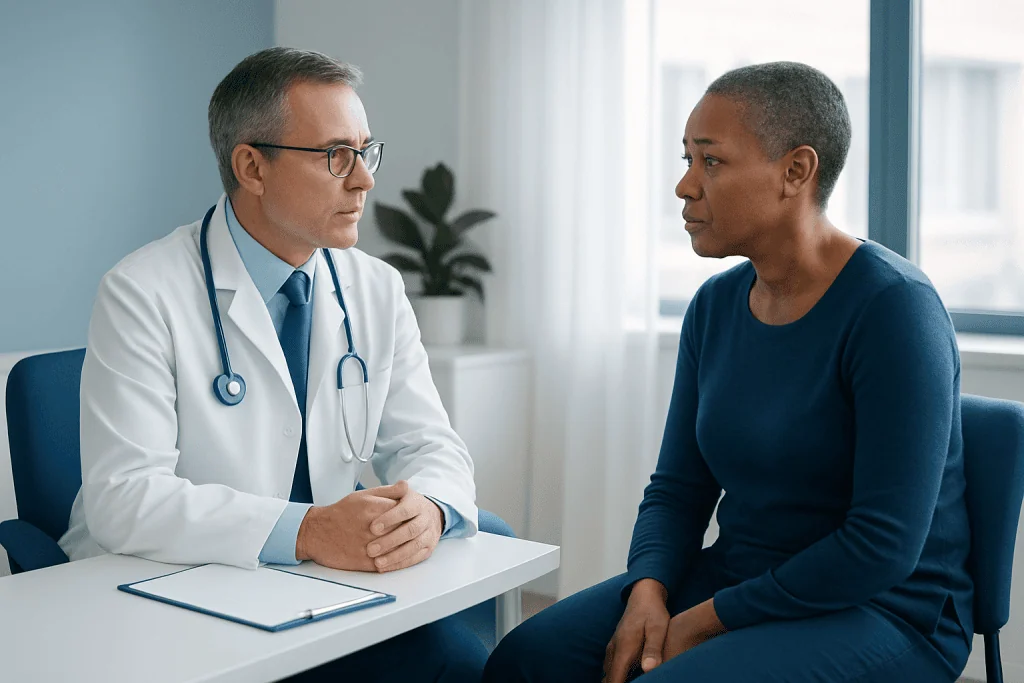
A person may be referred to an oncologist when a doctor finds a suspicious lump, abnormal imaging result, unusual blood test, or biopsy suggesting cancer. Sometimes the referral happens after symptoms lead to testing. In other cases, cancer is found during screening, such as a mammogram, colonoscopy, Pap test, or low-dose CT scan for certain people at high risk.
Symptoms that may prompt further evaluation can vary widely depending on the organ involved. They may include unexplained weight loss, ongoing fatigue, a new lump, changes in the skin or a mole, unusual bleeding, persistent cough, a change in bowel habits, difficulty swallowing, or pain that does not improve. These symptoms do not always mean cancer, but they should be assessed when they are persistent or unexplained.
In some situations, a person may see an oncologist even before a diagnosis is confirmed, especially if early specialist input may help speed testing and treatment planning. People with a strong family history of cancer or known inherited cancer syndromes may also be referred for assessment, counseling, and guidance about prevention or screening.
How Oncologists Diagnose Cancer
Diagnosing cancer usually begins with a careful review of symptoms, medical history, family history, and a physical examination. The oncologist or referring doctor may then order tests to learn more about what is happening in the body. Common steps include blood tests, imaging scans, and procedures that allow doctors to collect a tissue sample.
A biopsy is often the most important step because it can confirm whether cancer is present. During a biopsy, a small piece of tissue is removed and examined by a pathologist under a microscope. This helps identify the exact cancer type, how aggressive it appears, and whether special markers are present that may guide treatment. Imaging tests such as ultrasound, CT, MRI, or PET scans can help show the size and location of a tumor and whether it may have spread.
After cancer is confirmed, oncologists determine the stage. Staging describes how much cancer is in the body and whether it is limited to one area or has spread to nearby tissues or distant organs. This is different from grading, which refers to how abnormal the cancer cells look. Together, the cancer type, stage, grade, molecular features, and the person’s overall health help shape the treatment plan.
For some cancers, additional tests may look for gene mutations or protein markers in the tumor. These results can help doctors decide whether therapies such as targeted treatment or immunotherapy are likely to be helpful. The diagnostic process may feel overwhelming, but each step is meant to make treatment as precise and appropriate as possible.
How Oncologists Treat Cancer
Cancer treatment is highly individualized. An oncologist considers the cancer type, stage, location, growth pattern, molecular features, symptoms, age, general health, and the patient’s goals before recommending treatment. In many cases, more than one treatment method is used. For example, surgery may remove a tumor, followed by medication or radiation therapy to lower the chance of recurrence.
Common treatment options include surgery, chemotherapy, radiation therapy, immunotherapy, targeted therapy, hormone therapy, and in some cases stem cell transplantation. Some people receive treatment before surgery to shrink a tumor, while others receive treatment after surgery to destroy remaining cancer cells. In advanced cancer, treatment may aim to control disease, relieve symptoms, and support quality of life for as long as possible.
Supportive care is also an important part of oncology. This may include treatment for pain, nausea, fatigue, anemia, appetite changes, emotional stress, or treatment-related side effects. Nutrition support, rehabilitation, counseling, fertility guidance, and palliative care can all be part of comprehensive cancer management. Palliative care is not limited to end-of-life care; it can be used at any stage to improve comfort and daily functioning.
When surgery is needed, some patients may be referred for cancer surgery. Oncologists may also coordinate care for specific conditions such as breast cancer or lung cancer, depending on where the cancer started and which specialists are required.
What to Expect at an Oncology Appointment
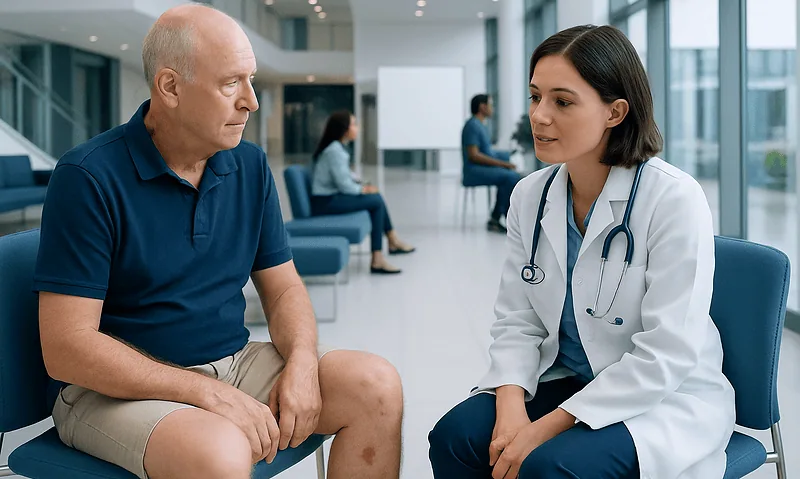
The first oncology appointment often focuses on understanding the diagnosis and discussing the next steps. The doctor usually reviews test results, explains the type and stage of cancer if known, and outlines whether more testing is needed. Patients may also talk about symptoms, current medications, other health conditions, allergies, and any personal concerns about treatment.
It is common for patients to feel that there is a lot of information to absorb. Bringing a family member or friend, writing down questions in advance, and asking for explanations in simple language can help. Many people want to know the goal of treatment, available options, possible side effects, how long treatment may last, and what daily life might look like during care.
Oncologists usually discuss both benefits and risks of each option. In some situations, they may recommend seeking a second opinion, especially if the diagnosis is uncommon or there are several possible treatment paths. A second opinion can provide reassurance and may help patients feel more confident about their decisions.
Follow-Up Care, Prevention, and Self-Care
After treatment begins, oncologists continue to monitor response and manage side effects. This may involve repeat imaging, blood tests, physical examinations, and regular follow-up visits. When treatment is completed, follow-up care remains important to watch for recurrence, detect long-term effects, and support recovery.
Self-care during cancer treatment should be practical and realistic. Rest, balanced meals, hydration, gentle physical activity when appropriate, and careful infection prevention can all support well-being. Patients should promptly report new symptoms or side effects rather than trying to manage them alone. Emotional support also matters, whether through loved ones, counseling, support groups, or faith and community resources.
Not all cancers can be prevented, but some healthy habits can lower risk. These include not smoking, limiting alcohol, maintaining a healthy weight, staying physically active, protecting the skin from excessive sun exposure, receiving recommended vaccines, and following age-appropriate cancer screening advice. People with a strong family history may benefit from genetic counseling and earlier or more frequent screening.
Near the end of the care journey or during long-term follow-up, some patients choose centers that can coordinate multiple specialties in one place. Acibadem International’s multidisciplinary specialists and JCI-accredited hospitals diagnose and treat cancer for international patients, with care plans tailored to the individual’s condition and needs.
When to See a Doctor
People should see a doctor if they notice symptoms that are persistent, unexplained, or worsening. Examples include a new lump, unexplained bleeding, significant fatigue, unexplained weight loss, a lasting cough, changes in bowel or bladder habits, or sores that do not heal. These symptoms often have causes other than cancer, but it is important not to ignore them.
It is also wise to seek medical advice if a screening test comes back abnormal or if there is a strong family history of cancer. Early assessment can help clarify the cause and, when necessary, allow treatment to begin sooner. Anyone who has been diagnosed with cancer should contact their care team promptly for severe pain, breathing difficulty, fever during treatment, dehydration, or side effects that make eating, drinking, or daily activities difficult.
A calm, timely medical evaluation is the best next step when there are concerns about cancer. Oncologists and their teams are trained not only to treat disease but also to explain findings clearly and support patients through each phase of care.
Frequently asked questions
What is the difference between an oncologist and a hematologist?
An oncologist treats cancer, while a hematologist specializes in blood disorders. Some doctors are trained in both areas and are called hematologist-oncologists, especially when treating blood cancers such as leukemia, lymphoma, and myeloma.
Do all cancer patients need more than one oncologist?
Not always, but many patients do see more than one specialist. For example, one person may have a medical oncologist for medicines, a surgical oncologist for an operation, and a radiation oncologist for radiation therapy.
Can an oncologist diagnose cancer without a biopsy?
In many cases, a biopsy is needed to confirm cancer and identify the exact type. However, imaging and blood tests may strongly suggest cancer and help doctors decide which biopsy or procedure is most appropriate.
What questions should someone ask at the first oncology visit?
Helpful questions include what type of cancer is suspected or confirmed, whether more tests are needed, what the treatment goal is, what options are available, and what side effects may occur. It can also help to ask how treatment may affect daily life and when to contact the care team urgently.
Does seeing an oncologist always mean a person has cancer?
No. Some people are referred because a test result looks suspicious and needs expert evaluation. An oncologist may help arrange further testing and explain whether cancer is present or whether another condition is causing the findings.
How often will a patient see an oncologist during treatment?
The schedule depends on the cancer type and treatment plan. Some patients have frequent visits during active treatment, followed by less frequent follow-up visits once treatment is completed and recovery is underway.
References
- World Health Organization
- National Cancer Institute
- American Society of Clinical Oncology
- U.S. National Library of Medicine
- European Society for Medical Oncology
This article is for general information only and is not a substitute for professional medical advice. Please consult a qualified doctor about your individual situation.
Oncology care in Turkey — second opinion and treatment plan
JCI-accredited · board-certified surgeons · reply within 24h
Add us as a Preferred Source to see more of our trusted health content across Google Search, AI Overviews and Discover.

Medical Oncology Department
Medical treatment of cancer with chemotherapy, immunotherapy and targeted therapies under a multidisciplinary tumor board.
60 specialists in this unit