What Does Radiation Oncology Mean? How It Fits Into Cancer Treatment
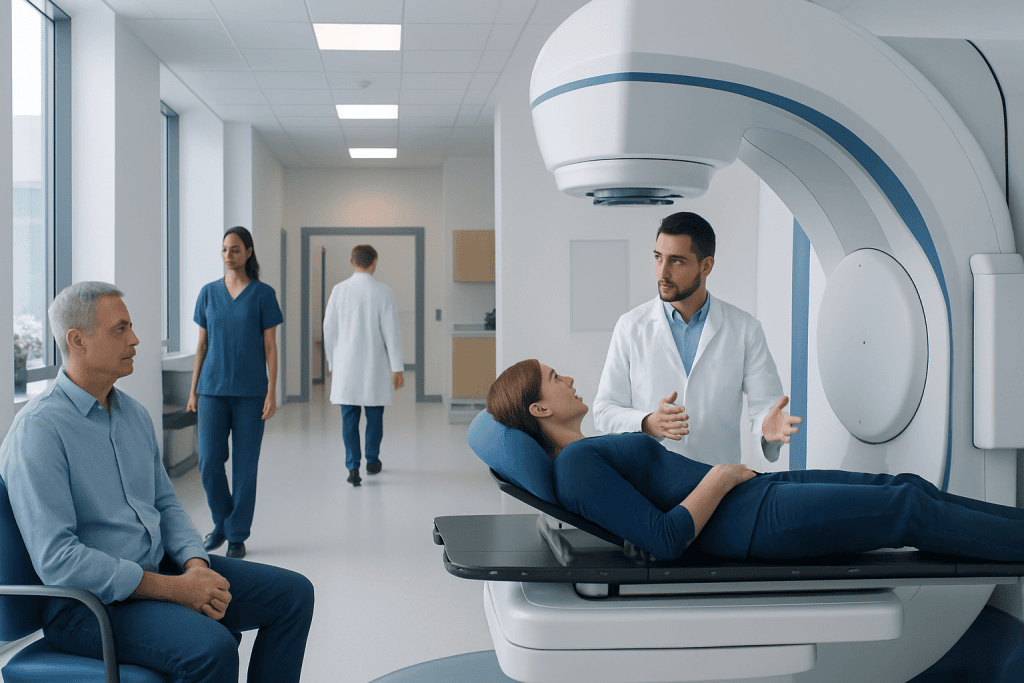
Radiation oncology focuses on using high-energy radiation to destroy cancer cells while protecting healthy tissue as much as possible. Radiation therapy may be given before surgery, after surgery, instead of surgery, or alongside other cancer treatments.
Key Takeaways
- Radiation oncology focuses on using high-energy radiation to destroy cancer cells while protecting healthy tissue as much as possible.
- Radiation therapy may be given before surgery, after surgery, instead of surgery, or alongside other cancer treatments.
- Treatment planning is highly individualized and often involves imaging, simulation, and a team of specialists.
- Common side effects depend on the area being treated and are often temporary and manageable.
- Modern techniques help deliver radiation more precisely, which can improve effectiveness and reduce harm to nearby organs.
Radiation oncology is the medical specialty that uses carefully planned radiation to treat cancer. It can be used alone or together with surgery, chemotherapy, immunotherapy, or other treatments to control disease, relieve symptoms, and support recovery.
Overview: What Radiation Oncology Means
Radiation oncology is the branch of medicine that uses high-energy radiation to treat cancer. The main goal is to damage the DNA inside cancer cells so they can no longer grow and divide. Over time, the body clears away these damaged cells. Healthy cells can also be affected, but treatment is carefully planned to limit exposure as much as possible.
Radiation oncology is not the same as diagnostic imaging such as standard X-rays or CT scans, although imaging is often used to plan treatment. The doctors who specialize in this field are called radiation oncologists. They work closely with medical oncologists, surgeons, radiologists, pathologists, nurses, physicists, and radiation therapists to create a treatment plan that fits the person’s cancer type, stage, and overall health.
Radiation therapy is a common part of modern cancer treatment. It may be used to cure cancer, reduce the chance of cancer returning, shrink a tumor before surgery, or relieve symptoms such as pain, bleeding, or pressure caused by advanced disease. In many cases, it is one part of a larger treatment strategy that may also include medical oncology care or surgery.
How Radiation Therapy Fits Into Cancer Care
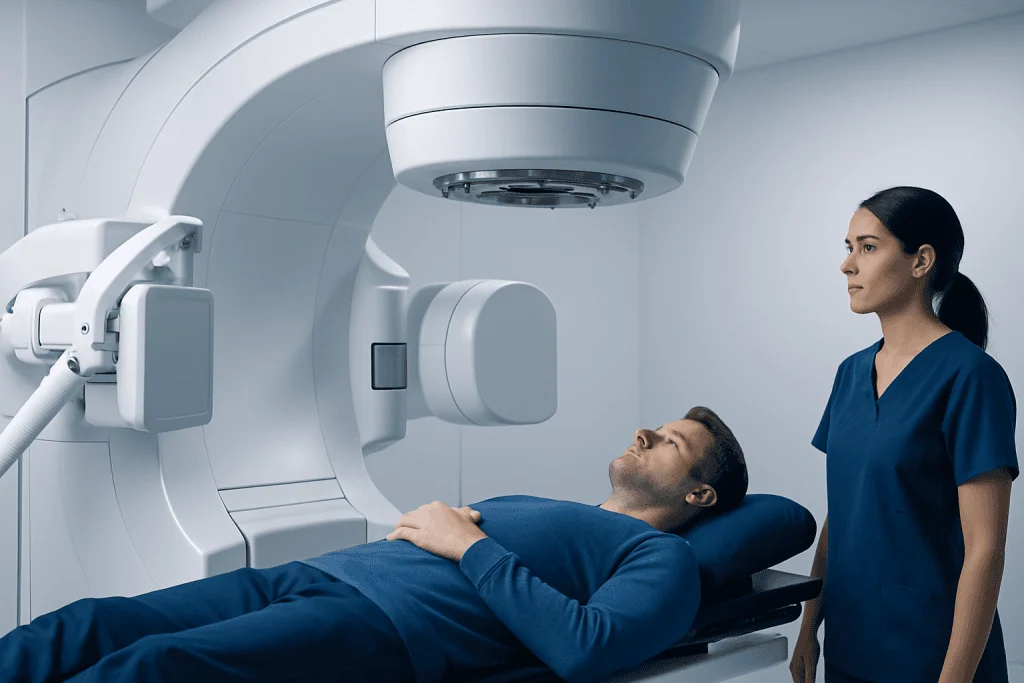
Radiation therapy can be used in several ways depending on the person’s diagnosis. For some cancers, it is the main treatment. For others, it is given before surgery to make a tumor smaller, or after surgery to destroy any cancer cells that may remain in the treated area. It may also be combined with chemotherapy or targeted therapies because some medicines can make cancer cells more sensitive to radiation.
Doctors often describe the purpose of treatment as either curative or palliative. Curative treatment aims to remove or destroy all visible and microscopic cancer in a particular area. Palliative treatment focuses on easing symptoms and improving comfort and quality of life when a cure is not possible. Both approaches are important, and radiation oncology can play a valuable role in each.
Whether radiation is recommended depends on factors such as the type of cancer, its location, whether it has spread, prior treatments, and the person’s general health. It is commonly used in conditions such as breast cancer, head and neck cancers, prostate cancer, lung cancer, brain tumors, gynecologic cancers, and some blood-related cancers.
Types of Radiation Oncology Treatments

There are two main ways radiation is delivered: external beam radiation therapy and internal radiation therapy. External beam radiation is the most common form. A machine directs radiation at the tumor from outside the body. Treatment is painless and usually given over several sessions so normal tissues have time to recover between doses.
Internal radiation therapy, also called brachytherapy, places a radiation source inside the body or very close to the tumor. This may be used for certain prostate, gynecologic, breast, or other cancers. In some situations, radioactive medicines can also be used to target specific tissues from inside the body.
Modern radiation oncology uses advanced techniques to improve precision. Depending on the cancer, these may include:
- 3D conformal radiation therapy, which shapes radiation beams to match the tumor
- Intensity-modulated radiation therapy, which varies beam strength to protect nearby organs
- Image-guided radiation therapy, which uses imaging before or during treatment for accuracy
- Stereotactic radiosurgery or stereotactic body radiotherapy for very precise, focused treatment
- Brachytherapy for tumors that can be treated from within or very close to the affected area
The best technique depends on the tumor’s size, shape, location, and the structures around it. For example, a person with prostate cancer may be offered external radiation, brachytherapy, or a combination, while someone with a brain lesion may benefit from focused stereotactic treatment.
What to Expect Before and During Treatment
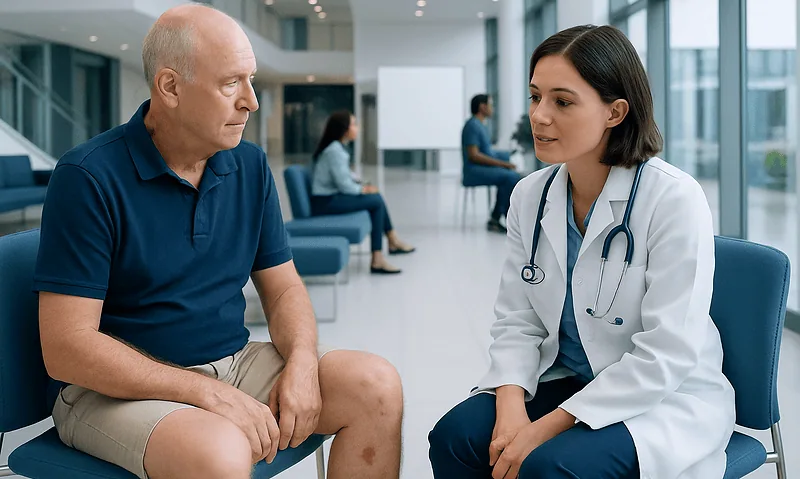
Radiation treatment begins with careful planning. Before therapy starts, the person usually has a consultation with a radiation oncologist to review the diagnosis, medical history, imaging results, and treatment goals. If radiation is recommended, the next step is often a planning session called simulation. During simulation, the team positions the body in a stable, reproducible way and may create a custom mask or support device to help keep the treatment area still.
Imaging such as CT, MRI, or PET may be used to map the exact location of the tumor and nearby normal tissues. A medical physicist and dosimetry team help calculate the radiation dose and shape the treatment plan. This detailed preparation allows the radiation to be delivered as accurately as possible.
During external beam treatment, the person lies on a treatment table while the machine moves around the body. The procedure itself is painless and usually lasts only a short time, although setup may take longer. Radiation does not make a person radioactive after standard external beam therapy, so it is generally safe to be around family members. Some patients receiving certain forms of internal radiation may be given temporary safety instructions depending on the treatment used.
People receiving combined care may also meet with specialists in systemic cancer treatment or oncology surgery so that the overall plan is coordinated. This team-based approach helps each part of care support the others.
Benefits, Risks, and Side Effects
The main benefit of radiation oncology is that it can target cancer in a defined area with high precision. For many cancers, it helps improve local control, reduces the chance of recurrence, and may preserve organs or avoid more extensive surgery. In symptom relief, it can reduce pain, bleeding, swallowing problems, or pressure caused by tumors.
Like all cancer treatments, radiation therapy can cause side effects. These vary depending on the part of the body being treated, the total dose, the number of sessions, and whether other treatments are given at the same time. Common general effects may include tiredness and skin irritation in the treated area. Site-specific effects can include sore throat with head and neck treatment, bowel or bladder changes with pelvic treatment, or cough and irritation with chest treatment.
Some side effects appear during treatment and improve gradually afterward. Others may develop later, sometimes months or years after therapy, depending on the tissues involved. The care team monitors for both short-term and long-term effects and may suggest medicines, skin care, nutrition support, exercises, or rehabilitation when needed. Patients should report new or worsening symptoms promptly so help can be provided early.
Radiation oncologists aim to balance benefit and risk by using the lowest effective dose to the surrounding healthy organs. This is especially important when treating areas near the spinal cord, heart, lungs, bowel, or brain.
Prevention, Self-Care, and Recovery Support
There is no general way to prevent all cancers or to avoid needing radiation oncology if cancer occurs. However, healthy habits can lower the risk of some cancers and support recovery during treatment. These include not smoking, limiting alcohol, eating a balanced diet, staying physically active as able, protecting skin from excess sun exposure, and keeping up with recommended screening tests.
Self-care during radiation treatment is important. Patients are often advised to get adequate rest, drink enough fluids, and maintain good nutrition. Gentle physical activity may help with fatigue if approved by the doctor. Skin in the treatment area should be treated carefully, and only products recommended by the care team should be used because some creams or irritants may worsen reactions.
Recovery needs differ from person to person. Some people return to their usual routine quickly, while others need more time and support. Follow-up appointments help the team check how well the treatment worked, monitor healing, and look for side effects or signs that cancer has returned. Emotional support, counseling, rehabilitation, and nutrition guidance can also be helpful parts of recovery.
When to See a Doctor and Questions to Ask
A person should see a doctor if they have symptoms that could suggest cancer, such as a persistent lump, unexplained weight loss, unusual bleeding, a long-lasting cough, trouble swallowing, or pain that does not improve. People who have already been diagnosed with cancer should ask whether radiation oncology is part of the recommended plan and what the goals of treatment are in their specific case.
During or after radiation treatment, patients should contact their team if they develop severe pain, fever, trouble breathing, difficulty eating or drinking, worsening skin reactions, dehydration, or any symptom that suddenly changes. Early communication often helps side effects stay manageable and reduces treatment interruptions.
Helpful questions to ask include:
- Why is radiation being recommended for this cancer?
- Is the goal to cure the cancer, reduce recurrence risk, or relieve symptoms?
- What type of radiation therapy is planned, and how many sessions are needed?
- What side effects are most likely for the area being treated?
- Will radiation be combined with surgery, chemotherapy, or other therapies?
- What follow-up tests or visits will be needed after treatment?
For people seeking coordinated care abroad, Acibadem International’s multidisciplinary specialists and JCI-accredited hospitals diagnose and treat cancer using individualized radiation oncology approaches for international patients.
Frequently asked questions
Is radiation oncology the same as chemotherapy?
No. Radiation oncology uses targeted high-energy radiation to treat cancer in a specific area, while chemotherapy uses medicines that travel through the bloodstream and can affect cancer cells throughout the body. Many patients receive one treatment or a combination, depending on the cancer type and stage.
Does radiation therapy hurt during treatment?
External beam radiation therapy is usually painless while it is being given. The person does not typically feel the radiation itself, although side effects such as skin irritation or fatigue may develop over time depending on the treatment area.
How long does radiation treatment usually last?
The length of treatment varies widely. Some people receive a single session, while others have daily treatments over several days or weeks. The schedule depends on the cancer type, treatment goal, dose, and technique being used.
Will a person become radioactive after radiation therapy?
Most people treated with standard external beam radiation are not radioactive afterward and can safely be around others. Certain internal radiation treatments may involve temporary precautions, and the care team will explain these clearly if they apply.
What cancers are commonly treated with radiation oncology?
Radiation oncology is used for many cancers, including breast, prostate, lung, brain, head and neck, cervical, rectal, and some lymphomas. It may also help relieve symptoms when cancer has spread or when a tumor is causing pain or pressure.
Can radiation therapy be used with surgery or immunotherapy?
Yes. Radiation therapy is often combined with surgery, chemotherapy, targeted therapy, hormone therapy, or immunotherapy as part of a personalized treatment plan. The timing and combination depend on the cancer type and the overall goals of care.
References
- World Health Organization
- National Cancer Institute
- American Cancer Society
- European Society for Radiotherapy and Oncology
- National Comprehensive Cancer Network
This article is for general information only and is not a substitute for professional medical advice. Please consult a qualified doctor about your individual situation.
Oncology care in Turkey — second opinion and treatment plan
JCI-accredited · board-certified surgeons · reply within 24h
Add us as a Preferred Source to see more of our trusted health content across Google Search, AI Overviews and Discover.

Medical Oncology Department
Medical treatment of cancer with chemotherapy, immunotherapy and targeted therapies under a multidisciplinary tumor board.
60 specialists in this unit