How to Prevent Kidney Stones: Diet, Hydration, and Risk Reduction

Drinking enough fluids is one of the most effective ways to help prevent kidney stones. A balanced diet with normal calcium intake, less sodium, and moderate animal protein can lower stone risk.
Key Takeaways
- Drinking enough fluids is one of the most effective ways to help prevent kidney stones.
- A balanced diet with normal calcium intake, less sodium, and moderate animal protein can lower stone risk.
- Different types of kidney stones have different triggers, so prevention may need to be individualized.
- Urine and blood tests can help identify why stones form and guide long-term prevention.
- People with severe pain, fever, vomiting, or blood in the urine should seek medical care promptly.
Kidney stone prevention often starts with simple, daily habits such as drinking enough fluids, choosing foods carefully, and addressing medical risk factors. For people who have had stones before, a personalized prevention plan can help reduce the chance of recurrence.
Overview
Kidney stones are hard deposits made from minerals and salts that form in the urinary tract. They may develop when the urine becomes too concentrated or when certain substances, such as calcium, oxalate, or uric acid, build up more quickly than the body can dilute and remove them. Some stones pass on their own, while others can cause significant pain or blockage.
Kidney stone prevention aims to reduce the chance that these crystals will form and grow. This usually involves a combination of hydration, dietary changes, and treatment of underlying conditions. Because kidney stones often recur, prevention is especially important for people who have had one before.
Not all kidney stones are the same. The most common types include calcium oxalate, calcium phosphate, uric acid, struvite, and cystine stones. The best prevention strategy depends partly on the type of stone and partly on individual health factors, such as diet, medications, family history, and certain medical conditions.
Symptoms and Why Prevention Matters

Kidney stones do not always cause symptoms while they remain in the kidney. Symptoms often begin when a stone moves into the ureter, the tube that connects the kidney to the bladder. The pain is typically sudden, severe, and may be felt in the side, back, lower abdomen, or groin. It may come in waves and can be accompanied by nausea or vomiting.
Other possible symptoms include blood in the urine, cloudy or foul-smelling urine, frequent urination, burning with urination, or difficulty passing urine. If an infection develops at the same time, fever and chills may also occur. These symptoms should not be ignored, especially if pain is intense or persistent.
Prevention matters because kidney stones can come back. Recurrent stones may lead to repeated pain episodes, emergency visits, urinary blockage, infection, and in some cases kidney damage. In many people, small changes in daily habits can make a meaningful difference over time.
Anyone who has had a prior stone may also benefit from learning more about kidney stones in general, including how they form and how they are managed. Understanding the condition often makes prevention steps easier to follow consistently.
Causes and Risk Factors
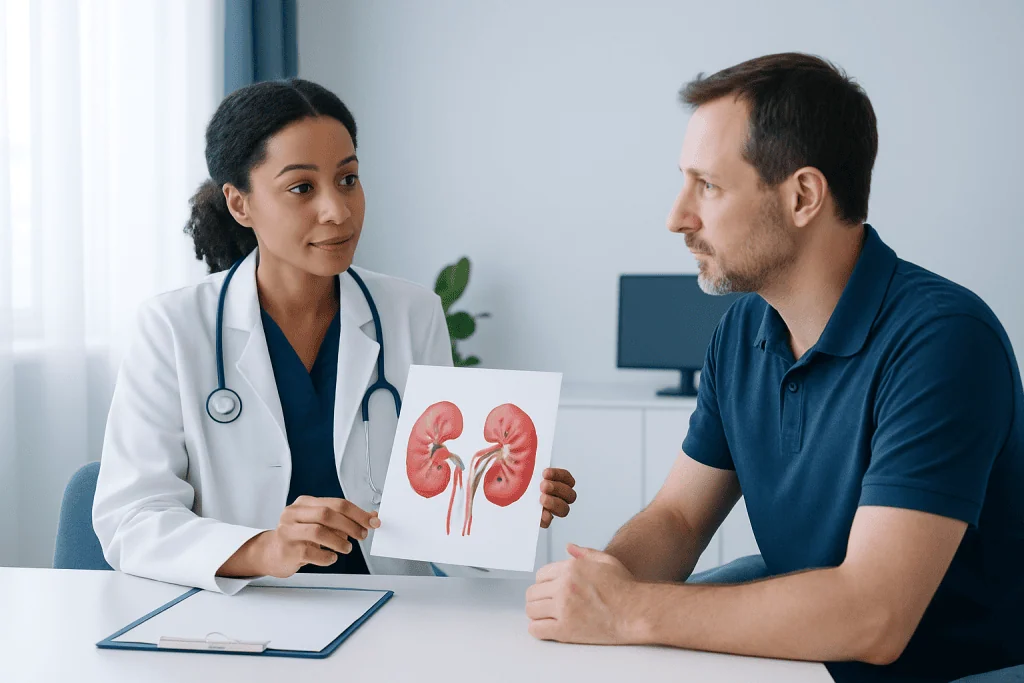
Kidney stones usually form because of a combination of factors rather than one single cause. Low fluid intake is a major risk factor because it leads to more concentrated urine. Diet can also contribute, particularly if it is high in salt, excessive animal protein, or certain stone-forming compounds. However, food alone does not explain every case.
Some people are more prone to stones because of family history, obesity, digestive disorders, recurrent urinary tract infections, or conditions that affect the way the body handles calcium, oxalate, or uric acid. Medical problems such as gout, inflammatory bowel disease, hyperparathyroidism, and some rare inherited disorders may increase risk. Certain medications and supplements can also promote stone formation in susceptible individuals.
The main risk factors include:
- Not drinking enough water
- Previous history of kidney stones
- Family history of stones
- High sodium intake
- High intake of animal protein
- Diets very high in oxalate-rich foods without balance
- Obesity or metabolic syndrome
- Digestive disease or intestinal surgery
- Recurrent urinary infections
- Some medicines or high-dose supplements
Because causes vary, prevention should be individualized. A person with calcium oxalate stones may need different advice than someone with uric acid or cystine stones. This is one reason doctors often recommend a more detailed evaluation after repeated stones or stones at a young age.
Diet and Hydration for Kidney Stone Prevention
For many people, the most important prevention step is drinking enough fluids throughout the day. The goal is to produce dilute urine rather than dark, concentrated urine. Water is usually the best choice. In hot weather, during exercise, or when a person is ill and losing fluids, intake may need to increase further.
Diet also plays a major role. It is often helpful to reduce sodium, because high salt intake can increase calcium in the urine. A balanced intake of calcium from food is usually recommended rather than avoiding calcium completely, since too little dietary calcium may actually raise the risk of some stones. Moderate portions of animal protein can also help, especially in people prone to uric acid stones.
Depending on the stone type, doctors may suggest limiting very high amounts of oxalate-rich foods such as spinach, nuts, beets, rhubarb, and chocolate, especially if they are eaten without calcium-containing foods. General dietary strategies often include:
- Choosing water as the main drink
- Reducing salt in processed and packaged foods
- Eating normal amounts of calcium-rich foods with meals
- Moderating red meat and other animal protein
- Maintaining a healthy weight with a balanced eating pattern
- Avoiding excessive vitamin C or other supplements unless advised
Diet plans should not be overly restrictive without medical guidance. The right diet depends on the person, the type of stone, and the results of urine or blood testing. In some cases, a doctor or dietitian may recommend a personalized nutrition and diet consultation to build a prevention plan that is practical and sustainable.
How Doctors Evaluate Stone Risk
When a person has a kidney stone, the evaluation often begins with a review of symptoms, medical history, family history, and diet. If a stone has already passed or been removed, analyzing its composition can provide valuable information. Knowing whether the stone is made of calcium oxalate, uric acid, or another material can directly affect prevention advice.
Doctors may order urine and blood tests to look for dehydration, high calcium, high uric acid, infection, or other metabolic factors. In people with repeated stones, a 24-hour urine collection is commonly used to measure urine volume and levels of substances that promote or prevent stone formation. This can reveal patterns that are not obvious from symptoms alone.
Imaging studies may also be needed to confirm whether a stone is present, check its size and location, or look for complications. Depending on the situation, this may involve ultrasound or CT scan imaging. These tests help guide both immediate treatment and long-term prevention planning.
A more complete workup is especially important for children, people with recurrent stones, those with a single kidney, or anyone with unusual stone types. Careful assessment helps avoid a one-size-fits-all approach and supports more effective risk reduction over time.
Treatment Options and Long-Term Prevention
If a stone is already causing pain or blockage, treatment depends on its size, location, symptoms, and whether infection is present. Small stones may pass with fluids, pain management, and monitoring. Larger stones or those causing obstruction may need a procedure. Prevention remains important even after successful treatment, because removing a stone does not remove the tendency to form another one.
In some cases, doctors prescribe medications to reduce recurrence. These may help lower urine calcium, reduce uric acid, or make the urine less favorable for crystal formation. Medication choices depend on the person’s stone type and test results, so they should always be used under medical supervision.
When stones do not pass naturally, minimally invasive procedures may be recommended. One common option is ureteroscopy, which can be used to locate and remove or break up certain stones in the urinary tract. The need for treatment varies widely, and the least invasive effective approach is usually preferred.
For international patients who need evaluation or treatment, Acibadem International’s multidisciplinary specialists and JCI-accredited hospitals diagnose and treat kidney stone disease with individualized care plans. Follow-up after treatment is an important part of long-term prevention, helping the care team adjust diet, fluids, and medications as needed.
Prevention and Self-Care in Daily Life
Prevention works best when it becomes part of everyday routine rather than a short-term response to symptoms. Drinking water regularly, carrying a refillable bottle, and checking urine color can help people stay more consistent. Many people find it useful to spread fluid intake across the day instead of trying to drink large amounts at once.
Meal habits also matter. Cooking with less salt, reading food labels, limiting heavily processed foods, and balancing protein portions can support kidney health. People who have been told to watch oxalate intake should not eliminate foods unnecessarily, but rather follow individualized advice and combine dietary changes with good hydration.
General self-care measures include:
- Drink fluids regularly unless a doctor has advised fluid restriction
- Choose meals with vegetables, fruits, and balanced calcium intake
- Limit excess salt, especially in packaged foods and restaurant meals
- Maintain a healthy body weight
- Take supplements only with medical advice
- Attend follow-up visits if stones have recurred
People who have other conditions such as gout or repeated urinary infections should make sure those are treated well, since they can increase stone risk. Prevention is often most successful when it addresses the whole picture rather than focusing only on the urinary tract.
When to See a Doctor
A doctor should be consulted if symptoms suggest a kidney stone, especially if there is severe side or back pain, blood in the urine, vomiting, or difficulty urinating. Fever or chills can be a sign of infection, which may become serious if a stone is blocking urine flow. These situations need prompt medical attention.
Medical review is also important for anyone with recurrent stones, stones during pregnancy, a history of kidney disease, or a family history of frequent stones. Children and younger adults with stones should usually have a careful evaluation to look for underlying causes. Early assessment can improve both treatment and future prevention.
Even when symptoms settle, follow-up matters. A person may feel well after passing a stone but still have a higher chance of forming another. A healthcare professional can help develop a realistic prevention plan, review medications and supplements, and decide whether further testing is needed.
Frequently asked questions
What is the best way to prevent kidney stones?
For many people, the most effective step is staying well hydrated so the urine stays dilute. A balanced diet with less sodium and moderate animal protein is also important. The best plan depends on the type of stone and a person's medical history.
How much water should someone drink to help prevent kidney stones?
Fluid needs vary by body size, climate, and activity level, so there is no single amount that fits everyone. In general, the goal is to produce pale, diluted urine throughout the day. A doctor may give a more specific target, especially for people with recurrent stones.
Should calcium be avoided to prevent kidney stones?
Usually no. Normal calcium intake from food is often recommended because very low calcium diets can actually increase the risk of some stones, especially calcium oxalate stones. Calcium supplements, however, may need review with a doctor depending on the situation.
Are certain foods more likely to cause kidney stones?
Some foods can raise risk in certain people, especially when eaten in excess. These may include high-salt processed foods, large amounts of animal protein, and oxalate-rich foods such as spinach or nuts. Food triggers vary, so advice should be individualized rather than overly restrictive.
Can kidney stones come back after treatment?
Yes, kidney stones can recur even after a stone has passed or been removed. That is why follow-up, fluid intake, and prevention strategies are important. Testing may help identify why stones formed and how to reduce the chance of another one.
When should someone seek urgent care for possible kidney stones?
Urgent care is needed if there is severe pain, fever, chills, repeated vomiting, inability to pass urine, or signs of dehydration. Blood in the urine also deserves medical attention, especially when it occurs with pain. These symptoms can suggest blockage or infection and should be assessed promptly.
References
- National Institute of Diabetes and Digestive and Kidney Diseases
- European Association of Urology
- American Urological Association
- National Kidney Foundation
- Mayo Clinic
This article is for general information only and is not a substitute for professional medical advice. Please consult a qualified doctor about your individual situation.
Explore treatments in Turkey — costs, top hospitals & a free quote
JCI-accredited · board-certified surgeons · reply within 24h
Add us as a Preferred Source to see more of our trusted health content across Google Search, AI Overviews and Discover.